
Can a Cincinnati Roofer Actually Replace Your Shingles in the Middle of Winter?
Yes, professional Cincinnati roofers can and do install asphalt shingles during winter months. The key is understanding the specific technical requirements for cold-weather installation in Ohio’s freeze-thaw climate. While many homeowners assume roofing stops when temperatures drop, experienced local crews work year-round using specialized techniques to ensure proper adhesion and long-term performance. How to Get Your Cincinnati Roof Replaced After a Major Hail Storm.
The critical factor is temperature. Asphalt shingles need heat to activate their self-sealing adhesive strips. In Cincinnati’s winter conditions, this typically requires manual hand-sealing of each shingle tab when temperatures fall below 40°F. Professional crews also maintain shingle storage temperatures above 50°F before installation and use specific nailing patterns designed for brittle cold-weather materials.
Winter installation offers several advantages for Cincinnati homeowners. Scheduling is typically faster with shorter wait times compared to spring rush periods. Installing before heavy spring rains can prevent ice dam damage that occurs when melting snow refreezes at roof edges. Some contractors even offer competitive seasonal pricing to keep crews working year-round.
Safety remains the top priority during winter installs. Professional roofers follow OSHA cold-weather protocols including snow removal from roof decks before work begins, proper staging of materials to prevent slips, and protecting landscaping from falling brittle debris. The process requires more time and attention to detail, but qualified Cincinnati contractors have the experience to handle these challenges effectively. OSHA Winter Weather Safety Guidelines.
Before deciding on winter installation, consider your specific situation. Emergency leaks or missing shingles that expose your home to water damage require immediate attention regardless of season. For planned replacements, the decision often comes down to urgency versus waiting for optimal spring conditions. A thorough inspection can help determine the best timing for your particular roof condition. Who to Call for 24-Hour Emergency Roof Leak Repair in Cincinnati.
Technical Requirements for Ohio Winter Roofing
Successful winter roof installation in Cincinnati requires specific technical adjustments that differ from warm-weather practices. The most critical difference involves the thermal sealing process that typically occurs naturally when shingles are exposed to sunlight and temperatures above 40°F.
When ambient temperatures drop below the 40°F threshold, the asphalt shingle’s self-sealing strips cannot activate properly. This means each shingle tab must be manually sealed using roofing cement or specialized cold-weather adhesive. The process, known as hand-sealing, involves applying a quarter-sized dab of mastic under each tab and pressing it firmly to create a weather-tight seal. This extra step ensures the shingles remain secure during Ohio’s frequent winter wind events. Is Metal Roofing Worth the Investment for Your Anderson Township Home?.
Material handling becomes crucial in cold conditions. Shingles stored in freezing temperatures become brittle and prone to cracking during installation. Professional crews keep materials in heated trailers or warehouses, maintaining temperatures above 50°F until just before installation. This prevents the shingles from becoming too stiff to properly conform to roof contours and ensures the adhesive strips remain pliable enough for hand-sealing.
Nailing patterns also require adjustment for winter conditions. The cold makes asphalt more susceptible to cracking from over-driving nails. Experienced Cincinnati roofers use pneumatic nail guns with pressure regulators set to specific PSI levels for winter use, or they switch to hand-nailing for better control. The nailing pattern typically involves placing nails slightly higher on the shingle to account for thermal contraction that occurs when temperatures drop.
Ice and water shield installation becomes even more critical during winter months. This rubberized asphalt membrane provides an additional waterproof barrier beneath the shingles, particularly important in Cincinnati’s freeze-thaw cycles where ice dams commonly form. Building codes in Hamilton County require ice and water shield extending at least 24 inches inside the exterior wall line for roofs with slopes of 4:12 or greater.
Ventilation assessment takes on added importance during winter installs. Proper attic ventilation prevents moisture buildup that can lead to ice dam formation and reduces the risk of shingle blistering when temperatures eventually warm. Cincinnati’s high humidity levels, especially near the Ohio River, make adequate ventilation essential for long-term roof performance regardless of installation season.
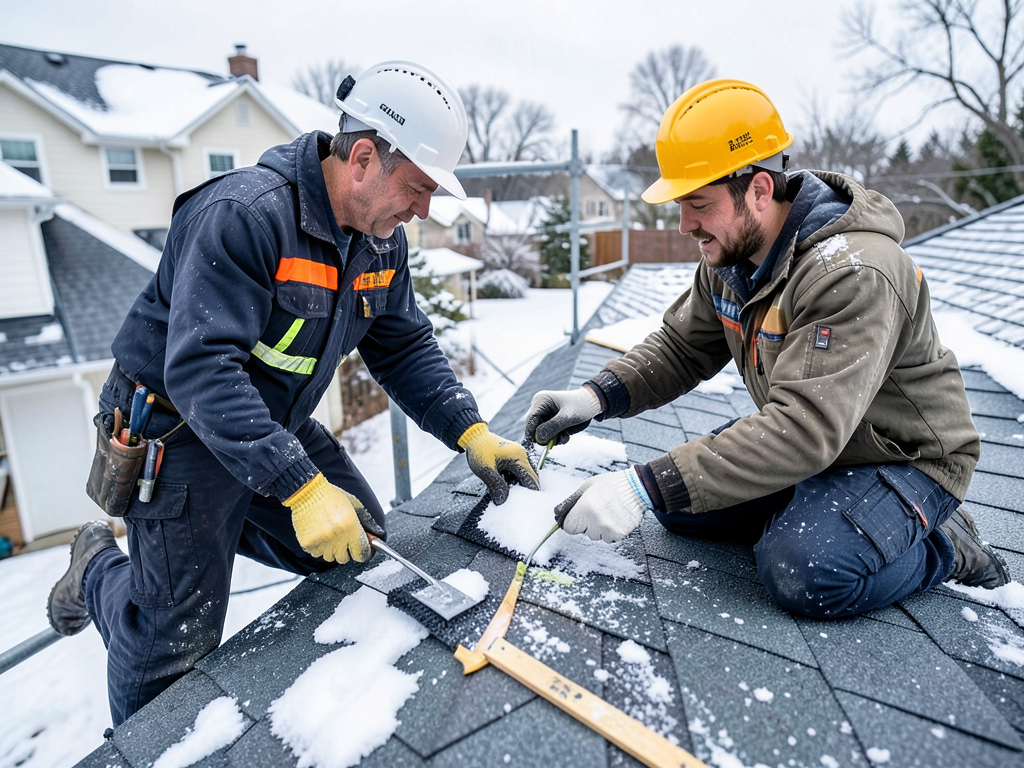
Benefits of Winter Installation in Cincinnati
Choosing winter for your roof replacement in Cincinnati offers several practical advantages that many homeowners overlook. The most immediate benefit is scheduling flexibility. Spring and summer months typically see roofing companies booked 4-6 weeks in advance, while winter schedules often have openings within 1-2 weeks. This faster turnaround can be crucial when dealing with active leaks or storm damage.
Cost considerations also favor winter installations. Some Cincinnati roofing contractors offer seasonal pricing discounts to maintain year-round employment for their crews. While prices vary by company, winter rates can be 5-10% lower than peak season pricing. Additionally, material suppliers sometimes offer end-of-year promotions that contractors can pass along to customers.
Preventing ice dam damage represents a significant winter advantage. Cincinnati’s freeze-thaw cycles create perfect conditions for ice dams, where melting snow refreezes at roof edges, forcing water under shingles. Installing a new roof before heavy snow accumulation provides an opportunity to address underlying ventilation issues and install proper ice and water shield protection. This proactive approach can prevent thousands of dollars in interior water damage.
Weather patterns in Southwestern Ohio create specific windows of opportunity for winter roofing. While the region experiences cold temperatures from December through February, there are often stretches of milder days with temperatures in the 40s or even 50s. Professional roofers monitor weather forecasts to schedule installations during these optimal conditions, maximizing productivity while ensuring proper material performance.
Energy efficiency improvements from a new roof provide immediate benefits when installed in winter. Modern roofing materials with better insulation properties can reduce heat loss through your attic, potentially lowering heating costs during Cincinnati’s coldest months. This immediate return on investment makes winter installation particularly attractive for homeowners concerned about energy efficiency.
Property protection during winter installs requires specific protocols that experienced Cincinnati contractors follow meticulously. Snow removal from the work area must occur before any installation begins, typically using roof rakes or, for larger projects, professional snow removal services. The ground around the house needs protection from falling debris, which becomes more brittle and potentially damaging in cold temperatures.
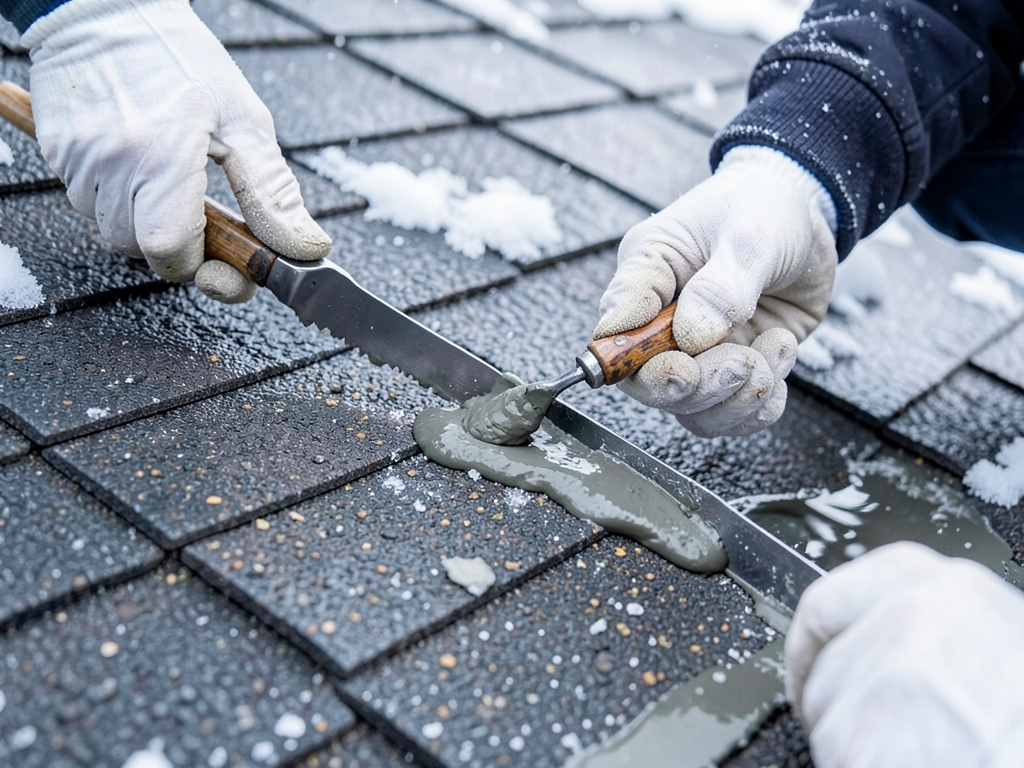
Safety and Property Protection Protocols
Winter roof installation in Cincinnati demands strict safety protocols that go beyond standard roofing practices. The combination of cold temperatures, potential snow or ice on the ground, and brittle materials creates unique hazards that require specialized equipment and procedures.
Snow and ice removal from the roof deck represents the first critical safety step. Before any work begins, the entire roof surface must be cleared of snow accumulation. This typically involves using roof rakes with extended handles to pull snow down the roof slope, working from the roof edge upward. For larger commercial projects or multi-story homes, some contractors use specialized snow removal equipment or hire professional snow removal services to ensure the deck is completely clear and dry.
Ground protection becomes more important during winter installs. Falling debris from brittle shingles or underlayment can damage landscaping, walkways, and nearby structures. Professional crews use heavy-duty drop cloths or tarps to cover shrubs, flower beds, and other vulnerable areas. They also establish designated material staging areas away from pedestrian traffic and ensure all debris is promptly removed to prevent slip hazards on walkways and driveways.
Personal protective equipment requirements increase for cold-weather roofing. Beyond standard hard hats, harnesses, and work boots, winter crews need insulated, waterproof clothing, thermal gloves with grip enhancement, and eye protection that prevents fogging. Cincinnati’s winter winds, particularly in exposed areas near the Ohio River, can create dangerous wind chill factors that require additional precautions.
Material storage and handling protocols prevent accidents and ensure proper installation. Shingles must be kept at appropriate temperatures until installation, typically in heated trailers or warehouses. Cold shingles become extremely brittle and can shatter if dropped or mishandled. Crews use specific lifting techniques and avoid throwing materials, which could result in dangerous breakage or personal injury.
Equipment modifications for winter conditions include using pneumatic nail guns with winter-specific pressure settings and ensuring all ladders and scaffolding have slip-resistant surfaces. Extension cords for heated material storage must be rated for outdoor winter use and properly grounded. All electrical equipment needs protection from moisture that can accumulate from melting snow or frost.
Emergency preparedness takes on added importance during winter installs. Every crew carries cold-weather first aid kits including chemical warming packs, thermal blankets, and emergency communication devices. They establish check-in protocols to ensure all workers are accounted for during extreme weather conditions. Many Cincinnati contractors maintain relationships with local emergency services familiar with their work sites and potential hazards.
Property access and utility considerations affect winter installation planning. Cincinnati’s older neighborhoods, particularly in areas like Clifton and Over-the-Rhine, often have overhead utility lines that require careful navigation during tarping and material staging. Combined sewer systems in mature neighborhoods can create drainage challenges that crews must account for when planning debris removal and water runoff management.
Cincinnati Winter Roofing FAQ
How cold is too cold for roof installation in Cincinnati?
Most professional roofers avoid installation when temperatures fall below 20°F, though some experienced crews will work in temperatures as low as 15°F if other conditions are optimal. The 40°F threshold for self-sealing adhesive activation is the primary limiting factor, not just ambient temperature. Cincinnati’s winter weather patterns typically provide enough mild days between December and February for professional scheduling.
Will my winter-installed roof seal properly when spring arrives?
Yes, roofs installed during winter will seal properly once temperatures consistently exceed 40°F and the shingles receive adequate sunlight exposure. The hand-sealing process performed during winter installation ensures the shingles remain secure until natural thermal sealing occurs. Most manufacturers warranty winter installations, understanding that sealing may be delayed until spring conditions arrive.
How long does a winter roof installation take compared to summer?
Winter installations typically take 20-30% longer than summer projects due to additional safety protocols, hand-sealing requirements, and weather monitoring. A project that might take two days in summer could extend to three days in winter. However, the extended timeline is offset by faster scheduling availability and potentially lower costs.
What happens if we get a major snowstorm during my winter installation?
Professional Cincinnati roofing contractors monitor weather forecasts closely and will tarp the roof if significant precipitation is expected. The underlayment provides temporary waterproofing, but exposed areas receive immediate tarping to prevent water infiltration. Most contractors include weather contingency plans in their winter installation agreements and will not proceed if severe weather threatens project safety or quality.
Are there specific shingle brands that perform better in Cincinnati winters?
Several manufacturers offer enhanced winter performance shingles designed for freeze-thaw climates. GAF’s StormGuard and CertainTeed’s WinterGuard products include modified asphalt formulations that remain more flexible in cold temperatures. However, proper installation technique matters more than brand selection. A skilled Cincinnati roofer can successfully install any quality shingle brand using appropriate cold-weather methods. Flexible Financing Options for Your New Cincinnati Roof Installation.
How do I know if my contractor has proper winter roofing experience?
Ask specific questions about their cold-weather installation procedures, including how they handle hand-sealing, material storage temperatures, and weather contingency plans. Request references from winter projects completed in the Cincinnati area within the past two years. Verify they carry adequate insurance for winter operations and understand local building code requirements for ice and water shield installation in Hamilton County.
Does winter installation affect my roof warranty?
Most major shingle manufacturers honor warranties for winter installations when proper cold-weather procedures are followed. The warranty typically covers manufacturing defects regardless of installation season. However, some warranties may specify that thermal sealing must occur within a certain timeframe after installation. Your Cincinnati roofing contractor should provide documentation confirming the installation meets all manufacturer warranty requirements.
What’s the best time of day for winter roof installation?
Winter installations typically begin later in the morning, around 9-10 AM, allowing temperatures to rise from overnight lows. Work continues through the warmest part of the day, usually concluding by 3-4 PM before afternoon temperatures drop again. This schedule maximizes productive working hours while ensuring shingles remain at optimal temperatures for installation and sealing.
- Assess Emergency vs. Planned Replacement
Determine if you’re dealing with active leaks requiring immediate attention or planning a replacement. Emergency situations justify winter installation regardless of season.
- Verify Contractor Winter Experience
Confirm your chosen contractor has specific experience with Cincinnati winter installations, including knowledge of local building codes and cold-weather techniques.
- Review Weather Contingency Plans
Ensure your contractor has clear protocols for weather delays, including tarping procedures and project timeline adjustments for severe conditions.
- Understand Material Storage Requirements
Confirm the contractor maintains proper material storage temperatures and uses appropriate cold-weather installation techniques.
- Check Warranty Coverage
Verify that winter installation won’t void your roof warranty and that all manufacturer requirements for cold-weather installation are met.
Winter roof replacement in Cincinnati is not only possible but often practical when handled by experienced professionals who understand the specific technical requirements and safety protocols. The key is choosing a contractor with proven cold-weather experience and a thorough understanding of how Cincinnati’s unique climate affects roofing materials and installation techniques.
The decision ultimately depends on your specific circumstances. Active leaks, missing shingles, or storm damage require immediate attention regardless of season. For planned replacements, consider factors like scheduling flexibility, potential cost savings, and the opportunity to prevent ice dam damage before spring rains arrive. A qualified Cincinnati roofer can help you evaluate these factors and make the best decision for your home’s protection.
Remember that successful winter installation requires more than just showing up with materials and tools. It demands specialized knowledge of cold-weather techniques, proper equipment modifications, and strict adherence to safety protocols. When these elements come together under the guidance of an experienced Cincinnati roofing professional, winter installation can provide the same quality and durability as warm-weather projects.
Don’t let winter weather catch you off guard. If you’re experiencing roofing issues or considering a replacement, now is the time to get professional advice. The right contractor will provide honest assessment of whether winter installation makes sense for your specific situation and home.
Call (513) 223-5511 today to schedule your inspection. Our experienced Cincinnati team can evaluate your roof’s condition and recommend the best timing for replacement, whether that’s immediately or waiting for optimal conditions. Don’t risk further damage by delaying necessary repairs. Pick up the phone and call (513) 223-5511 before the next storm hits. Reliable Flat Roof Repair Services for Over-the-Rhine Business Owners.
Frequently Asked Questions
Can you really install a roof in the middle of winter in Cincinnati?
Yes, professional Cincinnati roofers can install roofs during winter using specialized cold-weather techniques. The process involves hand-sealing shingles when temperatures fall below 40°F, maintaining proper material storage temperatures, and following strict safety protocols for snow and ice conditions.
How much more expensive is winter roof installation?
Winter installation is often less expensive than peak season pricing, typically 5-10% lower. Some contractors offer seasonal discounts to maintain year-round employment. However, costs vary by company and specific project requirements.
Will my winter-installed roof leak when it rains?
No, properly installed winter roofs are immediately waterproof. The underlayment provides temporary protection, and hand-sealing ensures shingles remain secure until thermal sealing occurs naturally when temperatures rise above 40°F.
How long does winter roof installation take?
Winter installations typically take 20-30% longer than summer projects due to additional safety protocols and hand-sealing requirements. A two-day summer project might extend to three days in winter conditions.
Do I need to be home during winter roof installation?
You don’t need to be home constantly, but someone should be available for questions and to provide property access. Winter installations require more coordination due to weather considerations and safety protocols. For more information, visit National Roofing Contractors Association.
{
“@context”: “https://schema.org”,
“@type”: “BlogPosting”,
“headline”: “Can a Cincinnati Roofer Actually Replace Your Shingles in the Middle of Winter?”,
“description”: “Wondering if winter roof replacement works in Cincinnati? Discover how local roofers handle cold-weather installs, thermal sealing, and ice dam prevention in Ohio’s freeze-thaw climate.”,
“wordCount”: 2641,
“datePublished”: “2026-03-19T14:07:00.000Z”,
“dateModified”: “2026-03-19T14:07:00.000Z”,
“inLanguage”: “en-US”,
“mainEntityOfPage”: {
“@type”: “WebPage”,
“@id”: “https://firstchoiceroofingcincinnati.com”
},
“publisher”: {
“@type”: “LocalBusiness”,
“name”: “First Choice Roofing Cincinnati”,
“url”: “https://firstchoiceroofingcincinnati.com”
},
“author”: {
“@type”: “Organization”,
“name”: “First Choice Roofing Cincinnati”,
“url”: “https://firstchoiceroofingcincinnati.com”
},
“image”: {
“@type”: “ImageObject”,
“url”: “https://firstchoiceroofingcincinnati.com/wp-content/uploads/2026/03/can-a-cincinnati-roofer-actually-replace-your-shin-1.png”
}
}
{
“@context”: “https://schema.org”,
“@type”: “RoofingContractor”,
“name”: “First Choice Roofing Cincinnati”,
“url”: “https://firstchoiceroofingcincinnati.com”,
“address”: {
“@type”: “PostalAddress”,
“addressLocality”: “Cincinnati”
},
“areaServed”: {
“@type”: “City”,
“name”: “Cincinnati”
}
}
{
“@context”: “https://schema.org”,
“@type”: “FAQPage”,
“mainEntity”: [
{
“@type”: “Question”,
“name”: “How cold is too cold for roof installation in Cincinnati?”,
“acceptedAnswer”: {
“@type”: “Answer”,
“text”: “Most professional roofers avoid installation when temperatures fall below 20°F, though some experienced crews will work in temperatures as low as 15°F if other conditions are optimal. The 40°F threshold for self-sealing adhesive activation is the primary limiting factor, not just ambient temperature. Cincinnati’s winter weather patterns typically provide enough mild days between December and February for professional scheduling.”
}
},
{
“@type”: “Question”,
“name”: “Will my winter-installed roof seal properly when spring arrives?”,
“acceptedAnswer”: {
“@type”: “Answer”,
“text”: “Yes, roofs installed during winter will seal properly once temperatures consistently exceed 40°F and the shingles receive adequate sunlight exposure. The hand-sealing process performed during winter installation ensures the shingles remain secure until natural thermal sealing occurs. Most manufacturers warranty winter installations, understanding that sealing may be delayed until spring conditions arrive.”
}
},
{
“@type”: “Question”,
“name”: “How long does a winter roof installation take compared to summer?”,
“acceptedAnswer”: {
“@type”: “Answer”,
“text”: “Winter installations typically take 20-30% longer than summer projects due to additional safety protocols, hand-sealing requirements, and weather monitoring. A project that might take two days in summer could extend to three days in winter. However, the extended timeline is offset by faster scheduling availability and potentially lower costs.”
}
},
{
“@type”: “Question”,
“name”: “What happens if we get a major snowstorm during my winter installation?”,
“acceptedAnswer”: {
“@type”: “Answer”,
“text”: “Professional Cincinnati roofing contractors monitor weather forecasts closely and will tarp the roof if significant precipitation is expected. The underlayment provides temporary waterproofing, but exposed areas receive immediate tarping to prevent water infiltration. Most contractors include weather contingency plans in their winter installation agreements and will not proceed if severe weather threatens project safety or quality.”
}
},
{
“@type”: “Question”,
“name”: “Are there specific shingle brands that perform better in Cincinnati winters?”,
“acceptedAnswer”: {
“@type”: “Answer”,
“text”: “Several manufacturers offer enhanced winter performance shingles designed for freeze-thaw climates. GAF’s StormGuard and CertainTeed’s WinterGuard products include modified asphalt formulations that remain more flexible in cold temperatures. However, proper installation technique matters more than brand selection. A skilled Cincinnati roofer can successfully install any quality shingle brand using appropriate cold-weather methods. Flexible Financing Options for Your New Cincinnati Roof Installation.”
}
},
{
“@type”: “Question”,
“name”: “How do I know if my contractor has proper winter roofing experience?”,
“acceptedAnswer”: {
“@type”: “Answer”,
“text”: “Ask specific questions about their cold-weather installation procedures, including how they handle hand-sealing, material storage temperatures, and weather contingency plans. Request references from winter projects completed in the Cincinnati area within the past two years. Verify they carry adequate insurance for winter operations and understand local building code requirements for ice and water shield installation in Hamilton County.”
}
},
{
“@type”: “Question”,
“name”: “Does winter installation affect my roof warranty?”,
“acceptedAnswer”: {
“@type”: “Answer”,
“text”: “Most major shingle manufacturers honor warranties for winter installations when proper cold-weather procedures are followed. The warranty typically covers manufacturing defects regardless of installation season. However, some warranties may specify that thermal sealing must occur within a certain timeframe after installation. Your Cincinnati roofing contractor should provide documentation confirming the installation meets all manufacturer warranty requirements.”
}
},
{
“@type”: “Question”,
“name”: “What’s the best time of day for winter roof installation?”,
“acceptedAnswer”: {
“@type”: “Answer”,
“text”: “Winter installations typically begin later in the morning, around 9-10 AM, allowing temperatures to rise from overnight lows. Work continues through the warmest part of the day, usually concluding by 3-4 PM before afternoon temperatures drop again. This schedule maximizes productive working hours while ensuring shingles remain at optimal temperatures for installation and sealing.”
}
},
{
“@type”: “Question”,
“name”: “Can you really install a roof in the middle of winter in Cincinnati?”,
“acceptedAnswer”: {
“@type”: “Answer”,
“text”: “Yes, professional Cincinnati roofers can install roofs during winter using specialized cold-weather techniques. The process involves hand-sealing shingles when temperatures fall below 40°F, maintaining proper material storage temperatures, and following strict safety protocols for snow and ice conditions.”
}
},
{
“@type”: “Question”,
“name”: “How much more expensive is winter roof installation?”,
“acceptedAnswer”: {
“@type”: “Answer”,
“text”: “Winter installation is often less expensive than peak season pricing, typically 5-10% lower. Some contractors offer seasonal discounts to maintain year-round employment. However, costs vary by company and specific project requirements.”
}
},
{
“@type”: “Question”,
“name”: “Will my winter-installed roof leak when it rains?”,
“acceptedAnswer”: {
“@type”: “Answer”,
“text”: “No, properly installed winter roofs are immediately waterproof. The underlayment provides temporary protection, and hand-sealing ensures shingles remain secure until thermal sealing occurs naturally when temperatures rise above 40°F.”
}
},
{
“@type”: “Question”,
“name”: “How long does winter roof installation take?”,
“acceptedAnswer”: {
“@type”: “Answer”,
“text”: “Winter installations typically take 20-30% longer than summer projects due to additional safety protocols and hand-sealing requirements. A two-day summer project might extend to three days in winter conditions.”
}
},
{
“@type”: “Question”,
“name”: “Do I need to be home during winter roof installation?”,
“acceptedAnswer”: {
“@type”: “Answer”,
“text”: “You don’t need to be home constantly, but someone should be available for questions and to provide property access. Winter installations require more coordination due to weather considerations and safety protocols. For more information, visit National Roofing Contractors Association.”
}
}
]
}
{
“@context”: “https://schema.org”,
“@type”: “HowTo”,
“name”: “How to Choose Winter Roof Installation”,
“step”: [
{
“@type”: “HowToStep”,
“position”: 1,
“name”: “Assess Emergency vs. Planned Replacement”,
“text”: “Determine if you’re dealing with active leaks requiring immediate attention or planning a replacement. Emergency situations justify winter installation regardless of season.”
},
{
“@type”: “HowToStep”,
“position”: 2,
“name”: “Verify Contractor Winter Experience”,
“text”: “Confirm your chosen contractor has specific experience with Cincinnati winter installations, including knowledge of local building codes and cold-weather techniques.”
},
{
“@type”: “HowToStep”,
“position”: 3,
“name”: “Review Weather Contingency Plans”,
“text”: “Ensure your contractor has clear protocols for weather delays, including tarping procedures and project timeline adjustments for severe conditions.”
},
{
“@type”: “HowToStep”,
“position”: 4,
“name”: “Understand Material Storage Requirements”,
“text”: “Confirm the contractor maintains proper material storage temperatures and uses appropriate cold-weather installation techniques.”
},
{
“@type”: “HowToStep”,
“position”: 5,
“name”: “Check Warranty Coverage”,
“text”: “Verify that winter installation won’t void your roof warranty and that all manufacturer requirements for cold-weather installation are met.”
}
],
“image”: “https://firstchoiceroofingcincinnati.com/wp-content/uploads/2026/03/can-a-cincinnati-roofer-actually-replace-your-shin-1.png”
}
{
“@context”: “https://schema.org”,
“@type”: “BreadcrumbList”,
“itemListElement”: [
{
“@type”: “ListItem”,
“position”: 1,
“name”: “Home”,
“item”: “https://firstchoiceroofingcincinnati.com”
},
{
“@type”: “ListItem”,
“position”: 2,
“name”: “Blog”,
“item”: “https://firstchoiceroofingcincinnati.com/blog”
},
{
“@type”: “ListItem”,
“position”: 3,
“name”: “Can a Cincinnati Roofer Actually Replace Your Shingles in the Middle of Winter?”
}
]
}
{
“@context”: “https://schema.org”,
“@type”: “Service”,
“serviceType”: “Roofing”,
“provider”: {
“@type”: “LocalBusiness”,
“name”: “First Choice Roofing Cincinnati”,
“url”: “https://firstchoiceroofingcincinnati.com”
},
“areaServed”: {
“@type”: “City”,
“name”: “Cincinnati”
},
“description”: “Wondering if winter roof replacement works in Cincinnati? Discover how local roofers handle cold-weather installs, thermal sealing, and ice dam prevention in Ohio’s freeze-thaw climate.”
}