Menu

Critter & Pest Damage in Cincinnati – Expert Diagnosis Before It Destroys Your Roof System

Raccoons, squirrels, and rodents target Cincinnati roofs year-round. First Choice Roofing Cincinnati identifies entry points, structural compromise, and hidden damage before small infestations become catastrophic failures.

Slider Image 1
Slider Image 2
Slider Image 3
Slider Image 4
Slider Image 5
Slider Image 7
Slider Image 8
Slider Image 9
Slider Image 10
Slider Image 11

Why Cincinnati Roofs Are Prime Targets for Animal Intrusion

Cincinnati's mix of wooded neighborhoods, moderate winters, and urban sprawl creates perfect conditions for roof wildlife damage. Raccoons den in attics during breeding season. Squirrels chew through fascia boards and ridge vents. Bats colonize under loose shingles in historic districts like Mount Adams and Clifton.

The problem starts small. A squirrel gnaws through a soffit vent to escape February cold. By April, you have nesting activity. By July, you have urine-soaked insulation, chewed electrical wiring, and compromised roof decking. Most homeowners notice the noise first. Then the smell. Then the ceiling stain.

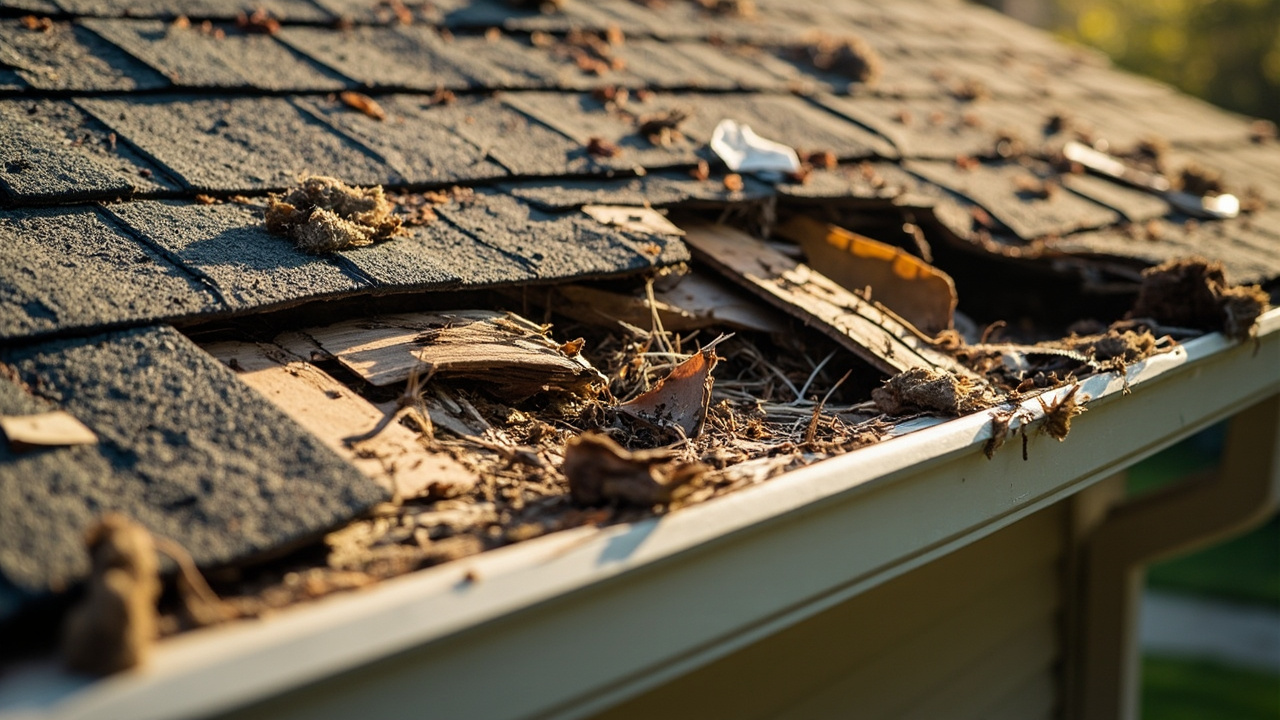
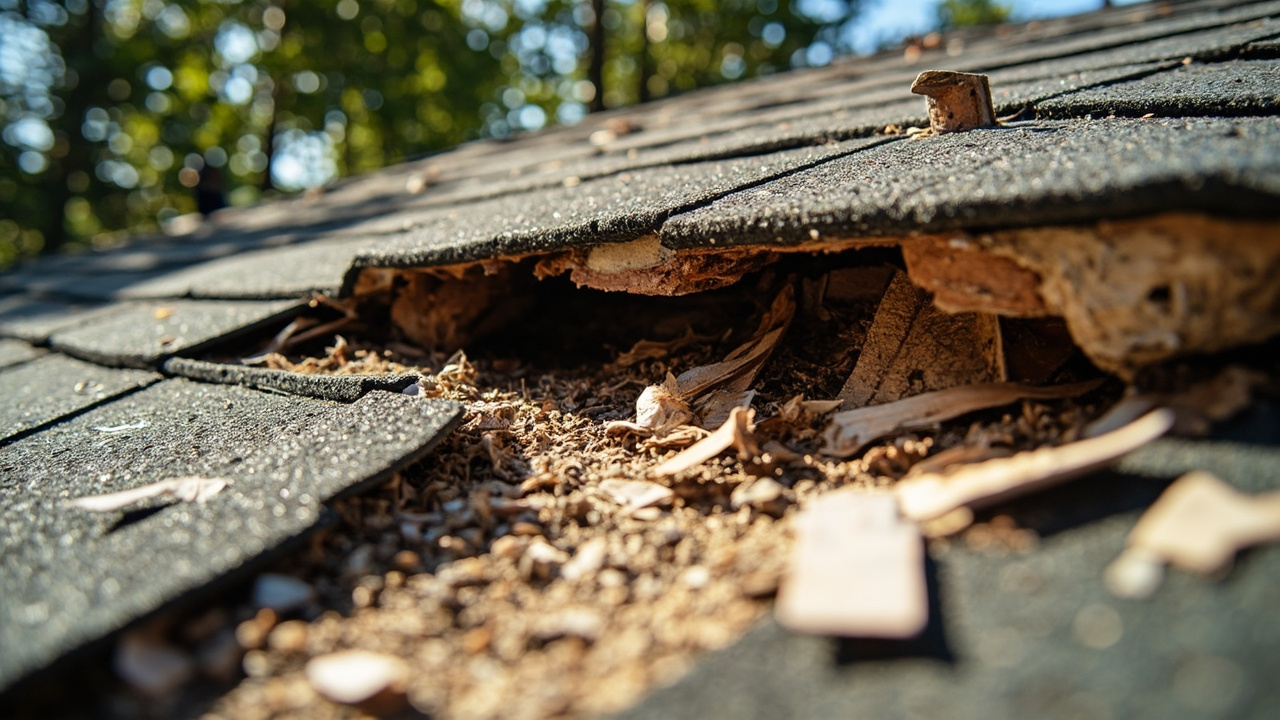
Animal intrusion roofing damage is not cosmetic. Rodents chew through asphalt shingles to create entry points. Raccoons tear off ridge caps and aluminum flashing. Woodpeckers drill through wood shakes looking for insects. Each breach allows water infiltration. Each puncture accelerates rot.

Cincinnati's clay soil and humidity exacerbate the decay. Once water penetrates the underlayment, your roof deck swells and warps. Mold spreads through attic cavities. Structural rafters weaken. What began as a nuisance becomes a five-figure roof replacement.

Vermin roof destruction follows predictable patterns. Animals target weak spots: aging soffit panels, loose shingles near chimneys, gaps in ridge venting. They exploit existing vulnerabilities. If your roof is over 15 years old or you have overhanging tree branches, you are at elevated risk. The longer the infestation persists, the more extensive the structural compromise.

You cannot fix this with traps alone. You need a full assessment of pest damage shingles, underlayment integrity, and attic contamination.

Why Cincinnati Roofs Are Prime Targets for Animal Intrusion
How We Diagnose and Repair Rodent Roof Damage

How We Diagnose and Repair Rodent Roof Damage

Most pest control services remove the animal but ignore the structural damage. We approach critter damage as a roofing problem first. Our process begins with a thermal imaging scan of your attic to identify moisture intrusion and compromised insulation. Wet spots signal active leaks caused by chewed flashing or displaced shingles.

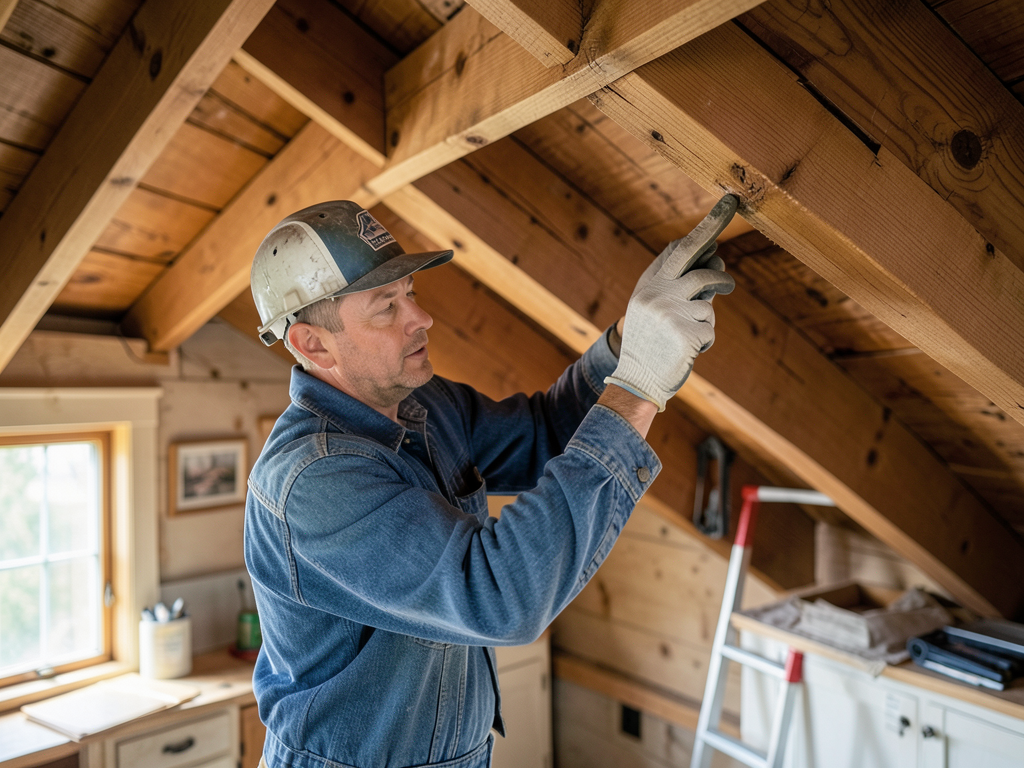
We crawl your attic space to inspect rafters, decking, and sheathing for gnaw marks, nesting material, and urine saturation. Rodent roof damage often hides behind insulation. We pull back fiberglass batts to check for decay. We probe wood surfaces for soft spots. We document every damaged area with photos and measurements.

Next, we inspect the exterior. We check soffit vents for entry holes. We examine the drip edge for pry marks. We walk the ridge line to identify torn shingles or displaced caps. We look for claw marks on fascia boards and chew patterns on PVC vent boots. Animals follow scent trails, so one entry point often means others exist nearby.

Our repair protocol addresses both the damage and the vulnerability. We replace chewed fascia boards with pressure-treated lumber. We install galvanized steel mesh over soffit vents to prevent re-entry. We replace damaged shingles and re-seal flashing with polyurethane caulk rated for animal resistance. If your decking is compromised, we cut out the rotted section and sister in new plywood sheathing before re-shingling.

We also identify attractants. Overhanging branches give squirrels roof access. Clogged gutters provide water sources. Gaps in ridge venting offer easy entry. We provide a full vulnerability report so you can eliminate the conditions that invited the intrusion in the first place.

What Happens During a Critter Damage Roof Inspection

Critter & Pest Damage in Cincinnati – Expert Diagnosis Before It Destroys Your Roof System
01

Entry Point Mapping

We conduct a 360-degree perimeter walk to identify every chewed soffit, torn shingle, and compromised vent. We use a telescoping camera to inspect ridge vents and chimney flashing without walking steep slopes. We mark each breach with GPS coordinates and photograph the damage. This creates a master map of all access points animals are using to enter your attic.
02

Attic Structural Assessment

We enter your attic with moisture meters and bore scopes to check decking integrity. We test rafters for dry rot caused by urine exposure. We inspect electrical wiring for chew marks and fire risk. We document nesting locations and contamination levels. If insulation is saturated or compressed by animal activity, we measure R-value loss. This tells us if you need insulation replacement or just debris removal.
03

Repair and Exclusion Plan

We provide a written scope of work that separates pest damage shingles from structural repairs. We detail every damaged component, from torn drip edge to chewed rake boards. We recommend exclusion materials like steel mesh vent covers and aluminum soffit panels that resist gnawing. We prioritize repairs based on leak risk. Emergency sealing happens within 48 hours. Full restoration follows once all animals are removed and exclusion is complete.

Why Cincinnati Homeowners Trust First Choice Roofing for Wildlife Damage Repairs

Wildlife damage requires both pest knowledge and roofing expertise. Pest control removes the animal. We repair the destruction they caused. Cincinnati's older housing stock, especially in neighborhoods like Hyde Park and Oakley, features wood siding, shake roofs, and balloon framing that animals exploit easily. We know where critters target these homes.

We understand local building codes for attic ventilation and flashing installation. When we replace damaged soffit vents, we ensure they meet Cincinnati's 1:150 ventilation ratio to prevent moisture buildup that attracts future infestations. When we sister in new decking, we use code-compliant fastener spacing so your repairs pass inspection.

Our crews work on Cincinnati roofs every day. We know how freeze-thaw cycles loosen shingles. We know how summer humidity accelerates rot in attic spaces. We know which ridge vent models resist raccoon prying and which soffit materials squirrels chew through. This localized experience prevents repeat intrusions.

We also coordinate with licensed trappers. If animals are still present during our inspection, we refer you to certified wildlife removal specialists before we seal entry points. Sealing an active infestation traps animals inside, which leads to death, odor, and secondary pest problems. We do not move forward with exclusion work until all animals are humanely removed.

First Choice Roofing Cincinnati provides documentation for insurance claims. Most homeowners policies cover sudden animal damage but exclude long-term neglect. We photograph timestamped evidence of the intrusion, detail the scope of structural compromise, and provide repair estimates broken down by component. This documentation helps you maximize your claim payout and avoid out-of-pocket expenses for covered damage.

What to Expect When You Schedule a Critter Damage Inspection

Same-Week Inspection Availability

We schedule inspections within three business days of your call. If you report active leaking or hear animals in your attic, we prioritize your appointment. Our inspection takes 60 to 90 minutes depending on your roof size and attic access. We provide a verbal summary onsite and email a written report with photos within 24 hours. If we identify emergency conditions like exposed decking or compromised electrical wiring, we can tarp or seal the area immediately to prevent further damage while you arrange full repairs.

Comprehensive Damage Documentation

Our inspection report includes close-up photos of every damaged component, thermal images showing moisture intrusion, and written descriptions of structural compromise. We identify chewed shingles, torn flashing, punctured underlayment, and contaminated insulation. We separate cosmetic damage from safety hazards. We note which repairs are urgent and which can wait. If you need documentation for insurance purposes, we provide itemized estimates with material specifications and labor breakdowns that adjusters require for claim processing.

Permanent Structural Restoration

We replace damaged components with materials that resist future intrusions. Chewed fascia boards are rebuilt with thicker gauge lumber or wrapped in aluminum coil stock. Soffit vents are covered with galvanized steel mesh rated for raccoon resistance. Ridge vents are secured with additional fasteners. Shingles are replaced using high-wind nailing patterns. We do not patch over problems. We rebuild compromised sections to original or better condition. Every repair includes a written warranty covering materials and workmanship.

Ongoing Monitoring and Prevention

After repairs are complete, we recommend annual roof inspections to catch early signs of renewed activity. Animals often return to previous nesting sites if exclusion measures fail or new vulnerabilities develop. We check exclusion barriers for damage, inspect attic spaces for fresh nesting material, and verify that ventilation remains secure. If you trim overhanging branches or install gutter guards, we re-evaluate your risk profile. Proactive monitoring prevents small problems from becoming expensive structural failures.

Frequently Asked Questions

You Have Questions,
We Have Answers

What is the hardest pest to get rid of? +

Bed bugs and termites top the list. Bed bugs reproduce fast, hide in tiny cracks, and resist many store-bought treatments. You need professional heat treatment or chemical protocols to eliminate them completely. Termites burrow into wood structures and create hidden colonies that spread silently. In Cincinnati, the humid climate accelerates termite activity, making early detection critical. Both pests require trained experts with specialized equipment. Roaches and carpenter ants also challenge homeowners, but bed bugs and termites demand the most aggressive intervention. If you see signs of either, act immediately to prevent costly structural damage.

Does critter control cost money? +

Yes. Critter control involves inspection fees, trapping, exclusion work, and sometimes ongoing monitoring. Costs vary based on the animal type, infestation size, and damage extent. Raccoons and squirrels require humane trapping and entry point sealing. Bats need exclusion devices and cleanup. Opossums and skunks demand different approaches. Cincinnati homeowners often face squirrel attic invasions due to older home construction with accessible eaves. Expect to pay for the service call, removal, repairs to damaged insulation or wiring, and preventive sealing. Ignoring the problem costs more when animals chew through roof decking or destroy HVAC ducts.

What are the types of damage by pests? +

Pests cause structural, electrical, health, and cosmetic damage. Termites eat wood framing and joists, weakening your home's foundation. Rodents chew electrical wiring, creating fire hazards. Raccoons tear insulation and contaminate attics with feces and urine. Carpenter ants excavate wood for nesting, compromising roof decking. Bats leave guano that harbors histoplasmosis spores. Squirrels gnaw fascia boards and soffits. In Cincinnati, moisture from heavy spring rains attracts pests that accelerate rot and mold growth. You also face secondary damage when water infiltrates through pest entry points. Each pest type requires targeted repair and exclusion strategies.

How much damage in pest control to get points? +

This question is unclear. If you mean insurance claims, most policies require documented damage exceeding your deductible before paying. Standard homeowner policies exclude pest damage unless it results from a covered peril like storm damage that allowed entry. You need photos, inspection reports, and repair estimates. If you mean credit card points or rewards, that depends on your card issuer's terms. For Cincinnati homeowners filing claims, document everything immediately. Take photos of chewed wiring, torn insulation, and entry holes. Get a professional inspection report linking the pest activity to specific structural damage for the strongest claim support.

How Cincinnati's Urban Forest Increases Roof Wildlife Damage Risk

Cincinnati ranks among the top 10 most forested urban areas in the United States. Tree canopy covers over 40 percent of the city, with mature oaks and maples dominating neighborhoods from Northside to Anderson Township. These trees provide habitat for squirrels, raccoons, and woodpeckers that treat roofs as extensions of their territory. Branches that overhang rooflines give animals direct access to fascia boards and ridge vents. Acorns and nuts stored in gutters attract rodents. Hollowed trees near your home create staging areas for animals that eventually move into warmer attic spaces during cold snaps. The denser your tree cover, the higher your risk for animal intrusion roofing problems.

Cincinnati building codes require proper attic ventilation to manage humidity, but older homes built before 1980 often lack adequate soffit or ridge venting. This creates moisture buildup that attracts bats and encourages wood rot. When we repair vermin roof destruction, we bring your ventilation system up to current standards to eliminate the damp conditions animals seek. Our crews understand local construction methods, from the balloon framing common in pre-war homes to the truss systems used in newer subdivisions. This knowledge ensures our repairs integrate seamlessly with your existing structure and meet all code requirements for long-term durability.
Roofing Services in The Cincinnati Area

We are proud to serve the entire Cincinnati metro area and surrounding communities, bringing our top-tier roofing expertise right to your neighborhood. Use the map below to visualize our primary service region and get directions to our main office for material samples or in-person consultations. Whether you are downtown or on the outskirts, First Choice Roofing is committed to being your most convenient and reliable local roofing partner. Contact us to confirm service availability at your specific address.

Address:
First Choice Roofing Cincinnati, 2337 Victory Pkwy, Cincinnati, OH, 45206

Additional Services We Offer

Our news updates

Latest Articles & News from The Blogs

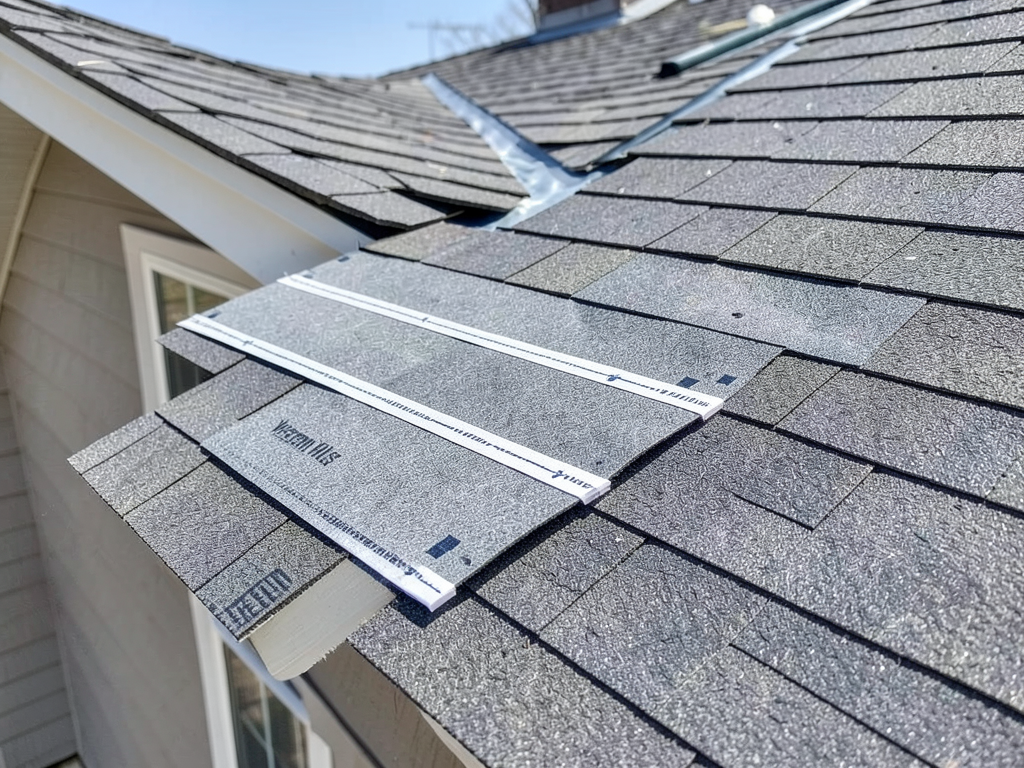
Why your Western Hills home needs high-wind starter shingles even if you aren't in a hurricane zone Your Western Hills…

Why your Western Hills home needs high-wind starter shingles even if you aren't in a hurricane zone

Why your Western Hills home needs high-wind starter shingles even if you aren't in a hurricane zone Your Western Hills…

Understanding the structural limits of your older Norwood roof before switching to heavy clay tiles

Understanding the structural limits of your older Norwood roof before switching to heavy clay tiles Norwood’s charming older homes built…

The best roofing colors for a Dutch Colonial home in the Gaslight District of Clifton

Choosing the Perfect Roof Color for Your Dutch Colonial Home in Clifton The gambrel roof of your Dutch Colonial home…

Contact Us

Every day you wait allows more water intrusion and structural decay. Call First Choice Roofing Cincinnati at (513) 223-5511 to schedule your inspection. We provide same-week availability and written damage reports within 24 hours.