
Understanding the structural limits of your older Norwood roof before switching to heavy clay tiles
Norwood’s charming older homes built between 1920 and 1960 often feature roof structures designed for lighter materials. Before considering clay tile installation on your Norwood property you need to understand the structural limitations these vintage roofs present.
Why Norwood’s older roofs need careful evaluation
The architectural character of Norwood neighborhoods like Kennedy Heights and Pleasant Ridge includes many homes with original wood shingle or asphalt roofs. These structures were engineered for materials weighing between 2 to 4 pounds per square foot. Clay tiles typically weigh 10 to 12 pounds per square foot creating a significant structural challenge.
Many Norwood homes sit on clay-rich soil that expands and contracts with moisture changes. This soil movement affects foundation stability which in turn impacts roof truss alignment over decades. A roof that appears straight from the ground may have subtle sagging that becomes critical when adding heavy clay tiles.
Local building considerations for Norwood properties
The Norwood building department references Ohio Building Code Section 1504.4 for roof covering installations. This code requires structural evaluation when changing to materials exceeding 4 pounds per square foot. Properties in the 45212 and 45213 zip codes often require additional permitting due to historical district regulations. Ohio Building Code Section 1504.4.
Local roofers report that Norwood’s older truss systems frequently use 2×4 rafters spaced 24 inches apart. This spacing works for standard asphalt shingles but may not support the concentrated loads from clay tiles without reinforcement.
Golden Nuggets about Norwood roofing
Norwood’s water table sits approximately 15 feet below grade in most areas. This relatively shallow depth means basements often experience minor moisture issues that can affect sill plate integrity over time. A compromised sill plate cannot adequately transfer roof loads to the foundation.
The area experiences an average of 42 inches of annual rainfall. This precipitation level combined with Norwood’s aging roof structures creates conditions where even small amounts of water infiltration can accelerate wood deterioration in attic spaces.
Many Norwood homes feature balloon framing construction where wall studs run continuously from foundation to roof. This design lacks the horizontal fire blocking found in modern platform framing making certain reinforcement methods more complex.
Diagnostic process for evaluating roof structure
Before installing clay tiles on your Norwood home follow this systematic evaluation process:
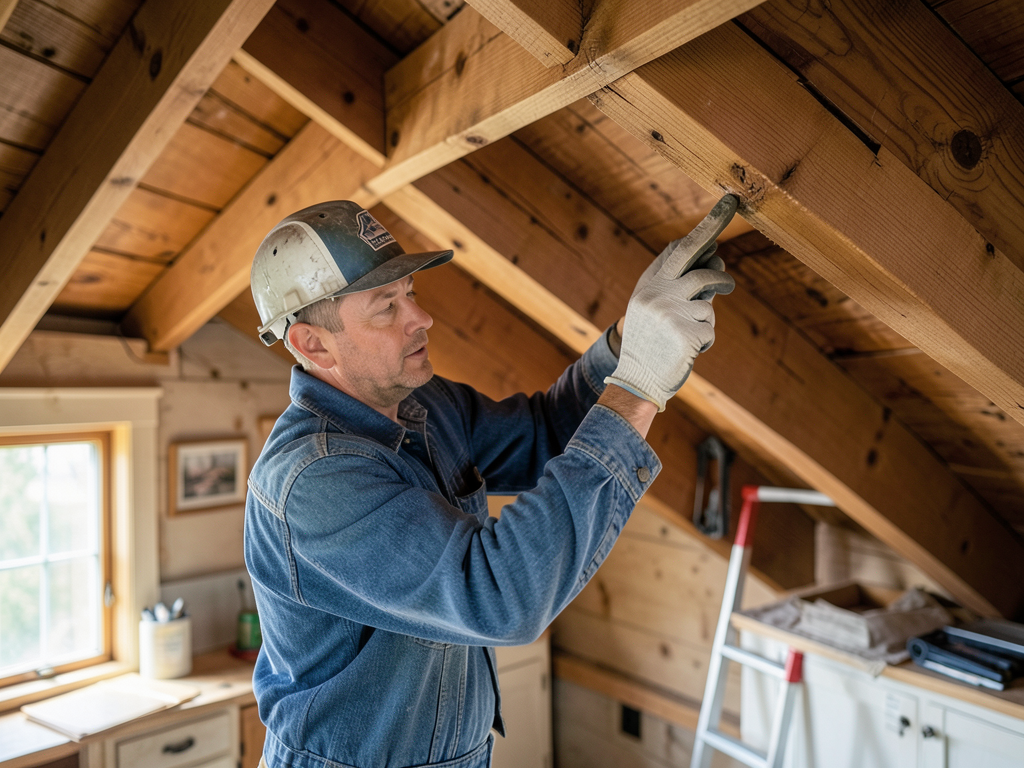
- Visual inspection from attic space checking for cracked or split rafters
- Measurement of existing rafter spacing and size
- Assessment of any previous structural modifications
- Examination of connection points between roof and walls
- Evaluation of current sheathing condition and thickness
During inspection listen for creaking sounds when walking on roof rafters. These noises often indicate wood stress or previous water damage. Feel for soft spots in wood members using a screwdriver tip. If the tool penetrates easily the wood has lost structural integrity.
Common structural issues found in Norwood homes
Roof inspections in the Norwood area frequently reveal several recurring problems:
- Splintered rafter tails from long-term moisture exposure
- Undersized collar ties that cannot handle additional downward forces
- Previous patchwork repairs using incompatible lumber sizes
- Attic ventilation issues causing premature wood decay
Homes near the former Crosley Square development often show signs of roof spreading where the top of exterior walls have bowed outward under long-term load stress. This condition becomes dangerous when adding heavy clay tiles. Signs You Need a New Roof.
Reinforcement options for clay tile installation
If your Norwood roof structure cannot support clay tiles directly several reinforcement methods exist:
Option 1: Sistering existing rafters
This involves attaching new lumber alongside existing rafters to increase load capacity. For a typical Norwood home this might mean adding 2×6 boards to existing 2×4 rafters creating a composite beam. City of Norwood official website.
Option 2: Installing support posts
Strategic placement of vertical support posts from attic floor to roof peak can transfer loads directly downward. This method works well in homes with open attic spaces but may interfere with finished areas.
Option 3: Upgrading roof decking
Replacing 1/2-inch plywood sheathing with 3/4-inch exterior grade plywood distributes tile loads more effectively across the roof structure.
Cost comparison of roofing materials for Norwood homes
| Material | Weight per sq ft | Typical Lifespan | Installation Cost |
|---|---|---|---|
| Asphalt shingles | 2.5 lbs | 20-25 years | $350-500 |
| Concrete tiles | 9-10 lbs | 30-50 years | $700-900 |
| Clay tiles | 10-12 lbs | 50-100 years | $800-1,200 |
| Metal roofing | 1.5 lbs | 40-70 years | $600-800 |
Why clay tiles might not be your best Norwood option
While clay tiles offer unmatched aesthetic appeal and longevity they create several practical challenges for Norwood homeowners:
The reinforcement costs often exceed the tile installation itself. A typical Norwood home requiring structural upgrades might see total project costs increase by 60-80% when switching to clay tiles.
Clay tiles require specialized installation techniques unfamiliar to many local roofers. This specialization can lead to longer project timelines and higher labor costs compared to more common materials.
The weight of clay tiles means your roof becomes a more significant structural element of your home. Any future remodeling affecting load-bearing walls must account for this increased roof weight.
Alternative solutions for Norwood homeowners
If clay tiles prove structurally or financially impractical consider these alternatives that provide similar aesthetics with less structural impact:
Concrete tiles with lightweight profiles
Modern concrete tiles can mimic clay appearance while weighing 15-20% less. Some manufacturers offer interlocking designs that distribute loads more effectively across the roof deck.
Composite synthetic tiles
These engineered products replicate clay tile appearance while weighing similar to asphalt shingles. They install using standard roofing techniques and cost significantly less than authentic clay. Is Metal Roofing Worth the Investment for Your Anderson Township Home?.
Metal roofing with clay tile profiles
Steel or aluminum panels formed to resemble clay tiles provide the visual impact with minimal structural requirements. These systems often include hidden fastening systems that prevent wind uplift issues common with traditional tiles.
Making your decision
The decision to install clay tiles on your Norwood home requires balancing several factors:
Structural capacity represents the primary concern. If your home cannot support the weight without extensive reinforcement the project may not be financially sensible.
Long-term plans matter significantly. If you plan to sell within five years the investment in clay tiles rarely provides full return. If you intend to stay for decades the longevity and aesthetic appeal may justify the expense.
Local climate conditions in Norwood create specific considerations. The freeze-thaw cycles common in Ohio can cause clay tiles to crack if not properly installed with adequate underlayment and ventilation.
Next steps for Norwood homeowners
Before proceeding with any heavy tile installation schedule a professional structural assessment. This evaluation should include:
- Attic inspection by a qualified contractor
- Review of original building plans if available
- Engineering calculations for proposed tile weight
- Permit requirements specific to your Norwood location
Many Norwood homeowners discover that upgrading to architectural asphalt shingles provides the desired aesthetic improvement without structural complications. These premium shingles offer dimensional profiles and color variations that closely resemble tile from street level.
Ready to evaluate your Norwood roof’s capacity for clay tiles? Call us at (513) 223-5511 to schedule a comprehensive structural assessment. Our team understands the unique challenges of Norwood’s older homes and can recommend the best roofing solution for your specific situation.. Read more about The best roofing colors for a Dutch Colonial home in the Gaslight District of Clifton.
Frequently asked questions
Can any Norwood home support clay tiles?
Most homes built before 1970 require some level of structural reinforcement. Only a professional assessment can determine if your specific home can support clay tiles without modification.
How much does structural reinforcement cost?
Reinforcement costs vary widely based on your home’s specific conditions. Simple rafter sistering might cost $3,000-5,000 while comprehensive structural upgrades could exceed $15,000.
Are permits required for clay tile installation in Norwood?
Yes. Norwood requires permits for any roof covering changes exceeding 4 pounds per square foot. Historical district properties may face additional requirements.
What signs indicate my roof needs reinforcement?
Look for sagging roof lines, cracked interior drywall at ceiling corners, or doors that no longer close properly. These symptoms suggest existing structural stress that will worsen with added weight. For more information, visit National Tile Roofing Manufacturers Association.
You may also find this helpful. Why high-end synthetic slate is a smarter long-term investment for Indian Hill estates.
{
“@context”: “https://schema.org”,
“@type”: “BlogPosting”,
“headline”: “Understanding the structural limits of your older Norwood roof before switching to heavy clay tiles”,
“description”: “Learn why Norwood’s older homes need structural assessment before clay tile installation. Discover local soil impacts and building codes.”,
“wordCount”: 1352,
“datePublished”: “2026-06-11T10:32:00.000Z”,
“dateModified”: “2026-06-11T10:32:00.000Z”,
“inLanguage”: “en-US”,
“mainEntityOfPage”: {
“@type”: “WebPage”,
“@id”: “https://firstchoiceroofingcincinnati.com”
},
“publisher”: {
“@type”: “LocalBusiness”,
“name”: “First Choice Roofing Cincinnati”,
“url”: “https://firstchoiceroofingcincinnati.com”
},
“author”: {
“@type”: “Organization”,
“name”: “First Choice Roofing Cincinnati”,
“url”: “https://firstchoiceroofingcincinnati.com”
},
“image”: {
“@type”: “ImageObject”,
“url”: “https://firstchoiceroofingcincinnati.com/wp-content/uploads/2026/03/understanding-the-structural-limits-of-your-older-1.png”
}
}
{
“@context”: “https://schema.org”,
“@type”: “RoofingContractor”,
“name”: “First Choice Roofing Cincinnati”,
“url”: “https://firstchoiceroofingcincinnati.com”,
“address”: {
“@type”: “PostalAddress”,
“addressLocality”: “Cincinnati”
},
“areaServed”: {
“@type”: “City”,
“name”: “Cincinnati”
}
}
{
“@context”: “https://schema.org”,
“@type”: “BreadcrumbList”,
“itemListElement”: [
{
“@type”: “ListItem”,
“position”: 1,
“name”: “Home”,
“item”: “https://firstchoiceroofingcincinnati.com”
},
{
“@type”: “ListItem”,
“position”: 2,
“name”: “Blog”,
“item”: “https://firstchoiceroofingcincinnati.com/blog”
},
{
“@type”: “ListItem”,
“position”: 3,
“name”: “Understanding the structural limits of your older Norwood roof before switching to heavy clay tiles”
}
]
}
{
“@context”: “https://schema.org”,
“@type”: “Service”,
“serviceType”: “Roofing”,
“provider”: {
“@type”: “LocalBusiness”,
“name”: “First Choice Roofing Cincinnati”,
“url”: “https://firstchoiceroofingcincinnati.com”
},
“areaServed”: {
“@type”: “City”,
“name”: “Cincinnati”
},
“description”: “Learn why Norwood’s older homes need structural assessment before clay tile installation. Discover local soil impacts and building codes.”
}