

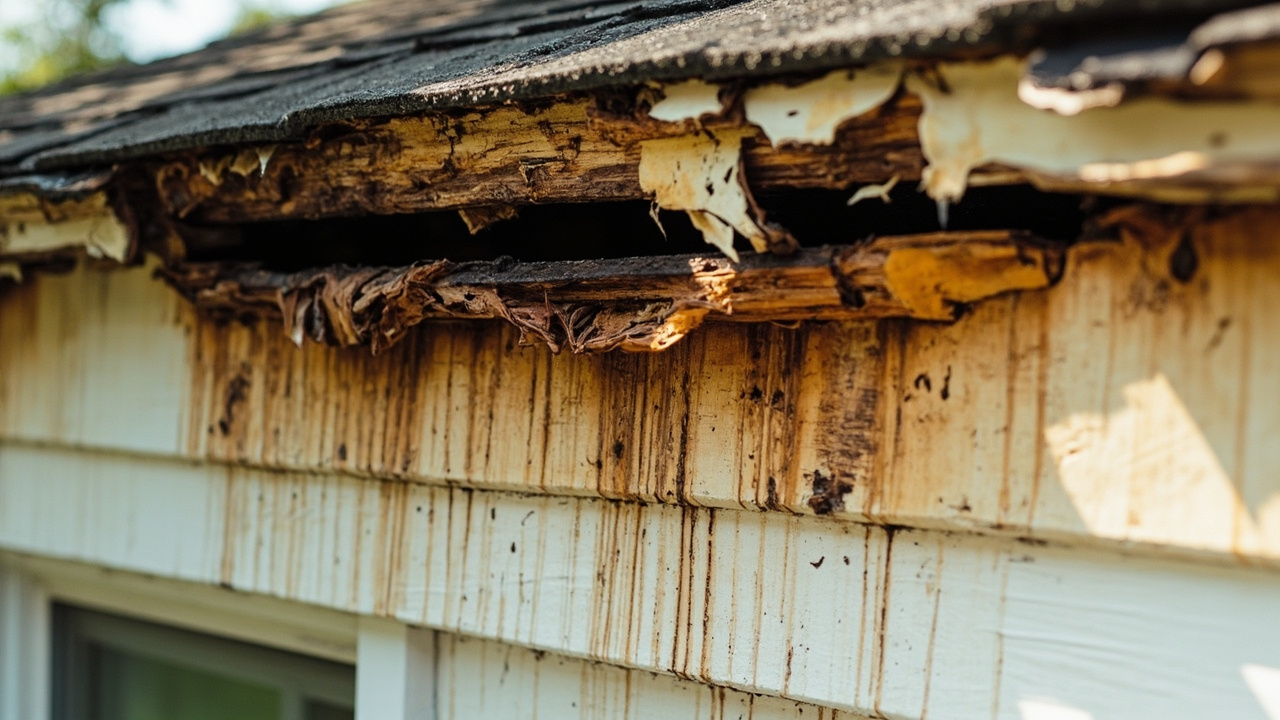
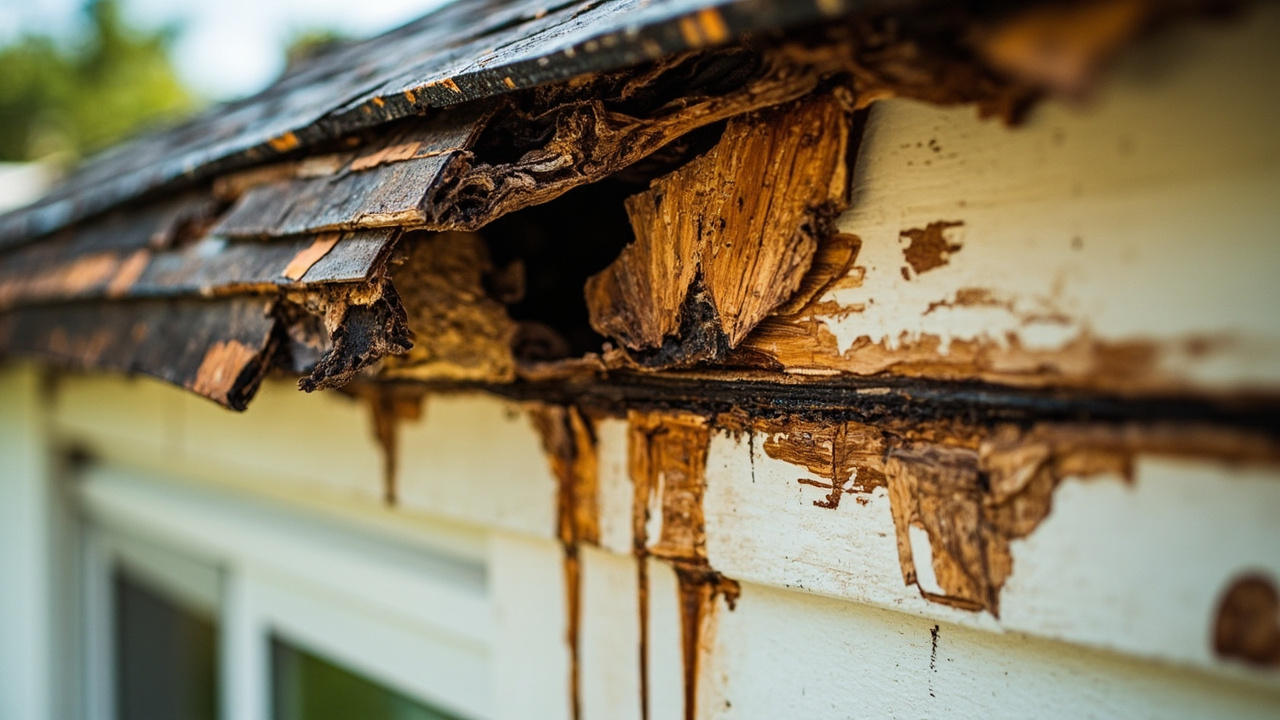
Cincinnati averages 42 inches of precipitation per year, with summer dew points that regularly hit 70 degrees. That moisture migrates into any unsealed wood surface. When temperatures drop below freezing in January and February, water trapped in the fascia expands and splits the wood fibers. By March, the fascia looks intact but has lost structural integrity. Homes near the Little Miami River or in low-lying neighborhoods like Columbia-Tusculum face even higher moisture exposure from fog and groundwater vapor. This cycle repeats every year, which is why fascia board rot progresses faster in Cincinnati than in drier climates.
First Choice Roofing Cincinnati has worked on hundreds of homes across Hamilton County. We know which neighborhoods have clay soil that holds moisture, which subdivisions use softer pine fascia that rots faster, and which historic districts require matching wood profiles for renovation permits. We also stay current on Hamilton County building code updates that affect flashing and ventilation requirements. When you hire a local crew, you get someone who understands how Cincinnati's weather interacts with your specific home and has the supplier relationships to source the right materials quickly.