
Choosing the Perfect Roof Color for Your Dutch Colonial Home in Clifton
The gambrel roof of your Dutch Colonial home is more than just a roof—it is the defining silhouette of your house. In Clifton’s Gaslight District where architectural integrity matters selecting the right roofing color requires balancing historical accuracy with Cincinnati’s humid climate and your personal style preferences. This guide walks you through the process of choosing a color that enhances your home’s character while standing up to Ohio’s weather patterns. Ohio Residential Code.
Understanding the Dutch Colonial Gambrel Roof
The gambrel roof’s distinctive two-slope design creates unique visual dynamics that affect color perception. The steeper lower slope and shallower upper slope create varying shadow patterns throughout the day making some colors appear dramatically different depending on the sun’s angle. This architectural feature means your roof color choice is not just about aesthetics—it is about how light and shadow interact with your home’s most prominent feature.
Before selecting a color consider your home’s existing elements. Dutch Colonials typically feature wood or brick siding in neutral tones often paired with white or cream trim. The roof should complement these elements while providing enough contrast to highlight the gambrel shape. In Clifton’s Gaslight District many homes maintain historical color schemes that reflect early 20th-century design principles.
Top Five Color Palettes for Cincinnati Dutch Colonials
Based on local architectural trends and material availability these five color families work exceptionally well for Dutch Colonial homes in the Cincinnati area. Each palette offers different benefits for curb appeal energy efficiency and historical authenticity. Cincinnati Historic Conservation Office.
Classic Charcoal and Slate Gray
Charcoal and deep slate gray remain the most popular choices for Dutch Colonials in Cincinnati’s historic districts. These colors provide excellent contrast against white or cream siding while maintaining a sophisticated timeless appearance. The deep tones help mask minor imperfections and create a strong visual anchor for the home’s profile. How to Get Your Cincinnati Roof Replaced After a Major Hail Storm.
In Cincinnati’s climate darker colors absorb more heat during winter months potentially reducing heating costs. However they also retain heat in summer which may slightly increase cooling demands. Modern architectural shingles with reflective granules can mitigate this effect while maintaining the desired aesthetic.
Weathered Wood and Earth Tones
Weathered wood shingles in brown and tan tones create a warm inviting appearance that complements Ohio’s natural landscape. These colors work particularly well with brick Dutch Colonials creating a cohesive look that blends with mature trees and landscaping common in Clifton’s older neighborhoods.
Earth tones tend to show less dirt and algae growth than lighter colors making them practical for Cincinnati’s humid climate. The variation in natural wood tones also helps conceal minor wear and tear extending the visual lifespan of your roof.
Deep Green and Bronze
Forest green and bronze tones offer historical accuracy for Dutch Colonials built in the early 1900s. These colors were popular during the Arts and Crafts movement and remain appropriate for homes in Clifton’s Gaslight District. The rich saturated tones create a distinctive appearance that sets your home apart from neighboring properties.
Green roofs work particularly well with white or cream siding and black shutters creating a classic American look. The darker tones also help conceal algae growth common in Cincinnati’s humid summers reducing maintenance concerns.
Cool Gray and Silver
Light to medium gray tones offer a contemporary twist on traditional Dutch Colonial design. These colors work well with modern updates while maintaining historical proportions. Silver-gray shingles can make your home appear larger and more contemporary without sacrificing architectural integrity.
Light gray colors reflect more sunlight than darker options potentially reducing cooling costs during Cincinnati’s hot summers. This energy efficiency benefit makes them increasingly popular among homeowners looking to balance aesthetics with practical considerations.
Black and Midnight Blue
Black shingles provide the most dramatic contrast against light-colored siding creating a bold statement that emphasizes the gambrel roof’s distinctive shape. Midnight blue offers similar contrast with a slightly softer appearance that works well in tree-lined neighborhoods.
These dark colors absorb the most heat which can be beneficial in winter but may increase cooling costs in summer. However they are excellent at concealing dirt algae and minor imperfections making them low-maintenance options for busy homeowners.
Material Selection: How Texture Affects Color Perception
The material you choose significantly impacts how your selected color appears on your roof. Different materials reflect and absorb light differently creating variations in color appearance that can surprise homeowners who select based solely on color samples.
Architectural asphalt shingles the most common choice for Dutch Colonials in Cincinnati feature multiple layers and dimensional profiles that create shadow lines. These shadows make solid colors appear more complex and textured. A charcoal shingle from GAF Timberline HDZ will look noticeably different from a flat three-tab shingle in the same color due to the dimensional variation. GAF Timberline HDZ shingles.
Synthetic slate and composite materials offer another option for Dutch Colonials seeking a more premium appearance. These materials often feature more consistent coloring and sharper definition of the gambrel roof’s angles. However they come with higher price points and may require additional structural support for the gambrel’s steep lower slope.
Wood shake shingles provide authentic historical appearance but require significant maintenance in Cincinnati’s humid climate. The natural variation in wood tones creates a unique evolving appearance that many homeowners find appealing. However wood requires regular treatment and may not be permitted in all historic districts.
Cincinnati Climate Considerations for Roof Color Selection
Cincinnati’s climate creates specific challenges for roof color selection that go beyond simple aesthetics. The Ohio River Valley’s high humidity levels significant temperature swings and frequent severe weather events all influence which colors and materials perform best over time.
Humidity and algae growth represent the primary concern for light-colored roofs in Cincinnati. Areas with high moisture levels often develop black streaks from algae growth particularly on north-facing slopes that receive less direct sunlight. Darker colors naturally conceal this growth while lighter colors may require algae-resistant shingles with copper or zinc granules.
Freeze-thaw cycles common in Cincinnati winters can cause roofing materials to expand and contract potentially leading to cracking or splitting in extreme cases. Darker colors absorb more heat during sunny winter days causing more dramatic temperature swings that may accelerate this process. Lighter colors maintain more consistent temperatures potentially extending material lifespan. Is Metal Roofing Worth the Investment for Your Anderson Township Home?.
Severe thunderstorms and high winds common to the Ohio Valley can damage roofing materials particularly on the exposed upper slope of gambrel roofs. Darker colors tend to show damage more readily than lighter options making regular inspection important regardless of your color choice.
Energy Efficiency and Roof Color: The Cincinnati Perspective
Your roof color choice affects your home’s energy efficiency particularly during Cincinnati’s hot humid summers. The Solar Reflectance Index (SRI) measures a material’s ability to reject solar heat with higher numbers indicating better performance. Light-colored roofs typically have higher SRI values reflecting more heat away from your home.
For Cincinnati homeowners this means lighter roof colors can reduce cooling costs by 10-15% during peak summer months. However this benefit must be weighed against the potential for increased heating costs during winter months when darker colors would absorb more heat. The net effect depends on your home’s insulation quality and local energy rates.
Modern cool roof technologies allow homeowners to enjoy dark colors while maintaining good energy performance. These shingles feature reflective granules that bounce infrared radiation away from your home while maintaining the desired aesthetic. This technology makes it possible to choose historically appropriate dark colors without sacrificing energy efficiency.
Historical District Guidelines in Clifton’s Gaslight District
Clifton’s Gaslight District falls under Cincinnati’s Historic Conservation guidelines which may restrict certain roofing modifications. Before selecting your roof color consult with the Cincinnati Historic Conservation Office to ensure your choices comply with local regulations.
Generally the district encourages historically appropriate colors and materials that maintain the neighborhood’s architectural character. This typically means avoiding extremely bright or unconventional colors that would disrupt the visual harmony of the area. However within these guidelines there is considerable flexibility for personal expression through shade selection and material choice.
The district’s guidelines also address material choices often preferring materials that match the home’s original construction period. For Dutch Colonials built in the early 1900s this might mean favoring architectural asphalt shingles that mimic historical wood or slate rather than modern synthetic materials that appear too contemporary.
Coordinating Roof Color with Siding and Shutters
Your roof does not exist in isolation—it must coordinate with your home’s other exterior elements to create a cohesive appearance. For Dutch Colonials in Clifton this coordination often follows traditional color theory principles that have proven effective over decades.
White or cream siding provides the most versatile backdrop for roof color selection. This neutral base allows virtually any roof color to work effectively from classic charcoal to bold black. The high contrast between light siding and dark roof creates the dramatic appearance many Dutch Colonial owners desire.
Brick siding requires more careful color coordination. Earth tones and muted colors typically work best with brick as they complement the natural variations in the masonry. Avoid colors that clash with your brick’s dominant tones—for example a green roof might not work well with orange-toned brick.
Shutter color provides another opportunity to tie your exterior color scheme together. Traditional Dutch Colonials often feature black or dark green shutters which work well with most roof colors. However you might consider painting your shutters to complement your new roof color for a more integrated appearance.
Local Project Gallery: Dutch Colonial Roof Transformations
Understanding how different colors look on actual Dutch Colonial homes in Clifton can help you visualize your options. Here are examples of successful roof color choices from local projects:
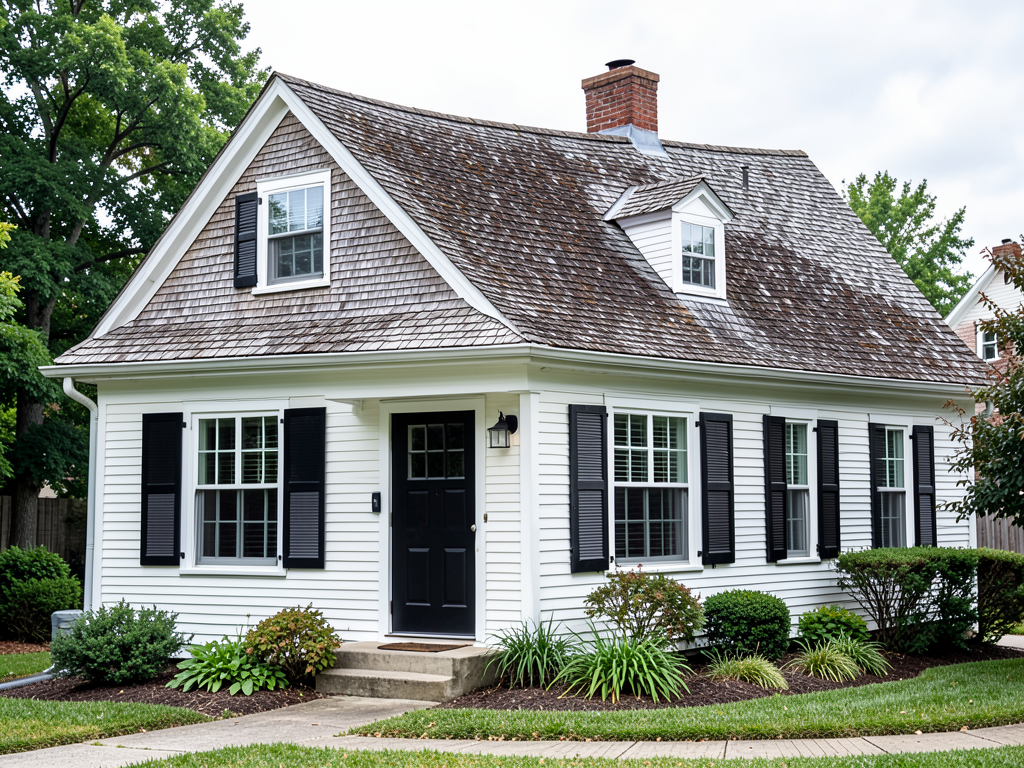
– Before and after photos showing a Clifton Dutch Colonial with weathered wood shingles replacing faded black asphalt. The warm tones complement the home’s brick foundation and create a more inviting appearance while maintaining historical character.
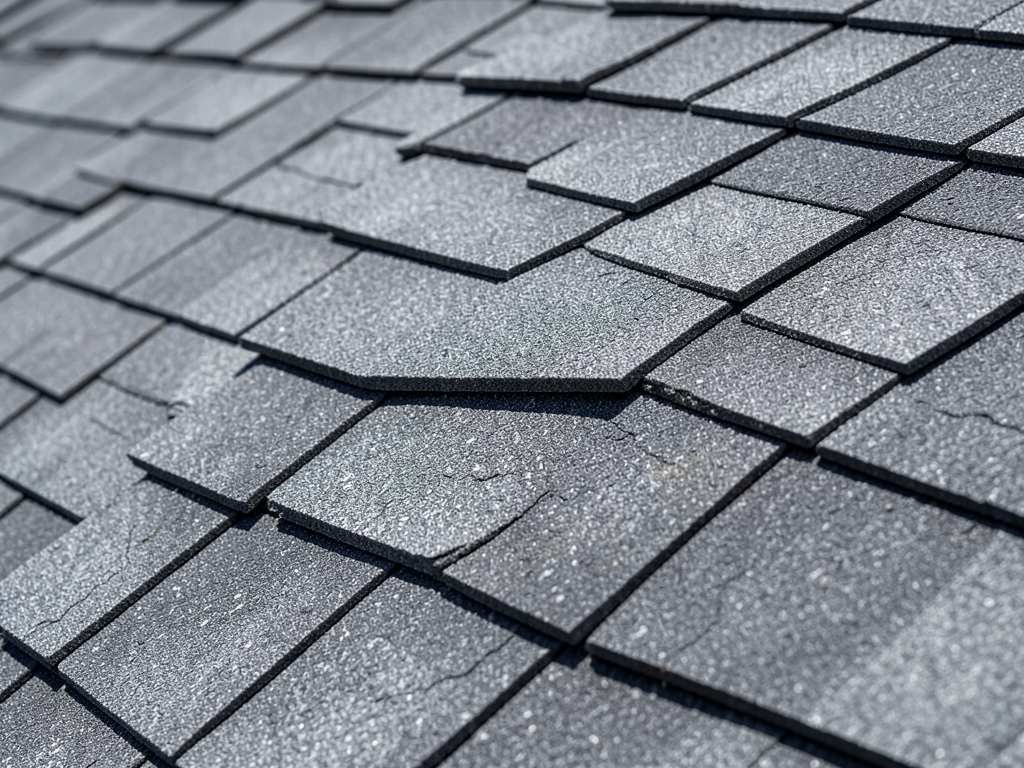
– A Gaslight District home featuring charcoal architectural shingles that provide excellent contrast with white siding and black shutters. The dimensional profile enhances the gambrel roof’s distinctive shape.
– A contemporary take on a Dutch Colonial with silver-gray shingles that modernize the appearance while respecting the home’s architectural proportions. The lighter color reflects more heat reducing cooling costs during Cincinnati’s humid summers.
Professional Installation Considerations
The gambrel roof’s complex geometry requires experienced installation to ensure proper water shedding and ventilation. The steep lower slope and transition to the upper slope create potential leak points that inexperienced installers might miss.
Proper underlayment becomes especially important for gambrel roofs due to the varying roof pitches. Ice and water shield should extend at least 24 inches past the interior wall line in Cincinnati per Ohio Residential Code requirements. This extra protection prevents ice dam formation during winter months.
Ventilation also requires special attention on gambrel roofs. The complex attic spaces created by the two different slopes need adequate airflow to prevent moisture buildup and extend shingle life. Ridge vents combined with soffit vents typically provide the best ventilation for this roof style.
Maintenance Requirements by Color Choice
Your roof color selection affects not just appearance but also maintenance requirements over time. Different colors show dirt algae and wear differently impacting how often you will need professional cleaning or replacement.
Light-colored roofs show dirt and debris more readily than dark options potentially requiring more frequent cleaning to maintain their appearance. However they also show algae growth less dramatically than medium tones which can develop uneven discoloration patterns over time.
Dark colors generally hide dirt and debris well but may show chalk lines from manufacturer’s printing or scuff marks from installation more prominently. They also absorb more heat which can accelerate the aging of roofing materials in areas with direct sun exposure.
Medium earth tones often provide the best balance between appearance and maintenance showing dirt minimally while avoiding the algae growth patterns that plague very light colors in Cincinnati’s humid climate.
Cost Considerations for Different Color Options
Roof color itself does not significantly impact material cost—the price difference between a charcoal shingle and a weathered wood shingle of the same quality is typically minimal. However your color choice may influence other cost factors you should consider.
Premium color options or specialized reflective coatings may add 5-10% to material costs. These options often provide energy efficiency benefits that offset the initial price difference over time through reduced utility bills.
Extremely dark colors may require additional underlayment or ventilation to prevent heat buildup in the attic space potentially increasing installation costs. Similarly very light colors might benefit from algae-resistant technology adding a modest premium to material expenses.
Historical district requirements may mandate specific materials or installation methods that increase overall project costs. Always verify requirements before finalizing your color and material selection to avoid unexpected expenses.
Making Your Final Decision
Selecting your Dutch Colonial’s roof color involves balancing multiple factors: historical accuracy energy efficiency maintenance requirements and personal preference. Start by narrowing your options to colors that work with your home’s existing elements and comply with local guidelines.
Consider creating physical samples using actual shingle pieces to see how different colors look on your specific home. Lighting conditions in Clifton vary throughout the day and seasons and colors can appear dramatically different under various conditions.
Consult with local roofing professionals who understand Cincinnati’s climate and historic district requirements. They can provide insights about how different colors perform locally and recommend materials that balance aesthetics with durability.
Remember that your roof represents a significant investment that will impact your home’s appearance for 20-30 years. Take time to make an informed decision rather than rushing to choose based on current trends or sales pressure.
Ready to Transform Your Dutch Colonial’s Appearance?
Selecting the perfect roof color for your Dutch Colonial home in Clifton’s Gaslight District requires expertise in both historical architecture and modern roofing technology. Our team understands the unique challenges of gambrel roof installation and can help you choose colors that enhance your home’s character while providing lasting protection.
Call (513) 223-5511 today to schedule your consultation. We will assess your home’s specific needs discuss color options that comply with historic district guidelines and provide a detailed proposal for your roofing project. Do not wait until minor issues become major problems—let us protect your investment with the perfect roof color for your Dutch Colonial home.
Frequently Asked Questions
What roof colors are historically accurate for Dutch Colonial homes?
Historically Dutch Colonial homes featured natural wood shakes in weathered brown tones slate in gray and green shades and later asphalt shingles in muted earth tones. In Cincinnati’s historic districts charcoal slate gray and weathered wood remain the most historically appropriate choices that comply with preservation guidelines.
How does Cincinnati’s climate affect roof color longevity?
Cincinnati’s high humidity promotes algae growth particularly on north-facing slopes and light-colored roofs. Darker colors and algae-resistant shingles with copper or zinc granules perform better in this climate. The freeze-thaw cycles common in winter can also cause more expansion and contraction in darker colors potentially affecting material longevity.
Will a lighter roof color reduce my energy bills?
Yes lighter roof colors reflect more solar radiation potentially reducing cooling costs by 10-15% during Cincinnati’s hot summers. However this benefit may be offset by increased heating costs in winter. Modern cool roof technologies allow you to enjoy dark colors while maintaining good energy performance through reflective granules.
Do I need approval from the historic district for my roof color?
Changes to your roof in Clifton’s Gaslight District typically require review by the Cincinnati Historic Conservation Office. While they generally encourage historically appropriate colors they may have specific guidelines about materials and color palettes. Always consult with them before making final decisions to ensure compliance.
How long does a roof color selection process take?
Most homeowners spend 2-4 weeks researching options and making final decisions. This includes time for consulting with roofing professionals obtaining historic district approval if needed and selecting materials. Starting your planning process early ensures you will not feel rushed into decisions that you might later regret.
- Assess Your Home’s Current Elements
Document your home’s siding color brick tones and existing trim to understand what colors will coordinate well.
- Research Historical Accuracy
Look at other Dutch Colonials in Clifton’s Gaslight District to understand historically appropriate color schemes.
- Consider Energy Efficiency
Evaluate how different colors affect your home’s energy performance in Cincinnati’s climate.
- Check Historic District Guidelines
Consult Cincinnati’s Historic Conservation Office about any restrictions or requirements.
- Get Professional Samples
Request physical shingle samples to see how colors look on your specific home in different lighting conditions.
{
“@context”: “https://schema.org”,
“@type”: “BlogPosting”,
“headline”: “The best roofing colors for a Dutch Colonial home in the Gaslight District of Clifton”,
“description”: “Discover the perfect roofing colors for your Dutch Colonial home in Clifton’s Gaslight District. Learn about historical accuracy, energy efficiency, and Cincinnati’s climate considerations.”,
“wordCount”: 2784,
“datePublished”: “2026-06-10T07:20:00.000Z”,
“dateModified”: “2026-06-10T07:20:00.000Z”,
“inLanguage”: “en-US”,
“mainEntityOfPage”: {
“@type”: “WebPage”,
“@id”: “https://firstchoiceroofingcincinnati.com”
},
“publisher”: {
“@type”: “LocalBusiness”,
“name”: “First Choice Roofing Cincinnati”,
“url”: “https://firstchoiceroofingcincinnati.com”
},
“author”: {
“@type”: “Organization”,
“name”: “First Choice Roofing Cincinnati”,
“url”: “https://firstchoiceroofingcincinnati.com”
},
“image”: {
“@type”: “ImageObject”,
“url”: “https://firstchoiceroofingcincinnati.com/wp-content/uploads/2026/03/the-best-roofing-colors-for-a-dutch-colonial-home-1.png”
}
}
{
“@context”: “https://schema.org”,
“@type”: “RoofingContractor”,
“name”: “First Choice Roofing Cincinnati”,
“url”: “https://firstchoiceroofingcincinnati.com”,
“address”: {
“@type”: “PostalAddress”,
“addressLocality”: “Cincinnati”
},
“areaServed”: {
“@type”: “City”,
“name”: “Cincinnati”
}
}
{
“@context”: “https://schema.org”,
“@type”: “FAQPage”,
“mainEntity”: [
{
“@type”: “Question”,
“name”: “Ready to Transform Your Dutch Colonial’s Appearance?”,
“acceptedAnswer”: {
“@type”: “Answer”,
“text”: “Selecting the perfect roof color for your Dutch Colonial home in Clifton’s Gaslight District requires expertise in both historical architecture and modern roofing technology. Our team understands the unique challenges of gambrel roof installation and can help you choose colors that enhance your home’s character while providing lasting protection.”
}
},
{
“@type”: “Question”,
“name”: “What roof colors are historically accurate for Dutch Colonial homes?”,
“acceptedAnswer”: {
“@type”: “Answer”,
“text”: “Historically Dutch Colonial homes featured natural wood shakes in weathered brown tones slate in gray and green shades and later asphalt shingles in muted earth tones. In Cincinnati’s historic districts charcoal slate gray and weathered wood remain the most historically appropriate choices that comply with preservation guidelines.”
}
},
{
“@type”: “Question”,
“name”: “How does Cincinnati’s climate affect roof color longevity?”,
“acceptedAnswer”: {
“@type”: “Answer”,
“text”: “Cincinnati’s high humidity promotes algae growth particularly on north-facing slopes and light-colored roofs. Darker colors and algae-resistant shingles with copper or zinc granules perform better in this climate. The freeze-thaw cycles common in winter can also cause more expansion and contraction in darker colors potentially affecting material longevity.”
}
},
{
“@type”: “Question”,
“name”: “Will a lighter roof color reduce my energy bills?”,
“acceptedAnswer”: {
“@type”: “Answer”,
“text”: “Yes lighter roof colors reflect more solar radiation potentially reducing cooling costs by 10-15% during Cincinnati’s hot summers. However this benefit may be offset by increased heating costs in winter. Modern cool roof technologies allow you to enjoy dark colors while maintaining good energy performance through reflective granules.”
}
},
{
“@type”: “Question”,
“name”: “Do I need approval from the historic district for my roof color?”,
“acceptedAnswer”: {
“@type”: “Answer”,
“text”: “Changes to your roof in Clifton’s Gaslight District typically require review by the Cincinnati Historic Conservation Office. While they generally encourage historically appropriate colors they may have specific guidelines about materials and color palettes. Always consult with them before making final decisions to ensure compliance.”
}
},
{
“@type”: “Question”,
“name”: “How long does a roof color selection process take?”,
“acceptedAnswer”: {
“@type”: “Answer”,
“text”: “Most homeowners spend 2-4 weeks researching options and making final decisions. This includes time for consulting with roofing professionals obtaining historic district approval if needed and selecting materials. Starting your planning process early ensures you will not feel rushed into decisions that you might later regret.”
}
}
]
}
{
“@context”: “https://schema.org”,
“@type”: “HowTo”,
“name”: “How to Choose Your Dutch Colonial Roof Color”,
“step”: [
{
“@type”: “HowToStep”,
“position”: 1,
“name”: “Assess Your Home’s Current Elements”,
“text”: “Document your home’s siding color brick tones and existing trim to understand what colors will coordinate well.”
},
{
“@type”: “HowToStep”,
“position”: 2,
“name”: “Research Historical Accuracy”,
“text”: “Look at other Dutch Colonials in Clifton’s Gaslight District to understand historically appropriate color schemes.”
},
{
“@type”: “HowToStep”,
“position”: 3,
“name”: “Consider Energy Efficiency”,
“text”: “Evaluate how different colors affect your home’s energy performance in Cincinnati’s climate.”
},
{
“@type”: “HowToStep”,
“position”: 4,
“name”: “Check Historic District Guidelines”,
“text”: “Consult Cincinnati’s Historic Conservation Office about any restrictions or requirements.”
},
{
“@type”: “HowToStep”,
“position”: 5,
“name”: “Get Professional Samples”,
“text”: “Request physical shingle samples to see how colors look on your specific home in different lighting conditions.”
}
],
“image”: “https://firstchoiceroofingcincinnati.com/wp-content/uploads/2026/03/the-best-roofing-colors-for-a-dutch-colonial-home-1.png”
}
{
“@context”: “https://schema.org”,
“@type”: “BreadcrumbList”,
“itemListElement”: [
{
“@type”: “ListItem”,
“position”: 1,
“name”: “Home”,
“item”: “https://firstchoiceroofingcincinnati.com”
},
{
“@type”: “ListItem”,
“position”: 2,
“name”: “Blog”,
“item”: “https://firstchoiceroofingcincinnati.com/blog”
},
{
“@type”: “ListItem”,
“position”: 3,
“name”: “The best roofing colors for a Dutch Colonial home in the Gaslight District of Clifton”
}
]
}
{
“@context”: “https://schema.org”,
“@type”: “Service”,
“serviceType”: “Roofing”,
“provider”: {
“@type”: “LocalBusiness”,
“name”: “First Choice Roofing Cincinnati”,
“url”: “https://firstchoiceroofingcincinnati.com”
},
“areaServed”: {
“@type”: “City”,
“name”: “Cincinnati”
},
“description”: “Discover the perfect roofing colors for your Dutch Colonial home in Clifton’s Gaslight District. Learn about historical accuracy, energy efficiency, and Cincinnati’s climate considerations.”
}