


Menu

Understanding Roof Warranties in Cincinnati – Know Your Coverage Before You Need It

Get clarity on roofing warranty coverage explained, from manufacturer defects to workmanship guarantees, so you can protect your investment and avoid costly surprises when problems appear.

Slider Image 1
Slider Image 2
Slider Image 3
Slider Image 4
Slider Image 5
Slider Image 7
Slider Image 8
Slider Image 9
Slider Image 10
Slider Image 11

Why Cincinnati Homeowners Struggle to Understand Their Roof Coverage

You paid for a warranty. You expected protection. Then a leak appears three years after installation, and you discover your warranty does not cover the specific failure causing water damage in your living room.

Cincinnati's weather creates unique warranty challenges. Freeze-thaw cycles crack shingles. High humidity accelerates granule loss. Wind from Ohio River valley storms tears up flashing. These regional stressors trigger failures that fall into warranty gray zones.

Most homeowners receive two separate warranties when they get a new roof. The manufacturer warranty covers material defects like premature shingle deterioration. The workmanship warranty from your contractor covers installation errors like improper nailing or inadequate underlayment. The problem is these warranties have different terms, different exclusions, and different claim processes.

Types of roofing warranties range from limited lifetime coverage on premium architectural shingles to basic ten-year protection on three-tab products. How roof warranties work depends on what failed, when it failed, and whether you maintained proper documentation. A roofing warranty guide helps you understand which warranty applies to your specific situation.

The confusion multiplies when you need to file a claim. Did wind damage your shingles, or did the shingles fail because of a manufacturing defect? The answer determines whether you contact the manufacturer or your installer. Getting this wrong delays repairs and can void your coverage entirely.

Cincinnati homeowners who do not understand their roofing guarantee details before a problem occurs waste time, money, and patience when damage appears.

Why Cincinnati Homeowners Struggle to Understand Their Roof Coverage
How Roof Warranty Coverage Actually Protects Your Investment

How Roof Warranty Coverage Actually Protects Your Investment

Roof warranty coverage explained means breaking down three distinct protection layers.

Material warranties cover manufacturing defects. If your shingles crack prematurely due to poor asphalt saturation or defective sealant strips, the manufacturer replaces the defective materials. Premium warranties include algae resistance guarantees, which matter in Cincinnati's humid climate where black streaks appear on north-facing slopes. These warranties transfer to new homeowners if you sell, but only if you complete the manufacturer's transfer process within a specific window.

Workmanship warranties cover installation errors. If your contractor used incorrect nail length, missed proper shingle overlap, or installed inadequate ice and water shield, the resulting leaks fall under workmanship coverage. Quality contractors offer ten-year labor warranties minimum. This coverage does not transfer when you sell unless explicitly stated in your contract.

System warranties from manufacturers like GAF or CertainTeed cover your entire roof assembly when you use their complete product line. These warranties include deck protection, meaning the manufacturer pays for interior damage if a covered failure causes leaks. You must use certified installers to qualify. The coverage period ranges from ten to fifty years depending on the product tier.

The key distinction is who pays for what. Material warranties cover replacement shingles but rarely cover labor to remove and reinstall them. Workmanship warranties cover labor but not materials if the product itself failed. Understanding this split saves you from surprise bills when you file a claim.

First Choice Roofing Cincinnati explains both warranties in plain language during your estimate, so you know exactly what protection you are buying before we install the first shingle.

Your Roadmap to Decoding Roof Warranty Protection

Understanding Roof Warranties in Cincinnati – Know Your Coverage Before You Need It
01

Document Everything Upfront

Request written copies of both manufacturer and contractor warranties before installation begins. Verify the warranty terms match what your estimate promised. Photograph the warranty certificates and store digital copies in cloud storage. Register manufacturer warranties online within the required timeframe, usually 60 days after installation. Missing this deadline can reduce your coverage from lifetime to standard terms, cutting decades off your protection period.
02

Understand Your Exclusions

Read the exclusions section carefully. Most warranties exclude wind damage, hail damage, ice dams, and damage from walking on the roof. They exclude failures caused by inadequate ventilation, structural movement, or modifications by other contractors. If you add solar panels or satellite dishes later, you can void workmanship warranties unless the original installer performs the penetrations. Algae and moss growth exclusions matter in Cincinnati's humid microclimate, especially in shaded areas near trees.
03

Maintain Proof of Compliance

Warranties require regular maintenance and proper attic ventilation. Schedule annual inspections and keep dated service reports. Clean gutters twice yearly and document it with photos. If you hire someone to repair storm damage, use the original installer when possible to avoid voiding workmanship coverage. When you sell your home, complete manufacturer warranty transfers in writing. Provide buyers with all warranty documentation, inspection reports, and proof of maintenance to preserve their coverage.

Why Cincinnati Homeowners Trust Local Expertise for Warranty Guidance

National chains hand you generic warranty paperwork and disappear. You need a local contractor who will still answer the phone in five years when you have questions about coverage.

First Choice Roofing Cincinnati maintains relationships with major manufacturers, which matters when you need to file a claim. We know which regional representatives handle Cincinnati warranty claims. We understand local building code requirements that affect warranty validity. Cincinnati requires specific wind resistance ratings in exposed areas near the river. Using products that do not meet these codes can void your warranty if an inspector flags the violation.

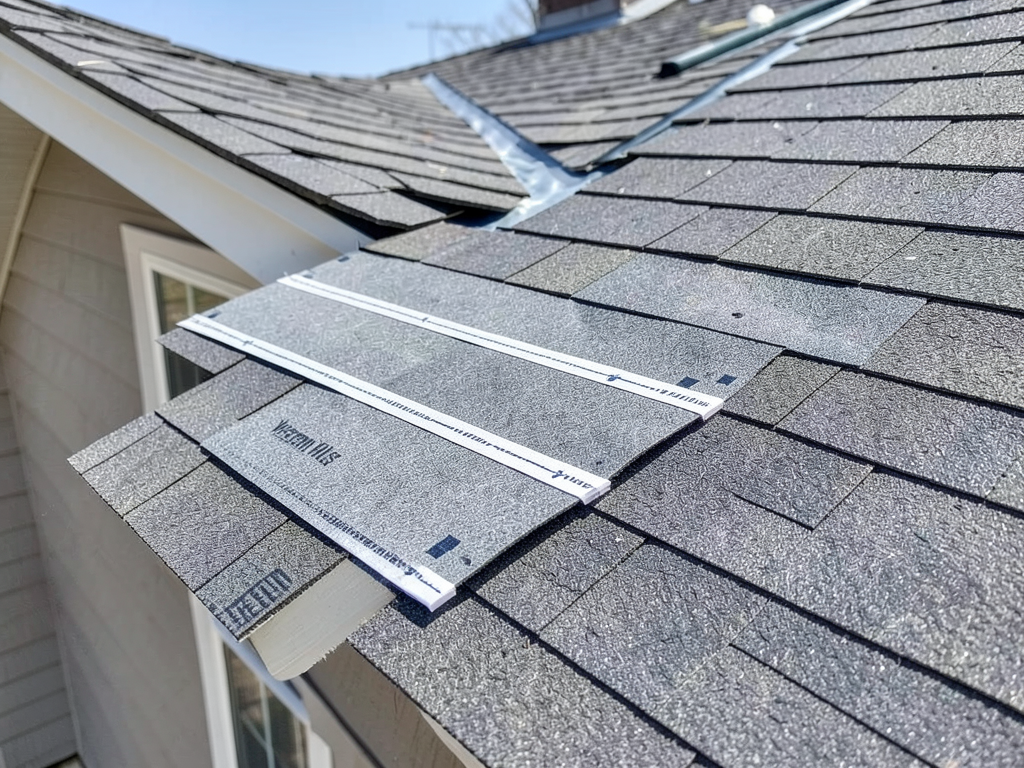
We have processed warranty claims for failures specific to this region. When freeze-thaw cycles crack ridge cap shingles on steep-slope roofs in Mount Adams, we know whether that falls under material defect or normal wear. When high winds from valley storms tear up starter strips in exposed neighborhoods like Price Hill, we document the damage properly for manufacturer review.

Our workmanship warranty includes clear response timeframes. If you report a leak covered by our labor guarantee, we schedule a service visit within 48 hours. We do not charge trip fees for warranty inspections. We explain in plain language whether the problem falls under our coverage, manufacturer coverage, or neither before we start any repair work.

We also help you understand how modifications affect coverage. Planning to add solar panels? We will explain how to preserve your roof warranty during installation. Need to replace HVAC equipment that requires roof penetrations? We coordinate with mechanical contractors to maintain warranty compliance.

Local expertise means you get honest answers about warranty limitations. If wind damage exceeds warranty coverage, we help you file an insurance claim instead of wasting time pursuing a warranty claim that will get denied.

What Your Warranty Actually Covers When Problems Appear

Coverage Timeframes and Diminishing Protection

Most manufacturer warranties use prorated coverage after an initial full-coverage period. You might have ten years of full replacement, then the coverage drops by a percentage each year. By year 20, you might only receive 40 percent of material costs. Labor is rarely covered after the first few years. Workmanship warranties from quality contractors typically run ten years with full coverage throughout that period. Understanding these timelines helps you budget for future repairs. If a failure occurs during the prorated period, you will pay the difference between full replacement cost and the depreciated warranty value.

The Inspection and Documentation Process

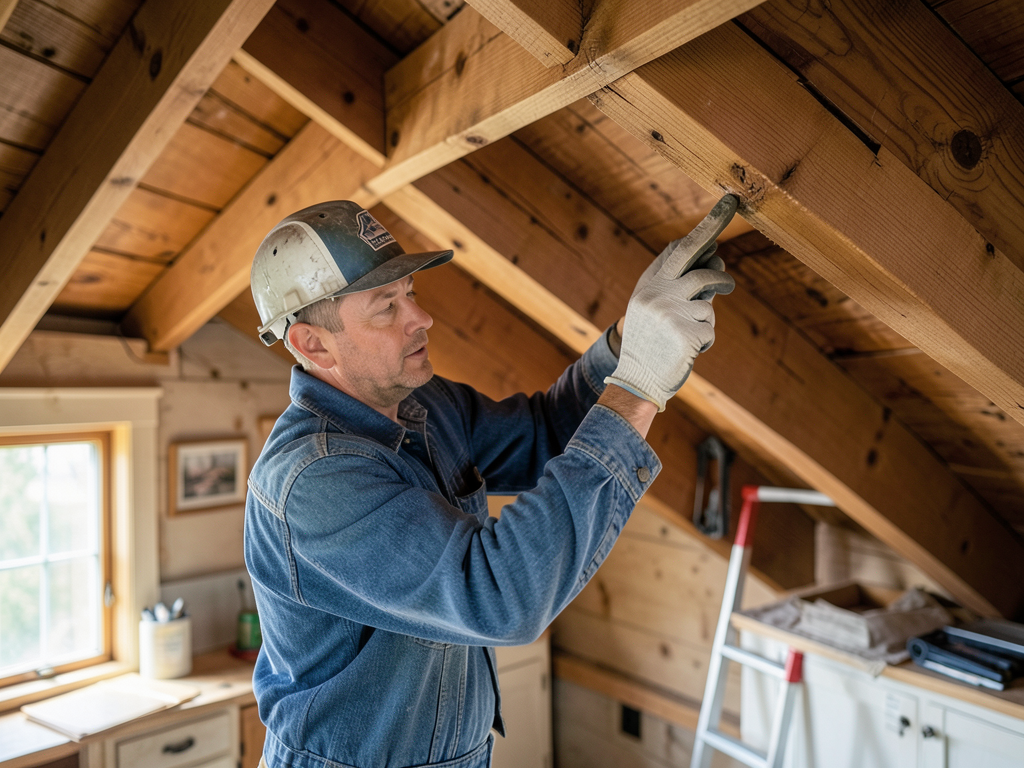
When you suspect warranty-covered damage, document everything before calling for service. Photograph the affected area from multiple angles. Note when you first noticed the problem. Check your attic for water stains or moisture. If you have ongoing leaks, place containers to catch water and photograph the active leak if safe. When we inspect warranty claims, we look for evidence that supports either material defect or installation error. We take detailed photos, measure affected areas, and review original installation photos if available. For manufacturer claims, we often need to submit physical samples of failed materials for laboratory analysis.

What Gets Approved and What Gets Denied

Manufacturer warranties approve claims for premature granule loss, defective sealant strips, cracking from manufacturing flaws, and discoloration from asphalt bleed-through. They deny claims for storm damage, wear from foot traffic, damage from debris impact, and failures caused by inadequate ventilation or structural issues. Workmanship warranties cover leaks from improper flashing installation, insufficient underlayment, incorrect nailing patterns, and valley installation errors. They exclude damage from events beyond installer control like falling tree limbs or ice dams. Clear documentation and proper diagnosis determine approval rates.

Post-Repair Protection and Ongoing Maintenance

Warranty repairs come with continuation of the original coverage period. If we replace defective shingles in year five of a 50-year warranty, the new shingles carry the remaining 45 years of coverage. Keep dated records of all warranty repairs. Some warranties require annual maintenance inspections to remain valid. We offer maintenance plans that include documentation services, ensuring you have proof of compliance if you need to file future claims. After warranty work, we provide before and after photos, material batch numbers for replacements, and updated warranty documentation for your records.

Frequently Asked Questions

You Have Questions,
We Have Answers

How Cincinnati's Humidity and Temperature Swings Trigger Warranty Claims

Cincinnati's climate sits in a warranty pressure zone. Summer humidity above 70 percent accelerates shingle aging, causing premature granule loss that blurs the line between normal wear and material defect. Winter freeze-thaw cycles stress sealant strips, leading to wind blow-offs that manufacturers attribute to installation error while contractors point to material failure. Spring storms with straight-line winds exceeding 60 mph cause damage that looks identical to sealant defects. These overlapping failure modes make warranty determination more complex than in stable climates. Understanding roof warranties in this region means recognizing how local weather patterns create ambiguous damage that requires expert analysis to categorize correctly.

First Choice Roofing Cincinnati knows how local code enforcement affects warranty validity. Hamilton County requires specific underlayment standards for steep-slope applications common in hillside neighborhoods. Using non-compliant materials voids both manufacturer and workmanship warranties if discovered during post-installation inspections. We maintain current knowledge of these requirements and install systems that meet or exceed local standards. Our familiarity with Cincinnati's architectural styles helps us recommend warranty products appropriate for your roof design. Historic district homes in areas like Clifton require specific shingle profiles to maintain approval, and choosing the wrong product can complicate warranty claims if replacement becomes necessary.
Roofing Services in The Cincinnati Area

We are proud to serve the entire Cincinnati metro area and surrounding communities, bringing our top-tier roofing expertise right to your neighborhood. Use the map below to visualize our primary service region and get directions to our main office for material samples or in-person consultations. Whether you are downtown or on the outskirts, First Choice Roofing is committed to being your most convenient and reliable local roofing partner. Contact us to confirm service availability at your specific address.

Address:
First Choice Roofing Cincinnati, 2337 Victory Pkwy, Cincinnati, OH, 45206

Additional Services We Offer

Our news updates

Latest Articles & News from The Blogs

Why your Western Hills home needs high-wind starter shingles even if you aren't in a hurricane zone Your Western Hills…

Why your Western Hills home needs high-wind starter shingles even if you aren't in a hurricane zone

Why your Western Hills home needs high-wind starter shingles even if you aren't in a hurricane zone Your Western Hills…

Understanding the structural limits of your older Norwood roof before switching to heavy clay tiles

Understanding the structural limits of your older Norwood roof before switching to heavy clay tiles Norwood’s charming older homes built…

The best roofing colors for a Dutch Colonial home in the Gaslight District of Clifton

Choosing the Perfect Roof Color for Your Dutch Colonial Home in Clifton The gambrel roof of your Dutch Colonial home…

Contact Us

Stop guessing what your warranty actually covers. Call First Choice Roofing Cincinnati at (513) 223-5511 for a free warranty review. We will explain your coverage in plain language and help you protect your investment.