Menu

Slate & Synthetic Slate Roofing in Cincinnati – Authentic European Elegance Built to Survive Midwest Weather

First Choice Roofing Cincinnati installs natural slate roof tiles and composite slate roofing engineered for freeze-thaw cycles, heavy snow loads, and the architectural character of historic Cincinnati neighborhoods.

Slider Image 1
Slider Image 2
Slider Image 3
Slider Image 4
Slider Image 5
Slider Image 7
Slider Image 8
Slider Image 9
Slider Image 10
Slider Image 11

Why Cincinnati Homes Demand More From Slate Roofing Than Most Cities

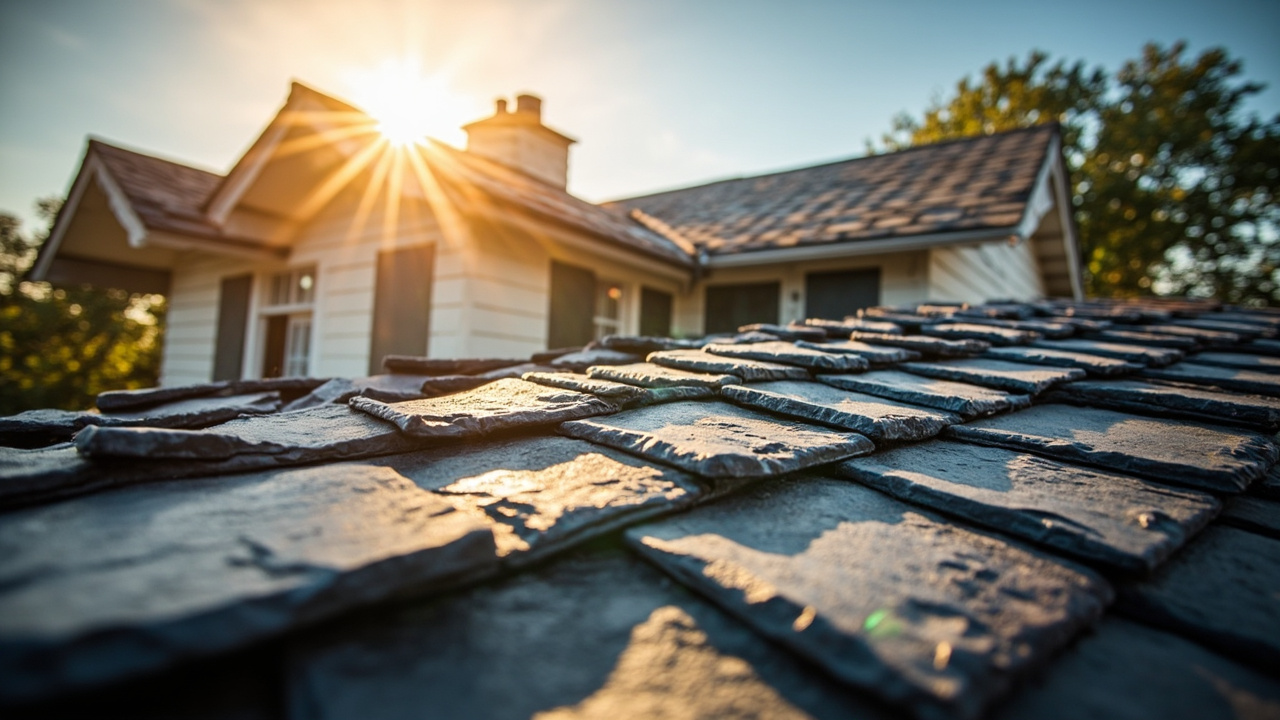
Cincinnati's dramatic temperature swings create a brutal test for roofing materials. Winter temperatures plummet below freezing, spring brings torrential rain, and summer heat bakes roofs past 140 degrees. Natural slate roof tiles were engineered for this exact climate pattern, which is why you see them crowning historic homes in Hyde Park, Mount Adams, and Clifton.

The problem is not every slate roof performs equally. Low-grade slate from soft quarries begins to delaminate after just 15 years of freeze-thaw exposure. Water infiltrates the microscopic layers, freezes, expands, and splits the tile from within. You see the damage as flaking, cracking, or complete tile failure. Authentic slate roofing requires dense, non-porous stone from specific quarries in Vermont, Virginia, or Pennsylvania.

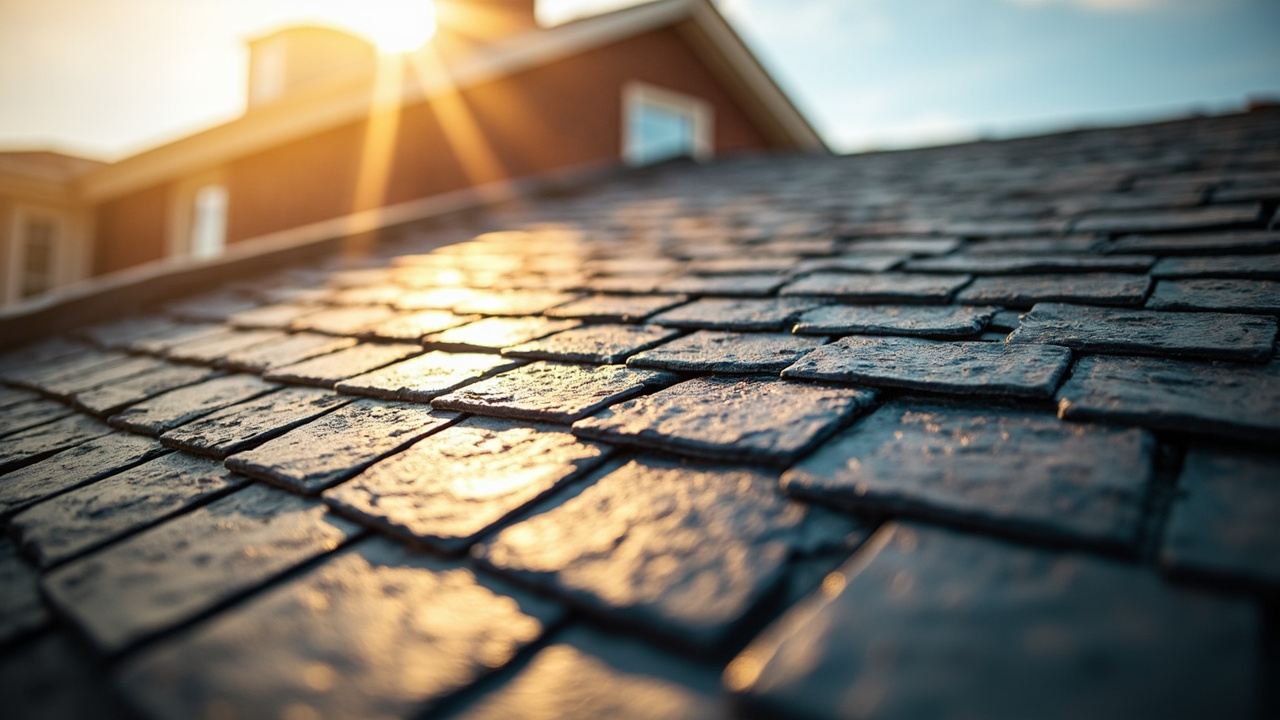
Composite slate roofing and faux slate shingles have evolved dramatically in the past decade. Modern imitation slate tiles use engineered polymers and stone composite that replicate the weight, texture, and Class A fire rating of real slate without the brittleness. For Cincinnati homeowners restoring Italianate or Queen Anne homes in historic districts, these materials offer an approved aesthetic match at a fraction of the weight load on aging timber framing.

The challenge is installation precision. Slate and synthetic slate demand different fastening techniques, underlayment systems, and flashing details than asphalt shingles. A single improperly driven nail through natural slate creates a fracture point. Improper overlap on composite slate roofing allows wind-driven rain to penetrate. You need a crew trained specifically in slate methodology, not general roofers improvising.

Why Cincinnati Homes Demand More From Slate Roofing Than Most Cities
How We Install Slate Roofing to Last 75 Years in Cincinnati's Climate

How We Install Slate Roofing to Last 75 Years in Cincinnati's Climate

First Choice Roofing Cincinnati uses a differential installation approach based on material type and roof pitch. For natural slate roof tiles, we start with a synthetic underlayment rated for high-temperature exposure, not felt paper that degrades under summer attic heat. Each tile receives two copper or stainless steel nails positioned in the upper third of the exposure zone to allow natural thermal expansion without cracking.

We hand-sort every pallet of slate before installation. Thickness variations of more than one-eighth inch between adjacent tiles create uneven load distribution and accelerate breakage during snow accumulation. Tiles get grouped by thickness and installed in graduated courses from thickest at the eave to thinnest at the ridge. This creates a visual taper that replicates European installation methods while improving structural performance.

For composite slate roofing and faux slate shingles, the fastening pattern changes completely. Synthetic materials have different thermal expansion coefficients than stone. We use ring-shank nails with specific head diameters to avoid over-compression that causes dimpling. The underlayment switches to a high-traction synthetic that prevents tile slippage, which is critical on the steep roof pitches common to Victorian and Tudor homes in Cincinnati neighborhoods.

Flashing integration separates amateur installations from professional work. Slate requires step flashing at every wall intersection, with each piece woven into the slate course and soldered at the seams for copper systems. Valley flashing uses 24-gauge metal with a minimum 18-inch width to handle Cincinnati's heavy spring runoff. We fabricate custom cricket flashing for chimneys wider than 30 inches to prevent ice damming on the upslope side.

Ridge ventilation gets engineered into every slate roof we install. Without proper attic airflow, summer heat buildup degrades underlayment and shortens material lifespan by decades.

What Happens During Your Slate Roof Installation

Slate & Synthetic Slate Roofing in Cincinnati – Authentic European Elegance Built to Survive Midwest Weather
01

Structural Load Assessment

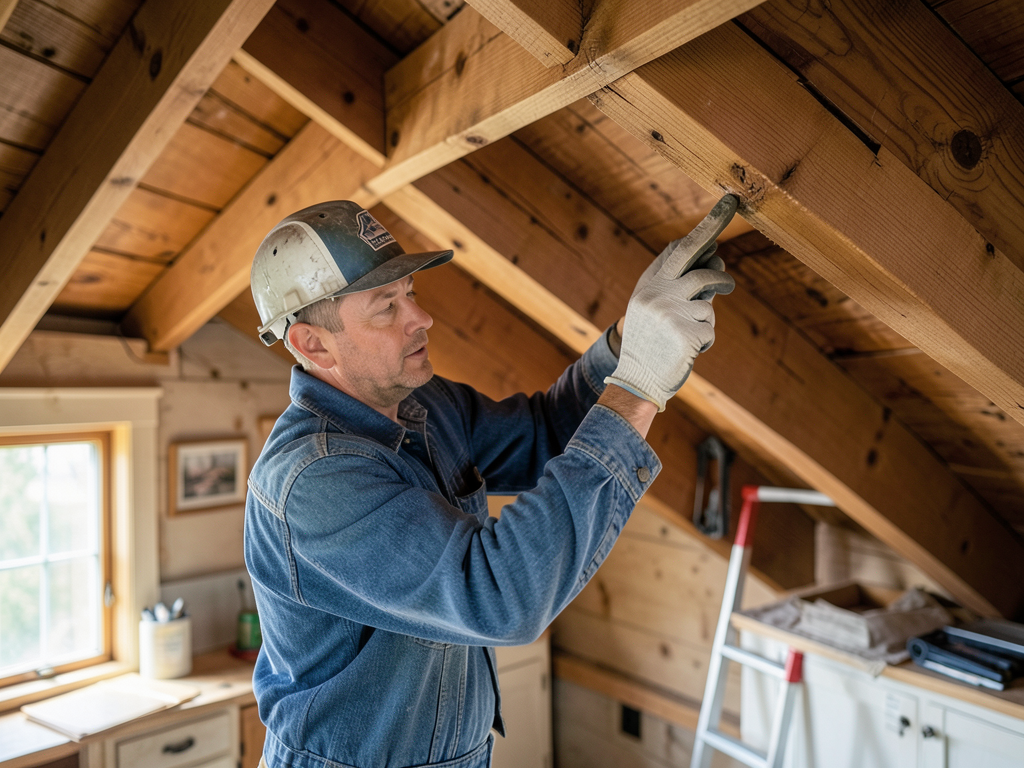
We conduct attic framing inspection before material selection. Natural slate weighs 800 to 1,500 pounds per square, which exceeds the load capacity of many pre-1950 roof structures. We measure rafter spacing, evaluate lumber condition, and calculate dead load capacity. If your framing cannot support authentic slate roofing, we specify composite slate roofing that delivers identical aesthetics at one-third the weight. This prevents catastrophic structural failure and unnecessary reinforcement costs.
02

Material Sourcing and Staging

We source natural slate roof tiles from quarries with documented performance in freeze-thaw climates. Pennsylvania black slate and Vermont gray-green slate have the lowest water absorption rates and longest service lives. For imitation slate tiles, we use products with impact ratings that exceed UL 2218 Class 4 standards, which matters for insurance discounts. Materials get staged on-site with protective tarping. We never install wet slate, which can trap moisture and cause premature delamination.
03

Final Inspection and Documentation

After installation, we conduct a tile-by-tile visual inspection for proper alignment, secure fastening, and flashing integration. You receive documentation of all materials used, including quarry certifications for natural slate and manufacturer warranty registration for faux slate shingles. We photograph all critical flashing details and penetration seals. This documentation is essential for historic district compliance and future insurance claims. Your roof gets a final water test before we leave.

Why Cincinnati Homeowners Choose First Choice Roofing for Slate Installation

Cincinnati has one of the highest concentrations of historic architecture in the Midwest. The city's historic overlay districts in neighborhoods like Walnut Hills, Northside, and Over-the-Rhine impose strict material and aesthetic requirements for roof replacements. First Choice Roofing Cincinnati maintains working relationships with the Cincinnati Historic Conservation Board and understands the Certificate of Appropriateness process. We know which composite slate roofing products have pre-approved status and which require variance applications.

Our crews have specialized training in both natural slate roof tiles and modern synthetic alternatives. This matters because most roofing companies in the region only handle asphalt shingle installations. Slate requires different safety equipment, specialized cutting tools, and installation techniques passed down through apprenticeship. We use slate rippers for tile removal, stake cutters for custom shaping, and copper rivet setups for repairs. Our installers understand how to work on steep-pitch roofs without damaging fragile tiles.

We also understand Cincinnati's soil and foundation characteristics. The region sits on glacial till and clay soil that experiences significant seasonal movement. This foundation shift can stress rigid roofing materials. We install slate systems with controlled flexibility at hips and ridges to accommodate building movement without tile fracture. This engineering consideration extends roof lifespan by preventing stress cracks.

For homeowners restoring period properties, we provide material matching services. We can source reclaimed slate from deconstructed buildings to blend with existing installations, or specify new imitation slate tiles with custom color blending to match oxidized patinas on 100-year-old roofs. This attention to visual continuity preserves property value and neighborhood character.

What to Expect When You Invest in Slate Roofing

Timeline and Project Duration

Slate roof installation takes longer than asphalt shingle replacement. A typical 2,000-square-foot roof requires eight to twelve days for complete installation, depending on architectural complexity and material type. Natural slate roof tiles demand slower, more precise work than composite slate roofing. We schedule projects during dry weather windows and never rush installation to meet artificial deadlines. Each tile must be individually positioned, checked for proper exposure, and fastened with exact nail placement. Weather delays are common, and we protect your home with temporary waterproofing between work phases. Plan for a two-week project window from tear-off to final cleanup.

Pre-Installation Consultation and Material Selection

Your project starts with an attic inspection and roof measurement. We evaluate decking condition, ventilation adequacy, and structural capacity. You will see physical samples of natural slate roof tiles in different colors and textures, along with composite slate roofing options that replicate specific stone varieties. We explain the performance differences between authentic slate roofing and faux slate shingles, including weight, cost, and lifespan factors. You receive a detailed material breakdown showing quarry sources, thickness specifications, and fastener types. We also review historic district requirements if applicable and confirm material compliance before ordering.

The Finished Roof Performance

A properly installed slate roof transforms your home's curb appeal and provides generations of weather protection. Natural slate roof tiles develop a richer patina over time as surface minerals oxidize. Composite slate roofing maintains color stability without fading. You gain superior fire resistance, impact resistance, and wind uplift performance compared to any shingle system. Slate roofs handle Cincinnati's heavy snow loads without deflection and shed ice more effectively than textured shingles. The dense material provides better sound dampening during rainstorms. Your energy costs may decrease due to improved attic ventilation and reflective properties of lighter slate colors.

Maintenance and Long-Term Care

Slate roofing requires minimal maintenance but benefits from periodic inspection. We recommend annual visual checks for cracked or slipped tiles, especially after severe storms. Flashing inspection should occur every five years, with particular attention to chimney crickets and valley seams where ice damming occurs. Moss and algae growth rarely affect slate performance but can be removed with low-pressure washing if aesthetic concerns arise. Damaged individual tiles can be replaced without disturbing surrounding materials using the slate ripper technique. We provide long-term maintenance plans that include scheduled inspections and minor repairs to extend your roof's lifespan past 75 years for natural slate and 50 years for quality imitation slate tiles.

Frequently Asked Questions

You Have Questions,
We Have Answers

Is slate roofing better than synthetic slate? +

Natural slate offers unmatched durability and authentic beauty, lasting over 100 years with proper installation. It resists fire, rot, and insect damage better than any alternative. Synthetic slate mimics the look at a lower upfront cost and weighs significantly less, making it easier to install on existing structures in Cincinnati. Synthetic options last 40 to 60 years and handle freeze-thaw cycles common in Indiana winters. Your choice depends on budget, structural capacity, and how long you plan to stay in your home. Both outperform asphalt shingles.

How long does synthetic slate last? +

Quality synthetic slate roofing lasts 40 to 60 years when installed correctly. Premium products made from polymer composites or rubber resist cracking, fading, and impact damage from hail, which matters during Cincinnati storm seasons. Lifespan depends on material grade, installation quality, and maintenance. Cheaper synthetic products may fail in 20 to 30 years. Regular inspections and prompt repairs extend performance. Synthetic slate handles Indiana's humidity and temperature swings better than traditional asphalt but does not match natural slate's century-plus longevity. Check manufacturer specifications for realistic expectations.

How much does a synthetic slate roof cost? +

Synthetic slate roofing costs vary based on material type, roof complexity, and square footage. Expect to pay more than asphalt shingles but less than natural slate. Labor costs in Cincinnati reflect local market rates and installation difficulty. Steep pitches, multiple valleys, and complex flashing details increase expense. Removal of old roofing adds to the total. Material quality directly impacts price and lifespan. Get multiple detailed estimates from licensed contractors familiar with synthetic slate installation. Focus on total value over decades, not just upfront cost.

Are artificial slates any good? +

Quality artificial slate performs well when manufactured by reputable companies and installed correctly. Modern synthetic products resist cracking, fading, and weather damage while offering excellent fire resistance. They handle Cincinnati's freeze-thaw cycles and high humidity effectively. Cheaper products fail prematurely, cracking or warping within years. Look for Class A fire ratings, impact resistance ratings, and strong warranties. Proper underlayment and flashing matter as much as the slate itself. Artificial slate works best on homes where structural support cannot handle natural slate's weight. Choose proven brands.

What are the downsides of slate roofing? +

Natural slate costs significantly more upfront and requires structural reinforcement for most Cincinnati homes due to its weight. Installation demands specialized skills, and finding experienced slate roofers can be difficult. Broken tiles need careful replacement to match color and thickness. Walking on slate risks cracking tiles if done improperly. Flashing and underlayment often fail before the slate itself, requiring costly repairs. Despite these challenges, slate offers unmatched longevity and fire resistance. Synthetic alternatives eliminate weight concerns and reduce installation complexity while sacrificing some durability.

What happens if slate gets wet? +

Slate itself does not absorb water, which makes it an excellent roofing material. Natural slate sheds water quickly due to its dense composition and proper installation angle. Problems occur when underlayment, flashing, or mortar joints fail, allowing water to penetrate beneath the slate. Moisture trapped under slate can rot wood decking and compromise structural integrity. Cincinnati's humidity and freeze-thaw cycles stress vulnerable joints. Quality installation with ice and water shield underlayment prevents moisture infiltration. Inspect valleys, chimneys, and penetrations regularly where water intrusion typically begins.

Why doesn't the US use slate roofs? +

The US uses slate roofs less frequently due to high material and installation costs compared to asphalt shingles. Most residential structures cannot support slate's weight without reinforcement. The skilled labor pool for proper slate installation has declined as cheaper alternatives dominated the market. Asphalt shingles became the standard through aggressive marketing and lower prices. Historic districts and upscale neighborhoods in Cincinnati still feature slate roofs. Commercial buildings and homeowners prioritizing longevity choose slate despite higher costs. The trend toward synthetic slate offers the aesthetic without structural or cost barriers.

Does slate crack with heat? +

Natural slate resists heat cracking better than most roofing materials due to its stone composition. Thermal expansion and contraction occur, but quality slate handles temperature swings without damage. Problems arise when poor installation creates stress points or when inferior slate with natural flaws gets exposed to repeated freeze-thaw cycles in Cincinnati winters. Synthetic slate varies by material. Polymer-based products can soften in extreme heat if poorly manufactured. Quality synthetic slate includes UV inhibitors and heat-resistant compounds. Proper ventilation reduces thermal stress on any roofing material.

Should you power wash a slate roof? +

Never power wash a slate roof. High-pressure water dislodges tiles, damages flashing, and drives moisture under the slate where it rots underlayment and decking. The force breaks fragile edges and cracks tiles. Slate cleans naturally through rain, and moss growth does not harm the material itself. If cleaning becomes necessary, use low-pressure rinsing or manual removal with soft brushes. Cincinnati's humidity encourages algae and moss, but aggressive cleaning causes more damage than the growth itself. Professional roofers familiar with slate use gentle techniques that preserve tile integrity.

How much does it cost to replace a roof on a 4000 square foot house? +

Replacing a roof on a 4000 square foot house depends on material choice, roof complexity, and existing damage. Asphalt shingles cost less than synthetic slate, which costs less than natural slate. Cincinnati labor rates, permit fees, and disposal costs factor into totals. Steep pitches, multiple levels, and intricate flashing increase expense. Structural repairs, decking replacement, and upgraded ventilation add significant costs. Get multiple detailed estimates that break down materials, labor, and extras. Focus on quality installation and appropriate materials for your home's structure rather than choosing based solely on price.

How Cincinnati's Freeze-Thaw Cycles Accelerate Slate Roof Failure Without Proper Installation

Cincinnati averages 23 freeze-thaw cycles per winter, one of the highest rates in Ohio. When temperatures oscillate above and below 32 degrees within 24-hour periods, water trapped in porous slate or beneath improperly sealed flashing expands and contracts repeatedly. This creates hydraulic pressure that fractures even high-quality natural slate roof tiles. The problem intensifies on south-facing roof planes where daytime solar heating melts snow that refreezes overnight. Composite slate roofing with closed-cell construction resists water infiltration better than natural stone in these conditions, which is why we recommend specific synthetic products for homes in exposed hilltop locations throughout Mount Lookout and Observatory.

First Choice Roofing Cincinnati has worked on slate roof projects throughout the city's historic neighborhoods for years, including landmark properties subject to preservation standards. We maintain relationships with local building inspectors and understand Cincinnati's specific building code amendments for steep-slope roofing and historic renovations. This local expertise prevents installation rejection and costly rework. When you hire a roofing company familiar with Cincinnati's architectural standards and climate demands, you avoid the material failures and aesthetic mismatches that plague homeowners who choose contractors without regional slate experience.
Roofing Services in The Cincinnati Area

We are proud to serve the entire Cincinnati metro area and surrounding communities, bringing our top-tier roofing expertise right to your neighborhood. Use the map below to visualize our primary service region and get directions to our main office for material samples or in-person consultations. Whether you are downtown or on the outskirts, First Choice Roofing is committed to being your most convenient and reliable local roofing partner. Contact us to confirm service availability at your specific address.

Address:
First Choice Roofing Cincinnati, 2337 Victory Pkwy, Cincinnati, OH, 45206

Additional Services We Offer

Our news updates

Latest Articles & News from The Blogs

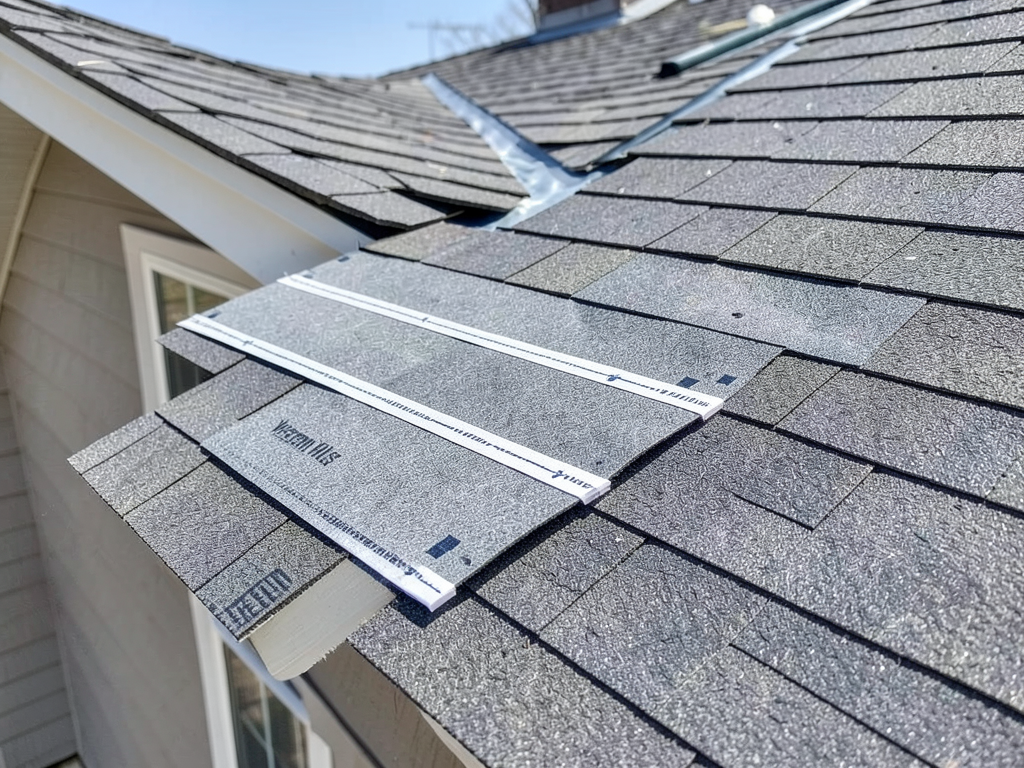
Why your Western Hills home needs high-wind starter shingles even if you aren't in a hurricane zone Your Western Hills…

Why your Western Hills home needs high-wind starter shingles even if you aren't in a hurricane zone

Why your Western Hills home needs high-wind starter shingles even if you aren't in a hurricane zone Your Western Hills…

Understanding the structural limits of your older Norwood roof before switching to heavy clay tiles

Understanding the structural limits of your older Norwood roof before switching to heavy clay tiles Norwood’s charming older homes built…

The best roofing colors for a Dutch Colonial home in the Gaslight District of Clifton

Choosing the Perfect Roof Color for Your Dutch Colonial Home in Clifton The gambrel roof of your Dutch Colonial home…

Contact Us

Call First Choice Roofing Cincinnati at (513) 223-5511 for a comprehensive slate roof evaluation. We will assess your structure, explain your material options, and provide transparent pricing for authentic slate roofing or composite alternatives that match your home's architecture and your budget.