Menu

New Roof Construction in Cincinnati – Engineered for Ohio Valley Weather and Built to Code

First Choice Roofing Cincinnati delivers precision new roof construction that withstands freeze-thaw cycles, ice damming, and high winds common to the Greater Cincinnati area, with full compliance to Ohio Building Code requirements.

Slider Image 1
Slider Image 2
Slider Image 3
Slider Image 4
Slider Image 5
Slider Image 7
Slider Image 8
Slider Image 9
Slider Image 10
Slider Image 11

Why Cincinnati's Climate Makes New Roof Construction a Critical Investment

Cincinnati sits in a humid subtropical climate zone where freeze-thaw cycles punish roofing systems from November through March. When temperatures swing from 15 degrees at night to 45 degrees during the day, improperly installed flashing and underlayment fail fast. Ice damming becomes a real threat when snow melts, refreezes at the eaves, and forces water back under shingles.

New construction roofing in Cincinnati must account for wind uplift from severe thunderstorms that roll through the Ohio River Valley. A roof installed without proper fastener spacing or edge metal detailing will lose shingles when winds hit 60 mph. You see this in neighborhoods like Hyde Park and Mount Lookout after every major storm.

The clay soil throughout Hamilton County shifts with moisture changes. This movement stresses roof structures over time. New roof installation requires engineered trusses or rafters that can flex slightly without transferring stress to the roofing membrane. A rigid system cracks. A flexible system lasts.

Building a new roof also means navigating Cincinnati's building permit process through the Department of Buildings and Inspections. Plans must show proper ventilation ratios, fire-rated assemblies for attached structures, and compliance with the 2017 Ohio Building Code. Roof installation services that skip this step leave you vulnerable when you sell the property or file an insurance claim.

The Investment you make in new roof construction protects everything underneath. Poor installation shows up fast in Cincinnati's weather. Proper installation gives you decades of protection.

Why Cincinnati's Climate Makes New Roof Construction a Critical Investment
How We Engineer New Roof Construction for Long-Term Performance

How We Engineer New Roof Construction for Long-Term Performance

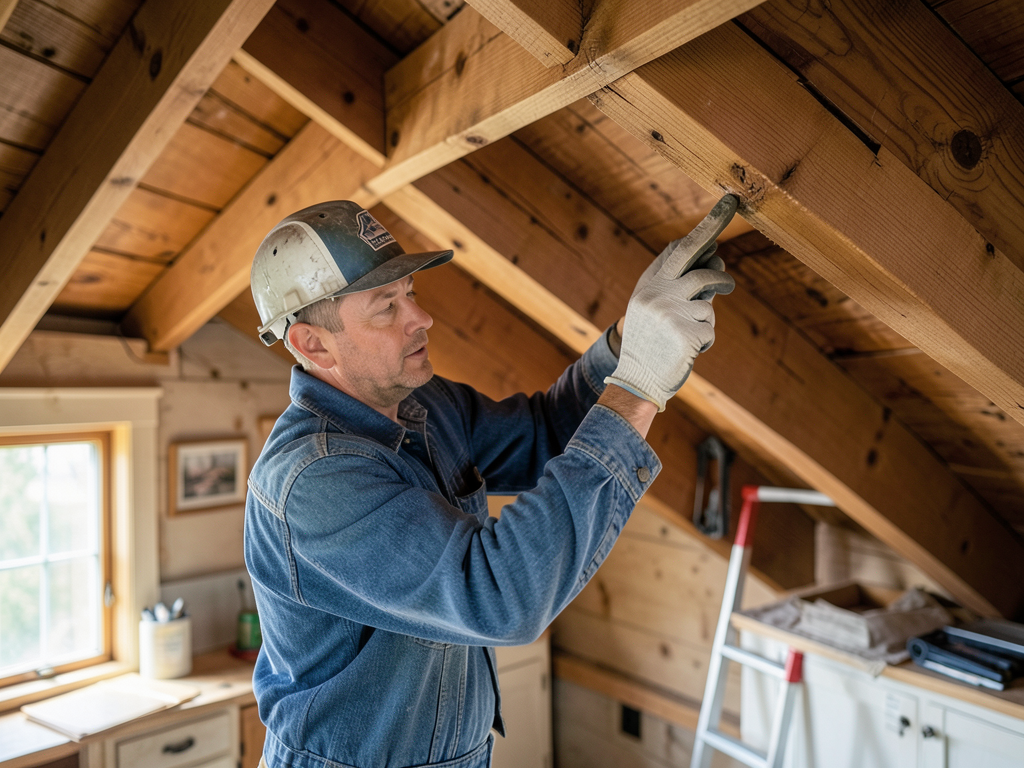
Installing a new roof starts with structural assessment. We inspect the truss system or rafter framing for proper span ratios and load capacity. Cincinnati's snow load requirement is 20 pounds per square foot. Your roof framing must handle that weight plus the dead load of the roofing materials. If the framing sags or shows stress cracks, we address it before sheathing goes down.

Sheathing installation follows strict fastener schedules. We use 7/16-inch OSB or plywood rated for roof sheathing, fastened every 6 inches at panel edges and 12 inches in the field. This prevents panel blow-off during high winds. Gaps between panels allow for thermal expansion without buckling.

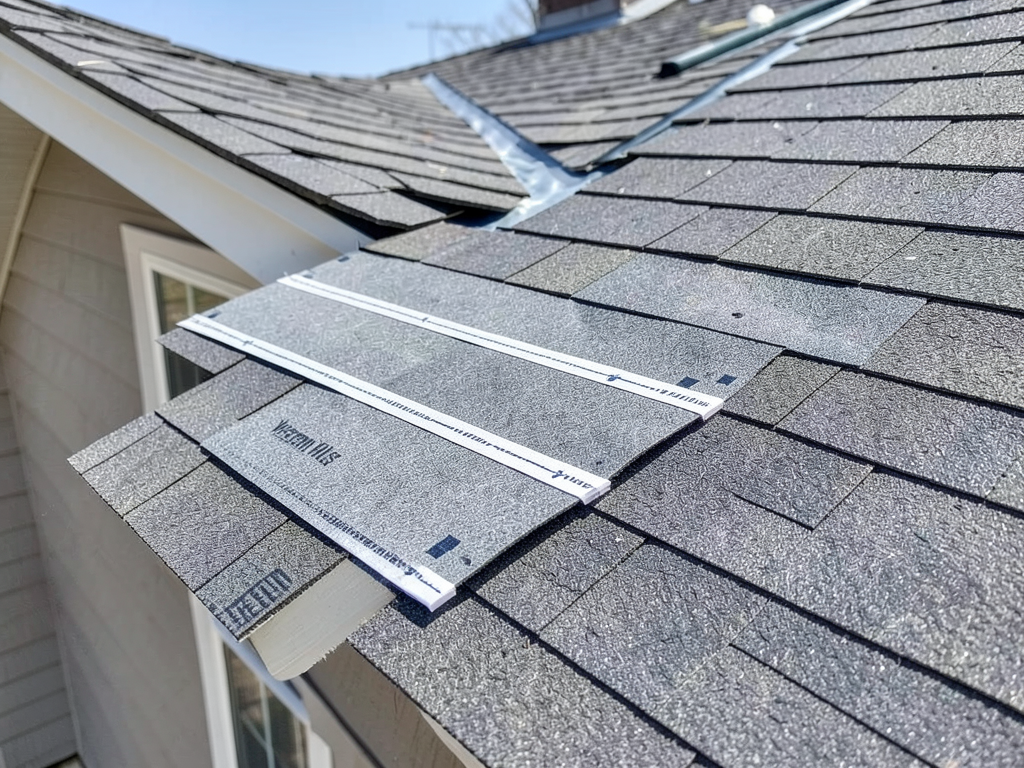
Underlayment selection depends on roof pitch and exposure. Low-slope roofs under 4:12 pitch get self-adhering modified bitumen underlayment to prevent water intrusion. Steeper pitches get synthetic underlayment that resists UV degradation and won't wrinkle during installation. We lap all seams properly and seal around penetrations before shingles go down.

Flashing details make or break a roof. Step flashing at wall intersections, counter-flashing over masonry, and continuous flashing at eaves prevent the water entry points that cause rot. Valley flashing gets special attention because Cincinnati's heavy rains concentrate flow in these areas. We use corrosion-resistant metals and seal all fastener penetrations.

Ventilation balances intake at soffits with exhaust at the ridge. Proper airflow prevents heat buildup in summer and moisture accumulation in winter. This extends shingle life and prevents ice damming. We calculate ventilation requirements based on attic square footage and install the right combination of vents to meet code.

What Happens During Your New Roof Construction Project

New Roof Construction in Cincinnati – Engineered for Ohio Valley Weather and Built to Code
01

Site Assessment and Planning

We measure the roof structure, photograph existing conditions, and calculate material quantities. You receive a detailed scope document showing sheathing requirements, ventilation calculations, and flashing details specific to your building. We pull permits through the City of Cincinnati and schedule inspections at required intervals. This planning phase prevents surprises and keeps your project on schedule.
02

Structural Installation and Weatherproofing

Our crews install sheathing, underlayment, and flashing systems according to manufacturer specifications and building code requirements. We protect your property with tarps and barriers during installation. Each layer gets inspected before the next goes down. Penetrations for vents, chimneys, and skylights receive custom flashing assemblies. We coordinate inspections with the city inspector to verify code compliance before covering any work.
03

Final Roofing and Quality Verification

Shingles or metal roofing panels get installed with proper fastener placement and alignment. Ridge vents, drip edge, and trim details complete the weather barrier. We conduct a final walkthrough with you, reviewing workmanship and answering questions. You receive documentation showing permit sign-off, material certifications, and care instructions. The job site gets cleaned completely, with magnetic sweeps for metal debris.

Why Cincinnati Property Owners Trust Local Expertise for New Roof Construction

First Choice Roofing Cincinnati understands the building requirements specific to Hamilton County. We know which neighborhoods have historical district restrictions that limit material choices. Properties in areas like Mariemont or the Gaslight District require architectural review before roof replacement. We handle that process so you don't face compliance issues later.

Our familiarity with local building inspectors speeds the permit process. We know what details they scrutinize and we document our work accordingly. This prevents failed inspections and project delays. When your roof needs a final sign-off, we coordinate that inspection and address any punch-list items immediately.

We source materials from regional suppliers who stock products rated for Ohio weather conditions. Shingles rated for southern climates fail in Cincinnati winters. Metal roofing without proper thermal expansion details buckles during temperature swings. We specify materials that match the local environment.

Our crews work year-round in Cincinnati weather. We know when conditions allow for installation and when they don't. Shingles won't seal properly below 40 degrees. Underlayment becomes brittle in extreme cold. We schedule work during weather windows that allow for proper installation, not just convenient timing.

The investment in new roof construction protects your largest asset. Choosing a contractor who understands Cincinnati's specific challenges reduces your risk. We see the failures that result from generic installation approaches. Improperly flashed chimneys leak. Undersized ventilation causes premature shingle failure. Missing ice and water shield leads to interior damage.

Local expertise means we stand behind our work because we live and work in this community. You'll see our trucks in your neighborhood. That accountability matters when you need service years after installation.

What to Expect During Your New Roof Construction Project

Project Timeline and Scheduling

New roof construction typically takes two to five days for residential projects, depending on complexity and size. Commercial buildings require longer timelines based on square footage and roof access. We provide a detailed schedule before work begins, showing when crews arrive, when inspections occur, and when final cleanup happens. Weather delays get communicated immediately with revised schedules. We coordinate material deliveries to minimize disruption to your property. Permit processing through Cincinnati takes five to ten business days, which we factor into your project start date.

Initial Consultation and Design Review

Your consultation includes structural assessment, material selection, and code review. We inspect attic spaces to verify adequate ventilation and identify any framing concerns. You receive material samples and specifications showing warranty coverage and performance ratings. We review architectural styles common to Cincinnati neighborhoods and recommend appropriate roofing systems. The design phase addresses drainage patterns, flashing requirements, and integration with existing structures. You get a written scope document detailing every aspect of the installation before any work begins.

Quality of Finished Installation

Your completed roof features straight shingle lines, properly sealed flashing, and clean trim details. Ridge caps align perfectly. Valley flashing sits flat without waviness. Ventilation components match the roof color and integrate seamlessly. We verify fastener placement meets manufacturer specifications through random quality checks. All penetrations receive proper sealing and flashing. The finished installation passes city inspection on the first attempt. You receive documentation showing code compliance, material certifications, and installation photos. The roof performs as engineered, shedding water properly and resisting wind uplift during storms.

Material Warranties and Documentation

Manufacturer warranties on materials get registered in your name, providing coverage for defects. We provide documentation showing proper installation according to manufacturer requirements, which protects warranty validity. You receive copies of all permits, inspection reports, and material certifications. This documentation transfers with your property and proves code compliance to future buyers. We maintain project records showing installation details, material specifications, and inspection results. If issues arise, this documentation speeds resolution and supports insurance claims when needed.

Frequently Asked Questions

You Have Questions,
We Have Answers

What is the average cost of a new roof in NC? +

A new roof in North Carolina varies widely based on material, size, and complexity. Asphalt shingles run lower in cost, while metal or tile systems increase the price. Roof pitch, layers of tear-off, and underlayment quality also affect the total. In Cincinnati, factors like high humidity and freeze-thaw cycles demand proper ventilation and ice-and-water shield installation, which can add to the investment. Most residential roofs range from budget-friendly three-tab shingles to premium architectural options. Get a detailed written estimate that itemizes materials, labor, and disposal fees to compare accurately.

What is the newest type of roofing? +

The newest roofing technology includes solar shingles that generate electricity while protecting your home, synthetic slate and shake that mimic natural materials without the weight, and cool-roof coatings that reflect heat to reduce energy bills. Composite materials now offer superior impact resistance and fade warranties. In Cincinnati, synthetic options perform well against humidity and temperature swings without cracking or warping. Metal roofing with advanced coatings continues to evolve, offering longer lifespans and better storm resistance. Choose materials that address local climate challenges, not just trendy features that add cost without real-world benefit.

How much does it cost to have a new roof installed? +

Installation costs depend on material choice, roof size, pitch steepness, and existing condition. Asphalt shingles cost less to install than metal, tile, or slate. Labor rates vary by region and contractor experience. In Cincinnati, proper ventilation and moisture barriers are non-negotiable due to local humidity, which can increase upfront costs but prevent future damage. Removal of old layers, structural repairs, and permit fees add to the total. Get multiple written bids that break down materials, labor, disposal, and warranty coverage. Avoid choosing based on price alone. Quality installation protects your investment.

How much would a complete new roof cost? +

A complete new roof depends on square footage, material selection, roof complexity, and structural repairs needed. Simple ranch homes cost less than multi-story homes with valleys, dormers, and steep pitches. Material choice drives the range. Asphalt shingles sit at the lower end, while metal, tile, or slate push costs higher. In Cincinnati, budget for proper underlayment and flashing around chimneys and vents to handle local weather patterns. Quality workmanship prevents callbacks and premature failure. Request itemized estimates and verify contractor credentials before signing contracts. A complete tear-off and replacement is a significant investment.

What time of year is the cheapest to replace a roof? +

Fall and late winter offer the best pricing for roof replacement. Demand drops after summer storm season and before spring rains, giving you leverage to negotiate. Contractors often discount labor to keep crews working during slower months. In Cincinnati, avoid scheduling during freeze-thaw cycles when shingle installation can fail. Spring and summer see higher demand and premium pricing due to storm damage and ideal weather. Book early if you need off-season work. Material costs stay relatively stable year-round, so labor savings drive the discount. Flexibility on timing saves you money without sacrificing quality.

How much does it cost to build a 2000 sq ft house in NC? +

Building a 2000 square foot house in North Carolina involves land costs, foundation work, framing, mechanical systems, finishes, and roofing. Roofing represents a fraction of the total build cost. Material choice impacts the budget. Asphalt shingles keep costs lower, while metal or tile roofs increase the price. In Cincinnati, plan for proper attic ventilation and moisture barriers to handle humidity and prevent mold growth in new construction. Site prep, permits, and utility connections also factor into the total. Work with a builder who provides transparent estimates and understands local building codes and climate requirements.

What is the most expensive part of a new roof? +

Labor drives the highest cost on most roofing projects. Skilled crews command fair wages, and steep pitches or complex layouts increase installation time. Material costs follow closely, especially for premium products like metal or tile. In Cincinnati, proper underlayment and flashing installation cannot be skipped due to humidity and weather exposure. Structural repairs discovered during tear-off add unexpected costs. Waste disposal and dump fees also contribute. Cutting corners on labor or materials leads to callbacks, leaks, and premature failure. Invest in quality workmanship upfront to avoid expensive repairs later. Cheap bids often signal shortcuts.

How to tell if a roofer is lying? +

A dishonest roofer avoids written estimates, pressures you to decide immediately, or demands large upfront payments. Red flags include no physical address, missing license or insurance proof, and vague contract language. In Cincinnati, verify local references and check complaints with the Better Business Bureau. A lying roofer may exaggerate storm damage, claim your insurance will cover everything, or recommend unnecessary tear-offs. Ask for material specifications in writing and confirm they match what arrives on-site. Trust your gut. If something feels off, get a second opinion. Quality contractors welcome questions and provide transparent documentation.

What is the cheapest option for a new roof? +

Three-tab asphalt shingles offer the lowest material and installation cost for a new roof. They provide basic protection and come with limited warranties. In Cincinnati, budget shingles still need proper underlayment and flashing to handle local humidity and temperature swings. Skipping quality installation to save money leads to leaks and premature failure. Consider long-term value, not just upfront cost. Architectural shingles cost slightly more but offer better wind resistance and longer warranties. Metal roofing costs more initially but lasts decades with minimal maintenance. Choose based on your budget and how long you plan to stay in the home.

How much is a roof for a 2000 sq foot house? +

A 2000 square foot house roof cost depends on material, pitch, and complexity. Asphalt shingles sit at the lower end, while metal, tile, or slate increase the price. Simple gable roofs cost less than hips, valleys, and dormers. In Cincinnati, factor in proper ventilation, ice-and-water shield, and flashing to handle freeze-thaw cycles and humidity. Removal of old layers, structural repairs, and permits add to the total. Get detailed written estimates from licensed contractors. Compare line items, not just bottom-line numbers. Quality materials and skilled installation protect your investment and prevent costly callbacks.

How Cincinnati's Freeze-Thaw Cycles and Ohio River Humidity Affect New Roof Construction

The Ohio River Valley creates a microclimate where humidity stays high year-round, averaging 70 percent in summer months. This moisture combines with winter freeze-thaw cycles to attack roofing systems from multiple angles. When attic spaces lack proper ventilation, warm humid air condenses on cold roof sheathing during winter. This condensation causes wood rot and mold growth that weakens the structure. New roof installation must include balanced ventilation systems that move this moisture out before it damages materials. Cincinnati's temperature swings also stress shingles. A shingle that freezes brittle at night then heats up during the day develops micro-cracks that expand over time. Proper underlayment selection and installation technique prevents these failures.

Building codes in Cincinnati reflect these local challenges. The 2017 Ohio Building Code requires ice and water shield at eaves in our climate zone, but experienced contractors extend this protection up valleys and around penetrations. We see too many roof failures in neighborhoods throughout Hamilton County where contractors skip these details to save time. Local expertise means understanding which code requirements are minimums and where best practices demand more. First Choice Roofing Cincinnati works with building inspectors who know our installations meet both code and performance standards. That relationship speeds your permit process and ensures your roof gets approved without delays.
Roofing Services in The Cincinnati Area

We are proud to serve the entire Cincinnati metro area and surrounding communities, bringing our top-tier roofing expertise right to your neighborhood. Use the map below to visualize our primary service region and get directions to our main office for material samples or in-person consultations. Whether you are downtown or on the outskirts, First Choice Roofing is committed to being your most convenient and reliable local roofing partner. Contact us to confirm service availability at your specific address.

Address:
First Choice Roofing Cincinnati, 2337 Victory Pkwy, Cincinnati, OH, 45206

Additional Services We Offer

Our news updates

Latest Articles & News from The Blogs

Why your Western Hills home needs high-wind starter shingles even if you aren't in a hurricane zone Your Western Hills…

Why your Western Hills home needs high-wind starter shingles even if you aren't in a hurricane zone

Why your Western Hills home needs high-wind starter shingles even if you aren't in a hurricane zone Your Western Hills…

Understanding the structural limits of your older Norwood roof before switching to heavy clay tiles

Understanding the structural limits of your older Norwood roof before switching to heavy clay tiles Norwood’s charming older homes built…

The best roofing colors for a Dutch Colonial home in the Gaslight District of Clifton

Choosing the Perfect Roof Color for Your Dutch Colonial Home in Clifton The gambrel roof of your Dutch Colonial home…

Contact Us

Call First Choice Roofing Cincinnati at (513) 223-5511 for a detailed assessment of your project. We provide clear documentation, accurate timelines, and installation that meets Cincinnati building codes. Your roof protects everything underneath. Get it built right the first time.