Menu

Commercial Gutter Systems in Cincinnati – Industrial-Grade Solutions That Protect Business Continuity

First Choice Roofing Cincinnati delivers high-capacity commercial roof gutters engineered to handle the Greater Cincinnati region's severe thunderstorms and freeze-thaw cycles, minimizing water damage risks that disrupt operations and increase liability.

Slider Image 1
Slider Image 2
Slider Image 3
Slider Image 4
Slider Image 5
Slider Image 7
Slider Image 8
Slider Image 9
Slider Image 10
Slider Image 11

Why Cincinnati's Weather Demands Industrial-Grade Gutter Infrastructure

Cincinnati's climate presents a dual threat to commercial building gutters. Spring and summer thunderstorms dump high volumes of water in short bursts, overwhelming undersized systems and causing overflow that damages foundations, erodes landscaping, and creates slip hazards in parking areas. Winter freeze-thaw cycles create another vulnerability. When commercial grade gutters lack proper pitch or capacity, standing water freezes, expands, and cracks seams or pulls fasteners from fascia boards.

The Greater Cincinnati metro experiences an average of 44 inches of annual precipitation, concentrated in convective storm events that produce 2 to 3 inches per hour. Standard residential gutter profiles cannot move this volume fast enough on commercial structures with expansive roof planes. The result is water backing under roofing membranes, infiltrating through parapet walls, or cascading onto pedestrian walkways.

Industrial guttering systems address these challenges through increased trough depth, reinforced hangers rated for commercial snow loads, and larger downspout diameters that prevent bottlenecking during peak flow. For facilities in neighborhoods like Norwood or Bond Hill, where older commercial buildings feature flat or low-slope roofs, proper drainage becomes even more critical. Water ponding on these surfaces accelerates membrane deterioration and increases structural load beyond design specifications.

Your facility's gutter system is not decorative. It is a critical component of your building envelope that protects against water intrusion, foundation settlement, and costly interior damage that halts operations.

Why Cincinnati's Weather Demands Industrial-Grade Gutter Infrastructure
How Commercial Roof Gutter Systems Differ From Residential Applications

How Commercial Roof Gutter Systems Differ From Residential Applications

Commercial gutter systems require engineering-level analysis, not estimation. First Choice Roofing Cincinnati begins with a roof drainage calculation based on your building's total square footage, roof pitch, and local rainfall intensity data from the Cincinnati/Northern Kentucky International Airport weather station. This calculation determines the required gutter capacity in gallons per minute and dictates trough size, downspout quantity, and spacing.

Material selection follows performance requirements, not aesthetics. We install commercial building gutters in 0.032-inch aluminum, 24-gauge galvanized steel, or 16-ounce copper, depending on your building's exposure to pollutants, UV radiation, and mechanical stress from maintenance traffic. For industrial facilities near the Mill Creek or Little Miami River corridors, where humidity remains elevated, we specify corrosion-resistant alloys that extend service life beyond 30 years.

Hanger placement follows commercial load standards. Residential gutters use hangers every 24 to 36 inches. Industrial rain gutters require support every 18 to 24 inches to prevent sagging under snow accumulation that exceeds 25 pounds per square foot, the design load for Hamilton County. We anchor fascia-mount brackets into rafter tails, not just trim boards, ensuring the system can withstand wind uplift during severe weather.

Expansion joints prevent thermal stress failures. A 100-foot gutter run expands nearly half an inch between winter and summer temperatures. Without slip joints every 40 feet, this movement tears fasteners loose or buckles trough sections. We integrate these joints at logical break points, maintaining watertight integrity while allowing controlled movement.

Your Commercial Gutter Installation Timeline

Commercial Gutter Systems in Cincinnati – Industrial-Grade Solutions That Protect Business Continuity
01

Site Assessment and Load Calculation

We document your existing roof drainage configuration, measure total roof area by plane, and photograph all penetrations, drains, and problem areas. Using Cincinnati's 100-year storm intensity data, we calculate required gutter capacity and downspout sizing to meet Ohio Building Code Section 1503. You receive a detailed scope document outlining material specifications, hanger spacing, and outlet locations before any work begins.
02

Fabrication and Staging

Commercial grade gutters arrive in custom lengths to minimize seams and potential leak points. We fabricate all outside and inside miters, end caps, and outlet drops in our shop to ensure precise fit. Downspout routing is planned to avoid service doors, HVAC equipment, and pedestrian traffic zones. All materials stage on-site the day before installation to prevent weather delays that disrupt your business operations.
03

Installation and Flow Testing

Installation proceeds in sections to maintain partial drainage during the transition. We remove old systems only after new hangers are anchored and ready to accept trough sections. Every seam receives commercial-grade sealant rated for temperature extremes between negative 20 and 180 degrees Fahrenheit. After installation, we conduct flow testing using measured water volumes to verify proper pitch and confirm all outlets drain completely without standing water or debris traps.

Why Cincinnati Facility Managers Choose First Choice Roofing Cincinnati

Commercial gutter failures do not wait for convenient timing. A system collapse during operating hours creates liability exposure, damages inventory, and forces partial facility closure while emergency repairs proceed. First Choice Roofing Cincinnati understands that your drainage infrastructure must perform without interruption.

We work within your operational constraints. For facilities that operate second or third shifts, we schedule installation during your low-activity periods to avoid disrupting workflows, deliveries, or customer access. For manufacturing operations in Sharonville or Blue Ash that cannot tolerate roof work during production hours, we coordinate weekend or holiday installations that keep your lines running.

Our team understands Hamilton County commercial building requirements. We pull permits for projects that trigger review thresholds, coordinate inspections with local building departments, and provide documentation that satisfies your insurance carrier's requirements for roof-related improvements. For facilities subject to stormwater management regulations, we design gutter systems that tie into your detention basins or bioswales, ensuring compliance with Metropolitan Sewer District of Greater Cincinnati discharge limits.

You receive verifiable capacity specifications. Every project includes documentation showing calculated roof area, design rainfall intensity, required gutter flow rate, and installed system capacity. This data supports your facility maintenance records and provides the engineering justification your insurance underwriter needs during policy renewals.

We service what we install. Commercial gutters require annual maintenance to remove debris, inspect fasteners, and verify proper drainage before winter weather arrives. Our maintenance agreements include scheduled inspections, minor repairs, and priority response if storm damage occurs.

What Your Commercial Gutter Project Includes

Project Duration and Scheduling Flexibility

Most commercial gutter installations complete within two to five business days, depending on building size and system complexity. We provide a detailed work schedule before starting, identifying which building sections will be affected each day. For multi-tenant facilities or retail centers, we coordinate with property managers to minimize impact on individual tenants. Emergency repairs for failed sections receive same-day response to prevent ongoing water damage. We maintain liability insurance that covers your property during all phases of work, and our crews follow OSHA fall protection standards for elevated work on commercial structures.

Comprehensive Drainage Analysis

Your assessment includes roof measurements, pitch verification, and identification of all drainage paths and potential problem areas. We photograph existing conditions, document signs of previous water intrusion, and test downspout discharge points to ensure they drain away from foundations. You receive a written report outlining current deficiencies, capacity limitations, and recommended improvements. For facilities with parapet walls or internal roof drains, we verify that gutter systems integrate properly with primary drainage to prevent water backup during high-volume events. This analysis identifies code violations or insurance compliance issues before they trigger citations or coverage problems.

Performance-Engineered Installation

Your new industrial guttering includes all necessary components: reinforced hangers, sealed miters, oversized outlets, and downspouts sized to match gutter capacity. We install leaf guards or debris screens on facilities near wooded areas or where airborne contamination accelerates clogging. All fasteners penetrate into structural members, not decorative trim, ensuring the system remains secure under snow and ice loads. Expansion joints appear at specified intervals to prevent thermal stress failures. You receive material certifications and warranty documentation for all components. Final walkthrough includes demonstration of proper drainage and identification of maintenance access points for future inspections.

Maintenance Planning and Support

Commercial gutter systems require periodic maintenance to sustain performance. We offer scheduled inspection programs that include debris removal, fastener tightening, sealant inspection, and documentation of system condition. These inspections occur before winter weather and after spring storm season, the two periods when gutter failures most commonly develop. Maintenance visits include photographic documentation that supports your facility records and provides evidence of proper upkeep for insurance purposes. Emergency service remains available for storm damage or unexpected failures. For facilities with multiple buildings or campus-style layouts, we provide comprehensive maintenance agreements that cover all structures under a single contract, simplifying administration and ensuring consistent service across your entire property.

Frequently Asked Questions

You Have Questions,
We Have Answers

What are the different types of commercial gutters? +

Commercial properties typically use K-style gutters, box gutters, or half-round systems. K-style gutters handle high water volume and fit modern building facades. Box gutters integrate into the roofline, common in flat or low-slope commercial structures throughout Cincinnati. Half-round gutters suit historic commercial buildings in older districts. Material options include aluminum, galvanized steel, copper, and stainless steel. Your choice depends on building design, roof area, and local rainfall patterns. Cincinnati's freeze-thaw cycles and heavy spring rains demand durable systems with proper pitch and downspout capacity to prevent ice damming and foundation damage.

How much do commercial gutters cost? +

Commercial gutter installation costs vary based on building size, material choice, and system complexity. Linear footage, building height, downspout placement, and accessibility drive pricing. Aluminum systems typically cost less than copper or stainless steel. Box gutter installations require more labor than exterior-mounted K-style gutters. Multi-story buildings in Cincinnati demand specialized equipment and safety measures, increasing installation costs. Code compliance, structural reinforcement, and customization add to the total investment. Request detailed proposals that itemize materials, labor, permits, and ongoing maintenance requirements. Focus on lifecycle value and system performance rather than initial price alone.

What is the highest rated gutter system? +

Rating commercial gutter systems depends on your specific building requirements and performance metrics. K-style aluminum gutters with commercial-grade hangers offer excellent durability and water capacity for most applications. Copper systems provide longevity and low maintenance for premium properties. Stainless steel handles corrosive environments. The highest-rated system meets your building's architectural demands, handles Cincinnati's seasonal rainfall and snow load, and aligns with your maintenance budget. Proper installation matters more than brand name. Look for systems with reinforced seams, adequate downspout sizing, and compatibility with leaf protection to minimize clogging during Ohio Valley leaf drop.

What gauge are commercial gutters? +

Commercial gutters typically use 0.027 to 0.032 gauge aluminum or 26 to 24 gauge galvanized steel. Heavier gauge materials provide better structural integrity for large commercial buildings. Multi-story properties or buildings with extensive roof areas require thicker material to handle increased water volume and stress from expansion and contraction. Cincinnati's temperature swings demand durable construction that resists warping and cracking. Light commercial buildings may use standard residential gauge, but most commercial applications benefit from heavier material. Consult local building codes for minimum thickness requirements. Thicker gauge increases upfront cost but reduces replacement frequency and maintenance calls.

What is the difference between commercial gutters and residential gutters? +

Commercial gutters handle significantly higher water volume and span longer runs than residential systems. Commercial installations use heavier gauge materials, reinforced hangers spaced closer together, and larger downspouts. Commercial properties require systems that meet building codes for liability and tenant safety. Installation involves complex coordination with roofing membranes, parapet walls, and HVAC penetrations. Commercial gutters integrate with larger drainage infrastructure and stormwater management systems required in Cincinnati. Maintenance schedules differ due to business continuity needs. Commercial systems prioritize longevity and minimal downtime over aesthetics. Insurance requirements and warranty terms also differ substantially between commercial and residential applications.

Which roofing system is most used for commercial buildings? +

Single-ply membrane systems, including TPO, EPDM, and PVC, dominate commercial roofing in Cincinnati. Built-up roofing and modified bitumen suit low-slope applications common in industrial and retail buildings. Metal roofing panels work well for warehouses and manufacturing facilities. These flat or low-slope systems require integrated gutter solutions, often using interior box gutters or scupper-and-downspout configurations. The roofing system directly impacts gutter design and placement. Proper coordination between roofing and gutter contractors prevents water intrusion at critical transitions. Cincinnati's seasonal weather demands compatible roofing and drainage systems that handle snow accumulation, ice damming, and spring storm runoff.

Are there tax credits for new gutters? +

Federal tax credits typically do not apply to standard gutter replacement. However, commercial property owners may qualify for deductions through broader building improvements. Energy-efficient upgrades that include water management systems sometimes qualify for Section 179D deductions. Stormwater management improvements may qualify for local incentives in some municipalities. Gutters integrated into green building certifications or sustainable design projects might contribute to qualifying improvements. Consult your tax advisor about depreciation schedules for capital improvements. Document all installation costs and maintenance records. Cincinnati commercial property owners should verify current federal and Indiana state programs, as incentives change annually and vary by property type.

How much are gutters for 1000 square feet? +

Quoting gutters by square footage misrepresents commercial pricing. Contractors measure gutters in linear feet along roof edges, not building square footage. A 1000 square foot commercial building might need 100 to 200 linear feet of gutters depending on roof configuration and perimeter. Single-story box buildings require less than multi-level structures. Installation costs depend on linear footage, material selection, building height, and downspout placement. Cincinnati commercial projects also factor in accessibility, safety equipment, and code compliance. Request proposals based on actual measurements and specific building characteristics. Focus on proper system sizing for roof area and rainfall intensity, not building footprint.

How much is 200 linear feet of gutters? +

Pricing 200 linear feet of commercial gutters requires defining material, gauge, installation complexity, and building height. Aluminum, steel, or copper options carry different price points. Single-story installations cost less than multi-story buildings requiring lifts or scaffolding. Downspout quantity, hanger spacing, and corner configurations affect total cost. Cincinnati projects must account for local permit fees and code requirements. Existing fascia condition impacts installation labor. Request itemized proposals covering materials, labor, disposal, permits, and warranty terms. Avoid low-bid contractors who cut corners on hanger spacing or material thickness. Focus on lifecycle cost and system performance rather than initial price comparisons.

What is the LeafFilter controversy? +

LeafFilter faced controversy over aggressive sales tactics, high pricing compared to alternatives, and customer complaints about performance claims. Some customers reported difficulty canceling contracts and disputes over installation quality. The product itself functions as advertised for many users, but the business model drew criticism. Commercial property owners should evaluate multiple gutter protection options based on debris type, tree coverage, and maintenance access. Cincinnati properties with heavy leaf drop from Ohio Valley hardwoods need proven solutions. Request references from similar commercial installations. Compare warranties, maintenance requirements, and true lifecycle costs. Independent contractors often install comparable protection systems at lower cost.

How Cincinnati's Freeze-Thaw Cycles Accelerate Commercial Gutter Deterioration

Greater Cincinnati experiences an average of 50 freeze-thaw cycles annually, one of the highest rates in Ohio. This cycling occurs when daytime temperatures rise above freezing, melting accumulated snow, then drop below 32 degrees overnight, refreezing standing water in gutter troughs. Each freeze event expands water by roughly 9 percent, creating pressure that loosens fasteners, separates seams, and cracks trough sections. For commercial buildings with inadequate gutter pitch, this damage compounds rapidly. Ice dams form at outlets, forcing meltwater under roofing membranes or through parapet wall assemblies. Industrial rain gutters must include proper pitch, reinforced hangers, and adequate capacity to drain completely before overnight refreezing occurs.

First Choice Roofing Cincinnati works extensively throughout Hamilton, Clermont, and Warren Counties, where commercial building codes require specific snow load calculations and drainage capacity minimums. We understand the nuances of local inspections and what documentation satisfies permit requirements for gutter replacement projects. Our familiarity with Cincinnati's mixed commercial architecture, from historic Over-the-Rhine warehouses to modern West Chester office parks, ensures we select appropriate materials and mounting methods for your specific building type. This local expertise prevents the costly mistakes that occur when out-of-region contractors misapply residential techniques to commercial applications or fail to account for Cincinnati's specific weather patterns.
Roofing Services in The Cincinnati Area

We are proud to serve the entire Cincinnati metro area and surrounding communities, bringing our top-tier roofing expertise right to your neighborhood. Use the map below to visualize our primary service region and get directions to our main office for material samples or in-person consultations. Whether you are downtown or on the outskirts, First Choice Roofing is committed to being your most convenient and reliable local roofing partner. Contact us to confirm service availability at your specific address.

Address:
First Choice Roofing Cincinnati, 2337 Victory Pkwy, Cincinnati, OH, 45206

Additional Services We Offer

Our news updates

Latest Articles & News from The Blogs

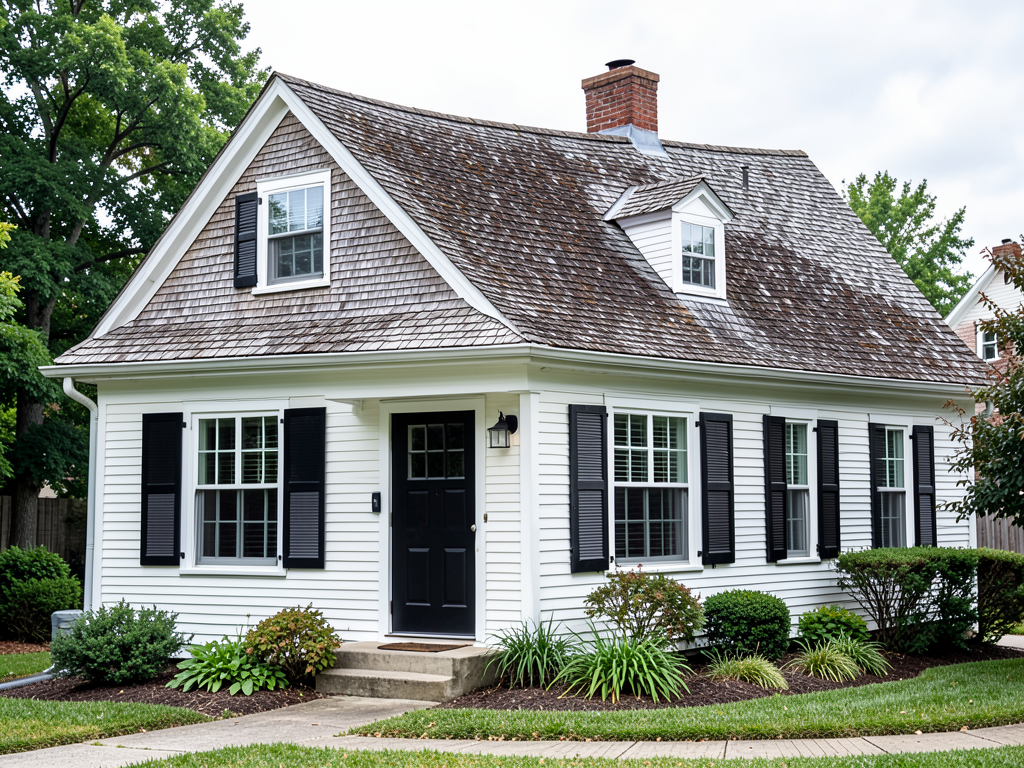
Why Your Roof Might Be the Reason Your Second Floor is Always Too Hot Is your second floor a sauna…

Why Your Roof Might Be the Reason Your Second Floor is Always Too Hot

Why Your Roof Might Be the Reason Your Second Floor is Always Too Hot Is your second floor a sauna…

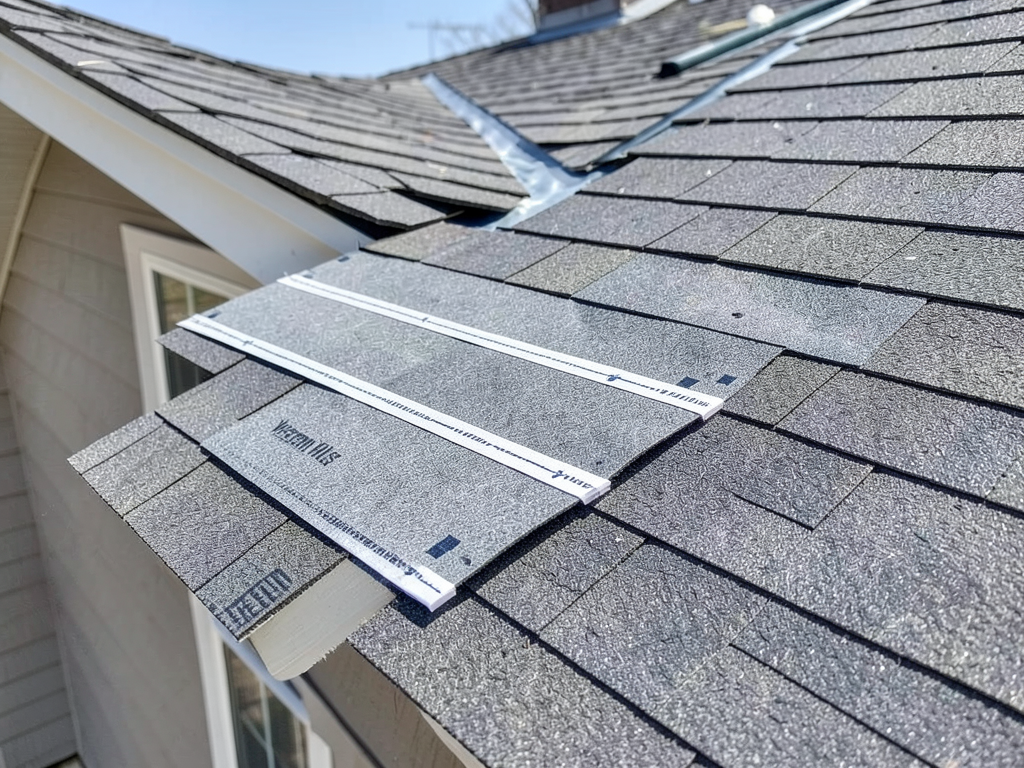
The Hidden Danger of Leaving Old Satellite Dishes Bolted to Your Roof

The Hidden Danger of Leaving Old Satellite Dishes Bolted to Your Roof Old satellite dishes bolted to Cincinnati roofs create…

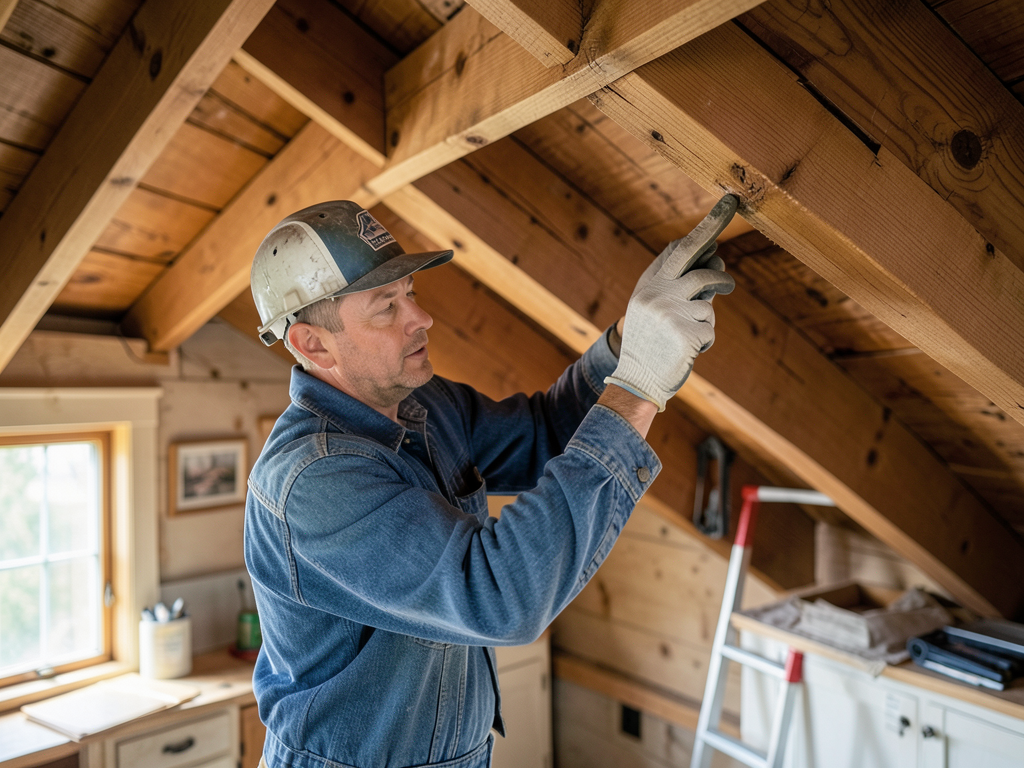
Common Signs Your Roof Decking is Getting Soft in Finneytown

Common Signs Your Roof Decking is Getting Soft in Finneytown Your roof decking forms the backbone of your entire roofing…

Contact Us

Water damage does not announce itself until it is too late. Schedule your commercial gutter assessment today. Call First Choice Roofing Cincinnati at (513) 223-5511. We provide detailed capacity analysis and project proposals within 48 hours.