Menu

TPO Roofing Installation in Cincinnati – Minimize Downtime and Protect Your Commercial Assets

First Choice Roofing Cincinnati delivers fast-tracked TPO roofing installation designed to keep your operations running while providing long-term waterproofing and energy efficiency for Cincinnati's commercial buildings.

Slider Image 1
Slider Image 2
Slider Image 3
Slider Image 4
Slider Image 5
Slider Image 7
Slider Image 8
Slider Image 9
Slider Image 10
Slider Image 11

Why Cincinnati Commercial Buildings Need TPO Membrane Roofing

Cincinnati's commercial properties face unique environmental pressures that demand durable, cost-effective roofing systems. The Ohio River Valley climate delivers freeze-thaw cycles that stress traditional roofing materials. Summer heat combined with high humidity accelerates membrane degradation. Winter temperatures drop below freezing, causing expansion and contraction that leads to seam failure in inferior systems.

Single-ply TPO roofing addresses these challenges directly. Thermoplastic Polyolefin installation provides heat-welded seams that remain watertight through temperature fluctuations. The white reflective surface reduces cooling loads during Cincinnati's humid summers, lowering operational expenses. TPO flat roof installation requires minimal slope, making it compatible with the low-profile commercial buildings common throughout Greater Cincinnati's industrial corridors and suburban office parks.

Commercial TPO roof systems outperform modified bitumen and EPDM in lifecycle cost analysis. The material resists punctures from rooftop equipment and HVAC maintenance traffic. Chemical resistance matters for manufacturing facilities near the I-75 industrial zone where airborne contaminants degrade lesser materials. TPO membrane roofing maintains flexibility at low temperatures while resisting UV damage during extended sun exposure.

Building code compliance in Hamilton County requires proper insulation values and fire ratings. TPO systems meet commercial building standards while providing installation speed that reduces business interruption. For warehouse operations, retail centers, and office buildings across Cincinnati, TPO roofing installation delivers measurable ROI through energy savings and reduced maintenance cycles.

Why Cincinnati Commercial Buildings Need TPO Membrane Roofing
How Professional TPO Installation Protects Your Investment

How Professional TPO Installation Protects Your Investment

Proper TPO roofing installation begins with substrate evaluation. We assess existing deck conditions, checking for moisture damage, structural integrity, and load-bearing capacity. Warehouses in Queensgate and manufacturing facilities in Norwood often have substrate issues that require remediation before membrane installation. Failing to address deck damage leads to premature system failure regardless of membrane quality.

Insulation selection impacts both energy performance and system longevity. We calculate R-values based on your building use and HVAC capacity. Polyisocyanurate boards provide superior insulation while creating a stable base for TPO membrane roofing. Proper fastening patterns resist wind uplift, critical for exposed rooftops in Cincinnati's wind zone classification.

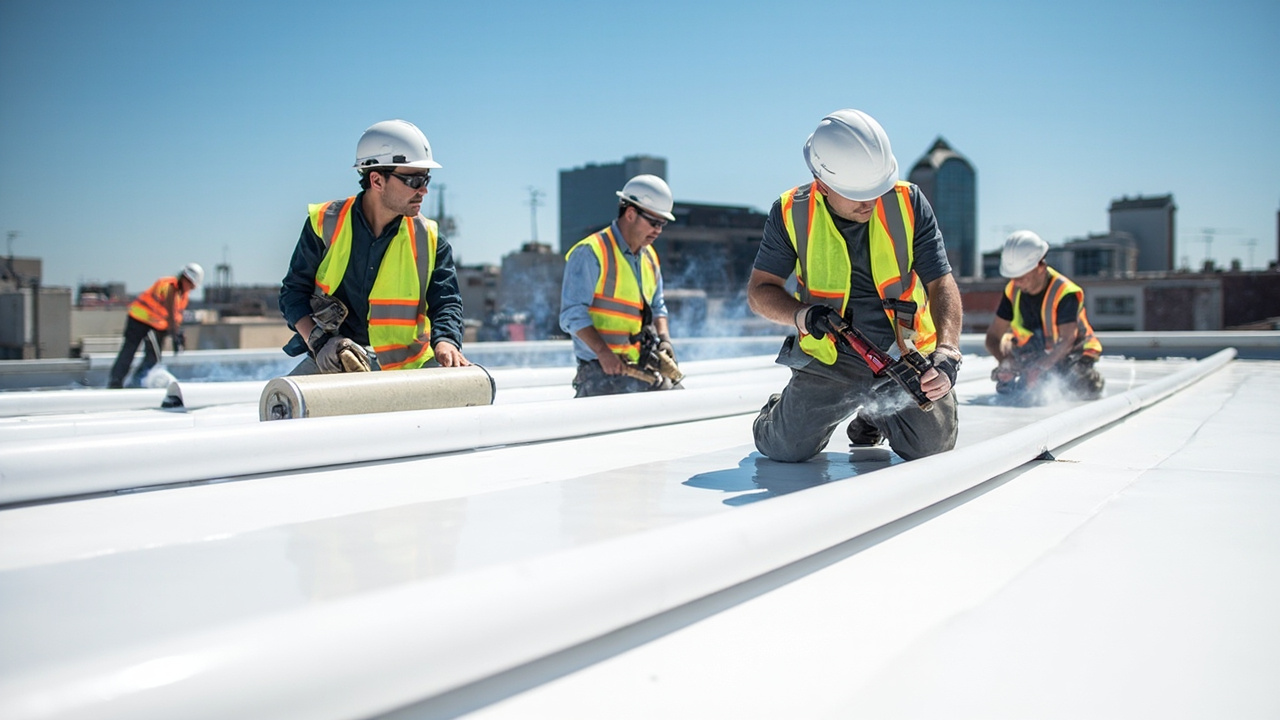
Seam welding separates professional installation from failures. We use hot-air welding equipment calibrated to TPO's specific temperature requirements. Each seam receives probe testing to verify watertight integrity. Flashing details around HVAC curbs, pipe penetrations, and parapet walls require custom fabrication. These transition points create vulnerabilities when installers use generic solutions instead of engineered details.

First Choice Roofing Cincinnati coordinates installation to minimize operational disruption. We schedule work around your business hours, contain debris, and maintain safe access to loading docks and employee entrances. Our crews understand that commercial TPO roof systems require speed without compromising quality. Thermoplastic Polyolefin installation proceeds in phases for occupied buildings, ensuring weather protection throughout the project. We document progress with photo records and maintain communication with facility managers to address concerns before they become problems.

What Happens During Your Commercial TPO Roof Installation

TPO Roofing Installation in Cincinnati – Minimize Downtime and Protect Your Commercial Assets
01

Roof Assessment and Planning

Our team conducts a detailed roof inspection, documenting existing conditions, measuring square footage, and identifying structural concerns. We review building plans, confirm load ratings, and develop a phased installation schedule that aligns with your operational requirements. You receive a comprehensive scope document outlining materials, timeline, and site logistics before work begins.
02

Membrane Installation and Welding

Crews remove existing roofing if required, prepare the substrate, install insulation boards, and roll out TPO membrane sections. Hot-air welding equipment bonds seams at precise temperatures. Each seam undergoes probe testing to verify integrity. Flashing details are fabricated and installed around all penetrations, edges, and transitions. Quality control checks occur at each phase to ensure system performance.
03

Final Inspection and Documentation

We conduct a comprehensive final walkthrough, testing all seams and penetrations. You receive complete documentation including material certifications, installation photos, and maintenance guidelines. We coordinate final inspections if required by your jurisdiction. Your facility manager gets a maintenance schedule and emergency contact information. The roof is left clean, with all debris removed and access areas restored to original condition.

Why Cincinnati Businesses Choose First Choice Roofing for TPO Systems

Commercial roofing failures create liability exposure and operational disruption you cannot afford. First Choice Roofing Cincinnati understands the stakes. We have installed TPO membrane roofing on distribution centers in Blue Ash, office buildings in downtown Cincinnati, and manufacturing facilities throughout Hamilton County. Our crews know local building codes and inspection requirements.

Cincinnati's commercial building stock ranges from historic structures in Over-the-Rhine to modern warehouses near CVG Airport. Each building presents unique challenges. We have addressed structural limitations in older buildings where deck reinforcement preceded TPO installation. We have worked around occupied tenant spaces in multi-story office buildings where noise and access restrictions required careful coordination.

Our installation teams carry commercial liability coverage appropriate for high-value properties. We maintain relationships with local building officials and understand permit requirements across multiple jurisdictions. Projects in Norwood follow different procedures than installations in Mason or West Chester Township. We handle these administrative details so you can focus on running your business.

TPO roofing installation requires specialized equipment and trained installers. Our welding technicians understand membrane chemistry and temperature variables that affect seam strength. We stock TPO materials in multiple thicknesses and formulations to match your specific performance requirements. Rush orders for emergency repairs get prioritized because we maintain local supplier relationships.

First Choice Roofing Cincinnati provides references from Cincinnati-area businesses in your industry. We understand that downtime costs money. Our project managers communicate proactively, addressing concerns before they escalate. You get experienced professionals who show up on schedule and complete work as specified.

What to Expect from Your TPO Roofing Project

Project Timeline and Scheduling

Commercial TPO roof systems installation proceeds based on building size and complexity. A 20,000 square foot warehouse typically requires seven to ten working days. Larger facilities get phased to maintain operations. Weather delays are communicated immediately with revised schedules. We coordinate around your receiving schedules, shift changes, and access restrictions. Rush projects receive expedited material procurement and crew allocation. You get a detailed timeline before work begins, with daily updates during installation. Our goal is predictable completion with minimal business interruption.

Pre-Installation Assessment Process

Your project begins with a roof inspection using moisture meters and core samples if needed. We identify substrate damage, inadequate drainage, and structural concerns. You receive a written assessment detailing existing conditions and recommended solutions. Our estimators calculate insulation requirements based on building use and energy goals. We review access points, staging areas, and safety protocols with your facility manager. The assessment includes photos and measurements that inform accurate material ordering. This upfront analysis prevents surprises during installation and ensures your TPO system performs as specified.

Installation Quality and Performance

You get a fully adhered or mechanically fastened TPO membrane roofing system installed to manufacturer specifications. Heat-welded seams provide watertight integrity superior to glued or taped systems. All penetrations receive custom-fabricated flashings designed for your specific equipment. We install walkway pads at high-traffic areas to protect the membrane from maintenance damage. Final inspection includes seam probe testing and a comprehensive punch list walkthrough. Your roof meets Cincinnati building code requirements and passes all required inspections. The completed system provides immediate weather protection and long-term performance.

Maintenance and Long-Term Support

TPO flat roof installation requires periodic inspection to maximize lifespan. We provide maintenance guidelines specific to your system, identifying areas requiring regular attention. Biannual inspections catch minor issues before they become expensive problems. Our service team responds to leak calls and performs repairs using proper welding techniques and compatible materials. You receive documentation for each service visit, creating a maintenance history that preserves asset value. Emergency response is available for storm damage or unexpected failures. We help you develop a preventive maintenance plan that protects your investment and extends roof life.

Frequently Asked Questions

You Have Questions,
We Have Answers

What are the disadvantages of TPO roofing? +

TPO roofing can shrink over time, which stresses seams and fasteners. The membrane is more puncture-prone than EPDM, requiring careful installation and traffic management. Quality varies widely between manufacturers, so selecting a reputable brand is critical. TPO seams depend on heat-welding, meaning improper installation leads to premature failure. In Cincinnati, IN, freeze-thaw cycles can accelerate membrane degradation if the material is lower-grade. TPO also shows dirt and staining more visibly than darker membranes. For commercial facilities prioritizing longevity and minimal maintenance, understanding these limitations before installation prevents costly surprises down the line.

What goes under a TPO roof? +

A TPO roof requires a layered system for performance and longevity. The structural deck, often metal or plywood, sits at the base. A cover board, such as gypsum or high-density polyiso, provides impact resistance and protects the insulation layer below. Insulation, typically polyisocyanurate or expanded polystyrene, improves energy efficiency and meets building code requirements. A vapor barrier may be installed if condensation is a concern, especially in Cincinnati's humid climate. The TPO membrane goes on top, mechanically attached, fully adhered, or ballasted. Proper layering prevents moisture intrusion, improves thermal performance, and extends roof life for commercial properties.

Should TPO roofing be glued down? +

Fully adhered TPO systems offer superior wind uplift resistance and fewer penetrations compared to mechanically fastened systems. Adhesive application creates a monolithic bond between the membrane and substrate, which is critical for high-wind zones or buildings with strict leak prevention requirements. In Cincinnati, IN, where severe weather can generate damaging wind loads, gluing down TPO reduces the risk of blow-offs. Adhesive systems also perform better on irregularly shaped roofs or areas with heavy foot traffic. The trade-off is higher labor cost and longer installation time, but the enhanced performance and reduced liability make it a sound investment for commercial facilities.

Can you put TPO directly over plywood? +

You can install TPO over plywood, but code compliance and proper preparation are non-negotiable. The plywood must be structurally sound, dry, and meet thickness requirements for your building type. A cover board is strongly recommended to protect the membrane from wood grain telegraphing and punctures. In Cincinnati, IN, moisture control is critical due to seasonal humidity, so a vapor barrier may be required to prevent condensation buildup between the plywood and membrane. Direct application without these layers increases risk of premature failure. Always consult local building codes and a commercial roofing professional before specifying TPO over plywood substrates.

How many years does a TPO roof last? +

A properly installed TPO roof lasts 15 to 25 years, depending on membrane thickness, installation quality, and maintenance. Commercial facilities in Cincinnati, IN, see varying lifespans based on exposure to UV radiation, freeze-thaw cycles, and maintenance frequency. Thicker membranes, such as 60 mil or 80 mil, resist weathering better than thinner options. Regular inspections, prompt repairs, and keeping drains clear extend service life. Foot traffic, ponding water, and harsh winters accelerate wear. TPO's heat-reflective properties slow thermal degradation, but neglecting maintenance shortens lifespan. Budget for professional inspections every two years to maximize your investment.

Why do insurance companies not like flat roofs? +

Insurance companies view flat roofs as higher-risk due to ponding water, which accelerates leaks and structural damage. Flat roofs require diligent maintenance to prevent membrane failure, clogged drains, and water infiltration. In Cincinnati, IN, where heavy rainfall and snow accumulation are common, insurers price policies to reflect the increased likelihood of water damage claims. Commercial flat roofs also experience more foot traffic and HVAC equipment weight, raising the risk of punctures and premature wear. Underwriters may require higher premiums, lower coverage limits, or proof of regular maintenance to offset this risk exposure.

Which roof is better, EPDM or TPO? +

TPO offers superior heat-reflectivity and energy efficiency compared to black EPDM, making it ideal for commercial facilities prioritizing cooling cost reduction. EPDM is more flexible, handles expansion and contraction better, and resists punctures more effectively. TPO seams are heat-welded, creating stronger bonds than EPDM's tape or adhesive seams. In Cincinnati, IN, TPO performs well in facilities with high cooling loads, while EPDM suits buildings needing extreme weather flexibility. EPDM costs less upfront, but TPO's energy savings offset the price difference over time. Your building's thermal profile, budget, and expected roof traffic determine the better choice.

Why does a TPO roof leak? +

TPO roofs leak when seams fail due to poor heat-welding during installation. Inadequate overlap, contaminated membrane surfaces, or incorrect welding temperature create weak bonds that separate under stress. Punctures from foot traffic, HVAC maintenance, or debris also cause leaks. In Cincinnati, IN, freeze-thaw cycles stress improperly installed flashings around penetrations, allowing water infiltration. Ponding water accelerates membrane breakdown, especially on roofs with inadequate drainage. Shrinkage pulls seams apart over time if the membrane was improperly fastened. Regular inspections catch these issues early, preventing minor problems from escalating into costly interior damage and business disruption.

What is the difference between 60 mil and 80 mil TPO? +

Membrane thickness determines durability and lifespan. 60 mil TPO is thinner, costs less, and works for low-traffic roofs with minimal equipment. 80 mil TPO offers better puncture resistance, longer warranties, and superior performance in high-traffic environments or buildings with heavy HVAC loads. In Cincinnati, IN, commercial facilities with frequent rooftop access or exposure to storm debris benefit from 80 mil thickness. The thicker membrane resists UV degradation and thermal cycling better, reducing long-term maintenance costs. While 80 mil costs more upfront, the enhanced durability and reduced risk of premature failure justify the investment for facilities prioritizing asset protection.

How thick should a TPO roof be? +

Commercial TPO roofs should be 60 mil minimum, with 80 mil recommended for high-traffic facilities or severe weather exposure. Thicker membranes resist punctures, weathering, and UV degradation more effectively. In Cincinnati, IN, where freeze-thaw cycles and seasonal storms stress roofing systems, 80 mil TPO reduces the likelihood of premature failure. Building codes, warranty requirements, and expected roof use determine minimum thickness. Facilities with rooftop HVAC units, frequent maintenance access, or high liability exposure should prioritize thicker membranes. Consult a commercial roofing professional to match membrane thickness to your building's specific performance and risk management requirements.

How Cincinnati's Freeze-Thaw Cycles Demand Superior TPO Installation

Cincinnati experiences an average of 22 freeze-thaw cycles annually, stressing roofing systems through repeated expansion and contraction. Ice forms in gaps and seams, then melts during daytime warming. This cycle forces water into vulnerable areas, causing progressive damage. Single-ply TPO roofing resists this stress through heat-welded seams that remain flexible at low temperatures. The thermoplastic material maintains elasticity where EPDM and modified bitumen crack. Commercial buildings near the Ohio River face additional moisture exposure from valley fog and high humidity. Proper Thermoplastic Polyolefin installation with adequate insulation prevents condensation and ice damming that plague inferior systems.

Hamilton County building codes require commercial roofs to meet specific wind uplift and fire ratings. First Choice Roofing Cincinnati maintains current knowledge of local requirements and inspection procedures. Our crews work regularly with Cincinnati building inspectors who recognize our commitment to code compliance. We understand the permitting differences between downtown projects and suburban installations. Local expertise matters when coordinating with crane operators for material lifts or scheduling inspections around city schedules. Cincinnati businesses need contractors who know local suppliers for emergency material delivery and understand regional labor availability for large projects. Our established presence means faster response and reliable project completion.
Roofing Services in The Cincinnati Area

We are proud to serve the entire Cincinnati metro area and surrounding communities, bringing our top-tier roofing expertise right to your neighborhood. Use the map below to visualize our primary service region and get directions to our main office for material samples or in-person consultations. Whether you are downtown or on the outskirts, First Choice Roofing is committed to being your most convenient and reliable local roofing partner. Contact us to confirm service availability at your specific address.

Address:
First Choice Roofing Cincinnati, 2337 Victory Pkwy, Cincinnati, OH, 45206

Additional Services We Offer

Our news updates

Latest Articles & News from The Blogs

Why your Western Hills home needs high-wind starter shingles even if you aren't in a hurricane zone Your Western Hills…

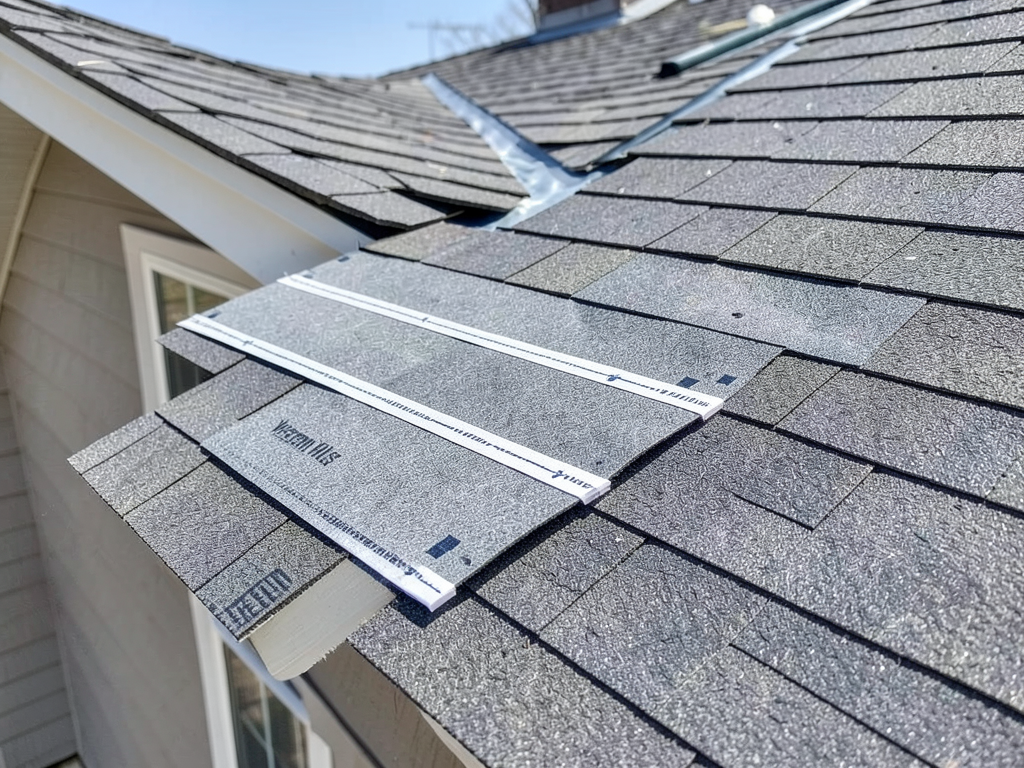
Why your Western Hills home needs high-wind starter shingles even if you aren't in a hurricane zone

Why your Western Hills home needs high-wind starter shingles even if you aren't in a hurricane zone Your Western Hills…

Understanding the structural limits of your older Norwood roof before switching to heavy clay tiles

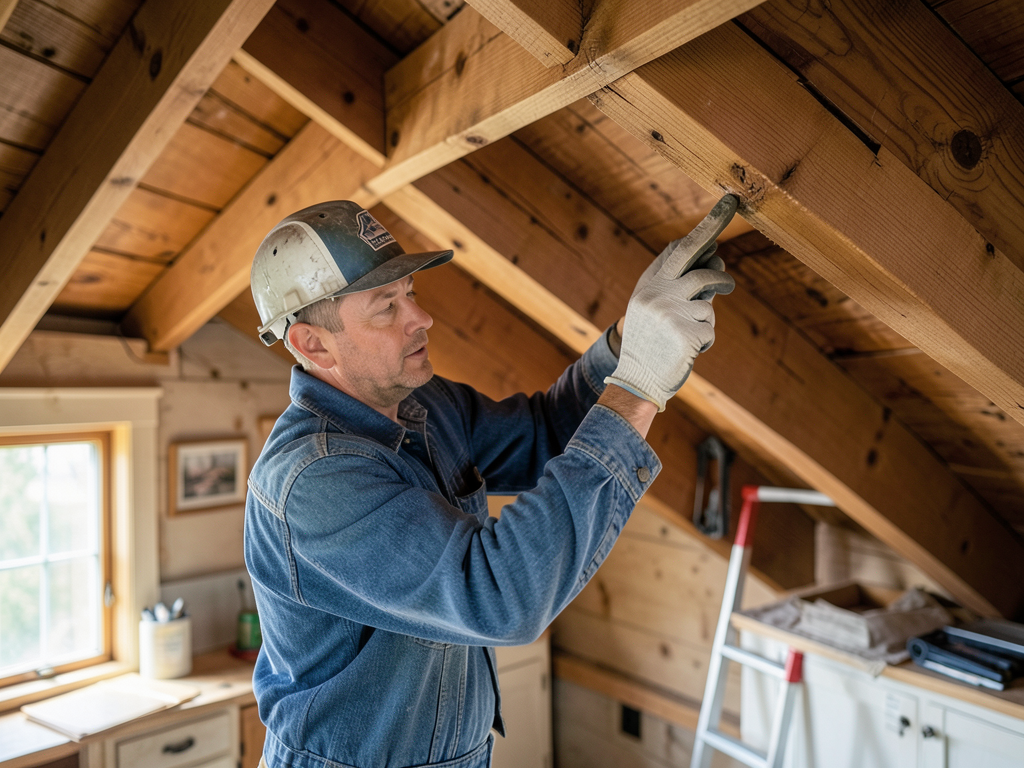
Understanding the structural limits of your older Norwood roof before switching to heavy clay tiles Norwood’s charming older homes built…

The best roofing colors for a Dutch Colonial home in the Gaslight District of Clifton

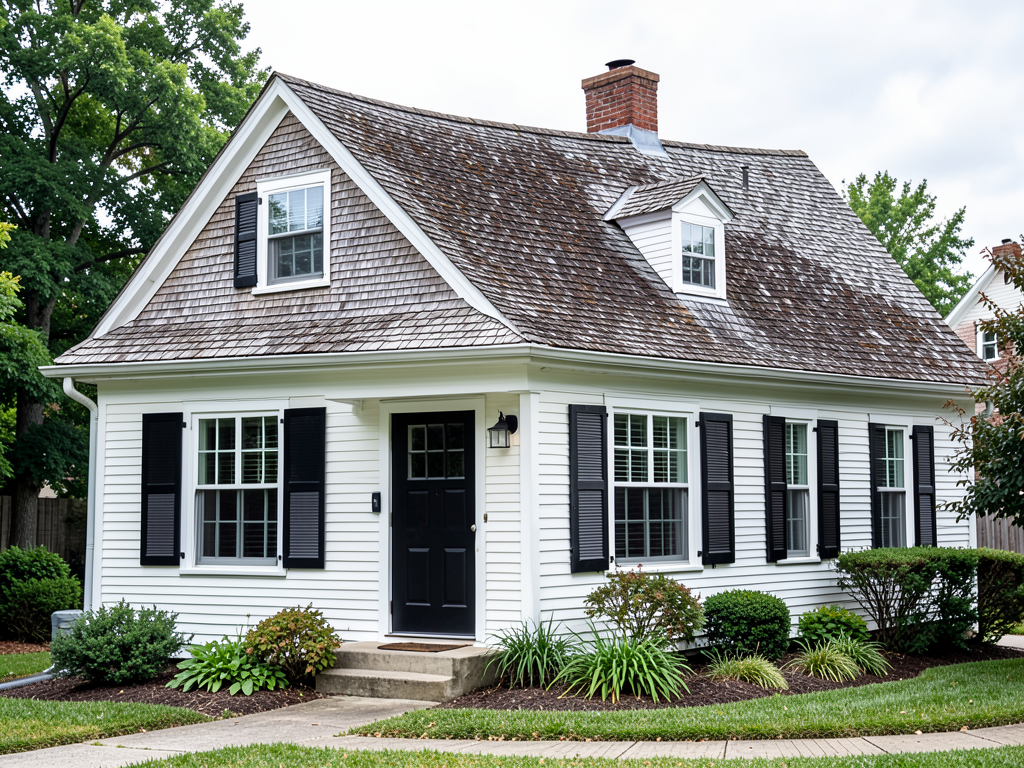
Choosing the Perfect Roof Color for Your Dutch Colonial Home in Clifton The gambrel roof of your Dutch Colonial home…

Contact Us

Protect your Cincinnati business with professional TPO roofing installation. Call First Choice Roofing Cincinnati at (513) 223-5511 for a detailed assessment and project timeline. We provide transparent estimates and schedule work around your operations.