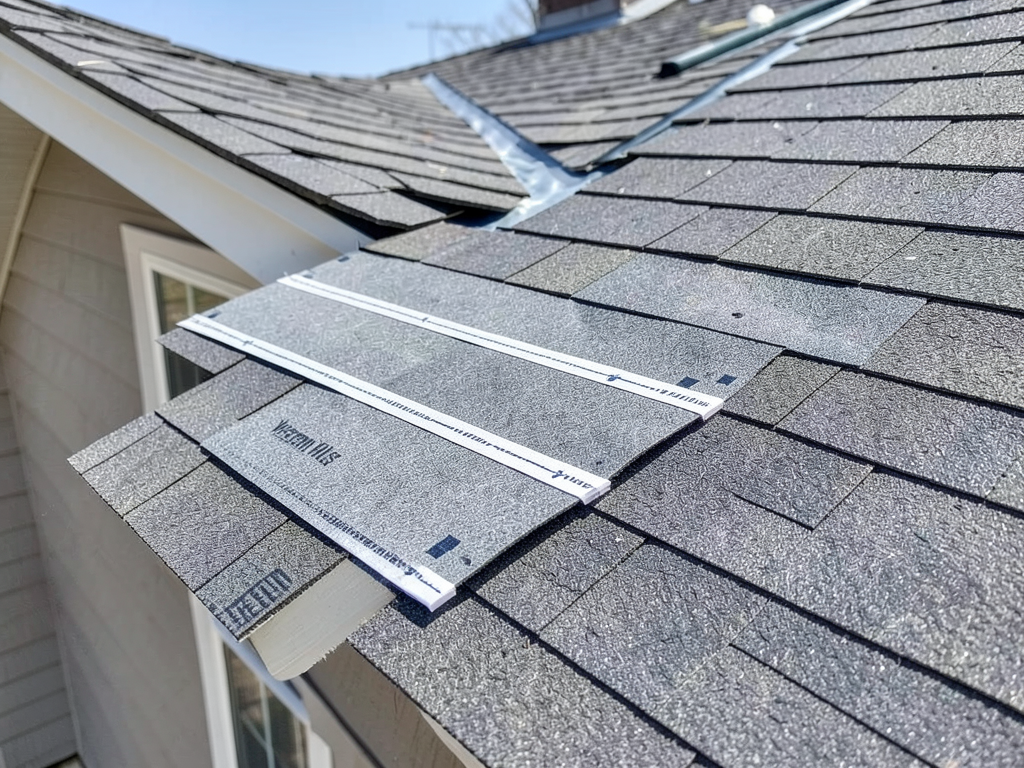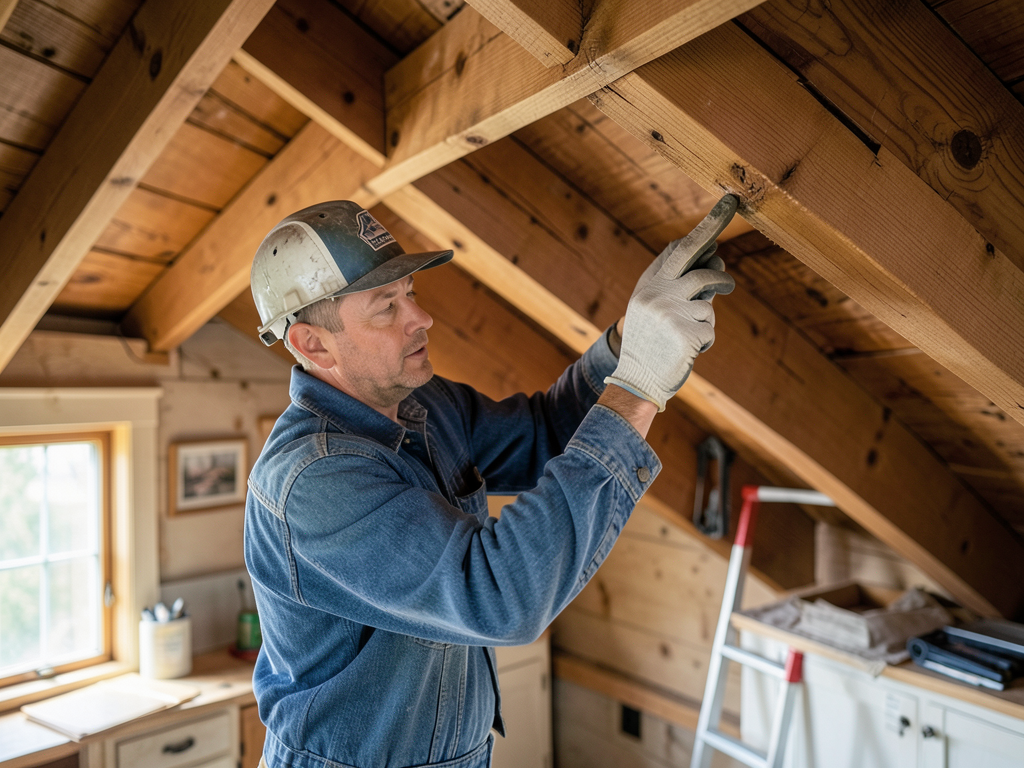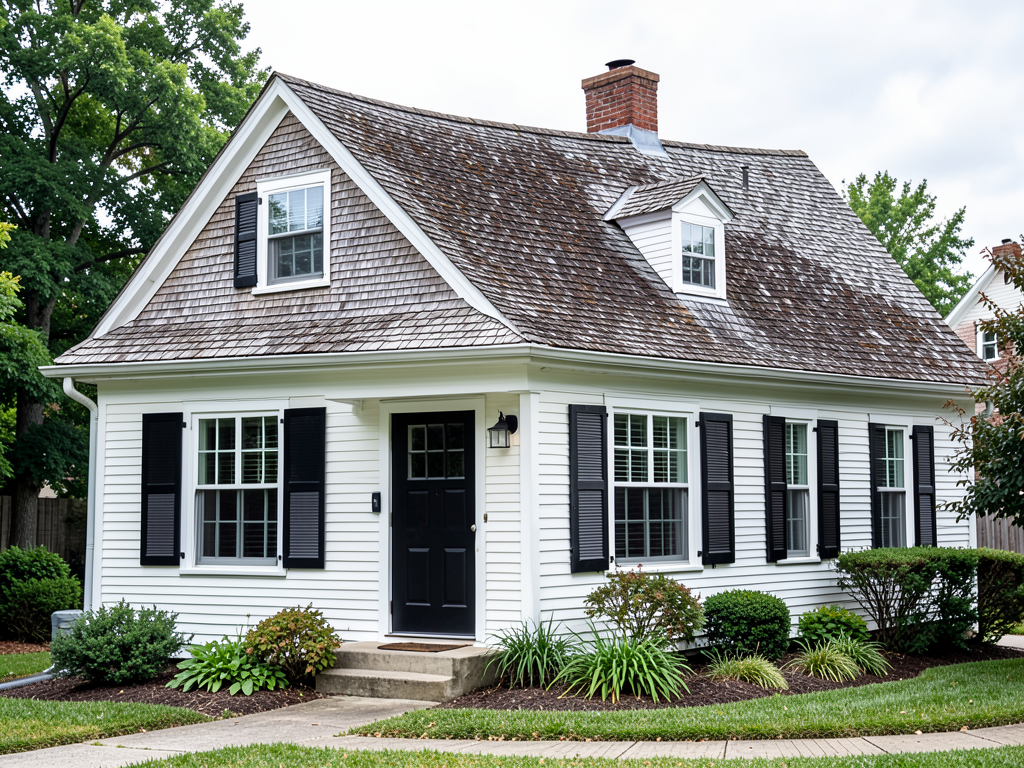


Cincinnati experiences dramatic temperature swings that most homeowner roofing manuals ignore. Winter mornings drop to 20 degrees, then afternoons climb to 45 degrees. This daily freeze-thaw cycle drives water into microscopic gaps where it expands and contracts, progressively widening openings in flashing, shingles, and sealants. The Ohio River Valley's 70 percent average humidity keeps materials damp longer than in drier climates, accelerating deterioration. Spring brings severe thunderstorms with hail and high winds that test installation quality. These conditions require specific material choices and installation techniques that generic residential roofing guides never address.
Local building departments in Hamilton County enforce specific codes based on regional weather data and historical performance. Contractors familiar with these requirements navigate permit processes efficiently and install systems that meet or exceed minimum standards. Community relationships matter when you need emergency repairs or schedule around busy seasons. Established local providers maintain inventory for common Cincinnati roof configurations and understand which suppliers stock materials that perform well in this climate. That familiarity translates to faster project completion, better material selection, and reliable follow-up service when questions arise years after installation.