




Hamilton sits in the northern Indiana climate zone where roofs face serious stress from seasonal extremes. Winter temperatures drop below freezing for extended periods, creating ice dam conditions along eaves and valleys. Spring brings severe thunderstorms with straight-line winds exceeding 60 mph, tearing off shingles and flashing. Summer heat causes asphalt shingles to expand and contract, while autumn delivers heavy leaf accumulation that traps moisture in valleys.
The homes near Hague Park and around the Historic District were built between 1920 and 1960, many with original roofing structures that need reinforcement to meet modern wind load requirements. Properties near the railroad corridor experience additional vibration stress on fasteners and flashing. The clay-heavy soil common throughout Hamilton creates foundation movement that can stress roof framing connections.
Local building codes require specific wind resistance ratings and proper ventilation to prevent ice dams. Many Hamilton roofs need upgraded attic insulation and ridge venting to handle the temperature swings between 90-degree summers and sub-zero winters. Without proper drainage and flashing, water infiltration leads to rot in the roof deck, damaged insulation, and interior ceiling damage that costs thousands to repair.
First Choice Roofing Cincinnati has protected homes across Hamilton and northern Indiana for over two decades. We built our reputation responding to emergency calls during severe weather events, but we stay busy because homeowners trust our complete approach to roof protection. When you call us, you get a team that understands Indiana building codes, works directly with insurance adjusters, and completes jobs on schedule.
Most roofing companies send salespeople to your home who have never worked on a roof. Our estimates come from experienced installers who know what they will find when they tear off your old shingles. We provide accurate quotes because we have seen thousands of roof decks and know what Hamilton homes need. No surprise charges, no change orders, no excuses.
We maintain relationships with local building inspectors and supply houses, which means we schedule inspections quickly and get materials fast. When storm damage hits Hamilton, other companies wait weeks for shingles. We stock inventory and have supplier agreements that keep your project moving. Our crews show up when scheduled, work full days, and clean up completely before they leave.
Insurance claims frustrate homeowners because adjusters minimize damage and delay payments. We document every issue, meet adjusters on site, and provide detailed estimates that match insurance company formats. We have recovered thousands of dollars in claims that adjusters initially denied. You should not have to fight your insurance company alone while your roof leaks.

Roof leaks and storm damage do not wait for business hours. Our emergency response team answers calls 24/7 and dispatches crews to tarp damaged roofs, stop active leaks, and prevent further water intrusion. We arrive fast, assess damage accurately, and protect your home immediately while planning permanent repairs.

We handle insurance documentation from initial damage assessment through final payment. Our detailed reports include photos, measurements, and material specifications that match insurance company requirements. We meet adjusters on site, advocate for complete coverage, and help you navigate the claims process without the runaround.
Every installer on our crews holds manufacturer certifications for the roofing systems we install. We follow exact specifications for underlayment, flashing, ventilation, and fastener placement. Our work passes inspection the first time because we know Indiana building codes and install roofs that meet wind resistance and energy efficiency standards.
We have worked on hundreds of roofs across Hamilton neighborhoods from the older homes near downtown to newer construction on the east side. We know which roof styles hold up best in northern Indiana weather, how to address common ventilation problems in local home designs, and where building inspectors focus attention.
First Choice Roofing Cincinnati handles every type of residential roofing project from emergency leak repairs to complete roof replacements. We work with all major roofing materials including asphalt shingles, architectural shingles, metal roofing, and flat roof systems. Our services cover emergency damage response, planned replacements, preventive maintenance, and insurance restoration work.
Hamilton homeowners need different solutions depending on their roof age, home style, and budget. We assess each situation and recommend the right approach rather than pushing expensive solutions you do not need. Sometimes a targeted repair extends your roof life by years. Other times, continuing to patch an old roof wastes money compared to replacement. We provide honest assessments based on actual roof conditions, not sales quotas.
Our comprehensive approach includes roof deck inspection and repair, proper ventilation installation, ice dam prevention systems, gutter coordination, and attic insulation evaluation. A roof system only works when every component functions together. We address underlying issues that cause premature failure so your new roof delivers its full lifespan.
When severe weather tears off shingles or falling trees puncture your roof, you need immediate protection. Our emergency repair service includes 24/7 dispatch, temporary tarping to stop water intrusion, damage assessment, and permanent repairs scheduled quickly. We secure your home first, then work with your insurance company to document damage and coordinate full restoration. Emergency repairs prevent minor damage from becoming major interior destruction.
Full roof replacement involves removing all existing shingles, inspecting and repairing the roof deck, installing new underlayment and ice barrier, upgrading ventilation systems, and installing new shingles or metal roofing. We coordinate every phase from material selection through final inspection. Our replacement projects typically complete in two to four days depending on home size and weather. We handle permits, inspections, and cleanup so you get a worry-free experience.
Insurance restoration requires detailed documentation, adjuster meetings, and claims advocacy. We inspect damage thoroughly, photograph every issue, prepare estimates in insurance company format, and meet adjusters on site to ensure complete damage assessment. Many insurance companies initially underpay claims or deny coverage for legitimate damage. We provide the documentation and expertise needed to secure fair settlements that cover complete roof restoration to pre-loss condition.
Hamilton's climate creates specific roofing challenges that homeowners need to address before minor issues become expensive damage. The freeze-thaw cycle stresses shingles and flashing, creating entry points for water. Wind events tear off shingles and lift roof edges. Poor attic ventilation traps heat and moisture, shortening shingle life and creating ice dams in winter. Many Hamilton homes have outdated roofing materials or improper installation from previous contractors.
Understanding these common problems helps homeowners recognize warning signs before roof failure causes interior damage. Water stains on ceilings, missing shingles after storms, ice dams forming along eaves, and excessive energy costs all indicate roofing system problems that need professional evaluation. Addressing issues early saves thousands compared to emergency repairs after water damage destroys insulation, framing, and interior finishes.
Ice dams form when heat escaping through inadequate attic insulation melts snow on the roof. Water runs down to cold eaves where it refreezes, creating a dam that forces water under shingles. This causes rot in roof decking and insulation damage. Proper attic insulation, ventilation, and ice barrier installation prevent ice dam problems.
Northern Indiana experiences frequent high wind events that lift and tear shingles, especially on older roofs with brittle shingles or improper fastening. Missing shingles expose underlayment and roof deck to water infiltration. Wind damage often affects larger areas than homeowners realize because adjacent shingles lose seal integrity even when they remain in place.
Hail storms crack shingle granules and create bruising that accelerates weathering. Damaged shingles lose granule protection within months, exposing the asphalt mat to UV degradation and water absorption. Insurance companies often dispute hail damage claims, but proper documentation reveals impact patterns that prove storm damage versus normal wear.
Many Hamilton homes lack proper ridge and soffit ventilation, trapping hot air in attics during summer. Excessive heat cooks shingles from below, causing premature aging and voiding manufacturer warranties. Poor ventilation also traps moisture in winter, promoting rot and mold growth. Ventilation upgrades extend roof life and reduce energy costs.
First Choice Roofing Cincinnati operates differently than typical roofing contractors. We answer phones promptly, show up for appointments on time, and communicate throughout your project. You will know who is working on your roof, what they are doing each day, and when the job will finish. Our project managers stay in contact from estimate through final inspection.
We protect your property during work. Tarps cover landscaping, magnetic rollers collect nails, and we inspect your yard multiple times daily. Our crews arrive early, work full days, and clean up completely before leaving each evening. You will not have roofing debris scattered across your property for weeks.
Most importantly, we complete work correctly the first time. Our installations pass building inspection without corrections because we know code requirements and follow manufacturer specifications exactly. When we finish your roof, you receive warranty documentation, inspection certificates, and information about maintenance that protects your investment.
You will receive a detailed written estimate explaining all work, materials, and costs before we start. No hidden fees or surprise charges appear later. During the project, your project manager contacts you daily with progress updates and addresses any questions immediately. If we discover unexpected damage during tear-off, we document it with photos, explain options, and get your approval before proceeding with repairs.
Our installation crews arrive in marked vehicles, wear company uniforms, and treat your home with respect. They work efficiently without shortcuts, follow safety protocols, and maintain a clean work site. We do not subcontract your roof to unknown crews. Every person working on your home is a trained First Choice Roofing Cincinnati employee who understands our quality standards and customer service expectations.
Before we call your job complete, our quality control inspector examines every aspect of the installation from flashing details to ventilation function. We verify proper fastener placement, check seal integrity, and confirm that all penetrations are properly sealed. You receive manufacturer warranty documentation and our workmanship guarantee in writing. If any issues appear, we return promptly to make them right.
We designed our roofing process to minimize stress and confusion. You get clear information at each phase, accurate timelines, and consistent communication. Most residential roofing projects move from initial contact to completion within two to three weeks depending on weather and material availability.
We start with a thorough roof inspection, examining shingles, flashing, ventilation, gutters, and attic conditions. Our inspector measures your roof, photographs damage or wear, and discusses your concerns. You receive a detailed written estimate explaining all work, materials, costs, and timeline. We answer questions and explain options without pressure. If you are filing an insurance claim, we coordinate with your adjuster.
On installation day, our crew arrives early with all materials and equipment. We protect your property with tarps and ground protection, then begin tear-off. As we remove old shingles, we inspect roof deck condition and repair any damaged sections. We install new underlayment, ice barrier, flashing, and ventilation components before installing your new roofing material. Work proceeds efficiently with daily cleanup.
After installation, our quality inspector examines all work to verify proper installation. We schedule the building inspection, walk through the completed project with you, and address any questions. Our crew performs final cleanup including magnetic nail sweeps of your entire property. You receive warranty documentation, care instructions, and our contact information for any future needs.
Professional roofing involves more than nailing shingles to roof deck. Indiana building codes specify requirements for wind resistance, fire rating, ventilation, and energy efficiency. Hamilton falls under northern Indiana climate zone requirements that mandate specific underlayment types, ice barrier installation, and ventilation calculations based on attic square footage.
Wind resistance ratings matter in Hamilton because severe thunderstorms regularly produce winds exceeding 60 mph. Shingles must meet ASTM D3161 Class F wind resistance standards, which requires proper fastener placement using six nails per shingle in specific locations. Many roofers use only four nails to save time, but this voids manufacturer warranties and fails to meet code requirements for our wind zone.
Ice barrier installation is required along eaves in northern Indiana. Building code mandates ice barrier coverage extending at least 24 inches inside the exterior wall line. For homes with low roof pitch or history of ice dam problems, we extend ice barrier coverage into valleys and up rake edges. Proper ice barrier prevents water infiltration when ice dams form during freeze-thaw cycles.
Ventilation requirements follow the 1:300 rule, meaning one square foot of net free ventilation area for every 300 square feet of attic space. This requires both intake ventilation at soffits and exhaust ventilation at ridge or gable ends. Balanced ventilation prevents moisture accumulation, reduces cooling costs, and extends shingle life. Many Hamilton homes have blocked soffit vents or inadequate ridge ventilation that we correct during roof replacement.
Roof deck attachment standards require proper fastener spacing in sheathing and rafters. In high wind zones, building inspectors verify fastener patterns during framing inspection. During roof replacement, we replace damaged sheathing and verify proper nailing before installing underlayment. Weak or improperly fastened roof decking causes catastrophic failure during severe weather events.
Shingle quality ranges from basic three-tab to premium architectural shingles with 50-year warranties. Better shingles cost more initially but last longer and increase home value. We install GAF, Owens Corning, and CertainTeed products with proper underlayment and ventilation to maintain warranty coverage. Material choice depends on your budget, home style, and long-term plans.
Roof replacement cost depends on square footage, pitch, material choice, and existing damage. Steeper roofs require more safety equipment and labor time. Multiple layers of old shingles increase tear-off cost. Rotted decking adds repair expenses. We provide detailed estimates explaining all cost factors so you understand what drives the investment in your roof protection.
Most residential roof replacements complete in two to four days depending on size and complexity. Weather delays are possible since we cannot install shingles in rain or extreme temperatures. We monitor forecasts carefully and schedule projects during stable weather windows. Emergency repairs happen regardless of weather because stopping active leaks takes priority over ideal installation conditions.
Hamilton requires building permits for roof replacement and major repairs. We handle permit applications and schedule required inspections. Building inspectors verify proper installation, ventilation, and code compliance. Our installations pass inspection without corrections because we know exactly what inspectors check and follow all requirements during installation.
This video explains common roofing problems in Hamilton, Indiana including ice dam formation, wind damage, hail impact, and ventilation issues. Learn when roof damage requires emergency repair versus full replacement, how to document storm damage for insurance claims, and what installation standards matter for northern Indiana climate conditions. First Choice Roofing Cincinnati demonstrates warning signs of roof failure and proper assessment techniques for homeowners.
First Choice Roofing Cincinnati serves the entire Hamilton area from the Historic District near downtown to newer developments on the east side and established neighborhoods surrounding Hague Park. We work throughout northern Indiana including communities along State Road 1 and the areas near the railroad corridor that runs through the center of town.
Hamilton's housing stock varies considerably across different neighborhoods. The older homes near downtown and around the Historic District feature steeper roof pitches and more complex roof lines with multiple valleys and dormers. These homes often need more extensive flashing work and careful attention to architectural details that modern homes lack. Properties in these established areas frequently have original roof framing from the 1920s through 1950s that requires structural assessment during replacement.
The east side neighborhoods contain newer construction from the 1980s forward with simpler roof designs but often inadequate ventilation systems installed by production builders. These homes benefit from ventilation upgrades during roof replacement to prevent premature shingle failure and reduce cooling costs. We have corrected numerous ventilation problems in these areas where blocked soffit vents and undersized ridge vents trapped attic heat.
Properties near the industrial areas along the railroad experience additional stress from vibration and airborne contaminants that accelerate roof aging. We recommend upgraded underlayment and more frequent inspection for homes in these locations. The northern areas of Hamilton toward the county line feature larger lots with mature trees that create specific challenges during storm events when falling branches damage roofs.
Wind patterns across Hamilton vary based on proximity to open areas and tree coverage. Homes on the west side face prevailing winds with fewer windbreaks, making proper fastener placement and edge sealing critical for long-term performance. We adjust installation techniques based on exposure factors specific to each location. Our experience across all Hamilton neighborhoods means we understand the unique roofing needs of your property regardless of where you live in the area.
Roofing a 20x20 garage in Hamilton typically depends on material choice and existing structure condition. For standard three-tab asphalt shingles, you can expect moderate pricing, while architectural shingles or metal roofing will cost more. Factor in tear-off of old materials, decking repairs if water damage exists, and ventilation upgrades. Hamilton's freeze-thaw cycles can hide structural issues that add cost once work begins. Local building codes may require specific underlayment or flashing details. Get a detailed inspection first to understand what your garage actually needs beyond just shingle replacement.
Roof replacement costs in Hamilton vary widely based on square footage, pitch complexity, material selection, and structural repairs needed. A typical residential roof ranges from budget-friendly for basic three-tab shingles to premium for architectural shingles or metal systems. Hamilton's weather patterns, including ice damming potential and storm exposure, often reveal hidden damage during tear-off that increases final costs. Factors like multiple roof planes, chimney flashing, skylight integration, and ventilation upgrades all impact pricing. Request itemized quotes from local contractors familiar with Hamilton's climate challenges and building requirements for accurate budgeting.
Most roofers in Hamilton do not charge hourly rates for residential projects. They bid jobs as complete packages based on square footage, materials, labor complexity, and project scope. Commercial or repair work may involve hourly rates for smaller tasks, but full replacements use per-square pricing or flat project bids. This protects you from cost overruns and gives contractors flexibility to work efficiently. When comparing quotes, focus on what is included in the total price rather than breaking down hourly labor, which does not reflect how roofing projects are actually priced in the industry.
Roofing a 20x20 garage in Hamilton typically depends on material choice and existing structure condition. For standard three-tab asphalt shingles, you can expect moderate pricing, while architectural shingles or metal roofing will cost more. Factor in tear-off of old materials, decking repairs if water damage exists, and ventilation upgrades. Hamilton's freeze-thaw cycles can hide structural issues that add cost once work begins. Local building codes may require specific underlayment or flashing details. Get a detailed inspection first to understand what your garage actually needs beyond just shingle replacement.
Roof replacement costs in Hamilton vary widely based on square footage, pitch complexity, material selection, and structural repairs needed. A typical residential roof ranges from budget-friendly for basic three-tab shingles to premium for architectural shingles or metal systems. Hamilton's weather patterns, including ice damming potential and storm exposure, often reveal hidden damage during tear-off that increases final costs. Factors like multiple roof planes, chimney flashing, skylight integration, and ventilation upgrades all impact pricing. Request itemized quotes from local contractors familiar with Hamilton's climate challenges and building requirements for accurate budgeting.
Most roofers in Hamilton do not charge hourly rates for residential projects. They bid jobs as complete packages based on square footage, materials, labor complexity, and project scope. Commercial or repair work may involve hourly rates for smaller tasks, but full replacements use per-square pricing or flat project bids. This protects you from cost overruns and gives contractors flexibility to work efficiently. When comparing quotes, focus on what is included in the total price rather than breaking down hourly labor, which does not reflect how roofing projects are actually priced in the industry.
An asphalt roof on a 500 square foot structure, like a small shed or addition, will cost less in total than a full home but may have higher per-square-foot pricing due to minimum job charges and setup costs. Material costs remain relatively low, but you still pay for contractor mobilization, waste disposal, and flashing details. In Hamilton, even small roofs need proper ice and water shield in valleys and eaves due to winter conditions. Simple gable designs cost less than complex roof lines. Expect quotes to include tear-off, new decking if needed, and basic ventilation.
Reroofing a standard two-car garage in Hamilton involves roughly 400 to 600 square feet of roofing surface, depending on pitch and overhang. Costs include tear-off of existing materials, disposal fees, any necessary decking repairs, underlayment, shingles or metal panels, ridge cap, and flashing. Hamilton's winter ice cycles can damage roof decking over time, so budget for potential structural repairs once old materials come off. Detached garages may have different ventilation needs than homes. Choose materials that match your home's aesthetic and meet local wind rating requirements for storm resistance.
Pouring a 20x20 concrete slab is not a roofing question, but costs depend on site preparation, gravel base depth, rebar or mesh reinforcement, concrete thickness, and finish type. In Hamilton, clay soil conditions require proper compaction and drainage planning to prevent settling and cracking. Frost depth considerations affect footer depth if the slab supports a structure. You will pay for excavation, grading, formwork, concrete delivery, labor, and finishing. Adding features like radiant heating or a decorative finish increases costs. Contact local concrete contractors familiar with Hamilton soil conditions for accurate estimates.
The most expensive part of roof replacement is typically labor, which accounts for roughly half or more of total project costs. Tear-off of old materials, proper installation techniques, safety equipment, and disposal fees drive labor expenses up. Material costs for shingles or metal panels represent the second major expense. In Hamilton, structural repairs discovered during tear-off can significantly increase costs. Damaged decking from ice dam leaks, inadequate ventilation causing rot, or outdated flashing around chimneys all require additional labor and materials. Complex roof designs with multiple planes, valleys, and penetrations also increase labor intensity substantially.
Late spring through early fall offers the best conditions for roof replacement in Hamilton. Warm temperatures allow shingles to seal properly, and dry weather minimizes installation delays. Avoid winter when freezing temperatures prevent proper adhesive activation and ice makes tear-off dangerous. Early spring can bring unpredictable rain and temperature swings. Late fall works if weather cooperates, but shorter days limit productivity. Schedule projects well in advance for peak season, or consider late summer for potential better availability. Emergency repairs happen year-round, but planned replacements should target May through September for optimal installation conditions and manufacturer warranty compliance.
Asphalt shingles cost significantly less upfront than metal roofing in Hamilton. Standard three-tab or architectural shingles offer the lowest initial investment and straightforward installation. Metal roofing, whether standing seam or metal shingles, costs substantially more for materials and specialized labor but lasts two to three times longer. Consider total cost of ownership over decades rather than just installation price. Metal roofs handle Hamilton's snow loads well, shed ice better, and resist wind damage. Shingles need replacement sooner but match traditional home aesthetics. Your budget, how long you plan to stay, and home style determine the better value.
Reputable roofers in Hamilton typically require a deposit to schedule work and purchase materials, then collect final payment upon project completion and your satisfaction. Common structures include one-third down, one-third at project midpoint, and final third after inspection and cleanup. Never pay in full upfront. This protects you if work quality is poor or the contractor disappears. Payment schedules should be clearly outlined in your written contract. Avoid contractors demanding full cash payment before starting, as this signals potential problems. Legitimate roofing companies carry proper insurance and accept standard payment terms that protect both parties throughout the project timeline.
An asphalt roof on a 500 square foot structure, like a small shed or addition, will cost less in total than a full home but may have higher per-square-foot pricing due to minimum job charges and setup costs. Material costs remain relatively low, but you still pay for contractor mobilization, waste disposal, and flashing details. In Hamilton, even small roofs need proper ice and water shield in valleys and eaves due to winter conditions. Simple gable designs cost less than complex roof lines. Expect quotes to include tear-off, new decking if needed, and basic ventilation.
Reroofing a standard two-car garage in Hamilton involves roughly 400 to 600 square feet of roofing surface, depending on pitch and overhang. Costs include tear-off of existing materials, disposal fees, any necessary decking repairs, underlayment, shingles or metal panels, ridge cap, and flashing. Hamilton's winter ice cycles can damage roof decking over time, so budget for potential structural repairs once old materials come off. Detached garages may have different ventilation needs than homes. Choose materials that match your home's aesthetic and meet local wind rating requirements for storm resistance.
Pouring a 20x20 concrete slab is not a roofing question, but costs depend on site preparation, gravel base depth, rebar or mesh reinforcement, concrete thickness, and finish type. In Hamilton, clay soil conditions require proper compaction and drainage planning to prevent settling and cracking. Frost depth considerations affect footer depth if the slab supports a structure. You will pay for excavation, grading, formwork, concrete delivery, labor, and finishing. Adding features like radiant heating or a decorative finish increases costs. Contact local concrete contractors familiar with Hamilton soil conditions for accurate estimates.
The most expensive part of roof replacement is typically labor, which accounts for roughly half or more of total project costs. Tear-off of old materials, proper installation techniques, safety equipment, and disposal fees drive labor expenses up. Material costs for shingles or metal panels represent the second major expense. In Hamilton, structural repairs discovered during tear-off can significantly increase costs. Damaged decking from ice dam leaks, inadequate ventilation causing rot, or outdated flashing around chimneys all require additional labor and materials. Complex roof designs with multiple planes, valleys, and penetrations also increase labor intensity substantially.
Late spring through early fall offers the best conditions for roof replacement in Hamilton. Warm temperatures allow shingles to seal properly, and dry weather minimizes installation delays. Avoid winter when freezing temperatures prevent proper adhesive activation and ice makes tear-off dangerous. Early spring can bring unpredictable rain and temperature swings. Late fall works if weather cooperates, but shorter days limit productivity. Schedule projects well in advance for peak season, or consider late summer for potential better availability. Emergency repairs happen year-round, but planned replacements should target May through September for optimal installation conditions and manufacturer warranty compliance.
Asphalt shingles cost significantly less upfront than metal roofing in Hamilton. Standard three-tab or architectural shingles offer the lowest initial investment and straightforward installation. Metal roofing, whether standing seam or metal shingles, costs substantially more for materials and specialized labor but lasts two to three times longer. Consider total cost of ownership over decades rather than just installation price. Metal roofs handle Hamilton's snow loads well, shed ice better, and resist wind damage. Shingles need replacement sooner but match traditional home aesthetics. Your budget, how long you plan to stay, and home style determine the better value.
Reputable roofers in Hamilton typically require a deposit to schedule work and purchase materials, then collect final payment upon project completion and your satisfaction. Common structures include one-third down, one-third at project midpoint, and final third after inspection and cleanup. Never pay in full upfront. This protects you if work quality is poor or the contractor disappears. Payment schedules should be clearly outlined in your written contract. Avoid contractors demanding full cash payment before starting, as this signals potential problems. Legitimate roofing companies carry proper insurance and accept standard payment terms that protect both parties throughout the project timeline.
We are proud to serve the entire Cincinnati metro area and surrounding communities, bringing our top-tier roofing expertise right to your neighborhood. Use the map below to visualize our primary service region and get directions to our main office for material samples or in-person consultations. Whether you are downtown or on the outskirts, First Choice Roofing is committed to being your most convenient and reliable local roofing partner. Contact us to confirm service availability at your specific address.
Address:
Hamilton, IN, 46742

What every Mount Lookout homeowner should check on their flat roof balcony after a heavy rain Mount Lookout's historic homes with rooftop decks and walk-out balconies face unique challenges after heavy Cincinnati rainfall. The Ohio…
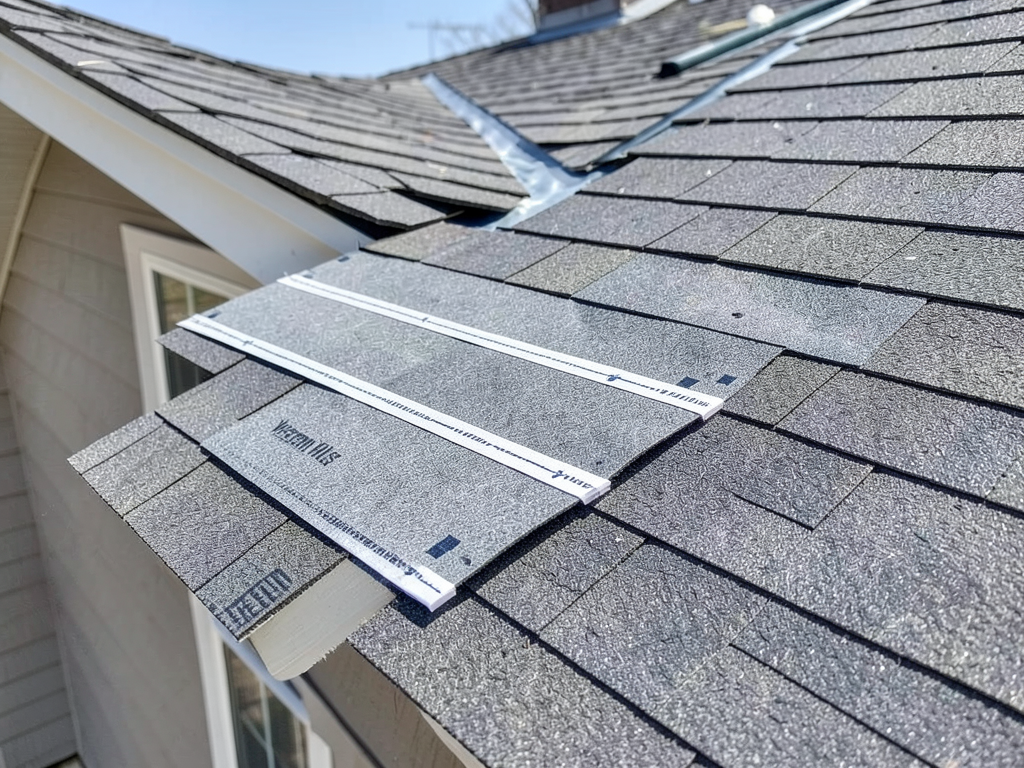
Why your Western Hills home needs high-wind starter shingles even if you aren't in a…
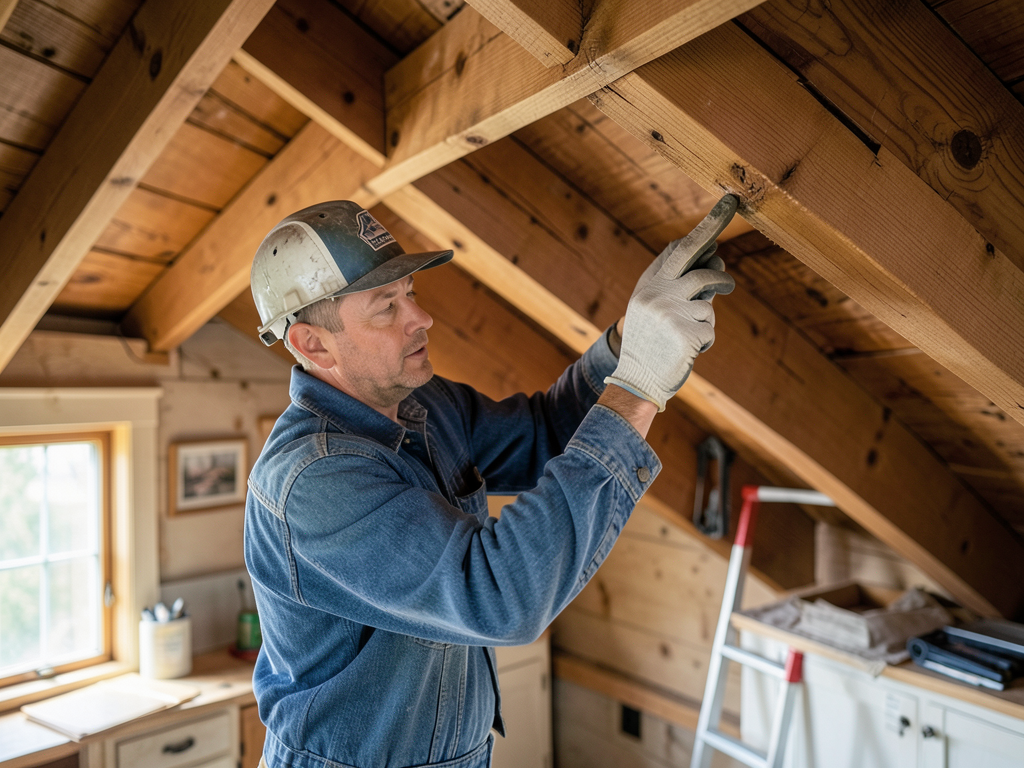
Understanding the structural limits of your older Norwood roof before switching to heavy clay tiles…
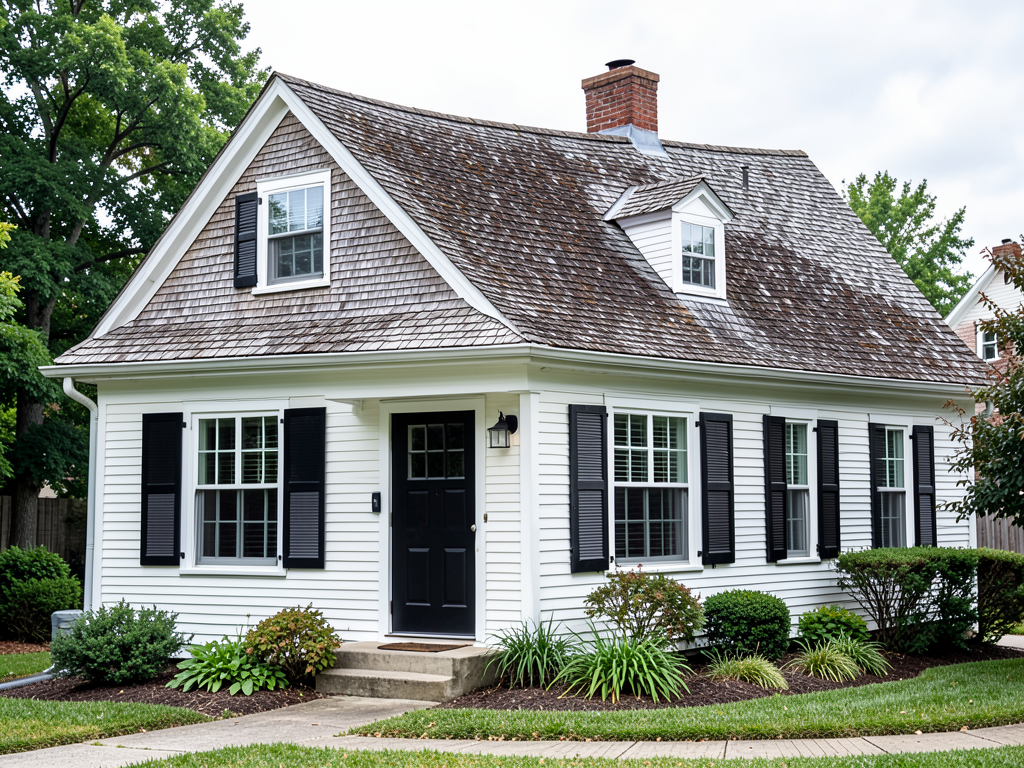
Choosing the Perfect Roof Color for Your Dutch Colonial Home in Clifton The gambrel roof…
Do not wait for small problems to become expensive damage. Call First Choice Roofing Cincinnati at (513) 223-5511 for a free roof inspection and detailed estimate. We will assess your roof condition honestly and explain exactly what you need to protect your Hamilton home.