
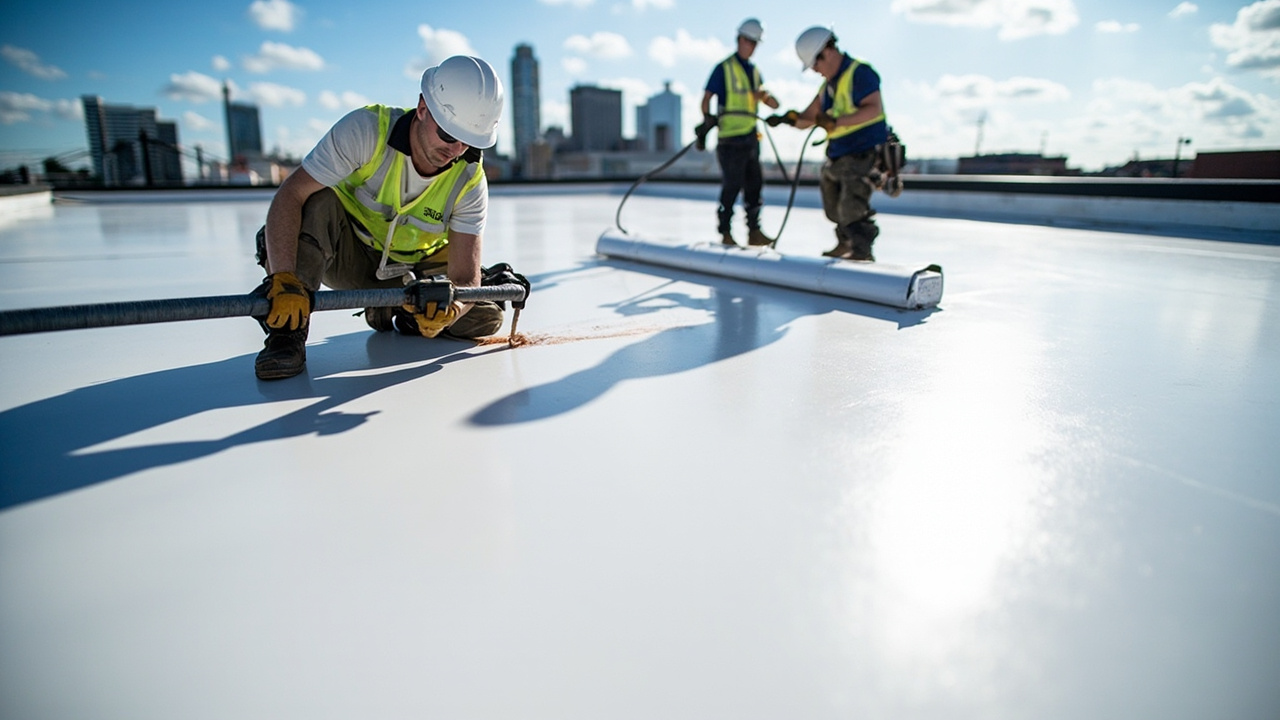

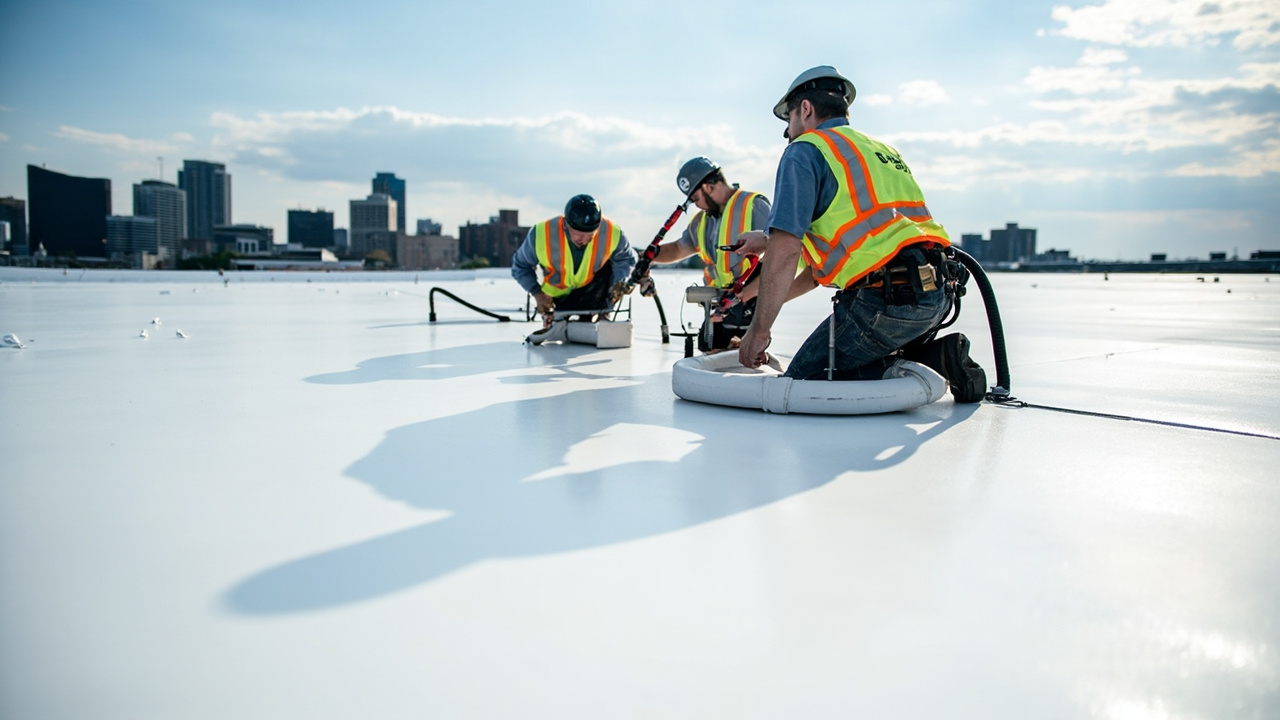
Cincinnati sits in a transition zone where humid continental and humid subtropical climates collide. Summer heat indexes exceed 100 degrees, while January temperatures drop below 20. This 80-degree annual swing expands and contracts roofing materials relentlessly. PVC membrane handles thermal movement better than EPDM or TPO, maintaining flexibility at low temperatures and resisting UV degradation during prolonged sun exposure. The Ohio River Valley's high humidity creates persistent moisture exposure that demands a roofing system with welded seams, not mechanically fastened overlaps where water infiltrates. Commercial buildings in Oakley, Montgomery, and the Central Business District face identical environmental stress that shortens roof life when inferior materials or improper installation methods are used.
Cincinnati enforces the 2020 International Building Code with local amendments for wind load and energy efficiency. Commercial roofing projects require permits, inspections, and documentation proving compliance with insulation R-value requirements. First Choice Roofing Cincinnati works with city inspectors regularly and understands submittal requirements that prevent project delays. We maintain relationships with local suppliers who stock PVC membrane and insulation materials, eliminating shipping delays that halt construction. Our crews understand Cincinnati's commercial building stock, from pre-war masonry structures in Over-the-Rhine to modern tilt-up warehouses in Sharonville. Local expertise prevents installation errors that void material coverage and create liability exposure for building owners.