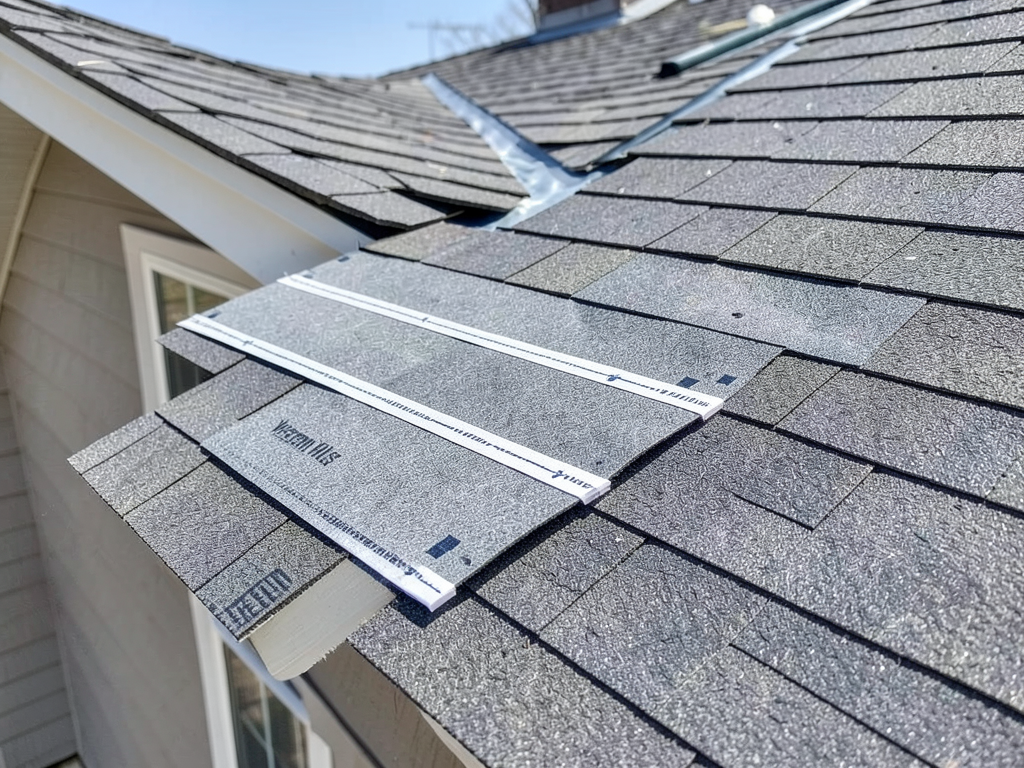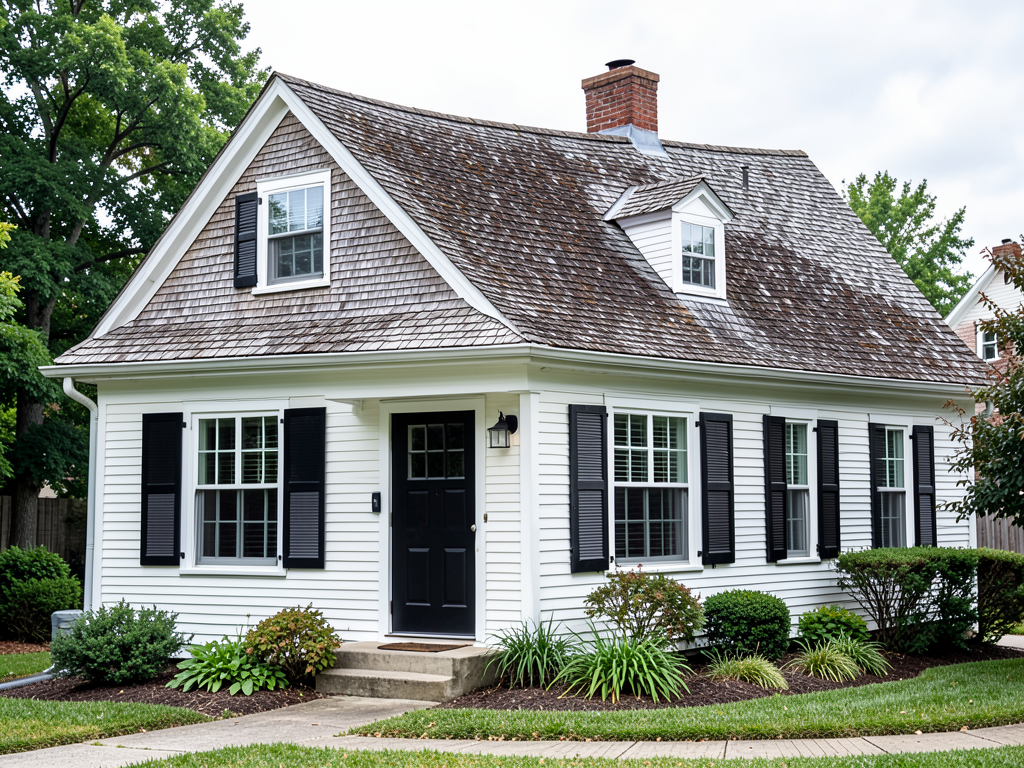




Cincinnati sits in a transition zone where northern freeze-thaw cycles meet southern humidity and heat. This combination accelerates roof aging faster than either climate alone. Winter ice dams form along north-facing eaves when attic heat escapes through inadequate insulation. Spring storms bring high winds that test shingle seal integrity weakened by winter cold. Summer humidity promotes algae growth that degrades asphalt shingles. Fall temperature swings cause expansion and contraction that loosens fasteners and opens seams. Insurance companies understand these regional factors. They require roof condition certification to verify that local weather has not shortened your roof's serviceable life below acceptable thresholds for coverage approval.
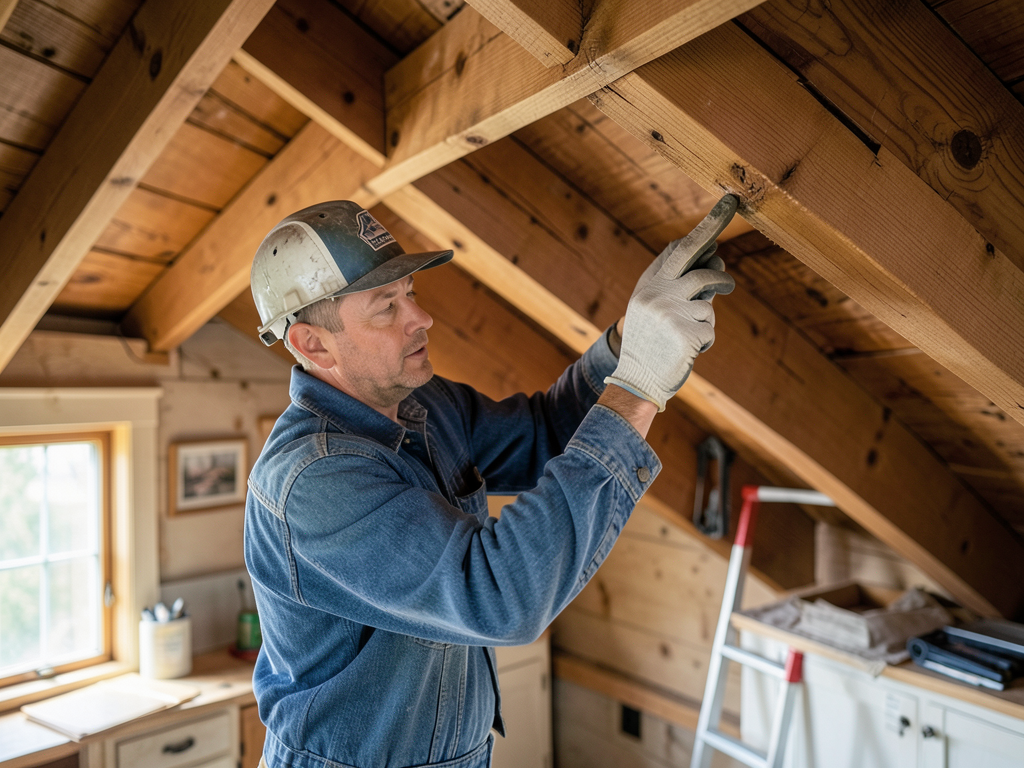
Local building codes in Hamilton County reflect these climate realities. Wind load requirements account for severe thunderstorm patterns. Ventilation standards address humidity control in our moderate climate. Ice dam prevention measures apply to northern-exposure roof planes. A valid roofing inspection certificate must demonstrate compliance with these location-specific requirements. Generic inspection checklists miss these details. First Choice Roofing Cincinnati knows what local underwriters expect because we work within this market daily. Our roof certification reports address Cincinnati-specific factors that determine coverage eligibility, policy pricing, and claim approval when storm damage occurs.