
Menu

Leaking Pipe Boot & Vents in Cincinnati – Expert Diagnosis and Permanent Repairs

Stop water damage from cracked plumbing vent boots and deteriorated rubber roof collars with thorough inspections and precision repairs that address the root cause, not just the symptom.

Slider Image 1
Slider Image 2
Slider Image 3
Slider Image 4
Slider Image 5
Slider Image 7
Slider Image 8
Slider Image 9
Slider Image 10
Slider Image 11

Why Pipe Boots Fail Faster in Cincinnati

You walk into your attic and spot water stains radiating from the plumbing vent pipe. Or you notice ceiling discoloration in the bathroom directly below the stack. That leak is not coming from your roof shingles. It is coming from a failed pipe boot.

Cincinnati's weather accelerates pipe boot failure. The freeze-thaw cycles from November through March expand and contract the neoprene gasket that seals around your vent pipe. Summer heat bakes the rubber roof collar, making it brittle and cracked. Add in the UV exposure from our variable cloud cover, and you have the perfect recipe for a dry rotted neoprene gasket within 8 to 12 years.

Most homeowners do not realize the pipe boot is a separate component from the roof itself. It is a flashing assembly that wraps around the vent stack and integrates with the shingle system. When the seal fails, water runs down the exterior of the pipe, through the decking, and into your home. You see stains on the ceiling. You smell mustiness in the walls. But by the time you notice it, the decking around the pipe is already saturated.

The damaged pipe flashing seal is often invisible from the ground. You need someone on the roof, inspecting the collar for splits, checking the base flashing for separation, and testing the seal integrity. A cracked plumbing vent boot does not announce itself until the damage is done. That is why proactive inspection matters in Cincinnati, where weather does not give your roof a break.

Why Pipe Boots Fail Faster in Cincinnati
How We Fix Pipe Boot Leaks the Right Way

How We Fix Pipe Boot Leaks the Right Way

We do not slap caulk on a broken roof stack flashing and call it fixed. That is a temporary patch that fails within months. Proper pipe boot repair requires removing the damaged assembly, inspecting the surrounding decking, and installing a new flashing system that integrates correctly with your shingle layering.

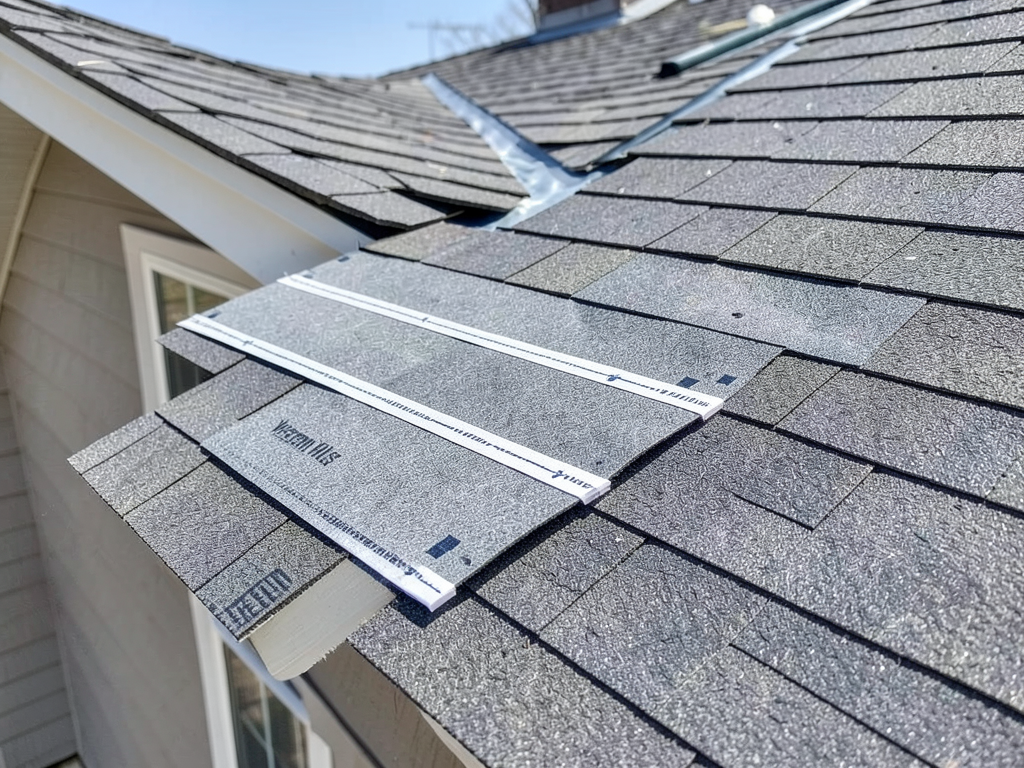
First, we remove the shingles above and around the failed boot. This exposes the base flashing and allows us to assess whether water has compromised the roof deck. If the plywood is soft or discolored, we replace that section before installing new flashing. Skipping this step means installing a new boot over rotted wood, which guarantees another leak within a year.

Next, we install a new pipe boot sized correctly for your vent diameter. Most failures happen because the original boot was undersized or the wrong material for the roof pitch. We use EPDM rubber collars for standard residential applications and lead boots for high-exposure areas or commercial flat roofs. The base flashing gets layered into the shingle courses, not laid on top of them. This creates a water-shedding system that directs moisture away from the penetration.

We also inspect adjacent pipe boots during the repair. If one boot has failed due to age, the others are close behind. Catching a deteriorated rubber roof collar before it leaks saves you from ceiling repairs and mold remediation. Finally, we check attic ventilation. Poor airflow accelerates rubber degradation from heat buildup. Fixing the boot without addressing ventilation means you will be back on the phone in five years.

What Happens During Your Pipe Boot Repair

Leaking Pipe Boot & Vents in Cincinnati – Expert Diagnosis and Permanent Repairs
01

Roof and Attic Inspection

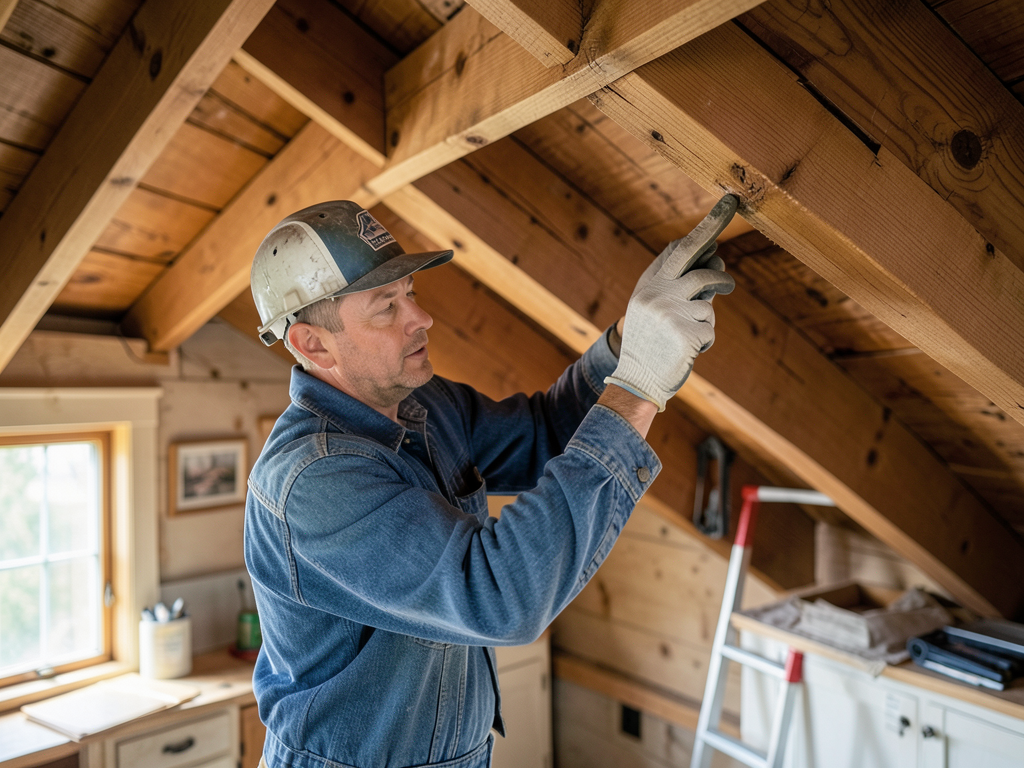
We start by examining the pipe boot from the roof surface, checking for cracks, separation, or dry rot. Then we inspect your attic for water stains, damaged decking, and insulation saturation. This dual approach identifies the full extent of the damage and reveals whether other penetrations are at risk. We document everything with photos so you see exactly what we see.
02

Decking Repair and Boot Replacement

We remove the damaged boot and surrounding shingles, then replace any compromised plywood. The new pipe boot gets installed with the base flashing properly layered into the shingle courses. We use high-grade EPDM or lead materials matched to your roof type and exposure. Every seal point gets inspected twice before we move to the final step.
03

Shingle Integration and Testing

We reinstall or replace shingles around the new boot, ensuring proper overlap and adhesion. Then we perform a water test, running a hose over the repair area for several minutes while monitoring the attic for any moisture intrusion. You get a detailed explanation of the work completed and photos of the finished repair. No surprises, no guesswork.

Why Cincinnati Homeowners Choose First Choice Roofing Cincinnati for Pipe Boot Repairs

Pipe boot leaks are not glamorous work. They require precision, experience, and a willingness to dig into the details. Many roofers in Cincinnati treat pipe boots as an afterthought, focusing on whole-roof replacements because that is where the bigger revenue sits. We see it differently. A properly repaired pipe boot extends the life of your roof, protects your home from water damage, and costs a fraction of premature replacement.

We understand Cincinnati roofs because we work on them every day. We know that homes in Oakley and Hyde Park often have steeper pitches that accelerate UV damage to pipe boots. We know that older homes in Mount Adams and Clifton may have cast iron vent stacks that require lead boots instead of rubber. We know that newer builds in Mason and West Chester often have undersized boots installed by production framers who prioritized speed over quality.

First Choice Roofing Cincinnati has repaired hundreds of pipe boot leaks across Hamilton County. We do not upsell you into a full roof replacement unless it is genuinely necessary. We give you a transparent assessment, explain your options, and execute the repair with the same attention to detail we would use on our own homes.

We also stand behind our work. When we replace a pipe boot, we integrate it into your existing roof system so the repair is invisible and watertight. We do not leave mismatched shingles or exposed nails. We do not cut corners on flashing details. You get a repair that lasts, backed by a team that answers the phone when you call.

What You Can Expect When You Call Us

Fast Response Time

We schedule inspections within 48 hours of your call, and we can often accommodate same-day or next-day appointments for active leaks. Our goal is to assess the damage quickly, stop further water intrusion, and give you a clear repair plan. Most pipe boot repairs are completed in a single visit, weather permitting. If decking replacement is required, we coordinate the work to minimize disruption and keep your home protected throughout the process.

Thorough Damage Assessment

We inspect both the roof surface and the attic space to determine the full scope of the leak. You get a detailed explanation of what failed, why it failed, and what needs to happen to fix it permanently. We take photos of the damaged pipe flashing seal, the condition of the surrounding decking, and any adjacent penetrations that may need attention. You see exactly what we see, with no jargon and no pressure. If we find additional issues, we explain them clearly and let you decide how to proceed.

Quality Materials and Workmanship

We use commercial-grade EPDM rubber boots or lead boots, depending on your roof type and exposure. Every repair is integrated into the existing shingle system using proper flashing techniques and sealants. We do not use generic hardware store boots or temporary patches. The finished repair is watertight, UV-resistant, and designed to last for the remaining life of your roof. You also get before and after photos documenting the completed work.

Post-Repair Support

After the repair, we provide guidance on monitoring your roof for future issues. We explain what to look for during seasonal inspections and offer annual maintenance plans for homeowners who want proactive protection. If you notice any issues with the repair, we come back and address them promptly. Our goal is not just to fix the leak, but to give you confidence that your roof is protecting your home the way it should.

Frequently Asked Questions

You Have Questions,
We Have Answers

How much does it cost to replace a vent pipe boot? +

Replacing a vent pipe boot typically ranges from $150 to $500, depending on roof pitch, accessibility, and material quality. Steep roofs common in older Cincinnati neighborhoods increase labor costs. The boot itself costs $10 to $50, but professional installation ensures proper flashing integration and prevents future leaks. Rubber boots degrade faster in Indiana's freeze-thaw cycles, so upgrading to EPDM or lead may cost more upfront but extends lifespan. Emergency repairs during wet seasons may carry premium pricing. Get a detailed estimate that includes flashing inspection, as damaged underlayment often goes unnoticed until replacement.

How to fix a leaking vent pipe? +

First, identify the leak source. Remove shingles around the vent pipe and inspect the boot for cracks or separation. Clean the pipe thoroughly and apply roofing sealant to small cracks as a temporary fix. For significant damage, remove the old boot, check flashing integrity, and install a new boot with fresh sealant under the base. In Cincinnati, spring storms and ice damming worsen boot failures. Ensure proper nailing pattern and shingle overlap during reinstallation. This repair requires working safely on pitched roofs. If you lack experience or proper equipment, hire a professional to avoid creating bigger problems.

How long does a vent pipe boot last? +

Rubber vent pipe boots last 10 to 20 years, depending on sun exposure and temperature extremes. Indiana's harsh winters and humid summers accelerate rubber deterioration. South-facing roof slopes in Cincinnati experience faster UV degradation. Lead or EPDM boots can last 30 to 50 years but cost more initially. Annual inspections catch cracking early before water infiltrates your attic. Look for brittleness, splits around the pipe collar, or base separation. Homes built in the 1990s or early 2000s likely need boot replacement now. Proactive replacement during roof maintenance prevents interior water damage and costly ceiling repairs.

How to fix a leaking roof boot? +

Remove the shingles overlapping the boot without damaging surrounding materials. Inspect the flashing beneath for rust or gaps. Pry out old nails carefully and slide out the damaged boot. Clean debris from the pipe and roof deck. Position the new boot over the pipe, ensuring the base sits flat against the deck. Nail the top edge only, then apply roofing cement under the base perimeter. Reinstall shingles, overlapping the boot's upper edge while leaving the lower edge exposed for drainage. Cincinnati's clay soil causes foundation shifts that can stress roof penetrations, so check attic rafters for movement signs during this repair.

Will homeowners insurance cover a leaky roof? +

Homeowners insurance typically covers sudden, accidental leaks but excludes gradual deterioration from poor maintenance. If a storm damages your vent boot and causes immediate water intrusion, your policy likely covers repairs. However, if the boot failed due to age and you ignored visible cracking, expect a denial. Indiana insurers scrutinize roof age closely. Document the damage with photos immediately after discovery. Many Cincinnati homeowners face claim disputes over maintenance neglect. Review your policy's water damage exclusions and roof age limitations. Regular roof inspections create a maintenance record that strengthens claims for unexpected failures versus neglect-related damage.

What are signs of a bad roof boot? +

Visible cracks or splits in the rubber collar signal imminent failure. Check your attic during rain for water stains on rafters near vent pipes. Musty odors or mold growth around the penetration indicate chronic moisture. The boot base may separate from the roof deck, creating gaps. Brittleness or flaking rubber means UV damage has compromised integrity. In Cincinnati attics, you might notice water pooling on insulation below the vent. Peeling interior paint on ceilings near bathrooms or kitchens suggests a failing boot above. Ice dams common in Indiana winters can force water under compromised boots, worsening leaks.

How much do plumbers charge to fix a leaky pipe? +

This question addresses plumbing pipes, not roof vent boots. Plumbers charge $150 to $450 for basic pipe leak repairs, depending on accessibility and pipe material. Emergency calls after hours cost significantly more. Copper repiping costs more than PEX repairs. In Cincinnati, older homes with galvanized pipes face higher repair complexity. However, if your roof vent pipe flashing leaks, you need a roofer, not a plumber. The vent pipe itself rarely leaks unless cracked during installation. Most leaks occur where the boot seals against the pipe or where flashing meets the roof deck. Clarify whether you have a plumbing or roofing issue before calling contractors.

Does homeowners insurance cover water pipe repair? +

Homeowners insurance coverage depends on the damage cause. Sudden pipe bursts from freezing are typically covered. Gradual corrosion or maintenance neglect is excluded. If tree roots damage underground pipes, coverage varies by policy. Review your declarations page for water damage exclusions. Indiana's freeze-thaw cycles cause frequent pipe failures in older Cincinnati homes. Document the failure timeline and circumstances immediately. Policies may cover interior damage from covered pipe failures but exclude the pipe repair itself. Service line endorsements cover underground pipe repairs for added premium. Flood damage from sewer backups requires separate flood insurance. Understand your specific policy language before assuming coverage.

Why would a vent pipe be leaking water? +

Vent pipes themselves rarely leak unless physically damaged. Water typically enters where the boot seals against the pipe or where flashing integrates with shingles. Cracked rubber boots allow water to run down the pipe exterior into your attic. Improper flashing installation creates gaps. In Cincinnati, ice dams force water upward under shingles and through compromised boot seals. Condensation inside the vent pipe can drip if attic ventilation is poor, though this is less common. Missing or deteriorated sealant under the boot base provides direct water entry. Check for shingle damage around the penetration, as wind-driven rain exploits any opening during storms.

Is $500 expensive to replace roof flashing? +

$500 for complete roof flashing replacement is reasonable for standard penetrations like chimneys or skylights. Vent pipe boot replacement alone rarely reaches this price unless your roof has extreme pitch or requires extensive shingle removal. For complex chimney flashing with custom metalwork, $500 is fair. Cincinnati's varied architecture means Victorian homes with decorative valleys cost more than ranch-style flashing jobs. This price should include materials, labor, proper sealant, and shingle reinstallation. Get itemized estimates comparing boot replacement versus full flashing systems. Extremely low bids may indicate shortcuts. Proper flashing installation prevents years of water damage, making quality work worth the investment.

How Cincinnati's Freeze-Thaw Cycles Destroy Pipe Boot Seals

Cincinnati averages 40 freeze-thaw cycles per winter. Water trapped under the neoprene gasket expands when it freezes, lifting the seal away from the pipe. When it thaws, water seeps deeper into the gap. Repeat this 40 times, and even a high-quality pipe boot starts to fail. Combine that with summer temperatures that regularly exceed 90 degrees, and the rubber becomes brittle and cracked. This is why pipe boots in Cincinnati typically fail between years 8 and 12, even if the surrounding shingles are still in good condition. The climate does not give the seals a chance to recover.

First Choice Roofing Cincinnati has worked on homes across Hamilton County, from historic properties in Over-the-Rhine to new construction in Liberty Township. We understand the specific challenges that Cincinnati roofs face, and we know how to select materials that withstand the local climate. Our team is familiar with Cincinnati building codes and inspection requirements, which is critical when roof repairs intersect with insurance claims or home sale contingencies. When you work with a local team, you get someone who understands the area and stands behind their work long after the repair is complete.
Roofing Services in The Cincinnati Area

We are proud to serve the entire Cincinnati metro area and surrounding communities, bringing our top-tier roofing expertise right to your neighborhood. Use the map below to visualize our primary service region and get directions to our main office for material samples or in-person consultations. Whether you are downtown or on the outskirts, First Choice Roofing is committed to being your most convenient and reliable local roofing partner. Contact us to confirm service availability at your specific address.

Address:
First Choice Roofing Cincinnati, 2337 Victory Pkwy, Cincinnati, OH, 45206

Additional Services We Offer

Our news updates

Latest Articles & News from The Blogs

Why Your Roof Might Be the Reason Your Second Floor is Always Too Hot Is your second floor a sauna…

Why Your Roof Might Be the Reason Your Second Floor is Always Too Hot

Why Your Roof Might Be the Reason Your Second Floor is Always Too Hot Is your second floor a sauna…

The Hidden Danger of Leaving Old Satellite Dishes Bolted to Your Roof

The Hidden Danger of Leaving Old Satellite Dishes Bolted to Your Roof Old satellite dishes bolted to Cincinnati roofs create…

Common Signs Your Roof Decking is Getting Soft in Finneytown

Common Signs Your Roof Decking is Getting Soft in Finneytown Your roof decking forms the backbone of your entire roofing…

Contact Us

Call First Choice Roofing Cincinnati at (513) 223-5511 for a fast, honest assessment. We will inspect your pipe boots, explain what needs to be fixed, and get your roof watertight again.