
Why your Western Hills home needs high-wind starter shingles even if you aren’t in a hurricane zone
Your Western Hills home sits on elevated terrain that catches strong gusts from the Ohio Valley. Standard starter shingles often fail during these wind events, allowing wind uplift to peel away your entire roof system. High-wind starter shingles with enhanced adhesive strips create a stronger seal at the roof edge where wind damage typically begins.
Wind speeds in Western Hills frequently exceed 60 mph during spring storms and summer thunderstorms. These gusts target the roof perimeter first, exploiting weaknesses in standard starter strips. High-wind starter shingles use modified asphalt and wider adhesive bands to resist uplift forces up to 130 mph, protecting your home from the costly damage that starts at the edges.
The investment in high-wind starter shingles pays for itself by preventing wind damage repairs that can cost thousands of dollars. Many Western Hills homeowners discover too late that their standard starter strips failed during a storm, leading to extensive water damage and interior repairs. Upgrading to high-wind rated materials gives you peace of mind during Ohio’s storm season. Reliable Flat Roof Repair Services for Over-the-Rhine Business Owners.
How Western Hills wind patterns create unique roofing challenges
Western Hills experiences wind funneling effects due to its elevation changes and proximity to the Ohio River valley. Wind speeds here often exceed those in surrounding flat areas by 15-20 mph during storm events. This elevation advantage also means your home faces stronger uplift forces on the roof edges where starter shingles are installed.
Spring storm season brings sustained winds that test roof edge integrity. Standard starter shingles rely on basic adhesive strips that can lose effectiveness in temperature swings common to Western Hills. High-wind starter shingles maintain their seal through freeze-thaw cycles and extreme temperature variations that occur throughout the year.
The National Weather Service reports that Hamilton County experiences an average of 12 days per year with wind gusts exceeding 58 mph. These wind events concentrate their force along roof perimeters, making the starter course your roof’s first and most critical defense line against wind damage. National Weather Service wind speed data.
Technical differences between standard and high-wind starter shingles
Standard starter shingles use a basic asphalt coating with a single adhesive strip along the bottom edge. High-wind starter shingles feature dual adhesive bands with modified asphalt compounds that remain flexible in cold weather and resist softening in summer heat. This temperature stability prevents the seal from failing when you need it most. Flexible Financing Options for Your New Cincinnati Roof Installation.
The nailing pattern also differs significantly. Standard starter shingles require nails placed within a specific zone, but high-wind versions need nails positioned closer to the edge with enhanced holding power. The modified nailing pattern creates a mechanical lock that works with the adhesive to resist uplift forces.
High-wind starter shingles meet ASTM D3161 Class F standards for wind resistance, while premium versions achieve ASTM D7158 Class H ratings. These certifications ensure your starter course can withstand wind speeds from 110 to 150 mph, far exceeding what Western Hills typically experiences. ASTM D3161 wind resistance standards.
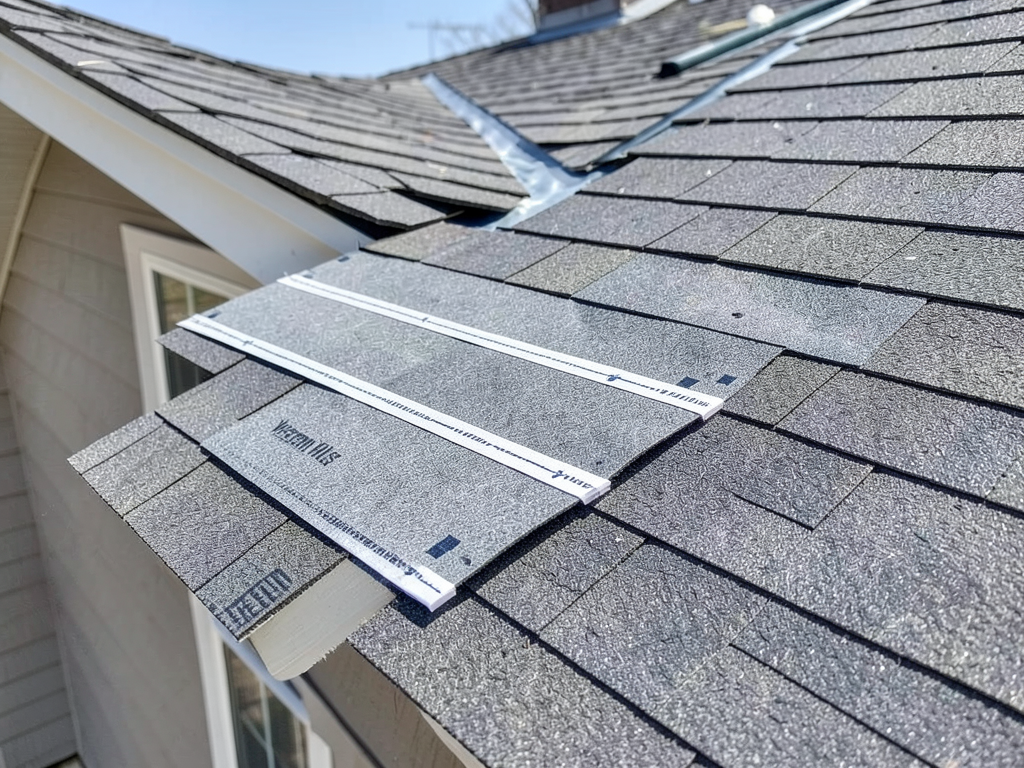
Diagram comparing standard vs. high-wind starter shingle construction showing adhesive strip width, nailing patterns, and wind resistance ratings
Installation techniques that maximize starter shingle performance
Proper installation of high-wind starter shingles requires specific techniques that many contractors overlook. The starter course must overhang the drip edge by exactly 1/4 inch to create the proper water-shedding profile. Too much overhang allows wind to get underneath, while too little prevents proper water drainage.
Nail placement becomes critical with high-wind systems. Each nail must penetrate through the starter shingle and into the roof deck at the correct depth. Over-driven nails create weak points, while under-driven nails leave the shingle vulnerable to uplift. The six-nail pattern on high-wind starter shingles provides redundancy if one fastener fails.
Temperature during installation affects the adhesive’s initial bond strength. High-wind starter shingles need to be installed when surface temperatures allow the adhesive to flow and create a strong initial seal. This often means avoiding early morning installations when dew or frost is present on the roof surface.
Cost-benefit analysis of upgrading your starter shingles
High-wind starter shingles cost approximately 25-30% more than standard versions, adding $150-250 to a typical Western Hills roof installation. However, the cost of repairing wind damage to a standard starter course often exceeds $2,000 when you factor in water damage, interior repairs, and temporary protection measures. Roof Repair Services.
Insurance companies in Ohio increasingly recognize the value of wind-resistant roofing components. Some providers offer premium discounts of 5-10% for homes with high-wind rated roofing systems, including enhanced starter shingles. Over a 20-year roof lifespan, these discounts can offset the initial upgrade cost. Is Metal Roofing Worth the Investment for Your Anderson Township Home?.
The peace of mind factor cannot be overstated. Western Hills homeowners who have experienced even one wind event that damaged their roof understand the value of preventing future occurrences. High-wind starter shingles eliminate the anxiety that comes with approaching storm seasons.
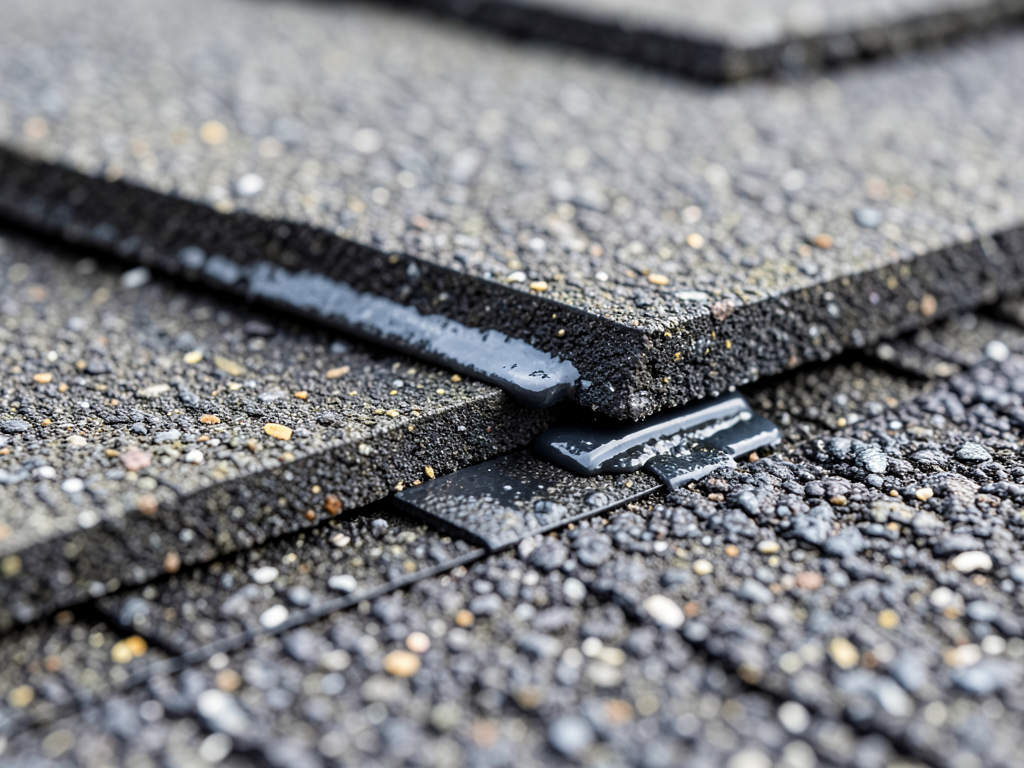
Close-up photo showing the dual adhesive bands and modified nailing pattern on high-wind starter shingles during installation
Local building codes and wind resistance requirements
Hamilton County building codes require compliance with Ohio Residential Code Chapter 9 for roofing installations. While the code doesn’t specifically mandate high-wind starter shingles, it does require that all roofing components meet minimum wind uplift resistance standards based on your home’s location and roof design.
The International Building Code Section R301.2.1.2 establishes wind speed requirements for different regions of Ohio. Western Hills falls into a zone requiring enhanced wind resistance due to its elevation and exposure. High-wind starter shingles help your roof meet or exceed these requirements without additional engineering.
Local roofing contractors must carry specific insurance and licensing through the Ohio Construction Industry Licensing Board. This ensures they understand wind load requirements and can properly install high-wind rated components that comply with both local and national standards.
Common wind damage patterns in Western Hills
Wind damage in Western Hills typically follows predictable patterns that start with starter shingle failure. The wind first catches the bottom edge of the starter course, creating a peeling effect that works upward along the roof edge. Once the starter course fails, wind gets underneath the first row of field shingles.
Corner areas of roofs experience the highest wind stress because wind accelerates around these geometric changes. High-wind starter shingles with enhanced corner reinforcement prevent the common failure pattern where corners peel back first, leading to progressive damage across the entire roof edge.
Older homes in Western Hills built before modern wind codes often have inadequate starter systems. These homes are particularly vulnerable because the original starter shingles have degraded over time, losing their adhesive properties and becoming brittle from UV exposure and temperature cycling.
Photo showing wind damage pattern where starter shingles failed first, allowing progressive damage to spread across the roof edge
Maintenance tips to protect your high-wind starter shingles
Annual roof inspections should include checking the starter course for signs of lifting or adhesive failure. Look for shingles that appear to be curling up at the edges or have visible gaps between the starter and the first course of field shingles. These are early warning signs that your wind protection is compromised. Signs You Need a New Roof.
Gutter cleaning plays a role in starter shingle performance. Clogged gutters create water backup that can seep under starter shingles, weakening the adhesive bond over time. Keep gutters clean and ensure downspouts direct water away from your foundation to prevent moisture problems that affect roof edge integrity.
Tree branches hanging over your roof create multiple problems for starter shingles. They drop debris that holds moisture against the roof edge, and during storms they can scrape and damage the starter course. Trim back branches to maintain at least 3 feet of clearance from your roof surface.
Frequently Asked Questions
Do I really need high-wind starter shingles if my home isn’t in a hurricane zone?
Yes. Western Hills experiences wind speeds that frequently exceed 60 mph during storm season. These winds create uplift forces that standard starter shingles cannot withstand. High-wind starter shingles protect your roof edge where wind damage typically begins, preventing costly repairs even though you’re not in a coastal hurricane zone.
How much longer do high-wind starter shingles last compared to standard ones?
High-wind starter shingles typically last the full lifespan of your roof system, which is 20-25 years for asphalt shingles. Standard starter shingles often fail prematurely due to adhesive degradation, lasting only 10-15 years before they lose their wind resistance properties and need replacement.
Can I install high-wind starter shingles over my existing starter course?
No. High-wind starter shingles must be installed over a clean roof deck to create the proper adhesive bond. Installing over existing materials prevents the new adhesive from making full contact with the roof surface, compromising the wind resistance that makes these products effective.
Will my insurance company cover the cost of upgrading to high-wind starter shingles?
Insurance companies don’t typically cover voluntary upgrades, but many offer premium discounts for wind-resistant roofing components. The upgrade cost is usually recovered through these discounts over time, plus you avoid the deductible and potential rate increases that come with filing wind damage claims.
What’s the difference between Class F and Class H wind ratings?
Class F ratings (ASTM D3161) indicate wind resistance up to 110 mph, while Class H ratings (ASTM D7158) provide protection up to 150 mph. Western Hills typically doesn’t experience winds that high, so Class F provides adequate protection for most homes in the area.
Call (513) 223-5511 today to protect your Western Hills home
Don’t wait for the next storm to discover your starter shingles can’t handle Western Hills wind. Our team specializes in high-wind roofing systems that protect your home from the specific challenges our elevation creates. We’ll inspect your current roof edge and recommend the right protection level for your home.
Wind damage repairs can cost thousands of dollars and often lead to interior water damage if not addressed quickly. A simple upgrade to high-wind starter shingles prevents these problems before they start. Call (513) 223-5511 today to schedule your Western Hills wind protection assessment.
Our experts understand the unique wind patterns in your neighborhood and can recommend the specific products that provide the best protection for your home’s design and exposure. Don’t let standard starter shingles leave your Western Hills home vulnerable to the next big storm.
{
“@context”: “https://schema.org”,
“@type”: “BlogPosting”,
“headline”: “Why your Western Hills home needs high-wind starter shingles even if you aren’t in a hurricane zone”,
“description”: “High winds in Western Hills can damage standard shingles. Learn why starter shingles matter and how they protect your Cincinnati home from wind uplift and costly repairs.”,
“wordCount”: 1760,
“datePublished”: “2026-06-12T15:15:00.000Z”,
“dateModified”: “2026-06-12T15:15:00.000Z”,
“inLanguage”: “en-US”,
“mainEntityOfPage”: {
“@type”: “WebPage”,
“@id”: “https://firstchoiceroofingcincinnati.com”
},
“publisher”: {
“@type”: “LocalBusiness”,
“name”: “First Choice Roofing Cincinnati”,
“url”: “https://firstchoiceroofingcincinnati.com”
},
“author”: {
“@type”: “Organization”,
“name”: “First Choice Roofing Cincinnati”,
“url”: “https://firstchoiceroofingcincinnati.com”
},
“image”: {
“@type”: “ImageObject”,
“url”: “https://firstchoiceroofingcincinnati.com/wp-content/uploads/2026/03/why-your-western-hills-home-needs-high-wind-starte-1.png”
}
}
{
“@context”: “https://schema.org”,
“@type”: “RoofingContractor”,
“name”: “First Choice Roofing Cincinnati”,
“url”: “https://firstchoiceroofingcincinnati.com”,
“address”: {
“@type”: “PostalAddress”,
“addressLocality”: “Cincinnati”
},
“areaServed”: {
“@type”: “City”,
“name”: “Cincinnati”
}
}
{
“@context”: “https://schema.org”,
“@type”: “FAQPage”,
“mainEntity”: [
{
“@type”: “Question”,
“name”: “Do I really need high-wind starter shingles if my home isn’t in a hurricane zone?”,
“acceptedAnswer”: {
“@type”: “Answer”,
“text”: “Yes. Western Hills experiences wind speeds that frequently exceed 60 mph during storm season. These winds create uplift forces that standard starter shingles cannot withstand. High-wind starter shingles protect your roof edge where wind damage typically begins, preventing costly repairs even though you’re not in a coastal hurricane zone.”
}
},
{
“@type”: “Question”,
“name”: “How much longer do high-wind starter shingles last compared to standard ones?”,
“acceptedAnswer”: {
“@type”: “Answer”,
“text”: “High-wind starter shingles typically last the full lifespan of your roof system, which is 20-25 years for asphalt shingles. Standard starter shingles often fail prematurely due to adhesive degradation, lasting only 10-15 years before they lose their wind resistance properties and need replacement.”
}
},
{
“@type”: “Question”,
“name”: “Can I install high-wind starter shingles over my existing starter course?”,
“acceptedAnswer”: {
“@type”: “Answer”,
“text”: “No. High-wind starter shingles must be installed over a clean roof deck to create the proper adhesive bond. Installing over existing materials prevents the new adhesive from making full contact with the roof surface, compromising the wind resistance that makes these products effective.”
}
},
{
“@type”: “Question”,
“name”: “Will my insurance company cover the cost of upgrading to high-wind starter shingles?”,
“acceptedAnswer”: {
“@type”: “Answer”,
“text”: “Insurance companies don’t typically cover voluntary upgrades, but many offer premium discounts for wind-resistant roofing components. The upgrade cost is usually recovered through these discounts over time, plus you avoid the deductible and potential rate increases that come with filing wind damage claims.”
}
},
{
“@type”: “Question”,
“name”: “What’s the difference between Class F and Class H wind ratings?”,
“acceptedAnswer”: {
“@type”: “Answer”,
“text”: “Class F ratings (ASTM D3161) indicate wind resistance up to 110 mph, while Class H ratings (ASTM D7158) provide protection up to 150 mph. Western Hills typically doesn’t experience winds that high, so Class F provides adequate protection for most homes in the area.”
}
}
]
}
{
“@context”: “https://schema.org”,
“@type”: “BreadcrumbList”,
“itemListElement”: [
{
“@type”: “ListItem”,
“position”: 1,
“name”: “Home”,
“item”: “https://firstchoiceroofingcincinnati.com”
},
{
“@type”: “ListItem”,
“position”: 2,
“name”: “Blog”,
“item”: “https://firstchoiceroofingcincinnati.com/blog”
},
{
“@type”: “ListItem”,
“position”: 3,
“name”: “Why your Western Hills home needs high-wind starter shingles even if you aren’t in a hurricane zone”
}
]
}
{
“@context”: “https://schema.org”,
“@type”: “Service”,
“serviceType”: “Roofing”,
“provider”: {
“@type”: “LocalBusiness”,
“name”: “First Choice Roofing Cincinnati”,
“url”: “https://firstchoiceroofingcincinnati.com”
},
“areaServed”: {
“@type”: “City”,
“name”: “Cincinnati”
},
“description”: “High winds in Western Hills can damage standard shingles. Learn why starter shingles matter and how they protect your Cincinnati home from wind uplift and costly repairs.”
}