
Menu

Granules in Gutter Cincinnati – Expert Roof Diagnosis Before Expensive Damage Spreads

Finding shingle grit in gutters signals active roof degradation that worsens fast in Cincinnati's freeze-thaw cycles. Our diagnostic inspections pinpoint the exact cause and give you a clear repair plan before leaks start.

Slider Image 1
Slider Image 2
Slider Image 3
Slider Image 4
Slider Image 5
Slider Image 7
Slider Image 8
Slider Image 9
Slider Image 10
Slider Image 11

What Those Black Granules in Your Gutters Really Mean

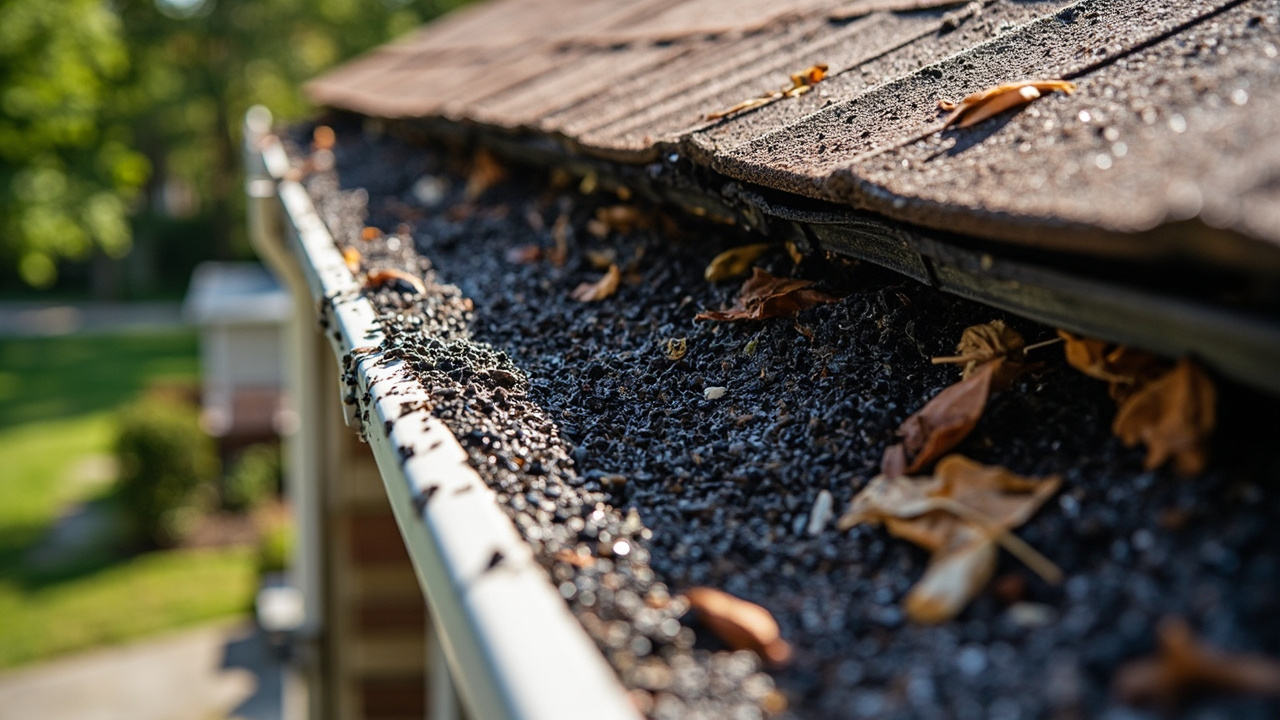
You clean your gutters and find a pile of dark, sandy grit at the bottom. That shingle sediment is not normal wear. It signals your roof is losing its protective layer faster than it should.

Asphalt shingles are coated with ceramic granules that block UV rays and shed water. When you see loose granules in downspouts or roof sand in gutters, those shingles are exposed. The asphalt underneath bakes in the sun, cracks, and eventually leaks.

Cincinnati's weather accelerates this breakdown. Winter freeze-thaw cycles cause shingles to expand and contract. Ice dams form along eaves when snow melts and refreezes. Summer heat hits 90 degrees with high humidity. All of this stresses the adhesive bond that holds granules in place.

New roofs shed some granules during the first year as manufacturing excess washes off. That is normal. But if your roof is five years old or older and you are finding asphalt shingle particles in every rainstorm, that is a red flag.

Hail is a common culprit in the Cincinnati metro. Even small hailstones dislodge granules on impact. You might not see dents from the ground, but the damage is there. Wind-driven rain then accelerates the erosion.

Cheap shingles also lose granules faster. Builders often use the thinnest 3-tab shingles to cut costs. These have fewer granules to begin with and wear out in 15 years instead of 25.

The other cause is poor attic ventilation. When your attic traps heat, it bakes your shingles from underneath. The asphalt softens, and granules detach more easily. You end up with a worn-out roof years before you should.

Ignoring shingle grit in gutters costs you later. Once granules are gone, UV rays break down the asphalt mat. Shingles curl, crack, and blow off. Then water seeps through the decking into your insulation and ceilings.

What Those Black Granules in Your Gutters Really Mean
How We Diagnose Granule Loss and Stop Roof Failure

How We Diagnose Granule Loss and Stop Roof Failure

We do not guess. Our roof inspections trace granule loss back to the root cause so you get the right fix, not a band-aid.

First, we check your gutters and downspouts for volume and pattern. A thin layer of grit across the entire roof means age-related wear. Heavy concentrations in one area point to localized damage like hail impact or a valley that channels water wrong.

Next, we get on the roof. We inspect every slope for bald spots, exposed asphalt, and granule adhesion. We run our hand across shingles to see if granules come off easily. We check flashing around chimneys and vents where water concentrates and accelerates wear.

We look for hail bruising. Fresh hail damage shows as dark spots where the impact compressed the shingle. Older damage shows as missing chunks or exposed fiberglass mat. We photograph everything so you see exactly what we see.

Attic ventilation gets checked next. We measure intake and exhaust airflow. Poor ventilation creates hot spots that cook shingles from below. We look for adequate soffit vents, ridge vents, or gable vents. Most Cincinnati homes have insufficient ventilation because builders skip it to save time.

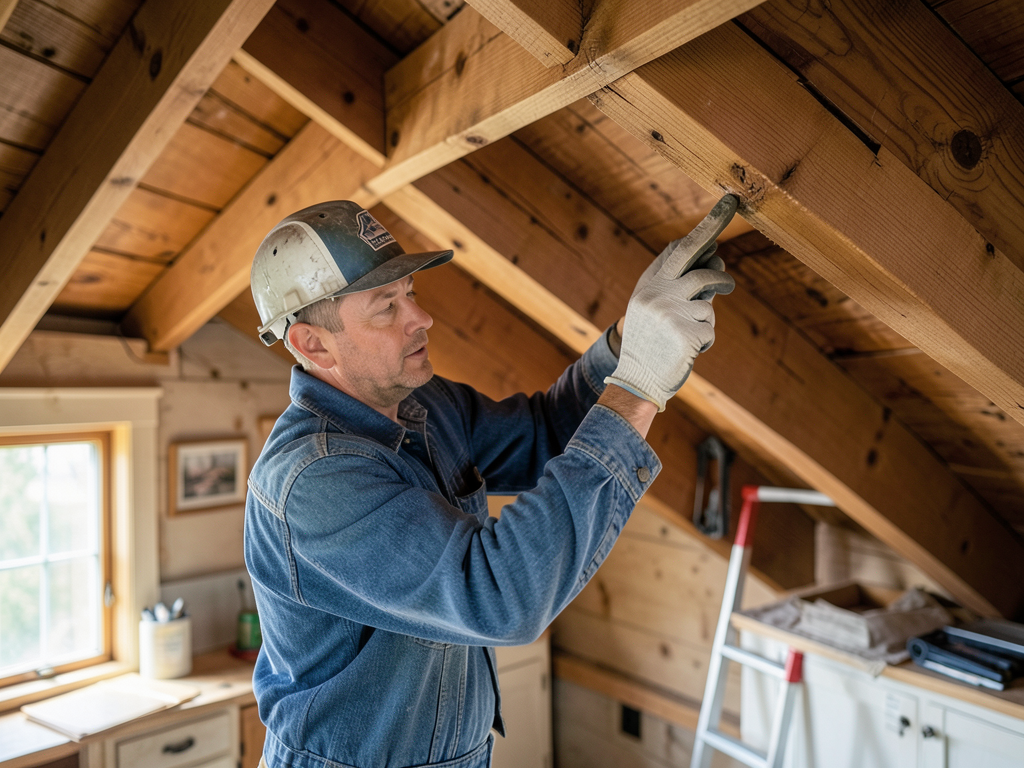
We also inspect your roof decking from inside the attic. We look for water stains, mold, or soft spots that indicate leaks have already started. Catching these early prevents structural rot.

If your shingles are older than 15 years and shedding granules heavily, we measure remaining life. We check the mat integrity, curl, and brittleness. This tells you whether you need a repair or a replacement.

First Choice Roofing Cincinnati documents everything in a written report with photos and recommendations. You get a clear action plan with no pressure. If you just need a repair, we tell you. If you need a replacement, we explain why and give you options that fit your budget and timeline.

What Happens During Your Roof Inspection

Granules in Gutter Cincinnati – Expert Roof Diagnosis Before Expensive Damage Spreads
01

Site Assessment

We start at ground level by examining your gutters and downspouts for shingle grit accumulation patterns. We check all four sides of your home to identify where granule loss is heaviest. We photograph the sediment and note any recent weather events like hail or high winds that could explain the damage.
02

Roof Surface Inspection

Our team climbs onto your roof to examine shingle condition up close. We test granule adhesion by hand, inspect for bald spots and exposed asphalt, and check flashing integrity around penetrations. We also assess attic ventilation from above by checking ridge vents and soffit intake. Every finding gets documented with close-up photos showing the exact problem areas.
03

Detailed Report Delivery

You receive a written inspection report with annotated photos, our diagnosis of why granules are shedding, and a prioritized list of recommended repairs or replacements. We explain what needs immediate attention versus what can wait. You get a clear timeline and cost factors so you can make an informed decision without surprises.

Why Cincinnati Homeowners Trust Our Roof Assessments

Roof problems do not wait for convenient timing. You need someone who knows how Cincinnati weather damages roofs and can give you straight answers fast.

We have inspected thousands of roofs across the greater Cincinnati metro. We know the building codes, the common construction shortcuts builders used in different decades, and which neighborhoods got hit hardest by recent hailstorms.

Most roofers show up, glance at your roof from a ladder, and immediately push for a full replacement. We do not work that way. Our inspection process is thorough because we want you to trust our recommendation.

If your roof has 10 years of life left, we tell you. If you just need a repair around a vent boot or chimney flashing, we handle it. If you need a replacement, we explain exactly why and show you the evidence.

Cincinnati homes face unique challenges. The Ohio River Valley creates high humidity that promotes algae growth and speeds granule breakdown. Freeze-thaw cycles in winter cause ice dams that tear shingles loose. Summer storms bring hail and high winds.

We also understand local architecture. Many Cincinnati homes have complex rooflines with multiple valleys, dormers, and steep pitches. These areas concentrate water flow and wear out faster. Cookie-cutter inspections miss these details. We do not.

Our team knows how to work with insurance companies if your granule loss is hail-related. We document everything adjusters need to see and help you navigate the claims process so you get fair compensation.

You also get honest timelines. If your roof needs replacement but you want to wait until next year, we will tell you what temporary measures can protect your home in the meantime. We do not create false urgency.

First Choice Roofing Cincinnati has built a reputation on transparency. We give you the information you need to make the right decision for your home and your budget. No pressure, no gimmicks, just expert guidance.

What to Expect from Your Roof Inspection

Fast Scheduling

We understand you need answers quickly when you spot shingle sediment in your gutters. Most inspections get scheduled within 48 hours of your call. Our team works six days a week to accommodate your schedule. The inspection itself takes 45 to 90 minutes depending on your roof size and complexity. We do not rush the process, but we also do not waste your time with unnecessary delays or sales presentations.

Thorough Documentation Process

Every inspection includes high-resolution photos of problem areas, attic ventilation measurements, and a written assessment of remaining roof life. We document granule loss patterns, check for hail damage, and test shingle adhesion across all slopes. You receive a detailed report within 24 hours that explains our findings in plain language. If insurance is involved, we provide the documentation adjusters require to process your claim without delays or back-and-forth requests for more information.

Clear Action Plan

You get a prioritized list of recommendations based on your roof condition. We explain which issues need immediate attention to prevent leaks and which can be monitored over time. If a repair will solve the problem, we tell you. If replacement is necessary, we explain why and provide options that fit different budgets. Our goal is to give you the information you need to make a confident decision without feeling pressured into unnecessary work.

Ongoing Monitoring Options

If your roof has some remaining life but shows early signs of granule loss, we offer annual re-inspection services. This lets you track deterioration over time and plan for replacement on your schedule rather than during an emergency. We keep records of all inspections so you have a documented history of your roof condition. This helps with insurance claims, home sales, and long-term maintenance planning for your property.

Frequently Asked Questions

You Have Questions,
We Have Answers

Is it normal to have shingle granules in the gutter? +

Yes, finding some granules in your gutters is normal, especially on a new roof. Fresh shingles shed loose granules during the first few months after installation. You will also see granules after heavy rain or wind storms. However, if your roof is older than five years and you notice consistent, heavy granule loss in Cincinnati's humid climate, it signals accelerated wear. The granules protect the asphalt layer from UV damage and weather. When they wash away in large amounts, your roof becomes vulnerable. Check your gutters seasonally. A thin layer is fine, but thick piles mean trouble.

How much granule loss is too much? +

If you can see the black asphalt backing through the shingle surface, you have too much granule loss. Early on, a handful of granules per downspout is normal. But if you see bald spots on shingles, discoloration, or consistent heavy accumulation in gutters, the roof is failing. In Cincinnati, where freeze-thaw cycles stress roofing materials, excessive loss happens faster. Look for patterns. Granules across the entire roof mean aging. Isolated spots suggest hail damage or defective shingles. If granules fill a five-gallon bucket yearly, you need a professional inspection. Do not wait until leaks start.

Are gutter hedgehogs a good idea? +

Gutter hedgehogs can help reduce granule buildup in downspouts, but they are not a complete solution. These bristle inserts catch leaves and debris, allowing water and small particles like granules to pass through. In Cincinnati, where oak and maple trees drop heavy debris, hedgehogs can prevent clogs. However, they do not stop the underlying problem of granule loss. If your roof is shedding granules excessively, a hedgehog just masks the symptom. You still need to address the roof condition. They work best for maintenance on healthy roofs, not as a fix for aging or damaged shingles.

Why is there gravel in my gutters? +

That gravel is not gravel. It is granules from your asphalt shingles. Shingles use embedded ceramic granules to protect against UV rays and weather. Over time, these granules loosen and wash into gutters during rain. New roofs shed excess granules for the first year. Older roofs lose granules as the adhesive bond weakens from sun exposure, temperature swings, and moisture. In Cincinnati, high humidity and seasonal temperature shifts accelerate this process. If you see heavy amounts regularly, your shingles are breaking down. The granules protect the asphalt underneath. Without them, shingles crack, curl, and leak.

Is granular loss covered by insurance? +

Granule loss alone is rarely covered by homeowners insurance unless it results from a covered peril like hail or wind damage. Normal wear and tear from aging does not qualify. Insurance companies view gradual granule loss as expected deterioration. However, if a storm causes sudden, extensive damage and granules wash away as evidence, you may have a claim. In Cincinnati, document the condition before and after severe weather. Take photos of gutters, downspouts, and shingle surfaces. An insurance adjuster will inspect for impact marks or wind damage. Do not assume coverage. Review your policy and get a professional inspection.

How to tell if a roofer is lying? +

A dishonest roofer will pressure you to replace the entire roof without showing you the damage. Ask for specific evidence. Legitimate roofers take photos, point out bald spots, check for leaks in the attic, and explain what they find. Be cautious if someone shows up uninvited after a storm claiming they found damage. Verify their local license and insurance. In Cincinnati, reputable contractors provide written estimates and references from nearby jobs. If they demand immediate payment or offer steep discounts for signing today, walk away. Trust roofers who educate you, not scare you into quick decisions.

Does granular loss mean I need a new roof? +

Not always. Granule loss is a symptom, not an automatic death sentence for your roof. If loss is minimal and your shingles are under 15 years old, you may only need repairs or targeted replacement of damaged sections. However, widespread granule loss across the entire roof, visible asphalt backing, curling edges, or multiple bald patches mean replacement is likely. In Cincinnati, roofs face harsh freeze-thaw cycles and humidity that shorten lifespan. Get a professional inspection. A qualified roofer will assess the extent of damage, check underlayment, and give you an honest verdict. Do not delay if leaks develop.

What does granular loss look like? +

Granule loss looks like dark, worn patches on shingles where the protective coating has washed away. You will see the black asphalt layer underneath. Shingles may appear faded, discolored, or uneven. Check your gutters and downspouts for thick accumulations of gritty, sand-like particles. After rain, inspect around your foundation. Granules often collect where downspouts discharge. On the roof itself, bald spots stand out against areas with full granule coverage. In Cincinnati's variable weather, granule loss accelerates on south-facing slopes with heavy sun exposure. Compare shingle color and texture across different roof sections to spot differences.

How old may a roof be before insurance claims it's too old? +

Most insurance companies in Indiana start scrutinizing roofs over 15 years old. Policies may reduce coverage or require inspections for roofs older than 20 years. Some insurers will not cover roofs over 25 years old for anything beyond actual cash value, which depreciates with age. Cincinnati homeowners should review their policy annually. If your roof is approaching these thresholds, consider proactive replacement before a claim becomes necessary. Insurance adjusters factor in roof age when assessing damage claims. An older roof with granule loss may not qualify for full replacement coverage, even after storm damage.

Do roofers recommend gutter guards? +

Roofers have mixed opinions on gutter guards. Quality guards reduce debris buildup and minimize clogs, which protects fascia and soffits from water damage. In Cincinnati, where tree coverage is heavy, guards can reduce maintenance. However, cheap guards trap granules and small debris, causing ice dams in winter. They also make gutter cleaning harder when needed. Most roofers recommend guards only if you choose durable, professional-grade systems with proper installation. Avoid DIY foam or brush inserts. Guards do not fix the root problem if your roof is actively shedding granules. Address the roof condition first, then consider guards.

How Cincinnati's Freeze-Thaw Cycles Accelerate Granule Loss

Cincinnati sits in a transition zone where winter temperatures swing above and below freezing repeatedly. Water seeps under loose shingles during the day, then freezes at night and expands. This freeze-thaw action pries granules loose and creates micro-cracks in the asphalt mat. Over 20 to 30 freeze-thaw cycles each winter, shingles degrade faster than in climates with consistent cold or warm temperatures. The result is accelerated granule shedding that shows up as heavy deposits of roof sand in gutters each spring.

Choosing a roofing company that understands Cincinnati's climate makes a difference. We know which shingle brands hold up best against freeze-thaw stress and how to spot damage patterns specific to Ohio River Valley weather. Our inspections account for ice dam risks along north-facing slopes and in valleys where snow accumulates. We also understand local building codes for underlayment and ventilation requirements that many out-of-town contractors miss. This local expertise means you get recommendations based on how roofs actually perform in Cincinnati, not generic advice.
Roofing Services in The Cincinnati Area

We are proud to serve the entire Cincinnati metro area and surrounding communities, bringing our top-tier roofing expertise right to your neighborhood. Use the map below to visualize our primary service region and get directions to our main office for material samples or in-person consultations. Whether you are downtown or on the outskirts, First Choice Roofing is committed to being your most convenient and reliable local roofing partner. Contact us to confirm service availability at your specific address.

Address:
First Choice Roofing Cincinnati, 2337 Victory Pkwy, Cincinnati, OH, 45206

Additional Services We Offer

Our news updates

Latest Articles & News from The Blogs

Why Your Roof Might Be the Reason Your Second Floor is Always Too Hot Is your second floor a sauna…

Why Your Roof Might Be the Reason Your Second Floor is Always Too Hot

Why Your Roof Might Be the Reason Your Second Floor is Always Too Hot Is your second floor a sauna…

The Hidden Danger of Leaving Old Satellite Dishes Bolted to Your Roof

The Hidden Danger of Leaving Old Satellite Dishes Bolted to Your Roof Old satellite dishes bolted to Cincinnati roofs create…

Common Signs Your Roof Decking is Getting Soft in Finneytown

Common Signs Your Roof Decking is Getting Soft in Finneytown Your roof decking forms the backbone of your entire roofing…

Contact Us

Stop wondering what that grit in your gutters means. Call First Choice Roofing Cincinnati at (513) 223-5511 for a thorough roof inspection. We will give you a clear diagnosis and an honest assessment of what needs to happen next.