
Menu

Roof Flashing Leaking in Cincinnati | Expert Diagnosis and Permanent Repair Solutions

When roof flashing leaking threatens your home, you need precise diagnosis and correct repairs the first time. First Choice Roofing Cincinnati identifies the exact failure point and fixes it permanently.

Slider Image 1
Slider Image 2
Slider Image 3
Slider Image 4
Slider Image 5
Slider Image 7
Slider Image 8
Slider Image 9
Slider Image 10
Slider Image 11

Why Cincinnati Roofs Suffer from Chronic Flashing Failures

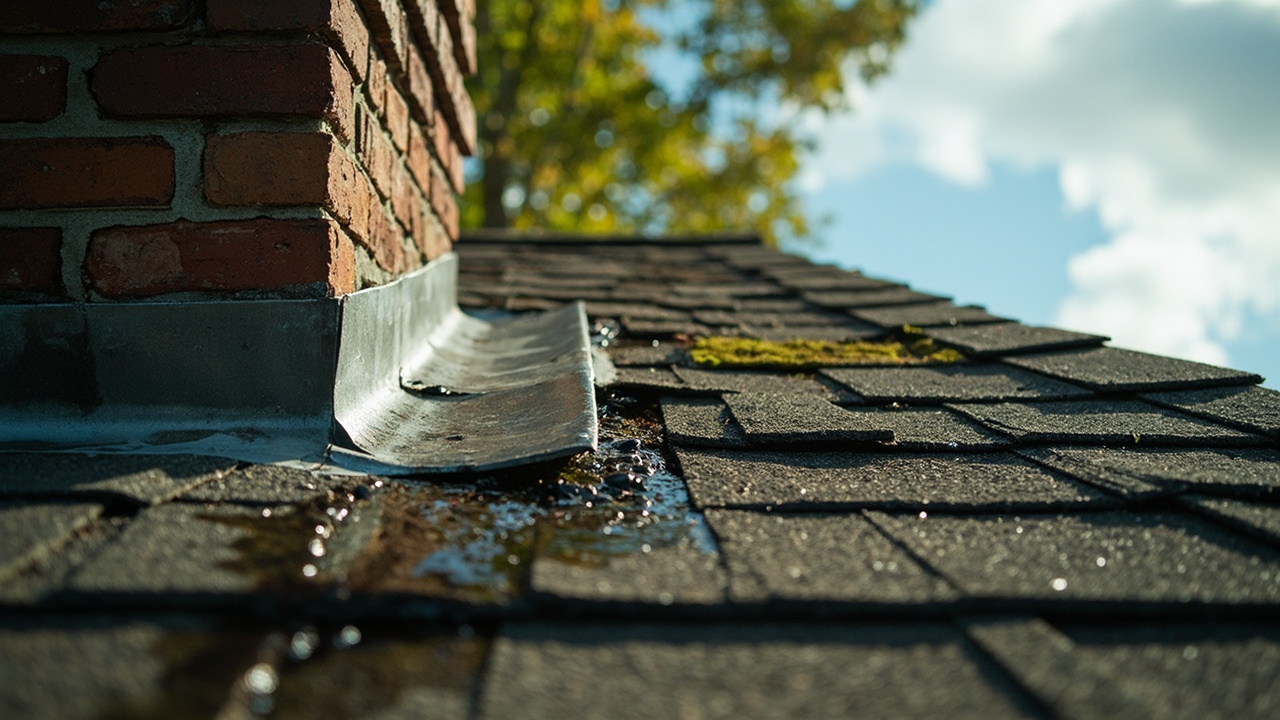
You notice water stains on your ceiling after every heavy rain. The drip starts near your chimney or where your roof meets the wall. You have leaky roof flashing.

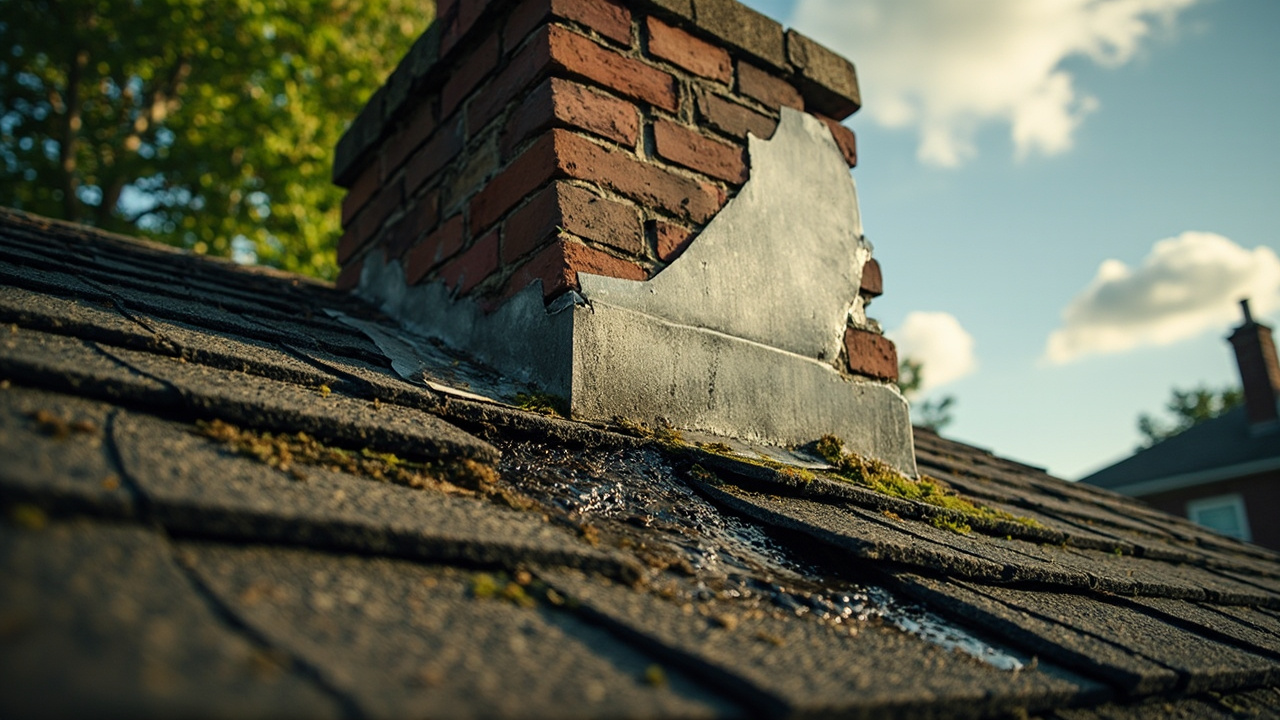
Cincinnati's freeze-thaw cycles destroy flashing faster than almost any other climate factor. Water seeps behind the metal. Temperatures drop below freezing 40 to 50 nights per winter. The water expands. The seal breaks. By spring, you have damaged roof flashing that fails every time it rains.

Rusted roof flashing is common in older Cincinnati homes, especially those built before 1980. Galvanized metal oxidizes in our humid summers. The rust eats through the metal. The barrier between your roof and the elements disappears.

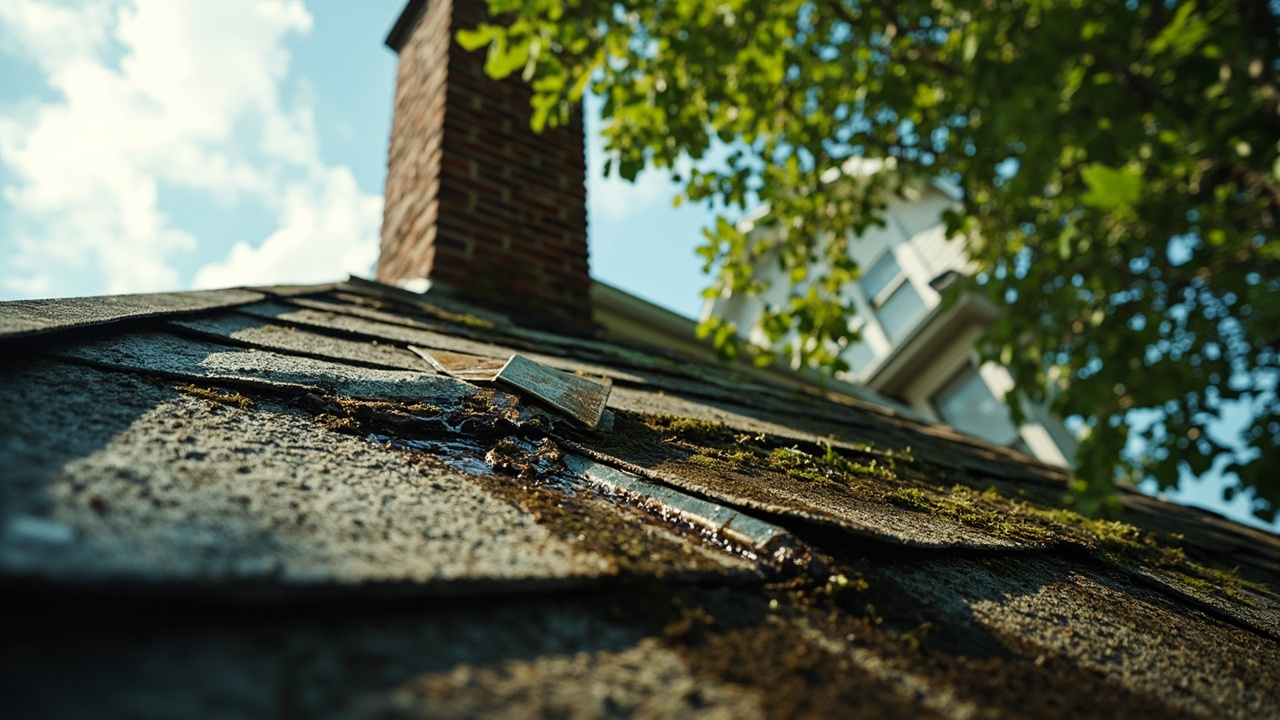
Loose roof flashing happens when roofers use inadequate fasteners or skip the underlayment step. High winds during summer thunderstorms lift the edges. Once the seal breaks, water finds the gap. The leak starts small. It grows every season.

Flashing seal failure is not always visible from the ground. You see the water damage inside your home first. By then, the wood decking may already be rotting. The insulation is soaked. The drywall is stained.

Cincinnati's clay soil causes foundation settling. Your house shifts slightly. Flashing installed ten years ago no longer fits tight against the brick or siding. The gap is only a quarter inch, but that is enough for water intrusion during a driving rainstorm.

You need a roofer who understands how freeze-thaw cycles, humidity, and soil movement combine to destroy flashing in this region.

Why Cincinnati Roofs Suffer from Chronic Flashing Failures
How We Diagnose and Fix Flashing Leaks Correctly

How We Diagnose and Fix Flashing Leaks Correctly

We do not patch over the problem. We remove the damaged section and rebuild it.

First, we inspect every transition point on your roof. Chimneys, skylights, dormers, and wall junctions are the most common failure zones. We check the step flashing along the rake edges. We examine the counter flashing where the metal tucks into the mortar joints. We look for rust bloom, separated seams, and missing fasteners.

Most leaks happen because the original installer skipped the ice and water shield. We install a self-adhering membrane under every piece of flashing. This creates a secondary barrier. Even if the flashing develops a small crack, the membrane stops the water.

We use copper or aluminum flashing for longevity. Galvanized steel rusts out in 15 years in Cincinnati's climate. Copper lasts 50 years or more. Aluminum does not corrode. The upfront cost is higher, but you will not replace it again.

Proper counter flashing installation requires cutting a reglet into the masonry, not just caulking the top edge. We grind a narrow slot into the mortar joint. We insert the flashing into the slot. We seal it with polyurethane caulk designed for masonry. This method prevents water from running behind the metal.

We overlap each piece of step flashing by at least three inches. We secure it to the roof deck with ring shank nails, not staples. We apply roofing cement at every seam. We integrate the flashing with the shingle courses so water flows over the top, not under it.

When the repair is complete, you have a watertight transition that will survive another decade of freeze-thaw cycles and summer storms.

What Happens During a Flashing Leak Repair

Roof Flashing Leaking in Cincinnati | Expert Diagnosis and Permanent Repair Solutions
01

Inspection and Leak Tracing

We start by locating the exact entry point, not just the water stain inside your home. Water travels along rafters and insulation before it drips through your ceiling. We trace the flow path back to the source. We inspect every piece of flashing around chimneys, vents, and wall junctions. We look for rust, cracks, separated seams, and missing fasteners.
02

Removal and Deck Assessment

We remove the damaged flashing and the surrounding shingles. We inspect the roof decking for water rot. If the plywood is soft or discolored, we replace that section. We check the underlayment for tears. We ensure the surface is dry and solid before we install new materials. Skipping this step guarantees future leaks.
03

Installation and Weatherproofing

We install ice and water shield as a secondary barrier. We fabricate and install new flashing using corrosion-resistant materials. We integrate each piece with the shingle courses, overlapping at least three inches at every seam. We seal all fastener holes and edges with roofing cement. We test the repair with a hose before we leave your property.

Why Cincinnati Homeowners Choose First Choice Roofing for Flashing Repairs

You need a roofer who knows the difference between a quick patch and a permanent fix.

We have repaired flashing on every roof type in the greater Cincinnati metro. Victorian homes with slate roofs and copper valleys. Ranch homes with asphalt shingles. Tudor revivals with complex dormer intersections. Each architectural style has unique flashing requirements.

Cincinnati enforces the 2018 International Residential Code for roof repairs. We follow those standards. We install flashing that meets the wind uplift requirements for our region. We use fasteners rated for high-wind zones. We integrate every repair with the existing roof system so it performs as a single weatherproof barrier.

We understand how local soil conditions affect your home. Homes in Hyde Park and Mount Adams sit on hillsides with significant slope. Foundation settling is common. We account for structural movement when we install flashing. We leave expansion gaps where necessary. We use flexible sealants that tolerate minor shifts without cracking.

We do not subcontract flashing work to general laborers. Our crew has years of experience fabricating custom metalwork. We can match the profile of original copper flashing on historic homes. We can fabricate complex cricket assemblies for wide chimneys. We can integrate new flashing with old slate without damaging the surrounding tiles.

You will not wait three weeks for a callback. When you call, you speak to someone who can schedule your inspection within two business days. We provide written estimates. We explain what failed and why. We show you photos of the damage before we start the repair.

We work in Cincinnati year-round. We know which sealants cure in cold temperatures. We know when to delay a repair because rain is forecast. We do not rush the job to finish before dark.

What You Can Expect When You Hire First Choice Roofing

Inspection and Estimate Timeline

We schedule your inspection within two business days of your call. The inspection takes 30 to 60 minutes depending on roof complexity. We trace the leak, photograph the damage, and assess the surrounding materials. You receive a written estimate within 24 hours. The estimate includes material specifications, labor breakdown, and a clear explanation of the problem. If you approve the work, we schedule the repair within one week under normal conditions.

How We Assess the Damage

We do not guess where the leak originates. We climb onto your roof and inspect every transition point. We remove shingles if necessary to see the underlayment and decking. We check for rust, separated seams, missing fasteners, and deteriorated sealant. We inspect the interior for water stains, mold, and insulation damage. We provide photos of the failure point and explain what caused it. You know exactly what needs repair before we start the work.

The Quality of the Repair

You get new flashing that will last as long as your roof. We use copper or aluminum materials that resist corrosion. We install ice and water shield under every piece of flashing. We overlap all seams by at least three inches. We secure the flashing with ring shank nails and seal every fastener hole. We integrate the repair with your existing shingles so it looks seamless from the ground. Before we leave, we test the repair with a hose to confirm it is watertight.

Post-Repair Support and Monitoring

We provide documentation of the materials we used and the work we performed. You receive care instructions for maintaining the flashing. We recommend annual inspections to catch small issues before they become leaks. If you experience any problems after the repair, you call the same number and speak to the same team. We return to assess the issue and determine if additional work is needed. Our goal is a permanent fix, not repeat business from the same problem.

Frequently Asked Questions

You Have Questions,
We Have Answers

How to repair a roof leak at flashing? +

Repairing a roof leak at flashing starts with identifying the exact failure point. Remove damaged shingles around the flashing, then pry out the old flashing carefully without damaging the underlying roof deck. Clean the area completely, removing all old sealant and debris. Install new step flashing or valley flashing, ensuring proper overlap and integration with the shingle course. Seal edges with roofing cement, then reinstall shingles to cover the flashing properly. In Cincinnati, freeze-thaw cycles often cause flashing to lift and crack, so professional installation ensures long-term waterproofing. This repair requires precision to prevent recurring leaks during Indiana's heavy spring storms.

Why is my roof leaking under flashing? +

Your roof leaks under flashing because the seal has failed or the flashing was improperly installed. Common causes include deteriorated sealant from age, physical damage from ice dams, missing nails that allow flashing to lift, or poor installation where flashing does not integrate correctly with shingles. Cincinnati homes face significant temperature swings between seasons, which expand and contract metal flashing, breaking seals over time. Flashing around chimneys, skylights, and roof valleys is especially vulnerable. Water follows the path of least resistance, so even a small gap allows moisture to penetrate underneath and damage your roof deck and interior.

Are roofers responsible for flashing? +

Yes, professional roofers are responsible for installing and repairing flashing as part of comprehensive roof work. Flashing installation requires specific knowledge of building codes, proper shingling techniques, and waterproofing principles. A licensed roofer ensures flashing integrates correctly with your roofing system, preventing leaks at vulnerable transition points like valleys, walls, and penetrations. When you hire a roofer for roof replacement or major repairs in Cincinnati, flashing work is included in the scope. However, if flashing fails due to improper installation, the original contractor bears responsibility. Always verify your roofer understands local building codes and Cincinnati's climate challenges before starting work.

Can I fix roof flashing myself? +

You can attempt minor flashing repairs yourself if you have roofing experience and proper safety equipment, but most flashing leaks require professional expertise. DIY repairs work for simple resealing of small gaps using roofing cement, but replacing damaged flashing involves removing shingles, understanding water flow patterns, and correctly integrating new flashing into the roofing system. Mistakes cause bigger leaks and void warranties. Cincinnati's steep-pitched roofs and unpredictable weather add safety risks. If your leak involves chimney flashing, valley flashing, or requires removing multiple shingle courses, hire a professional. Improper flashing repair leads to interior water damage that costs far more than professional service.

Does flex seal work on roof flashing? +

Flex Seal can provide a temporary patch for minor flashing leaks, but it is not a permanent solution. This rubber coating may seal small gaps or cracks in an emergency, giving you time to schedule proper repairs. However, Flex Seal does not address underlying flashing failures like rusted metal, lifted edges, or improper installation. Cincinnati's temperature extremes cause flexible sealants to degrade faster than manufacturer claims suggest. The product also does not integrate with shingles properly, creating future leak paths. Use Flex Seal only as a stopgap during heavy rain, then hire a roofer to replace or properly repair the flashing before water damage spreads.

Does homeowners insurance cover flashing repair? +

Homeowners insurance typically covers flashing repair if the damage resulted from a covered peril like wind, hail, or falling trees. Insurance does not cover flashing failure from normal wear, improper maintenance, or age-related deterioration. If a storm damages your Cincinnati home, document the flashing damage with photos immediately and file a claim quickly. Your adjuster will inspect to determine if the damage qualifies under your policy. Many policies exclude gradual leaks or pre-existing conditions. Review your policy details and deductible before filing. If your claim is denied due to maintenance issues, you remain responsible for repair costs to prevent further interior damage.

Is it expensive to fix roof flashing? +

Flashing repair costs vary based on location, extent of damage, and accessibility. Simple resealing of small sections runs lower, while replacing chimney flashing or valley flashing costs more due to complexity and labor. Steep roofs or multi-story homes in Cincinnati increase labor costs due to safety requirements. Material choice matters too. Aluminum flashing costs less than copper, but copper lasts decades longer. Extensive water damage from delayed repairs significantly increases costs because roofers must replace rotted decking and damaged shingles. Address flashing leaks immediately to avoid compounding expenses. Request detailed estimates from local roofers to understand your specific repair costs.

Is it normal for a roof to leak in heavy rain? +

No, a properly installed and maintained roof should not leak during heavy rain, even in Cincinnati's intense spring storms. If your roof leaks only during downpours, you have a flashing failure, damaged shingles, or clogged gutters causing water backup. Heavy rain exposes weaknesses that light rain does not reveal. Water may be entering through deteriorated flashing around chimneys or skylights, then traveling along roof decking before dripping inside. Ice dam damage from winter often creates hidden gaps that only show during heavy water flow. Do not ignore these leaks. They indicate a real problem that will worsen and cause structural damage if left unaddressed.

Can I put new flashing over old flashing? +

No, you cannot install new flashing over old flashing and expect a watertight seal. Proper flashing repair requires removing the old material completely to inspect the underlying roof deck for water damage. Layering flashing creates uneven surfaces that prevent shingles from laying flat, which causes new leak paths. Old flashing may hide rot or rust that continues to deteriorate underneath. Cincinnati building codes require proper flashing installation, which means removing failed materials. Shortcuts create recurring leaks and void warranties. Professional roofers strip old flashing, repair any deck damage, install new flashing correctly integrated with shingles, and ensure long-term waterproofing. Always replace, never layer.

What is the lifespan of roof flashing? +

Roof flashing lifespan depends on material and installation quality. Galvanized steel flashing lasts 20 to 30 years before rusting through. Aluminum flashing typically lasts 20 years but dents easily. Copper flashing can last 50 years or longer with minimal maintenance, making it ideal for Cincinnati homes despite higher upfront costs. Lead flashing lasts decades but faces regulatory concerns. Poor installation shortens any flashing lifespan significantly. Freeze-thaw cycles in Indiana accelerate deterioration by expanding and contracting metal repeatedly. Inspect flashing during routine roof maintenance every few years. Replace flashing when you replace your roof to ensure components age together and maintain waterproof integrity.

How Cincinnati's Freeze-Thaw Cycles Accelerate Roof Flashing Failure

Cincinnati experiences an average of 45 freeze-thaw cycles each winter. Water seeps behind your flashing during a January rain. Temperatures drop to 20 degrees that night. The water expands as it freezes, pushing the metal away from the roof deck. The seal breaks. By February, you have a loose roof flashing that lets water flow directly onto your decking during every storm. This cycle repeats 40 to 50 times before spring arrives. Flashing installed without a secondary moisture barrier fails within five years in this climate.

Cincinnati building codes require ice and water shield at all roof penetrations and transitions. Many roofers skip this step to save time. First Choice Roofing Cincinnati installs the membrane on every flashing repair because we know what happens when it is missing. We have repaired hundreds of leaks in Oakley, Hyde Park, and Mount Adams caused by improper flashing installation. When you hire a local roofer who understands regional climate challenges, you get a repair that survives another decade of freeze-thaw stress and summer humidity.
Roofing Services in The Cincinnati Area

We are proud to serve the entire Cincinnati metro area and surrounding communities, bringing our top-tier roofing expertise right to your neighborhood. Use the map below to visualize our primary service region and get directions to our main office for material samples or in-person consultations. Whether you are downtown or on the outskirts, First Choice Roofing is committed to being your most convenient and reliable local roofing partner. Contact us to confirm service availability at your specific address.

Address:
First Choice Roofing Cincinnati, 2337 Victory Pkwy, Cincinnati, OH, 45206

Additional Services We Offer

Our news updates

Latest Articles & News from The Blogs

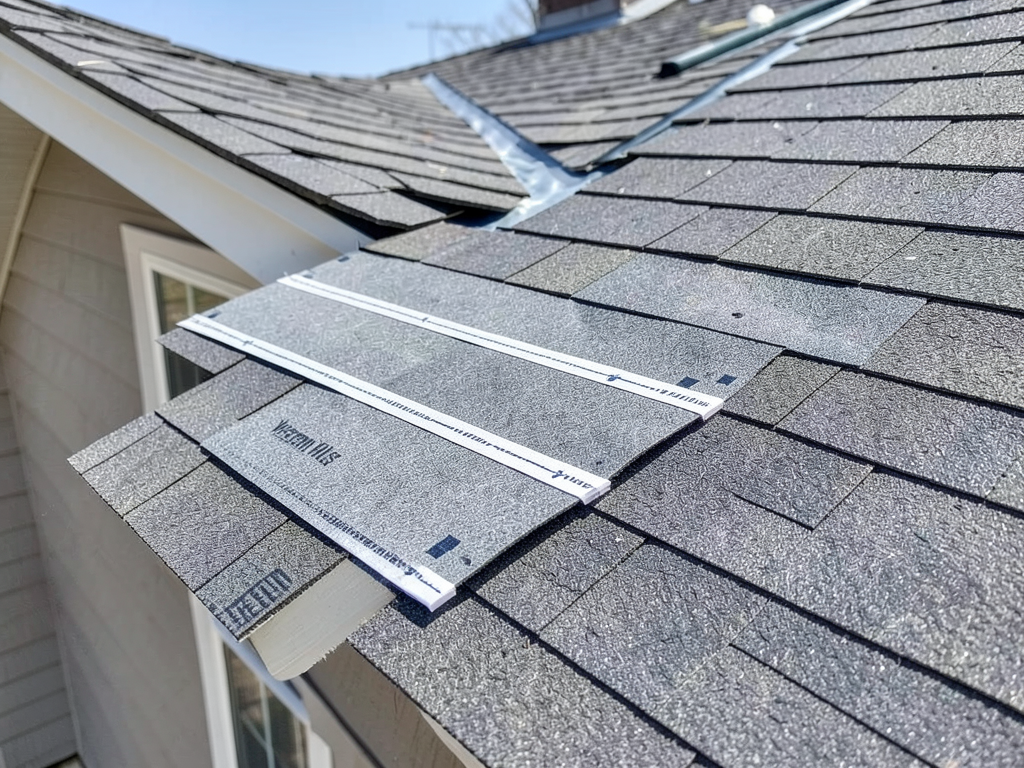
Why your Western Hills home needs high-wind starter shingles even if you aren't in a hurricane zone Your Western Hills…

Why your Western Hills home needs high-wind starter shingles even if you aren't in a hurricane zone

Why your Western Hills home needs high-wind starter shingles even if you aren't in a hurricane zone Your Western Hills…

Understanding the structural limits of your older Norwood roof before switching to heavy clay tiles

Understanding the structural limits of your older Norwood roof before switching to heavy clay tiles Norwood’s charming older homes built…

The best roofing colors for a Dutch Colonial home in the Gaslight District of Clifton

Choosing the Perfect Roof Color for Your Dutch Colonial Home in Clifton The gambrel roof of your Dutch Colonial home…

Contact Us

Call First Choice Roofing Cincinnati at (513) 223-5511 today. We will inspect your roof, trace the leak, and provide a written estimate within 24 hours. Do not wait until the water damage spreads to your insulation and drywall.