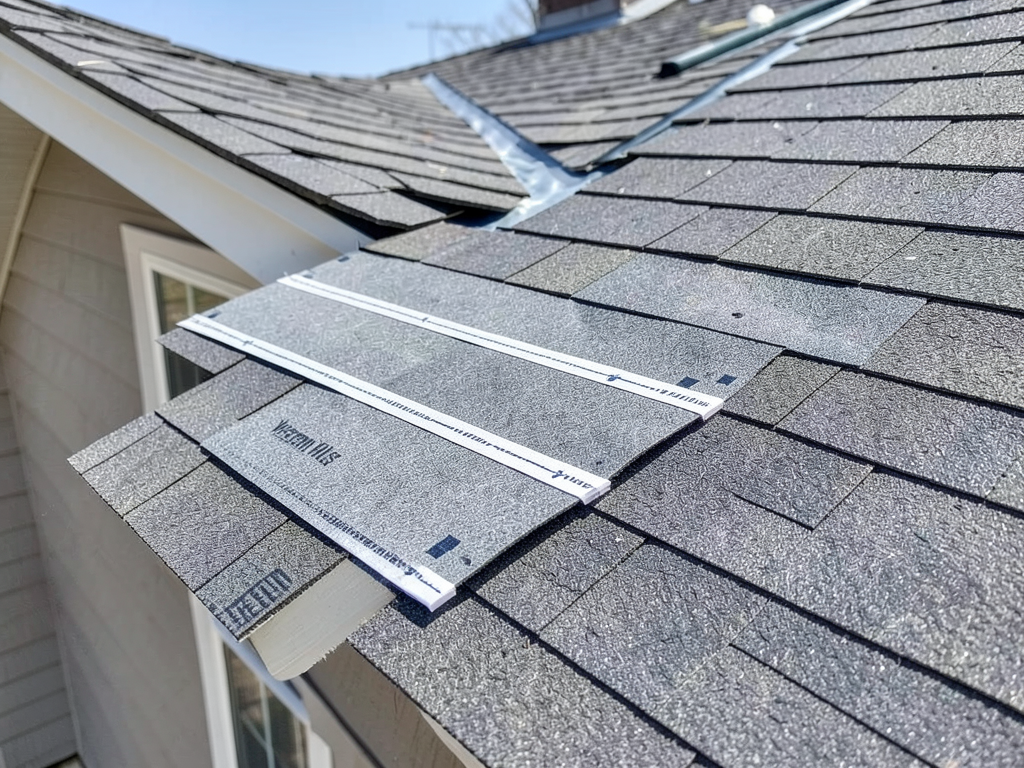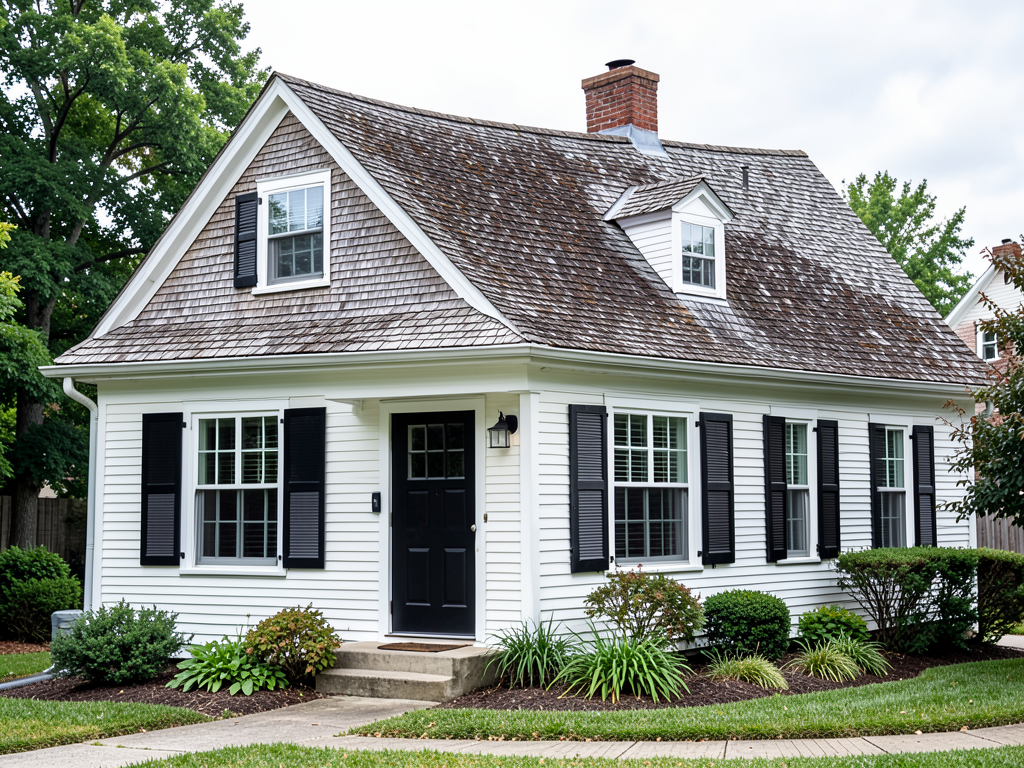


Cincinnati experiences an average of 50 freeze-thaw cycles each winter, concentrated between December and March. When temperatures fluctuate above and below 32 degrees, the moisture trapped in your asphalt shingles expands and contracts. This process separates granules from the underlying mat and creates micro-cracks in the sealant strips. Homes in elevated areas like Mount Washington and Anderson Township face increased exposure to these temperature swings. The result shows up as premature granule loss, lifting shingle tabs, and reduced wind resistance within eight to ten years instead of the expected 20-year lifespan.
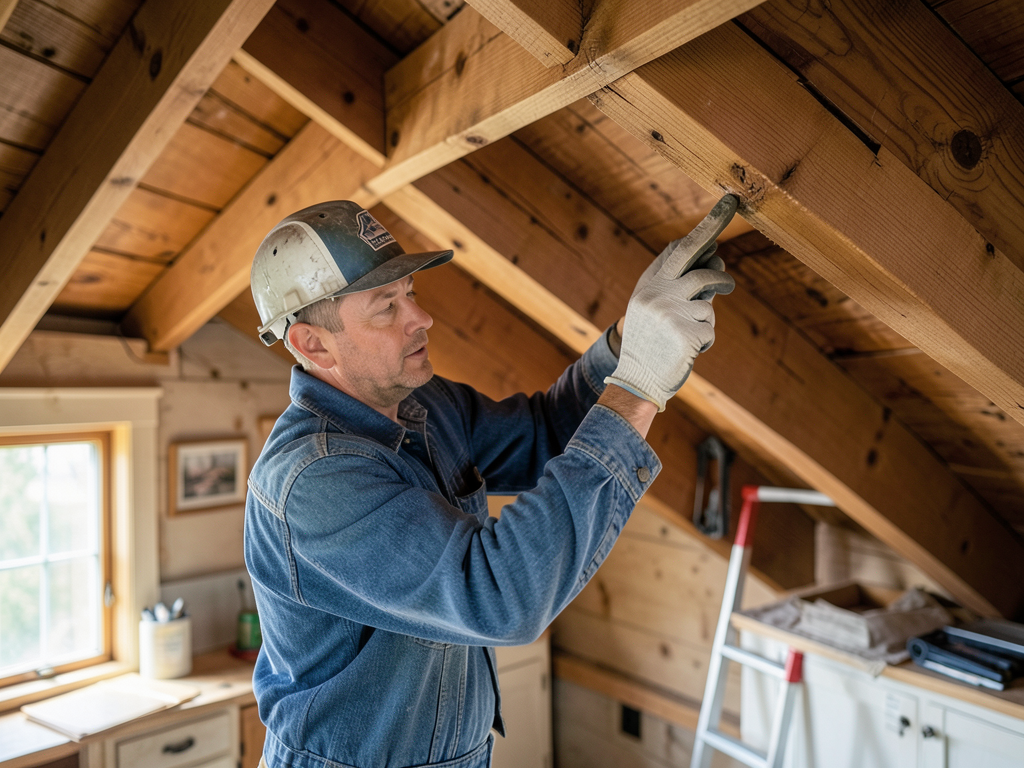
Working in the Cincinnati market means understanding Hamilton County building requirements and knowing which composite shingle roofing products perform best in this specific climate zone. First Choice Roofing Cincinnati maintains relationships with local inspectors and stays current with code amendments affecting residential roofing projects. We source materials from regional distributors who stock impact-resistant fiberglass shingles engineered for the Ohio Valley's weather patterns. Our installation crews live in the communities we serve and understand how local conditions affect roof performance. This expertise matters when your home sits in a historic district with architectural guidelines or when your insurance company requires specific impact ratings.