Menu

Metal Roofing Systems in Cincinnati – Built to Handle Freeze-Thaw Cycles and Midwest Weather Extremes

Metal roofing systems engineered for Cincinnati's rapid temperature swings, winter ice damming, and summer storm winds, delivering superior performance across residential and commercial properties throughout the Greater Cincinnati region.

Slider Image 1
Slider Image 2
Slider Image 3
Slider Image 4
Slider Image 5
Slider Image 7
Slider Image 8
Slider Image 9
Slider Image 10
Slider Image 11

Why Cincinnati Properties Need Metal Roofing Systems Designed for Ohio River Valley Weather

Cincinnati sits in a weather convergence zone where rapid temperature swings create brutal conditions for traditional roofing materials. Winter mornings can start at 15 degrees, then climb to 45 by afternoon. This freeze-thaw cycling causes asphalt shingles to crack, curl, and lose granules within 10 to 12 years instead of their rated lifespan.

Metal roofing systems solve this problem through thermal expansion engineering. Metal roofing panels are manufactured with concealed fastening systems and floating clips that allow the metal roof sheets to expand and contract without tearing or creating leak points. This matters when you experience 50-degree temperature swings in a single day during March and November.

The Ohio River Valley humidity compounds the issue. Traditional roofing materials trap moisture between layers, creating mold growth and accelerating rot in roof decking. Metal roofs eliminate this through ventilated panel designs that allow air circulation while maintaining waterproof integrity. The standing seam profile sheds water instantly, preventing the ice dam formation common along Cincinnati eaves during January cold snaps.

Historic neighborhoods like Mount Adams and Hyde Park face additional challenges. Many homes feature steep-pitch roofs with complex valley systems. Metal roofing materials handle these architectural details better than composition shingles because custom-bent flashing integrates seamlessly with panel profiles. You get weather protection that matches the craftsmanship of century-old construction.

Wind is another factor. Spring storm systems moving up from Kentucky generate 60 mph gusts that strip shingles off roofs across Clifton and Oakley every year. Metal roofing products are mechanically fastened through the decking with rated wind resistance exceeding 140 mph, making them the practical choice for Cincinnati's storm exposure.

Why Cincinnati Properties Need Metal Roofing Systems Designed for Ohio River Valley Weather
How Professional Metal Roofing System Installation Protects Your Cincinnati Investment

How Professional Metal Roofing System Installation Protects Your Cincinnati Investment

Metal roofing system installation differs fundamentally from shingle application. The substrate preparation determines long-term performance. We inspect existing decking for soft spots caused by previous leak damage, then replace compromised sections with CDX plywood rated for metal fastener pull-through resistance. This matters because metal roofing panels transfer load differently than shingles, concentrating stress at fastener points rather than distributing it across the entire surface.

Underlayment selection separates professional installations from shortcuts. We use high-temperature synthetic underlayment rated for metal roof applications, not standard felt paper. Metal surfaces create heat islands that reach 160 degrees on July afternoons. Standard underlayment degrades under this thermal stress, creating adhesion failure that leads to panel detachment during wind events.

The panel layout accounts for Cincinnati's thermal expansion factors. We calculate expansion rates based on local temperature data, then install expansion joints at specific intervals. Standing seam panels require different clip spacing than corrugated profiles. Clip placement follows engineered specifications that allow the metal roof sheets to move without creating stress points that cause fastener failure.

Flashing integration determines whether your metal roofing system lasts 20 years or 50 years. We fabricate custom flashing for every roof penetration, valley, and transition point. Pre-formed flashing pieces create gaps where wind-driven rain penetrates. Field-fabricated components are bent to exact angles matching your roof geometry, then sealed with polyurethane caulking rated for metal-to-metal applications.

Ridge venting integration maintains attic ventilation while preventing weather infiltration. Metal ridge caps install over continuous ridge vent material, creating airflow that prevents winter condensation and summer heat buildup. This detail prevents the ice damming that damages so many Cincinnati properties during January temperature swings.

What Happens During Your Metal Roofing System Installation

Metal Roofing Systems in Cincinnati – Built to Handle Freeze-Thaw Cycles and Midwest Weather Extremes
01

Initial Structural Assessment

We measure roof pitch, identify load-bearing points, and calculate snow load requirements based on Hamilton County building codes. Metal roofing materials weigh less than asphalt shingles, but panel selection depends on your existing rafter spacing and decking condition. We photograph damaged areas and test decking moisture content using calibrated meters to identify hidden leak damage before metal panels get installed over compromised substrate.
02

Substrate Preparation and Panel Installation

Damaged decking sections get replaced, then synthetic underlayment is rolled and fastened at engineered intervals. Metal roofing panels install from eave to ridge, with each standing seam mechanically seamed using powered seaming tools that create weathertight interlocks. Concealed fastener clips attach to decking at calculated spacing, allowing thermal movement while preventing panel uplift during wind events. Valley panels are custom-fabricated to match roof angles specific to your home.
03

Flashing and Trim Integration

Ridge caps, rake edges, and drip edge components install last, creating finished edges that shed water away from fascia boards and into gutters. Pipe boots receive metal collars fabricated to match your panel profile. Chimney flashing integrates through counter-flashing bent into masonry joints. Every fastener penetration receives sealant rated for Cincinnati's temperature extremes. Final inspection confirms all panel seams are fully engaged and ventilation systems function properly.

Why Cincinnati Properties Trust First Choice Roofing Cincinnati for Metal Roofing Systems

Metal roofing system installations require specialized knowledge that general roofers often lack. Panel manufacturers void warranties when installation doesn't follow engineered specifications. We maintain certifications with major metal roofing product manufacturers, ensuring your installation meets requirements that protect your warranty coverage.

Cincinnati's building codes add complexity. Hamilton County requires engineered calculations for metal roof installations on structures built before 1978, particularly in historic districts. We coordinate with structural engineers when required, providing documentation that satisfies permit requirements without delaying your project timeline.

Our experience with Cincinnati's architectural diversity matters. German Village homes need concealed fastener systems that don't compromise historic aesthetics. Commercial properties in Queensgate require standing seam profiles with high wind ratings. Industrial buildings need corrugated panels that span wide purlin spacing. We match metal roofing materials to your specific application instead of forcing one-size-fits-all solutions.

Local supply relationships prevent project delays. Metal roofing panels are custom-fabricated to your exact measurements, with lead times ranging from three days to three weeks depending on profile complexity and color selection. We maintain relationships with regional fabricators who prioritize our orders, keeping your project on schedule even during peak construction season.

The Ohio River Valley's humidity creates unique corrosion challenges. We specify coating systems appropriate for Cincinnati's climate zone. Galvalume substrates with Kynar paint systems provide 40-year corrosion resistance in our moisture environment. Cheaper acrylic-coated panels fail within 15 years when exposed to our humidity levels combined with acid rain from industrial areas along the river corridor.

First Choice Roofing Cincinnati understands that metal roofing systems represent significant investments. We provide detailed proposals showing panel specifications, fastener types, underlayment brands, and flashing details so you understand exactly what you're purchasing.

What to Expect from Your Metal Roofing System Installation

Project Timeline and Scheduling

Residential metal roofing system installations typically require three to seven days depending on roof complexity and weather conditions. Commercial projects extend longer based on square footage and accessibility challenges. We schedule work during dry weather windows, monitoring forecasts to avoid starting installations before rain events. Metal panel fabrication adds one to two weeks to project timelines, but we coordinate delivery to match crew availability. Tear-off happens on day one, with new underlayment installed immediately to weatherproof your structure. You stay protected throughout the installation process even if weather delays panel installation.

Pre-Installation Consultation and Material Selection

We measure your roof using satellite imaging confirmed by physical site inspection. You select from standing seam, corrugated, or R-panel profiles based on architectural style and budget parameters. Color selection includes 30-plus options in Kynar-coated finishes rated for Cincinnati's UV exposure and humidity. We discuss gauge thickness, with 26-gauge panels standard for residential applications and 24-gauge specified for commercial installations requiring higher wind ratings. Sample panels show actual finish quality and help you visualize how metal roofing materials integrate with your property's existing aesthetic. Permit applications get filed once you approve specifications and sign the installation agreement.

Installation Quality and Final Inspection

Every fastener penetration receives inspection to confirm proper sealing and correct installation angle. Panel seams get tested using mechanical gauges that verify full engagement along the entire seam length. Flashing installations receive particular attention because these transition points create 80 percent of metal roof leaks when improperly installed. We photograph completed installations showing fastener patterns, underlayment coverage, and flashing details for your records. Final walkthroughs explain maintenance requirements and identify areas requiring periodic inspection. You receive manufacturer documentation including panel specifications, coating warranties, and care instructions that protect your investment and maintain warranty coverage for decades.

Long-Term Performance and Maintenance

Metal roofing systems require minimal maintenance compared to asphalt shingles, but periodic inspections extend service life. We recommend annual inspections focusing on fastener tightness, sealant condition around penetrations, and valley areas where debris accumulates. Cincinnati's trees drop leaves that trap moisture against metal surfaces, creating corrosion points if not removed seasonally. Panel coatings maintain color and corrosion resistance for 40 years when properly maintained. Small scratches or dings receive touch-up paint to prevent rust formation. Manufacturer warranties cover coating fade and substrate corrosion, with specific requirements documented in your warranty package. We provide maintenance services that keep your metal roofing system performing as designed.

Frequently Asked Questions

You Have Questions,
We Have Answers

What is the biggest problem with metal roofs? +

The biggest problem with metal roofs is improper installation. Poorly installed fasteners, inadequate sealing, and incorrect flashing allow water infiltration. In Cincinnati, where freeze-thaw cycles stress roofing systems, expansion and contraction cause panels to loosen if not properly attached. Exposed fasteners corrode over time, leading to leaks. Noise during heavy rain or hail concerns some homeowners, but proper insulation and underlayment solve this. Denting from fallen branches is rare with quality panels. Choose an experienced installer who understands local building codes and climate challenges to avoid these issues.

How much does a 2000 square foot metal roof cost? +

A 2000 square foot metal roof in Cincinnati typically ranges from mid to high four figures, depending on material choice and complexity. Standing seam systems cost more than exposed fastener panels. Roof pitch, number of penetrations, and removal of existing shingles affect pricing. Local labor rates and material availability fluctuate seasonally. Additional factors include underlayment quality, ventilation upgrades, and flashing details. Get three detailed quotes from local contractors who itemize materials and labor separately. Prices vary significantly based on panel gauge, finish, and warranty coverage.

What is the best type of metal roofing? +

Standing seam metal roofing is the best choice for longevity and weather resistance. These panels feature concealed fasteners and interlocking seams that expand and contract without leaking. For Cincinnati homes facing humidity and storm exposure, 24-gauge steel or aluminum panels with Kynar coatings resist corrosion and fading. Corrugated metal suits agricultural buildings but lacks the weather-tightness residential roofs need. Stone-coated steel offers a traditional shingle appearance with metal durability. Your choice depends on budget, architectural style, and expected lifespan. Prioritize panel thickness, finish warranty, and proper installation over initial cost.

Is it cheaper to put a metal roof or shingles? +

Metal roofs cost more upfront than asphalt shingles but deliver better long-term value. Shingles might run half the initial expense, but they require replacement every 15 to 20 years. Metal roofs last 40 to 70 years with minimal maintenance. In Cincinnati, where storms and humidity degrade shingles faster, metal systems reduce replacement cycles and repair costs. Metal reflects heat, lowering cooling expenses during humid summers. Insurance discounts for impact resistance can offset higher installation costs. Calculate total ownership cost over 30 years, not just installation price, to compare accurately.

Why do insurance companies dislike metal roofs? +

Insurance companies do not dislike metal roofs. They often prefer them. Metal roofs earn discounts because they resist hail damage, fire, and wind uplift better than shingles. Confusion arises when older policies contain outdated language about non-traditional materials. Some carriers require documentation proving the metal roof meets impact ratings and local building codes. In Cincinnati, where severe weather threatens roofs, insurers value metal's Class 4 impact rating and wind resistance. Contact your agent before installation to confirm coverage terms and available discounts. Proper documentation ensures seamless claims processing.

Do metal roofs affect WiFi? +

Metal roofs rarely affect WiFi signals in typical residential settings. Modern roofing panels do not block wireless frequencies enough to disrupt internet connectivity. Your router placement, wall construction, and distance from devices matter more than roofing material. If you experience signal issues, they likely stem from router location or interference from appliances, not the metal roof. In Cincinnati homes with thick plaster walls or multiple stories, WiFi extenders or mesh systems solve connectivity problems regardless of roofing type. Metal roofs do not require special equipment for standard home internet service.

Does insurance cover metal roofs? +

Yes, insurance covers metal roofs like any other roofing system. Standard homeowner policies cover damage from wind, hail, fire, and falling objects. Metal roofs often qualify for premium discounts because they resist storm damage better than shingles. Insurers evaluate the roof based on impact rating, installation quality, and local building code compliance. In Cincinnati, where severe weather occurs regularly, metal roofs reduce claim frequency. Maintain documentation of installation, including contractor credentials and material specifications. Review your policy to understand coverage limits and deductibles. Proper maintenance records support claims if damage occurs.

How does snow affect metal roofs? +

Snow slides off metal roofs faster than shingle roofs due to the smooth surface and heat transfer properties. In Cincinnati, where winter temperatures fluctuate, this prevents ice dam formation that damages shingles. Install snow guards or rails to control shedding and protect landscaping, walkways, and vehicles below. Metal roofs handle snow load well because of their structural strength. The slick surface reduces accumulation, lowering weight stress on the roof deck. Proper attic ventilation prevents warm air from melting snow unevenly. Plan for controlled snow release during installation to avoid safety hazards around entry points.

How much does it cost to put a metal roof on a 1200 ft house? +

A metal roof on a 1200 square foot house in Cincinnati costs less than larger roofs but depends on the same factors. Material choice, roof pitch, and complexity affect total expense. Standing seam panels cost more than exposed fastener systems. Removal of existing roofing, underlayment quality, and flashing details add to the base price. Smaller roofs sometimes carry higher per-square-foot costs because fixed expenses like mobilization and setup spread over less area. Request itemized quotes from local contractors. Compare panel gauge, finish warranties, and installation techniques, not just bottom-line price.

What is better, a 24 or 26 gauge metal roof? +

A 24-gauge metal roof is better than 26-gauge for residential applications. The lower number indicates thicker steel, which resists denting, handles foot traffic better, and spans wider distances between supports. In Cincinnati, where falling branches and hail occur, 24-gauge panels provide superior impact resistance. The thicker material costs slightly more but reduces long-term repair needs. Twenty-six-gauge works for low-traffic agricultural buildings but lacks the durability homes require. Check panel specifications, not just gauge, because coating thickness and steel quality matter equally. Invest in 24-gauge for roofs you expect to last decades.

How Cincinnati's Freeze-Thaw Cycles Make Metal Roofing Systems the Superior Investment

Cincinnati experiences an average of 45 freeze-thaw cycles each winter, more than most Midwest cities due to Ohio River Valley temperature moderation. When temperatures hover around freezing, moisture trapped in roofing materials expands as ice, then contracts as it melts. This cycling destroys asphalt shingles within 12 years, forcing premature replacement. Metal roofing panels eliminate this problem because they shed moisture instantly and contain no porous materials where water can penetrate and freeze. The standing seam profile common in metal roofing systems creates a continuous drainage plane that prevents ice dam formation along eaves, protecting your fascia and soffit from the water damage that costs Cincinnati homeowners thousands in repairs every winter.

Hamilton County building codes require specific wind ratings for roofing materials, with minimum requirements increasing after the 2008 windstorm that damaged thousands of structures across Price Hill and Westwood. Metal roofing products installed according to manufacturer specifications exceed these requirements by substantial margins, providing peace of mind during severe weather events. Local building inspectors recognize quality metal roof installations and streamline permit approval when they see proper engineering documentation and certified installer credentials. First Choice Roofing Cincinnati maintains these certifications and understands local inspection requirements, ensuring your installation passes inspection without delays or corrections that add cost to your project.
Roofing Services in The Cincinnati Area

We are proud to serve the entire Cincinnati metro area and surrounding communities, bringing our top-tier roofing expertise right to your neighborhood. Use the map below to visualize our primary service region and get directions to our main office for material samples or in-person consultations. Whether you are downtown or on the outskirts, First Choice Roofing is committed to being your most convenient and reliable local roofing partner. Contact us to confirm service availability at your specific address.

Address:
First Choice Roofing Cincinnati, 2337 Victory Pkwy, Cincinnati, OH, 45206

Additional Services We Offer

Our news updates

Latest Articles & News from The Blogs

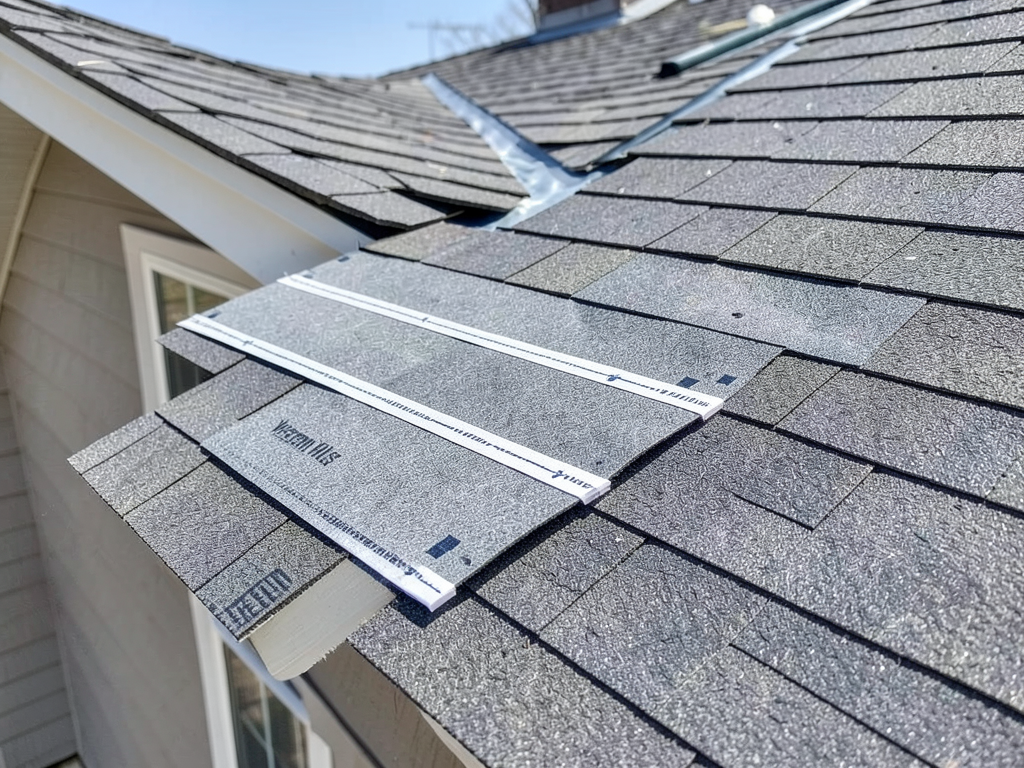
Why your Western Hills home needs high-wind starter shingles even if you aren't in a hurricane zone Your Western Hills…

Why your Western Hills home needs high-wind starter shingles even if you aren't in a hurricane zone

Why your Western Hills home needs high-wind starter shingles even if you aren't in a hurricane zone Your Western Hills…

Understanding the structural limits of your older Norwood roof before switching to heavy clay tiles

Understanding the structural limits of your older Norwood roof before switching to heavy clay tiles Norwood’s charming older homes built…

The best roofing colors for a Dutch Colonial home in the Gaslight District of Clifton

Choosing the Perfect Roof Color for Your Dutch Colonial Home in Clifton The gambrel roof of your Dutch Colonial home…

Contact Us

Stop replacing your roof every 12 years. Call First Choice Roofing Cincinnati at (513) 223-5511 for a detailed metal roofing system proposal. We provide exact specifications, transparent pricing, and installation timelines that fit your schedule. Protect your Cincinnati property with roofing built for Ohio River Valley weather.