

Menu

Valley Leak Repair in Cincinnati – Stop Water Damage Before It Spreads Through Your Home

Expert valley leak repair protects Cincinnati homes from structural rot, ceiling stains, and mold growth caused by failed flashing and compromised roof valleys.

Slider Image 1
Slider Image 2
Slider Image 3
Slider Image 4
Slider Image 5
Slider Image 7
Slider Image 8
Slider Image 9
Slider Image 10
Slider Image 11

Why Roof Valley Leaks Are So Common in Cincinnati Homes

You see water stains on your ceiling after a storm. The drip appears in the same spot every time it rains hard. The problem is your roof valley, and you are not alone.

Cincinnati's freeze-thaw cycles create constant expansion and contraction in roof materials. When temperatures swing from 20 degrees to 50 degrees in a single week, the metal flashing in your valleys flexes. Over time, the sealant cracks. The nails loosen. Water finds a way through.

Heavy rainfall compounds the issue. Cincinnati averages over 44 inches of rain annually, and valleys channel all that water into a single concentrated flow. When debris from the mature oaks and maples common in neighborhoods like Mount Lookout and Hyde Park clogs the valley, water backs up under the shingles. Fixing roof valley leaks requires understanding where the failure occurred, whether it is deteriorated flashing, worn sealant, or improper installation from years past.

Many older homes in historic districts like Clifton and Northside have closed-cut valleys, where shingles from both roof planes meet in the center. This design traps moisture and fails faster than open metal valleys. You might see granule loss, exposed underlayment, or visible gaps where the valley metal has pulled away from the roof deck.

Patching roof valley leaks early prevents thousands in structural damage. Once water enters your attic, it saturates insulation, rots roof decking, and promotes mold growth. Sealing roof valley joints and repairing damaged roof valleys stops the cascade before your home becomes a restoration project.

The longer you wait, the worse it gets. Water does not pause while you consider your options.

Why Roof Valley Leaks Are So Common in Cincinnati Homes
How We Fix Roof Valley Leaks the Right Way

How We Fix Roof Valley Leaks the Right Way

Roof valley flashing repair is not a caulk-and-pray job. First Choice Roofing Cincinnati addresses the root cause, not just the symptom.

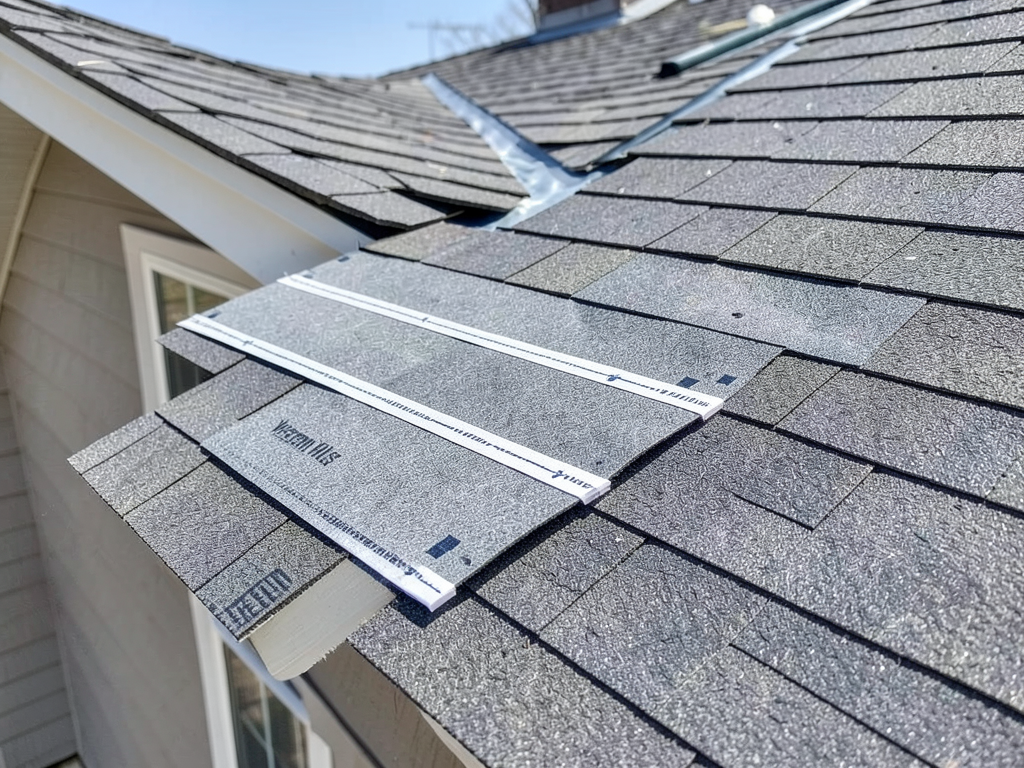
We start by removing the damaged shingles around the valley to expose the flashing underneath. Most leaks trace back to one of three failures: corroded flashing, missing ice and water shield, or improper overlap at the flashing seams. You cannot seal what you cannot see, so we strip back enough material to assess the full extent of damage.

If the metal valley flashing shows rust perforation or mechanical damage, we replace it entirely. Patching corroded metal with more sealant is a temporary fix that fails within months. We install new galvanized or aluminum valley flashing that extends at least eight inches up each roof plane. This creates a proper water channel and ensures shingle edges remain sealed against wind-driven rain.

For closed-cut valleys, we often recommend converting to an open metal valley during repair. This upgrade eliminates the weak point where shingles meet and provides a smoother water flow path. Open valleys last longer and reduce the risk of ice damming during winter freezes.

We apply a continuous bead of roofing sealant along the flashing edges before reinstalling shingles. Each shingle gets hand-nailed in the correct location, avoiding the valley center where nails would penetrate the water channel. We then seal the cut edges with additional flashing cement to lock out moisture.

Sealing roof valley joints means creating a weathertight bond between metal and shingle that can flex with temperature changes. We use rubberized underlayment beneath the flashing for added protection, especially in areas prone to ice accumulation.

The repair is not complete until we test water flow and inspect from the attic to confirm no moisture intrusion. Repairing damaged roof valleys requires precision, not speed.

What Happens During Your Valley Leak Repair

Valley Leak Repair in Cincinnati – Stop Water Damage Before It Spreads Through Your Home
01

Detailed Roof Inspection

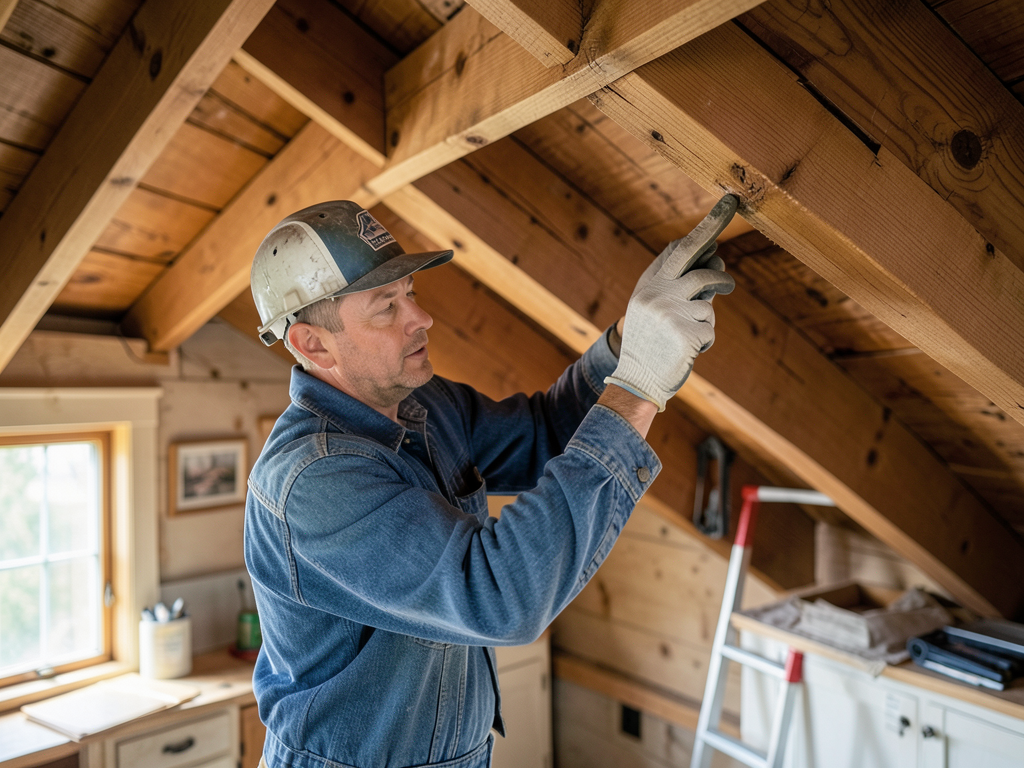
We climb onto your roof and examine the valley from multiple angles, checking for visible damage, granule loss, and flashing separation. From inside your attic, we use a flashlight to trace water stains and identify the exact entry point. This dual-perspective inspection reveals hidden damage that surface-level assessments miss, giving us a complete picture of what failed and why.
02

Flashing Replacement and Sealing

After removing damaged shingles, we install new metal valley flashing with proper overlap and secure it with corrosion-resistant fasteners. We apply ice and water shield underneath for secondary moisture protection, then hand-seal every joint and edge with roofing mastic. The new flashing gets integrated into the existing roof plane without disrupting surrounding shingles, maintaining your roof's structural integrity and appearance.
03

Final Testing and Cleanup

We run water down the repaired valley to simulate heavy rain and confirm proper drainage with zero leakage. From the attic, we verify no moisture penetration at the repair site. After confirming the fix, we clear all debris from your gutters and property, leaving your roof weathertight and your yard clean. You get documentation of the work completed and guidance on monitoring the repair.

Why Cincinnati Homeowners Trust First Choice Roofing Cincinnati for Valley Repairs

Valley leaks require local expertise because every Cincinnati neighborhood has different roofing challenges. Homes in East Walnut Hills deal with mature tree canopy and constant debris accumulation. Properties in Westwood face wind exposure that lifts shingle edges and stresses valley seams. We know these patterns because we work in these areas every day.

Cincinnati building codes require specific flashing installation methods, particularly for homes in historic districts where architectural integrity matters. We follow those standards while using materials designed for the Ohio River Valley climate. That means flashing systems that withstand humidity, temperature swings, and the occasional severe thunderstorm that dumps two inches of rain in an hour.

Most valley leaks we repair were caused by shortcuts during previous roof work. We see valleys where the flashing was never replaced during a re-roof, just covered over with new shingles. We find valleys with insufficient overlap, creating seams that leak within months. Fixing these problems correctly means tearing out the bad work and rebuilding the valley to manufacturer specifications.

First Choice Roofing Cincinnati employs roofers who understand the difference between a California-cut valley and a closed-cut valley, and when each design makes sense for your roof geometry. We do not upsell you on a full roof replacement if a targeted valley repair solves the problem. If surrounding shingles are sound and your roof has years of life remaining, we fix the valley and move on.

You get honest assessments, not sales pitches. We document the damage with photos, explain what failed and why, then present your options. Most valley repairs take one day, and you see immediate results. No more ceiling stains after the next rain. No more attic moisture. Just a properly functioning roof that channels water where it belongs.

What to Expect When You Call for Valley Leak Repair

Fast Response Times

Valley leaks worsen with every storm, so we prioritize rapid scheduling. Most inspection appointments happen within 48 hours of your call. If you have active leaking and forecast rain, we can place emergency tarps to stop water intrusion while we schedule the permanent repair. Repairs typically start within three to five business days, depending on material availability and weather conditions. We work year-round, though extreme cold limits sealant effectiveness and may require temporary weatherproofing until temperatures rise.

Thorough Damage Assessment

Our inspection covers the valley, surrounding shingles, underlying decking, and attic space below the leak. We check for secondary damage like rotted sheathing or wet insulation that needs addressing before we close up the repair. You receive a written estimate that breaks down material costs and labor, with clear explanations of what we found and what we recommend. We take photos of the damage and the completed repair for your records and insurance documentation if needed.

Permanent, Weathertight Repairs

Your repaired valley will handle Cincinnati's heaviest downpours without leaking. We use materials rated for the local climate and install them according to manufacturer specifications. The new flashing integrates seamlessly with your existing roof, maintaining curb appeal while providing superior water management. You should not see any discoloration, mismatched shingles, or obvious repair lines when we finish. The goal is a valley that performs like it was built correctly the first time.

Post-Repair Monitoring Guidance

After completing the repair, we walk you through what to watch for during the next few rain events. Check your attic near the repair site after heavy storms to confirm no new moisture. Monitor the ceiling below for any new staining, though properly executed repairs should eliminate this risk entirely. We provide guidance on gutter maintenance and debris removal to prevent future valley clogs. If you experience any issues within the first year, we return to inspect and address concerns at no additional diagnostic charge.

Frequently Asked Questions

You Have Questions,
We Have Answers

How to fix a leaking valley? +

Fixing a leaking valley requires removing damaged shingles around the valley area, inspecting the underlying flashing for corrosion or separation, and replacing worn materials. In Cincinnati, freeze-thaw cycles damage valley flashing faster than other roof areas. A professional roofer will install new metal flashing, often using ice and water shield underlayment for added protection. They will then reinstall shingles using proper weaving or cut valley techniques. Do not attempt this repair yourself. Improper valley installation channels water under shingles, causing interior damage and rot. A qualified contractor ensures proper water flow and long-term protection.

How much does roof valley repair cost? +

Roof valley repair costs vary based on damage extent, flashing type, and accessibility. Minor repairs involving flashing resealing or small shingle replacement typically cost less than full valley replacement requiring new metal flashing and extensive shingle work. Cincinnati homes with steeper pitches or two-story configurations increase labor costs due to safety requirements. Weather damage from hail or windstorms may qualify for insurance coverage, reducing out-of-pocket expenses. Get a detailed inspection to identify the root cause. A proper assessment determines whether you need spot repairs or complete valley reconstruction, avoiding repeat failures.

What is the average cost to repair a roof leak? +

Roof leak repair costs depend on leak location, damage severity, and materials needed. Simple flashing repairs or single shingle replacements cost less than structural repairs involving damaged decking or rot. In Cincinnati, water damage from delayed repairs increases costs significantly due to mold remediation and interior ceiling work. Valley leaks, chimney flashing failures, and pipe boot deterioration require different repair approaches with varying price points. Insurance may cover storm-related damage. Address leaks immediately to prevent secondary damage. A professional inspection identifies all affected areas, ensuring you fix the actual problem rather than just treating symptoms.

Can heavy rain cause roof valley leaks? +

Yes, heavy rain exposes existing valley weaknesses and causes leaks. Cincinnati experiences intense spring storms that overwhelm improperly installed or aging valley systems. When valleys lack adequate flashing or have debris buildup, water backs up under shingles instead of flowing down. High-volume rainfall accelerates this process, forcing water through small gaps or separations. Freeze-thaw cycles during winter months create micro-cracks that heavy rain penetrates. If your valley only leaks during downpours, the flashing or underlayment has failed. This requires immediate repair to prevent water from reaching your attic insulation and interior walls.

How Cincinnati's Freeze-Thaw Cycles Accelerate Valley Flashing Failure

Cincinnati experiences an average of 20 to 30 freeze-thaw cycles each winter, where daytime temperatures climb above freezing and nighttime temperatures drop below 32 degrees. This constant expansion and contraction stresses valley flashing and sealant joints. Ice forms in small gaps, expands, and widens the opening. When the ice melts, water flows deeper into the roof structure. Over several winters, this cycle degrades even properly installed valleys, making periodic inspection critical for homes older than 10 years.

Roofing contractors who understand Ohio building codes and the specific challenges of Cincinnati weather deliver repairs that last. We account for wind uplift from storms moving up the Ohio River Valley, ice damming on north-facing valleys, and the heavy leaf drop from the region's deciduous forests. First Choice Roofing Cincinnati has repaired valleys on everything from Craftsman bungalows in Oakley to mid-century ranches in Green Township. That experience translates into repairs that perform year after year without callbacks or premature failures.
Roofing Services in The Cincinnati Area

We are proud to serve the entire Cincinnati metro area and surrounding communities, bringing our top-tier roofing expertise right to your neighborhood. Use the map below to visualize our primary service region and get directions to our main office for material samples or in-person consultations. Whether you are downtown or on the outskirts, First Choice Roofing is committed to being your most convenient and reliable local roofing partner. Contact us to confirm service availability at your specific address.

Address:
First Choice Roofing Cincinnati, 2337 Victory Pkwy, Cincinnati, OH, 45206

Additional Services We Offer

Our news updates

Latest Articles & News from The Blogs

Why Your Roof Might Be the Reason Your Second Floor is Always Too Hot Is your second floor a sauna…

Why Your Roof Might Be the Reason Your Second Floor is Always Too Hot

Why Your Roof Might Be the Reason Your Second Floor is Always Too Hot Is your second floor a sauna…

The Hidden Danger of Leaving Old Satellite Dishes Bolted to Your Roof

The Hidden Danger of Leaving Old Satellite Dishes Bolted to Your Roof Old satellite dishes bolted to Cincinnati roofs create…

Common Signs Your Roof Decking is Getting Soft in Finneytown

Common Signs Your Roof Decking is Getting Soft in Finneytown Your roof decking forms the backbone of your entire roofing…

Contact Us

Do not wait for ceiling damage to spread. Call First Choice Roofing Cincinnati at (513) 223-5511 today. We will inspect your valley, explain what failed, and provide a clear repair plan that stops the leak permanently.