Menu

Industrial Roof Replacement in Cincinnati | Minimize Downtime with Industrial-Grade Solutions

First Choice Roofing Cincinnati delivers factory roof replacement and warehouse re-roofing designed to keep your operations running while we upgrade your commercial flat roof system to modern specifications.

Slider Image 1
Slider Image 2
Slider Image 3
Slider Image 4
Slider Image 5
Slider Image 7
Slider Image 8
Slider Image 9
Slider Image 10
Slider Image 11

Why Cincinnati Industrial Buildings Face Accelerated Roof Deterioration

Cincinnati's Ohio River Valley humidity combined with freeze-thaw cycles creates a hostile environment for industrial roofing systems. Manufacturing facilities and warehouse structures in neighborhoods like Queensgate and Camp Washington face constant moisture infiltration that degrades membrane integrity faster than in drier climates. The temperature swings from winter lows near zero to summer highs above 90 degrees cause expansion and contraction that weakens seams and fasteners on commercial flat roof systems.

Industrial buildings in the greater Cincinnati metro typically feature low-slope or flat membrane systems with extensive HVAC loads penetrating the roof deck. These penetrations create vulnerability points where water intrusion begins. Factory roof replacement becomes necessary when ponding water remains 48 hours after rainfall, when interior leaks appear near column lines, or when energy costs spike due to compromised insulation values.

Cincinnati's industrial corridor along the Mill Creek corridor houses aging facilities built between 1950 and 1990. These structures often carry original built-up roof systems or first-generation single-ply membranes that have exceeded their service life. Commercial roof replacement for these buildings requires coordination with active production schedules, material handling equipment, and strict safety protocols that residential contractors cannot manage.

The clay soil beneath Cincinnati foundations shifts with moisture content changes. This movement transfers stress to rigid roof decks, particularly on pre-engineered metal buildings common in industrial parks near I-275. Warehouse roof replacement must account for structural deflection and accommodate future movement to prevent premature membrane failure.

Why Cincinnati Industrial Buildings Face Accelerated Roof Deterioration
How First Choice Roofing Cincinnati Executes Industrial Re-Roofing Projects

How First Choice Roofing Cincinnati Executes Industrial Re-Roofing Projects

Industrial roof replacement requires a different approach than residential work. We begin with infrared thermography to map trapped moisture in existing insulation layers. This non-invasive scan identifies wet insulation that must be removed versus dry sections that can remain if you choose a recover system. The data determines whether a tear-off or overlay makes financial sense for your facility.

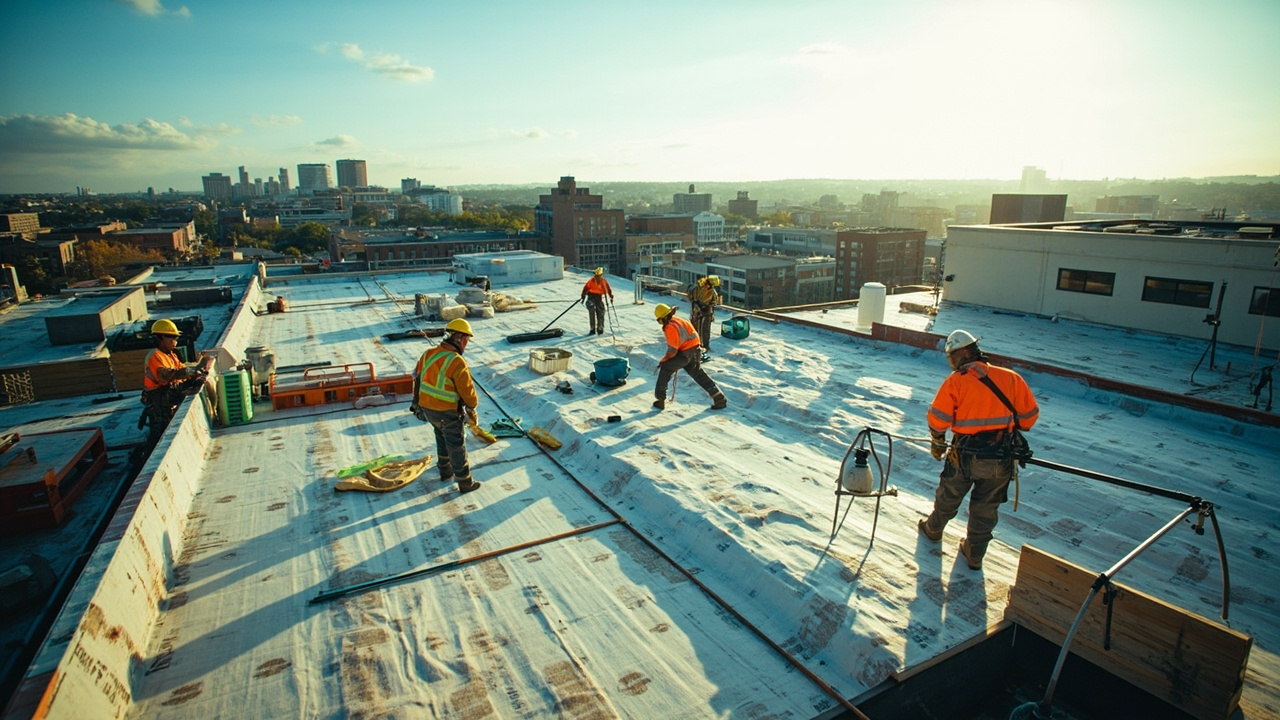
Our project managers coordinate material deliveries to avoid blocking loading docks or interfering with shift changes. We stage materials in designated lay-down areas and use crane lifts or roof-mounted conveyors to move membrane rolls and insulation boards to the roof deck. For facilities that cannot pause operations, we execute phased installations that maintain weather-tight conditions over active production areas.

We install thermoplastic polyolefin or polyvinyl chloride single-ply membranes on most Cincinnati industrial applications. These systems offer superior puncture resistance for roofs with high foot traffic from maintenance personnel accessing rooftop HVAC units. The heat-welded seams create watertight bonds stronger than the base membrane. We detail all penetrations with prefabricated boots and metal counterflashing to prevent the leak points that plague industrial buildings.

For facilities with chemical exposure or extreme thermal loads, we specify modified bitumen systems with granulated cap sheets. These multi-ply assemblies provide redundancy that single-ply systems cannot match. The built-in redundancy matters for operations that cannot tolerate any weather infiltration.

We pressure-test all penetrations and seams before final acceptance. Our commercial flat roof replacement projects include tapered insulation systems that eliminate ponding water by creating positive drainage to roof drains and scuppers. Proper drainage extends membrane life by preventing the standing water that accelerates UV degradation.

What Happens During Your Industrial Roof Replacement

Industrial Roof Replacement in Cincinnati | Minimize Downtime with Industrial-Grade Solutions
01

Pre-Construction Planning and Coordination

We meet with your facilities manager to understand production schedules, restricted areas, and safety requirements. Our team conducts a comprehensive roof survey using core samples and moisture scans to determine existing deck conditions. We develop a project schedule that phases work around your operational constraints. You receive detailed specifications showing membrane type, insulation R-value, and drainage improvements. We coordinate with your insurance provider if you are filing a claim for storm damage.
02

Tear-Off and Deck Preparation

Our crews remove existing membrane and saturated insulation down to the structural deck. We inspect metal deck panels or concrete for rust perforation or spalling that requires repair. All damaged sections receive new steel decking or concrete patching before we proceed. We install a new vapor retarder if your facility has high interior humidity from manufacturing processes. The deck receives new polyisocyanurate insulation boards mechanically fastened to meet Miami-Dade wind uplift ratings. We taper insulation panels to create drainage slopes toward existing drains.
03

Membrane Installation and Quality Verification

We roll out the new single-ply membrane and mechanically fasten it or fully adhere it based on wind exposure calculations for your location. All seams receive hot-air welding that creates bonds stronger than the membrane itself. We install metal coping, counterflashing, and edge details that resist wind uplift. Our final inspection includes seam probe testing and water flood testing around all penetrations. You receive documentation showing compliance with manufacturer specifications required to activate your system warranty.

Why Cincinnati Industrial Facilities Choose First Choice Roofing Cincinnati

Industrial roof replacement demands contractors who understand manufacturing and warehouse operations. First Choice Roofing Cincinnati has completed factory roof replacement projects for facilities throughout Hamilton County while maintaining production schedules. We hold the safety certifications and insurance limits required to work on active industrial sites.

Cincinnati operates under Ohio Building Code with modifications adopted by individual municipalities. We maintain current knowledge of these requirements, particularly the wind uplift provisions that govern membrane attachment methods. Our projects meet Factory Mutual Global and Underwriters Laboratories ratings that your property insurer requires for premium calculations.

We execute industrial re-roofing projects during scheduled plant shutdowns or phase work across multiple weekends to avoid disrupting weekday operations. Our project managers communicate daily with your facilities team to coordinate access, material staging, and safety protocols. We understand that production downtime costs you more than the roof replacement itself.

The industrial corridor along I-75 and I-71 includes diverse building types from pre-engineered metal buildings to tilt-up concrete structures with open-web steel joists. Each structural system requires different attachment methods and load considerations. We engineer solutions specific to your building rather than applying a one-size-fits-all approach.

Our commercial roof replacement projects include documentation packages that satisfy your corporate facilities standards. You receive as-built drawings, material certifications, and warranty information organized for your property management system. We also provide roof asset management recommendations showing expected service life and future maintenance intervals for your capital planning process.

What to Expect from Your Industrial Roof Replacement Project

Project Timeline and Scheduling

Most industrial roof replacement projects require two to six weeks depending on building size and complexity. A 50,000 square foot warehouse roof replacement typically takes three weeks with a crew of six to eight workers. We provide a detailed schedule showing daily activities and milestones. Weather delays get communicated immediately with revised completion dates. For facilities requiring weekend-only work, project duration extends but we maintain weather-tight conditions at the end of each work period. We coordinate around your scheduled plant shutdowns or slower production periods to minimize operational impact.

Initial Assessment and Scope Development

Our assessment begins with a site visit to inspect existing conditions and understand your operational constraints. We use infrared scanning to map moisture in the existing roof assembly and take core samples to verify deck conditions and insulation thickness. You receive a detailed scope of work document outlining tear-off limits, deck repairs, new insulation specifications, and membrane system recommendations. We identify all roof penetrations requiring new flashing details and note any structural concerns requiring engineering review. The assessment includes wind uplift calculations to determine proper attachment methods for your location and building height.

Quality Standards and Performance

Your new industrial roof system will meet or exceed current energy code requirements for insulation values. All membrane seams receive destructive testing during installation to verify proper welding procedures. We install membrane systems rated for your building's wind exposure category based on Cincinnati weather data and structure height. The completed roof eliminates ponding water through proper drainage design. All penetrations receive prefabricated flashing components rather than field-fabricated details that create failure points. You receive third-party inspection reports if your project requires Factory Mutual or Underwriters Laboratories compliance for insurance purposes.

Manufacturer Warranties and Maintenance Programs

Membrane manufacturers offer warranties ranging from 10 to 30 years depending on system selection and proper installation verification. We provide both manufacturer material warranties and our own workmanship coverage. Many industrial facilities benefit from planned maintenance programs that include annual inspections, minor repairs, and documentation for property insurance requirements. These programs identify small problems before they become major leaks. We maintain detailed service records showing all maintenance activities and roof conditions over time. This documentation supports your capital planning process by providing data on actual roof performance versus expected service life.

Frequently Asked Questions

You Have Questions,
We Have Answers

How much does it cost to replace 1000 sq ft of roof? +

Industrial roof replacement costs vary significantly based on roof type, structural condition, and accessibility. For 1000 square feet, expect costs to reflect material choice (TPO, EPDM, or metal), tear-off requirements, and compliance with local building codes. Cincinnati facilities often require additional insulation due to freeze-thaw cycles and humidity fluctuations. Labor accounts for a substantial portion, especially if structural repairs are needed. Membrane roofing systems typically cost less than standing seam metal, but longevity differs. Request detailed proposals that itemize materials, labor, permits, and downtime considerations. Your total investment depends on choosing a system that minimizes future business interruptions.

How long do industrial roofs last? +

Industrial roofs last 15 to 50 years depending on material and maintenance. TPO and EPDM membranes typically last 20 to 30 years with proper upkeep. Metal roofing systems can exceed 40 years when installed correctly. Built-up roofing (BUR) lasts 15 to 25 years. Cincinnati's climate, with high humidity and temperature swings, accelerates wear without preventive maintenance. Regular inspections catch ponding water, membrane splits, and flashing failures before they compromise the structure. Lifespan directly correlates with drainage performance and UV exposure. Document all repairs and inspections to maximize your roof's service life and protect your asset value.

Can roofers make 100k a year? +

This question addresses individual income potential, not facility management decisions. However, understanding contractor compensation helps evaluate whether you are working with experienced professionals. Skilled commercial roofers in established markets can earn six figures through project management roles, specialized skills like welding or complex membrane installation, and overtime during peak seasons. For your facility, this means qualified crews command higher rates but deliver faster, code-compliant installations that minimize downtime. Focus on contractor credentials and project portfolios rather than individual earnings. Quality labor costs more upfront but reduces callbacks and business interruptions.

Is a commercial roof replacement tax deductible? +

Yes, commercial roof replacements are tax deductible, but the treatment varies. Full replacements are typically capitalized and depreciated over 39 years under Modified Accelerated Cost Recovery System (MACRS). Repairs that restore function without extending life may qualify for immediate deduction under IRS guidelines. Section 179 or bonus depreciation may apply in specific situations. Cincinnati businesses should consult tax professionals to determine if the project qualifies as a capital improvement or repair. Documentation is critical. Proper classification impacts cash flow and ROI calculations. Work with your accountant before finalizing contracts to optimize tax treatment.

What time of year is the cheapest to replace a roof? +

Late fall and winter offer the lowest commercial roofing costs due to reduced demand. However, Cincinnati's freeze-thaw cycles and unpredictable winter weather create installation risks. Cold temperatures affect adhesive curing and membrane flexibility, potentially compromising system performance. Spring and fall provide optimal conditions for most roofing systems, balancing cost and quality. For industrial facilities, scheduling around operational needs matters more than seasonal pricing. Plan replacements during slower production periods to minimize downtime. Negotiate rates during off-peak months but schedule installation when weather supports proper material application. Quality installation outweighs minor cost savings.

What is the most expensive part of replacing a roof? +

Structural decking replacement represents the most expensive component of industrial roof replacement. When substrate integrity fails due to water infiltration or age, full tear-off and reconstruction become necessary. Metal decking, plywood, or concrete repairs add substantial labor and material costs. In Cincinnati facilities, undetected moisture damage from humidity and poor drainage often reveals hidden structural issues during tear-off. Insulation upgrades to meet current energy codes also add expense. Labor for complex flashing details around HVAC units, skylights, and penetrations increases costs significantly. Proper diagnostics before project start prevent budget overruns from unexpected structural repairs.

How old may a roof be before insurance claims it's too old? +

Most insurance carriers flag roofs over 20 years old, with stricter scrutiny after 15 years for commercial properties. Policies may limit coverage to actual cash value rather than replacement cost for older systems. Some carriers require inspections for roofs over 10 years. Cincinnati's climate accelerates aging, making documented maintenance records essential for coverage disputes. Metal roofs receive more favorable treatment due to longevity. Insurance companies evaluate material type, maintenance history, and remaining serviceable life. Proactive replacements before the 20-year mark maintain full coverage and prevent claim denials. Review your policy annually to understand age-related limitations.

What do insurance companies say about metal roofs? +

Insurance companies favor metal roofs for commercial properties due to fire resistance, wind uplift performance, and longevity. Metal systems often qualify for premium reductions compared to membrane roofing. Carriers recognize that properly installed standing seam metal withstands severe weather common to the Cincinnati region. However, insurers scrutinize installation quality and fastener patterns. Coastal wind ratings and FM approval matter for coverage terms. Metal roofs reduce claim frequency, which benefits your loss history. When specifying metal for industrial applications, provide insurers with manufacturer certifications and engineering specifications. This documentation supports favorable underwriting and may lower your annual premiums.

What is the biggest problem with metal roofs? +

Thermal expansion and contraction cause the most significant issues with metal roofs in industrial applications. Temperature swings in Cincinnati create stress at fastener points and panel seams, potentially leading to leaks if installation quality is subpar. Noise during rain events concerns some facility types. Condensation underneath metal panels requires proper insulation and vapor barriers, especially in humidity-prone environments. Improper fastening causes panel movement and premature failure. Galvanic corrosion occurs when incompatible metals contact each other. Denting from foot traffic or hail impacts affects appearance. These issues are preventable through correct material selection, engineered fastening systems, and professional installation.

Where do roofers make the most money? +

Roofers earn the highest compensation in metropolitan areas with strong commercial construction markets and union presence. Major cities with dense industrial sectors, high cost of living, and prevailing wage requirements offer top earnings. For Cincinnati facility managers, this question is irrelevant to project success. Focus instead on contractor experience with industrial systems, safety records, and completion timelines. Higher labor markets do not guarantee better workmanship. Evaluate contractors on portfolio quality, references from similar facilities, and understanding of your operational constraints. The best value comes from crews who minimize downtime and deliver warranted systems, regardless of regional wage variations.

How Cincinnati's Manufacturing Heritage Shapes Industrial Roof Requirements

Cincinnati's industrial buildings reflect over a century of manufacturing evolution. The older facilities in Queensgate and Riverside carry heavy timber roof decks or open-web steel joists that require specialized attachment methods for modern membrane systems. These structures were built before insulation requirements existed, making energy efficiency upgrades part of any factory roof replacement project. The proximity to the Ohio River means many warehouse buildings in lower elevation areas face higher humidity exposure than facilities in elevated areas like Blue Ash or Mason. This moisture load accelerates membrane degradation and makes proper vapor retarder installation critical during commercial roof replacement.

First Choice Roofing Cincinnati understands the specific challenges of maintaining industrial facilities in Hamilton County. We have worked with manufacturers throughout the Mill Creek corridor and understand local inspection requirements and permitting processes. Our familiarity with Cincinnati's building officials streamlines project approvals and reduces delays. We maintain relationships with local building material suppliers that allow us to source replacement decking or specialty flashing components quickly when we discover unexpected conditions during tear-off. This local supply chain access keeps your industrial re-roofing project on schedule even when we encounter concealed damage common in older Cincinnati industrial buildings.
Roofing Services in The Cincinnati Area

We are proud to serve the entire Cincinnati metro area and surrounding communities, bringing our top-tier roofing expertise right to your neighborhood. Use the map below to visualize our primary service region and get directions to our main office for material samples or in-person consultations. Whether you are downtown or on the outskirts, First Choice Roofing is committed to being your most convenient and reliable local roofing partner. Contact us to confirm service availability at your specific address.

Address:
First Choice Roofing Cincinnati, 2337 Victory Pkwy, Cincinnati, OH, 45206

Additional Services We Offer

Our news updates

Latest Articles & News from The Blogs

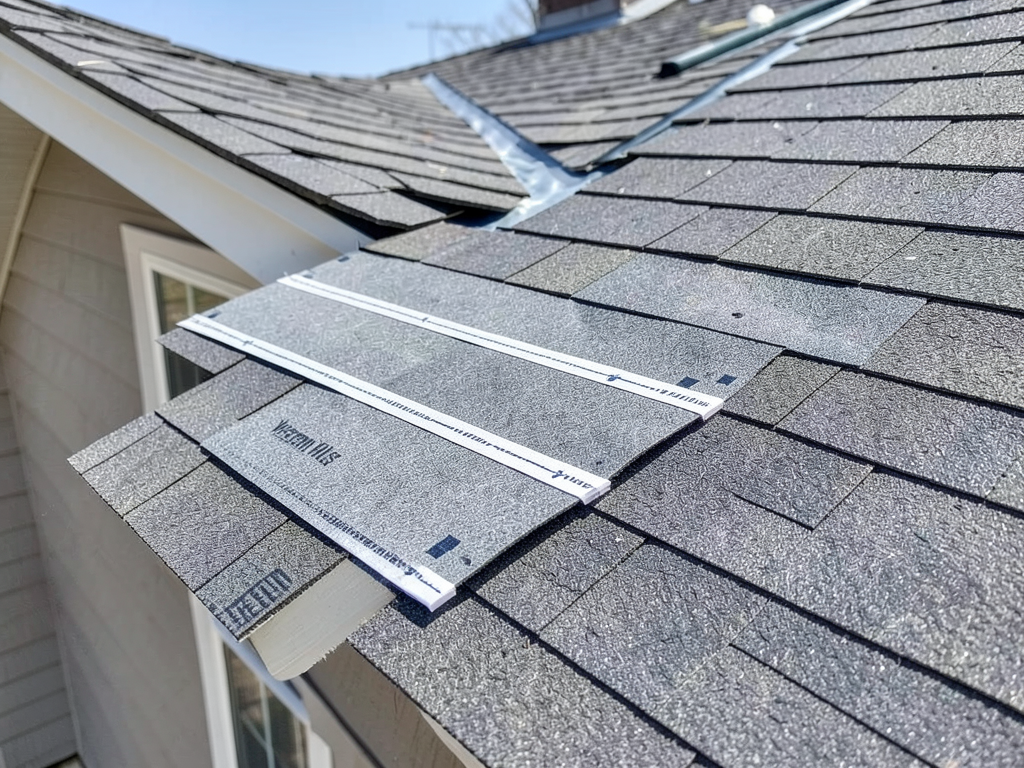
Why your Western Hills home needs high-wind starter shingles even if you aren't in a hurricane zone Your Western Hills…

Why your Western Hills home needs high-wind starter shingles even if you aren't in a hurricane zone

Why your Western Hills home needs high-wind starter shingles even if you aren't in a hurricane zone Your Western Hills…

Understanding the structural limits of your older Norwood roof before switching to heavy clay tiles

Understanding the structural limits of your older Norwood roof before switching to heavy clay tiles Norwood’s charming older homes built…

The best roofing colors for a Dutch Colonial home in the Gaslight District of Clifton

Choosing the Perfect Roof Color for Your Dutch Colonial Home in Clifton The gambrel roof of your Dutch Colonial home…

Contact Us

Your facility cannot afford unexpected roof failures that halt production. Call First Choice Roofing Cincinnati at (513) 223-5511 to schedule a comprehensive roof assessment. We will provide a detailed scope and timeline that works with your operational schedule.