Menu

Winter Roof Maintenance Tips in Cincinnati – Protect Your Home from Freeze-Thaw Cycles and Ice Dams

Get a complete cold weather roofing upkeep guide designed for Cincinnati's freeze-thaw cycles, ice dam prevention, and proper winterizing strategies that prevent costly spring damage to your roof system.

Slider Image 1
Slider Image 2
Slider Image 3
Slider Image 4
Slider Image 5
Slider Image 7
Slider Image 8
Slider Image 9
Slider Image 10
Slider Image 11

Why Cincinnati Winters Demand Proactive Roof Maintenance

Cincinnati's winter weather creates a specific threat to roof systems that many homeowners underestimate. Temperatures regularly swing above and below freezing between December and March, creating freeze-thaw cycles that force water into shingles, flashing, and underlayment. When that water freezes, it expands and opens up gaps that become leaks by spring.

Ice dams form on Cincinnati roofs when heat escapes through poor attic insulation, melting snow on the upper roof. That melt runs down to the cold eaves and refreezes, creating a dam that forces water under shingles. The result is interior water damage, ruined insulation, and wood rot you will not discover until the problem becomes expensive.

Your roof faces additional stress from the combination of snow load, wind-driven rain, and debris accumulation in valleys and gutters. Preparing your roof for winter means addressing these vulnerabilities before the first hard freeze. A winter roof care guide specific to this region focuses on clearing drainage paths, checking flashing integrity, and ensuring proper ventilation to prevent moisture buildup.

Most damage happens slowly. A small crack in flashing becomes a saturated rafter over three months of freeze-thaw action. By the time you see the ceiling stain, the structural damage is already done. Cold weather roofing upkeep is not about reacting to problems. It is about eliminating the conditions that create them in the first place. That approach saves you thousands compared to emergency repairs in February when contractors are backlogged and materials cost more.

Why Cincinnati Winters Demand Proactive Roof Maintenance
The Right Way to Winterize Your Roof System

The Right Way to Winterize Your Roof System

Effective winterizing your roof starts with a systematic inspection of the most vulnerable points. We focus on flashing around chimneys, skylights, and vent pipes because these penetrations fail first under freeze-thaw stress. The sealant becomes brittle in cold temperatures, and small gaps allow water infiltration that compounds daily.

Gutter and downspout function determines how well your roof sheds water. Clogged gutters force water to back up under the first course of shingles, creating rot at the fascia and soffit. We clear all debris from gutters, valleys, and downspouts, then check that water flows freely away from the foundation. Proper drainage prevents both ice dam formation and the standing water that accelerates shingle deterioration.

Attic ventilation and insulation work together to maintain a cold roof deck. When your attic stays close to outdoor temperature, snow does not melt unevenly and refreeze at the eaves. We verify that soffit vents, ridge vents, and gable vents are open and unobstructed. Insulation should be evenly distributed across the attic floor, not pushed against the roof deck where it blocks airflow.

Shingle condition matters more in winter because damaged shingles allow water penetration that freezes and expands overnight. We look for curling edges, missing granules, cracked tabs, and any shingle that has lifted or loosened. These get replaced before winter weather turns a small issue into a major leak. A roof maintenance checklist for winter includes documenting these conditions so you can track deterioration year over year and plan for replacement before failure occurs.

What a Complete Winter Roof Inspection Covers

Winter Roof Maintenance Tips in Cincinnati – Protect Your Home from Freeze-Thaw Cycles and Ice Dams
01

Exterior Roof Assessment

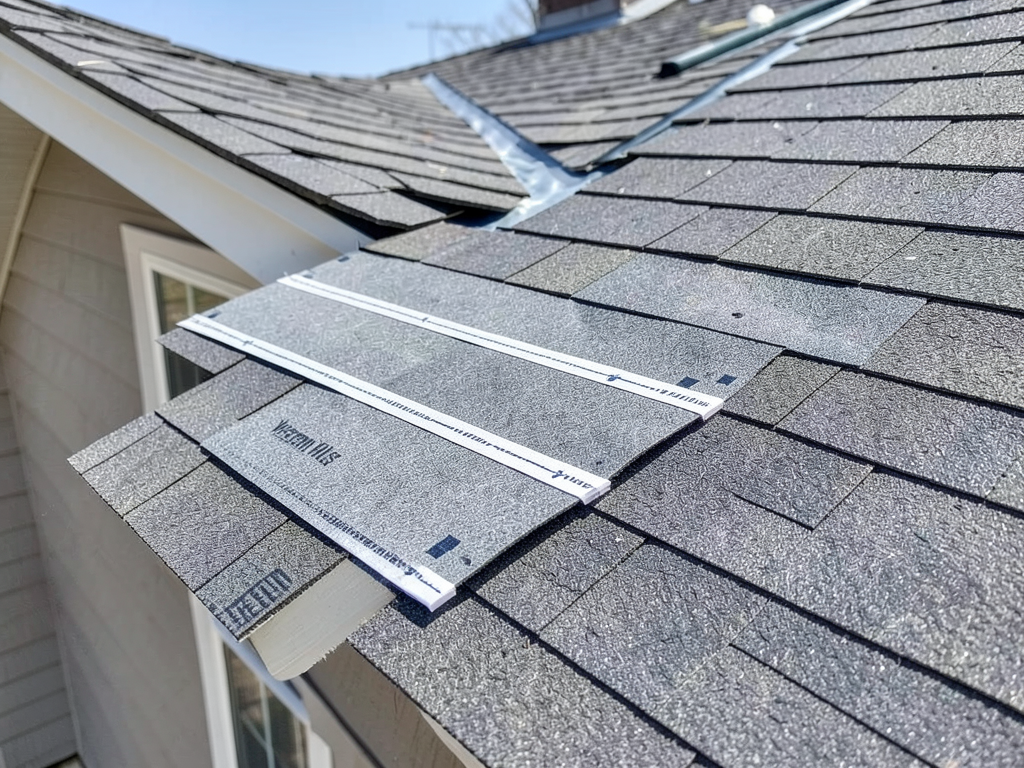
We walk the entire roof surface to examine shingle integrity, flashing condition, and sealant around all penetrations. This includes checking for loose or damaged shingles, inspecting valleys for debris accumulation, and testing the seal around vent boots and chimney flashing. We document problem areas with photos and note any immediate repair needs before cold weather makes the damage worse.
02

Drainage System Evaluation

Gutters, downspouts, and roof valleys get cleared of all leaves, twigs, and granule buildup. We check that gutters are properly pitched toward downspouts and that water flows freely through the entire system. Downspout extensions are verified to direct water at least six feet from the foundation. Any sagging gutter sections get refastened to prevent ice dam formation at low points where water pools and freezes.
03

Attic Ventilation Check

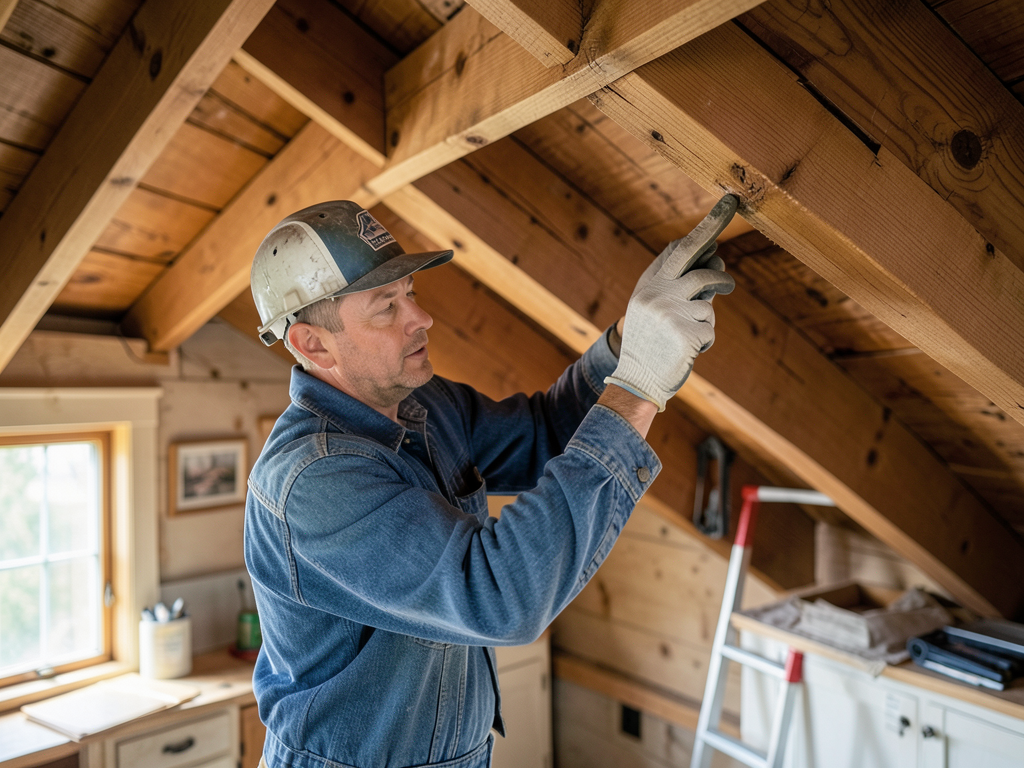
From inside the attic, we verify proper airflow from soffit vents to ridge or gable vents. We look for insulation blocking soffit vents, check that insulation is evenly distributed without gaps, and confirm there are no signs of moisture or condensation on the roof deck. Proper ventilation keeps your attic cold in winter, preventing the uneven snow melt that creates ice dams and extends your roof lifespan significantly.

Why Cincinnati Homeowners Trust Local Roof Expertise

Understanding how Cincinnati's specific weather patterns affect roof systems takes years of experience in this region. We have seen how the combination of Ohio River humidity and freeze-thaw cycles creates conditions that differ from both southern states and northern climates with consistent deep freezes. Your roof needs a maintenance approach calibrated to these exact conditions.

First Choice Roofing Cincinnati has weathered every winter pattern this area produces. We know which roof pitches are most vulnerable to ice dams, how Cincinnati's older home stock requires different flashing details than newer construction, and which shingle types hold up best under local conditions. That specific knowledge prevents the generic advice that wastes your time and money on steps that do not address real local threats.

Cincinnati building codes and local permit requirements affect roof work differently than surrounding counties. We handle the administrative details correctly the first time, ensuring any repair or modification meets current standards. That protects your home value and prevents issues when you sell or file an insurance claim.

The homes in neighborhoods like Hyde Park, Mount Adams, and Oakley feature architectural details that require specialized attention during winter preparation. Historic slate roofs, low-slope sections on additions, and custom flashing around bay windows demand experience with older construction methods. Generic maintenance checklists miss these details. Local expertise catches them.

When winter damage occurs despite preparation, you need a contractor who can respond quickly and knows local suppliers for emergency materials. We maintain relationships with Cincinnati-area distributors that get us priority access to shingles, underlayment, and flashing even during high-demand periods after major storms. That means faster repairs and less water damage to your home interior.

What to Expect from Professional Winter Roof Maintenance

Service Timeline and Scheduling

Fall is the ideal window for winter roof preparation, typically from September through early November before temperatures drop consistently below freezing. Most inspections and maintenance work take between two and four hours depending on roof size and complexity. We schedule around weather conditions because wet or icy roofs are unsafe to walk. If we identify repairs during inspection, those typically happen within one to two weeks depending on material availability and your schedule. Emergency leak repairs during winter get priority response, usually within 24 hours, though extreme weather may cause delays.

Comprehensive Inspection Process

The inspection covers every component that affects winter performance, including shingles, flashing, sealants, gutters, downspouts, soffit vents, ridge vents, and attic insulation condition. We provide a written report with photos documenting current conditions, identifying immediate repair needs, and noting items to monitor over the next year. You get clear explanations of what we found, why it matters, and what happens if you delay repairs. This documentation is valuable for insurance claims if winter storms cause damage, providing before-and-after evidence of roof condition.

Quality of Completed Work

All repairs use materials rated for Cincinnati's climate, including shingles with appropriate wind and impact ratings, ice and water shield underlayment in vulnerable areas, and sealants formulated to remain flexible in cold temperatures. Flashing repairs follow manufacturer specifications and local building code requirements. Gutter work includes proper slope adjustment and secure fastening to handle snow and ice load. You receive documentation of all work completed, including materials used and areas addressed, creating a maintenance record that helps track your roof's condition over time.

Ongoing Maintenance Support

After winter preparation, we recommend a spring follow-up inspection to check for any damage that occurred despite preventive measures. This catches small problems before they become expensive and helps you plan for future maintenance needs. We maintain records of your roof's condition, repair history, and inspection findings so each visit builds on documented knowledge of your specific system. If problems develop during winter, you have direct access to the team familiar with your roof rather than explaining your situation to a new contractor during an emergency.

Frequently Asked Questions

You Have Questions,
We Have Answers

How to prepare your roof for winter? +

Start by clearing gutters and downspouts of leaves and debris to prevent ice dams. Inspect shingles for cracks, curling, or missing pieces. Check flashing around chimneys and vents for gaps. Trim overhanging branches that could fall during ice storms common in Cincinnati. Look for signs of moisture in your attic, which signals ventilation problems. Schedule a professional inspection before temperatures drop below freezing. Cincinnati's freeze-thaw cycles stress roofing materials, so catching small issues now prevents expensive winter repairs later.

What can I sprinkle on my roof to prevent moss? +

Zinc sulfate powder or granules work well to prevent moss growth. Sprinkle the product along the roof ridge after cleaning existing moss. When rain washes the zinc down the slope, it creates an inhospitable surface for moss spores. You can also install zinc strips near the ridge line for ongoing prevention. Apply treatments in early fall or late winter when temperatures stay above 50 degrees. Cincinnati's humidity encourages moss, especially on north-facing slopes with less sun exposure, so prevention matters.

Can I apply roof Maxx myself? +

Roof Maxx application requires professional equipment and expertise. The product needs specific spray pressure and coverage patterns to penetrate shingles properly. Professionals have the tools to ensure even distribution and safety equipment for roof access. DIY application risks uneven coverage, wasted product, and personal injury from falls. The manufacturer typically requires professional installation to validate any product claims. For Cincinnati homeowners, hiring a trained applicator ensures the treatment works correctly and you stay safe. The cost difference is minimal compared to the risk.

Should I put an ice and water shield on my entire roof? +

Ice and water shield belongs in vulnerable areas, not the entire roof. Install it along eaves, valleys, around chimneys, and near skylights where water accumulates. Full-roof coverage is unnecessary and expensive. Cincinnati's winter weather demands protection in leak-prone spots, especially where ice dams form at the roof edge. The membrane provides a waterproof barrier when shingles fail. Most building codes require coverage on the first three to six feet of roof edge. Focus your budget on these high-risk zones rather than blanket coverage.

Should I insulate the underside of my roof? +

Insulating between attic floor joists is more effective than insulating the roof deck underside. Proper attic insulation prevents heat loss, reduces ice dam formation, and lowers energy bills during Cincinnati winters. The attic should stay cold while your living space stays warm. If you have a cathedral ceiling or use attic space, insulating the roof deck makes sense. Otherwise, focus on R-38 to R-49 insulation at the attic floor. Combine insulation with proper ventilation to prevent moisture buildup that damages roof decking.

Why are people putting blue tarps on their roof? +

Blue tarps signal emergency roof repairs after storm damage. Homeowners use them to stop active leaks while waiting for insurance claims or contractor availability. Cincinnati's winter storms can damage roofs quickly, and tarps provide temporary protection. They prevent further water damage to interior spaces and belongings. However, tarps are short-term fixes. Wind and rain degrade them within weeks. If you see tarps on roofs in your Cincinnati neighborhood, those homeowners need permanent repairs. Never rely on tarps beyond a few weeks.

What is the white powder people put on their roofs? +

The white powder is zinc sulfate or zinc oxide, used to kill moss and algae. Homeowners apply it to prevent dark streaks and moss growth on shingles. Zinc creates a hostile environment for organic growth when rain washes it down the roof surface. Some roofers use it after cleaning to extend results. Cincinnati's humidity creates ideal moss conditions, especially on shaded roofs. The powder works, but proper application matters. Too much can wash away quickly. Too little provides inadequate protection. Professional treatment ensures correct coverage.

Do zinc strips really work on roofs? +

Zinc strips prevent moss and algae when installed correctly. Nail them near the ridge, and rain releases small amounts of zinc that wash down shingles. The metal creates a surface where moss struggles to grow. Effectiveness depends on roof pitch, rainfall, and shade coverage. Cincinnati roofs with heavy tree cover may still develop moss despite zinc strips. Strips work best as prevention, not treatment for existing growth. Clean the roof first, then install strips for ongoing protection. Expect replacement every 10 to 15 years as zinc depletes.

What time of year should you remove moss from your roof? +

Remove moss in late spring or early fall when temperatures are mild and dry. Avoid winter removal because frozen moss is brittle and harder to clean without damaging shingles. Summer heat can make roofs dangerously hot to walk on. In Cincinnati, target April through May or September through October. Dry conditions help prevent slipping during cleaning. After removal, treat the roof with zinc sulfate to prevent regrowth. Schedule cleaning before winter to eliminate moisture-trapping moss that worsens freeze-thaw damage to shingles.

Does roof Maxx affect home insurance? +

Roof Maxx typically does not affect home insurance coverage negatively. The treatment extends shingle life without replacing the roof system. However, insurance companies evaluate roof condition and age when setting premiums or coverage terms. A rejuvenated roof may appear better during inspections. Always inform your insurance agent about roof treatments or repairs. Some carriers require documentation of roof maintenance. Roof Maxx does not replace a failing roof, so if your shingles are at end-of-life, treatment will not prevent insurance issues related to age.

How Cincinnati's Freeze-Thaw Cycles Accelerate Roof Deterioration

Cincinnati experiences an average of 50 to 60 freeze-thaw cycles each winter, where temperatures cross the freezing point multiple times per week between December and March. This cycle is harder on roofs than consistent cold because water infiltrates small cracks during the day when temperatures reach the 40s, then expands by nine percent when it freezes overnight. That expansion forces cracks wider, allowing more water in during the next thaw. A small flashing gap in November becomes a significant leak path by February through this repeated stress. The Ohio River valley's humidity means more moisture is available to drive this cycle compared to drier climates with similar temperature ranges.

Local roofing expertise matters because Cincinnati's building stock includes homes from every era since the 1800s, each with different construction methods and materials. A contractor experienced with local homes recognizes how brick chimneys common in pre-1950 construction require different flashing approaches than modern metal chimneys, or how the low-slope additions popular in 1970s ranches are particularly vulnerable to ice dams. We understand local code requirements and work with Hamilton County inspectors regularly, ensuring any repair work meets current standards even on older homes. That local knowledge prevents the trial-and-error approach that costs you money when repairs fail.
Roofing Services in The Cincinnati Area

We are proud to serve the entire Cincinnati metro area and surrounding communities, bringing our top-tier roofing expertise right to your neighborhood. Use the map below to visualize our primary service region and get directions to our main office for material samples or in-person consultations. Whether you are downtown or on the outskirts, First Choice Roofing is committed to being your most convenient and reliable local roofing partner. Contact us to confirm service availability at your specific address.

Address:
First Choice Roofing Cincinnati, 2337 Victory Pkwy, Cincinnati, OH, 45206

Additional Services We Offer

Our news updates

Latest Articles & News from The Blogs

Why Your Roof Might Be the Reason Your Second Floor is Always Too Hot Is your second floor a sauna…

Why Your Roof Might Be the Reason Your Second Floor is Always Too Hot

Why Your Roof Might Be the Reason Your Second Floor is Always Too Hot Is your second floor a sauna…

The Hidden Danger of Leaving Old Satellite Dishes Bolted to Your Roof

The Hidden Danger of Leaving Old Satellite Dishes Bolted to Your Roof Old satellite dishes bolted to Cincinnati roofs create…

Common Signs Your Roof Decking is Getting Soft in Finneytown

Common Signs Your Roof Decking is Getting Soft in Finneytown Your roof decking forms the backbone of your entire roofing…

Contact Us

Protect your Cincinnati home from winter damage with a thorough roof inspection and maintenance service. Call First Choice Roofing Cincinnati at (513) 223-5511 to schedule your fall roof preparation before cold weather creates problems you will pay to fix all winter.