
The Pros and Cons of Adding Skylights During a Cincinnati Roof Replacement
Adding skylights during your Cincinnati roof replacement offers significant advantages in cost savings, warranty protection, and weatherproofing. When your roof is already torn off, installing skylights becomes more affordable since labor overlaps with the roofing project. You’ll also benefit from integrated flashing systems that prevent the leaks common with retrofit installations. However, the decision requires careful consideration of Cincinnati’s humid continental climate, snow load requirements, and building code compliance. Cincinnati Building Department permit information.
Why Bundle Skylight Installation with a Roof Replacement?
The primary advantage of simultaneous installation is cost efficiency. When your roofing crew is already on-site with materials and equipment, adding skylights typically costs 30-40% less than a standalone installation. The labor overlap means fewer trips, less setup time, and coordinated material delivery. More importantly, installing skylights during a roof replacement allows for integrated waterproofing systems that prevent the most common failure point: water infiltration around the skylight frame. Is Metal Roofing Worth the Investment for Your Anderson Township Home?.
Another critical benefit is warranty protection. When skylights are installed with a new roof, manufacturers can provide unified warranties covering both products. This eliminates the risk of post-installation damage to shingles when cutting openings for skylights months or years after the roof is completed. Cincinnati’s building codes also require specific ice and water shield installation around skylight perimeters, which is most effectively done during initial roof construction. How to Get Your Cincinnati Roof Replaced After a Major Hail Storm.
The timing advantage extends to Cincinnati’s weather patterns. Our region experiences heavy spring rainfall and severe thunderstorms that can expose any waterproofing weaknesses. Installing skylights during roof replacement means all weatherproofing layers are installed simultaneously, creating a monolithic barrier against water intrusion.
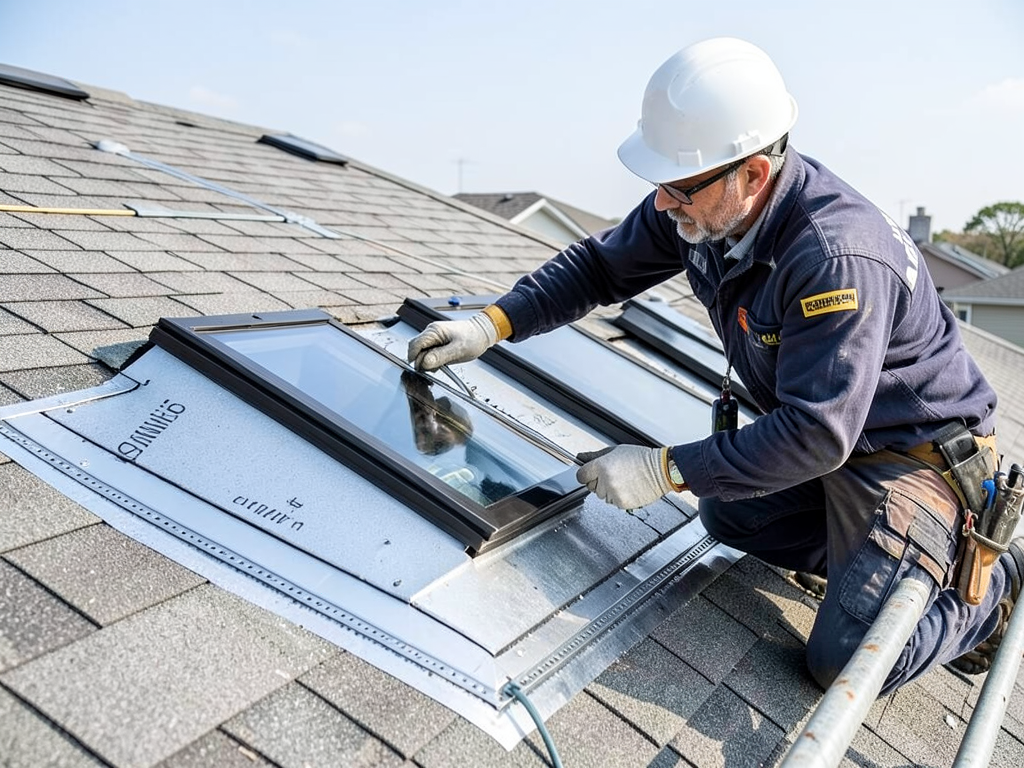
Technical Integration Benefits: During a roof replacement, contractors can install continuous underlayment and ice and water shield that extends several feet up the roof slope from the skylight. This creates a water-shedding system that directs moisture away from the skylight frame. The step flashing integration with new shingles ensures proper overlap patterns that have been tested for Ohio’s wind uplift requirements.
Best Skylight Types for Cincinnati Homes
Choosing the right skylight type for Cincinnati’s climate involves balancing energy efficiency, ventilation needs, and structural requirements. Fixed skylights offer the best energy performance with double or triple-pane glass filled with argon gas. These units provide excellent U-factor ratings for winter heat retention while blocking summer heat gain through low-E coatings. Energy Star skylight efficiency guidelines.
Venting skylights become valuable in Cincinnati’s humid summers when attic temperatures can exceed 130 degrees Fahrenheit. Manual venting units allow hot air escape, while solar-powered models offer remote operation without electrical wiring. However, venting skylights require more complex flashing and have more potential failure points than fixed units.
Solar-powered skylights have gained popularity in Cincinnati due to federal tax credit eligibility and their ability to operate during power outages. These units include rain sensors that automatically close during storms and can integrate with home automation systems for scheduled ventilation.
Curb-mounted skylights work best for Cincinnati’s older homes with slate or tile roofs, while deck-mounted units integrate more seamlessly with asphalt shingles common in suburban neighborhoods like Blue Ash and Mason. The mounting choice affects both installation cost and long-term maintenance requirements.
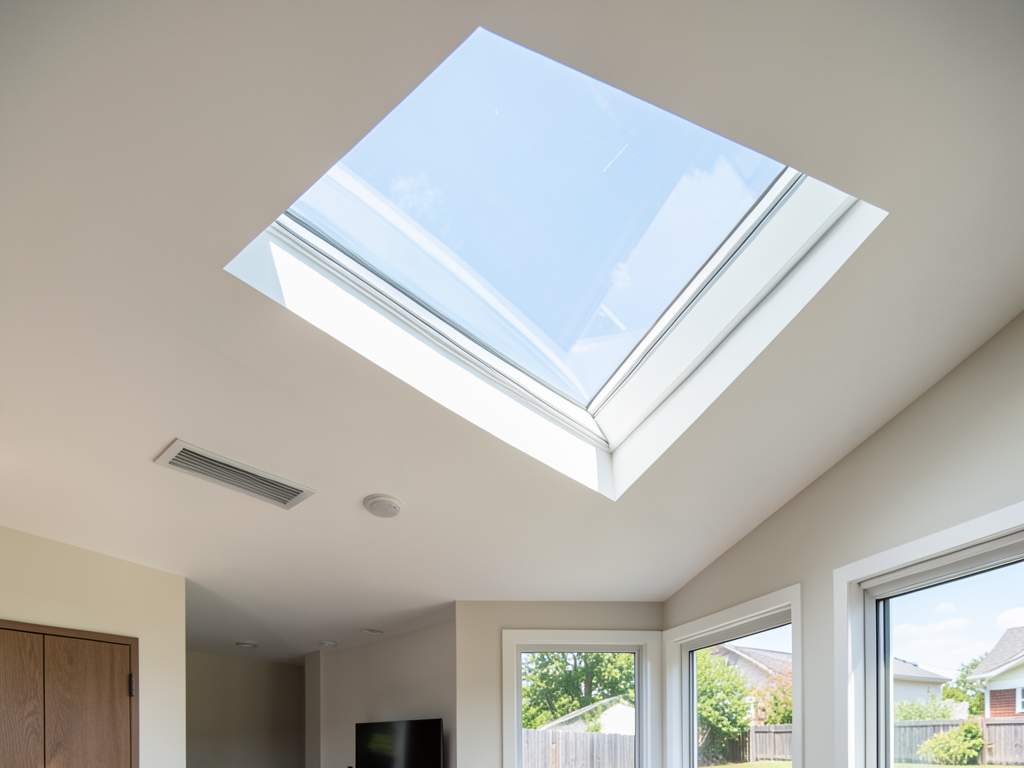
Energy Efficiency Considerations: Cincinnati falls in Energy Star climate zone 4, requiring skylights with specific solar heat gain coefficients (SHGC) and U-factors. Look for units with SHGC between 0.30-0.35 and U-factors below 0.30 for optimal performance. These ratings ensure the skylight contributes to rather than detracts from your home’s energy efficiency during Ohio’s extreme seasonal temperature variations.
Technical Process: Integrated Flashing and Waterproofing
The flashing integration process begins with ice and water shield installation extending at least 24 inches upslope from the skylight opening. This self-adhering membrane provides the primary waterproof barrier that remains flexible in Cincinnati’s freeze-thaw cycles. Next, contractors install step flashing on both sides of the skylight, with each piece overlapping the previous one by at least 4 inches. Flexible Financing Options for Your New Cincinnati Roof Installation.
The head flashing installation proves critical for preventing water infiltration. This L-shaped metal piece extends up the roof slope and under the shingles above the skylight. Proper head flashing installation requires cutting shingles to create a water-shedding channel that directs moisture over rather than under the skylight frame.
Counter flashing secures the vertical legs of step flashing to the skylight frame, creating a mechanical connection that prevents wind uplift. This detail becomes especially important in Cincinnati’s Ohio Valley location, where wind events can exceed 60 mph during spring storms.
The sill flashing installation completes the waterproofing system. This component directs water away from the skylight’s lowest point, preventing the pooling that leads to leaks. Contractors must ensure the sill flashing extends beyond the skylight frame to create an effective water-shedding profile.. Read more about How to Tell if Your Roof Leaks are Caused by Damaged Flashing.
Quality Control Testing: After installation, technicians perform a water test by running a hose on the roof above the skylight for 30-45 minutes. This diagnostic test reveals any flashing gaps or installation errors before the final roofing materials are installed. The test must show no water infiltration into the skylight well or around the frame.
Cincinnati Weather Considerations
Cincinnati’s climate presents unique challenges for skylight installations. Our humid continental climate means high summer humidity levels often exceeding 85%, creating condensation concerns inside skylight wells. Proper insulation of skylight shafts becomes critical to prevent moisture damage to drywall and framing members.
Winter weather poses different challenges. Cincinnati receives an average of 22 inches of snow annually, with occasional heavy storms dropping 6-8 inches in 24 hours. The snow load on skylight glass must meet minimum requirements of 30 pounds per square foot, with tempered or laminated glass providing the necessary strength.
Ice dam formation represents a significant risk for Cincinnati skylights. When snow melts on warm roof sections and refreezes at the eaves, it creates ice dams that can force water under flashing. Proper attic ventilation and ice and water shield installation extending to the skylight perimeter help prevent this damage pattern.
Spring thunderstorms bring another set of concerns. Cincinnati experiences an average of 42 thunderstorm days annually, with many producing wind-driven rain. Skylight installations must withstand wind uplift forces of at least 60 mph, with additional anchoring required for homes in exposed locations or on hilltops.
Condensation Management: Cincinnati’s high humidity makes skylight condensation a year-round concern. Installing insulated light shafts with proper vapor barriers prevents moisture accumulation. Some homeowners add small dehumidifiers or silica gel containers in skylight wells during peak humidity months.
Estimated Costs and ROI
Adding skylights during a roof replacement typically costs between $1,200 and $3,500 per unit, depending on size, type, and installation complexity. This represents a 30-40% savings compared to retrofitting skylights after roof installation. The cost includes the skylight unit, flashing kit, modified underlayment, and labor integration with the roofing project.
Standard fixed skylights in the 2×4 foot range cost $1,200-$1,800 installed. Venting models add $300-$500 to the base price. Solar-powered units with remote controls cost $2,000-$3,500 but qualify for the federal solar tax credit, which can offset 30% of the installation cost.
The return on investment varies by skylight type and home characteristics. Energy-efficient fixed skylights typically provide 65-75% return on investment through increased home value and energy savings. Venting skylights may offer lower ROI but provide significant comfort benefits in Cincinnati’s humid climate.
Home resale value impact depends on neighborhood and home style. In established areas like Hyde Park and Oakley, skylights can increase home values by 3-5% due to the premium on natural light in older homes. In newer suburban developments, the impact may be less pronounced but still contributes to overall marketability.
Long-term Cost Considerations: Quality skylights installed during roof replacement typically last 20-25 years with minimal maintenance. However, the skylight well insulation and flashing systems may require inspection every 5-7 years to ensure continued performance. Budget $200-$400 every few years for professional inspection and maintenance.
Frequently Asked Questions
Will adding skylights void my roof warranty?
Installing skylights during roof replacement actually helps preserve your roof warranty. Most manufacturers require professional installation of any roof penetrations to maintain warranty coverage. When skylights are installed simultaneously with the roof, the contractor can ensure all flashing and underlayment details meet manufacturer specifications. This integrated approach prevents the post-installation damage that often voids warranties.
Do I need a permit to add skylights in Cincinnati?
Yes, Cincinnati building codes require permits for skylight installations that modify the roof structure. The permit process ensures compliance with snow load requirements, energy efficiency standards, and proper flashing installation. Most licensed roofing contractors handle permit acquisition as part of the project. The process typically takes 3-5 business days and costs $150-$300 depending on project scope.
How do skylights affect my home’s energy efficiency?
Modern skylights can improve or harm energy efficiency depending on selection and installation. Energy Star certified units with low-E coatings and argon gas fills can reduce heat loss by 30-40% compared to older models. However, improper installation or poor unit selection can increase energy costs through air leakage and heat gain. Cincinnati’s climate requires specific SHGC and U-factor ratings for optimal performance.
Can skylights be added to any roof type?
Most roof types accommodate skylights, but installation complexity varies. Asphalt shingle roofs offer the easiest installation with standard flashing kits. Slate and tile roofs require specialized mounting systems and experienced installers, increasing costs by 40-60%. Flat commercial roofs need curb-mounted units with additional waterproofing details. The roof pitch also affects skylight selection, with steeper pitches requiring different flashing patterns than low-slope roofs.
What maintenance do skylights require?
Quality skylights need minimal maintenance beyond periodic cleaning. The exterior glass should be cleaned annually to maintain light transmission. Interior surfaces may need cleaning every 2-3 years. The flashing and sealant should be inspected every 5 years for signs of deterioration. In Cincinnati’s climate, check for ice dam formation and condensation issues seasonally. Most manufacturers recommend professional inspection every 3-5 years to ensure continued performance. Signs You Need a New Roof.
Call (513) 223-5511 today to schedule your inspection and learn how adding skylights during your roof replacement can enhance your home’s comfort and value.
You may also find this helpful. Choosing the Right Roof for Your New Covered Porch or Patio in Mariemont.
{
“@context”: “https://schema.org”,
“@type”: “BlogPosting”,
“headline”: “The Pros and Cons of Adding Skylights During a Cincinnati Roof Replacement”,
“description”: “Discover the benefits, costs, and Cincinnati-specific considerations for adding skylights during your roof replacement. Learn about energy efficiency, building codes, and ROI.”,
“wordCount”: 1705,
“datePublished”: “2026-03-15T11:25:00.000Z”,
“dateModified”: “2026-03-15T11:25:00.000Z”,
“inLanguage”: “en-US”,
“mainEntityOfPage”: {
“@type”: “WebPage”,
“@id”: “https://firstchoiceroofingcincinnati.com”
},
“publisher”: {
“@type”: “LocalBusiness”,
“name”: “First Choice Roofing Cincinnati”,
“url”: “https://firstchoiceroofingcincinnati.com”
},
“author”: {
“@type”: “Organization”,
“name”: “First Choice Roofing Cincinnati”,
“url”: “https://firstchoiceroofingcincinnati.com”
},
“image”: {
“@type”: “ImageObject”,
“url”: “https://firstchoiceroofingcincinnati.com/wp-content/uploads/2026/03/the-pros-and-cons-of-adding-skylights-during-a-cin-1.png”
}
}
{
“@context”: “https://schema.org”,
“@type”: “RoofingContractor”,
“name”: “First Choice Roofing Cincinnati”,
“url”: “https://firstchoiceroofingcincinnati.com”,
“address”: {
“@type”: “PostalAddress”,
“addressLocality”: “Cincinnati”
},
“areaServed”: {
“@type”: “City”,
“name”: “Cincinnati”
}
}
{
“@context”: “https://schema.org”,
“@type”: “FAQPage”,
“mainEntity”: [
{
“@type”: “Question”,
“name”: “Why Bundle Skylight Installation with a Roof Replacement?”,
“acceptedAnswer”: {
“@type”: “Answer”,
“text”: “The primary advantage of simultaneous installation is cost efficiency. When your roofing crew is already on-site with materials and equipment, adding skylights typically costs 30-40% less than a standalone installation. The labor overlap means fewer trips, less setup time, and coordinated material delivery. More importantly, installing skylights during a roof replacement allows for integrated waterproofing systems that prevent the most common failure point: water infiltration around the skylight frame. Is Metal Roofing Worth the Investment for Your Anderson Township Home?.”
}
},
{
“@type”: “Question”,
“name”: “Will adding skylights void my roof warranty?”,
“acceptedAnswer”: {
“@type”: “Answer”,
“text”: “Installing skylights during roof replacement actually helps preserve your roof warranty. Most manufacturers require professional installation of any roof penetrations to maintain warranty coverage. When skylights are installed simultaneously with the roof, the contractor can ensure all flashing and underlayment details meet manufacturer specifications. This integrated approach prevents the post-installation damage that often voids warranties.”
}
},
{
“@type”: “Question”,
“name”: “Do I need a permit to add skylights in Cincinnati?”,
“acceptedAnswer”: {
“@type”: “Answer”,
“text”: “Yes, Cincinnati building codes require permits for skylight installations that modify the roof structure. The permit process ensures compliance with snow load requirements, energy efficiency standards, and proper flashing installation. Most licensed roofing contractors handle permit acquisition as part of the project. The process typically takes 3-5 business days and costs $150-$300 depending on project scope.”
}
},
{
“@type”: “Question”,
“name”: “How do skylights affect my home’s energy efficiency?”,
“acceptedAnswer”: {
“@type”: “Answer”,
“text”: “Modern skylights can improve or harm energy efficiency depending on selection and installation. Energy Star certified units with low-E coatings and argon gas fills can reduce heat loss by 30-40% compared to older models. However, improper installation or poor unit selection can increase energy costs through air leakage and heat gain. Cincinnati’s climate requires specific SHGC and U-factor ratings for optimal performance.”
}
},
{
“@type”: “Question”,
“name”: “Can skylights be added to any roof type?”,
“acceptedAnswer”: {
“@type”: “Answer”,
“text”: “Most roof types accommodate skylights, but installation complexity varies. Asphalt shingle roofs offer the easiest installation with standard flashing kits. Slate and tile roofs require specialized mounting systems and experienced installers, increasing costs by 40-60%. Flat commercial roofs need curb-mounted units with additional waterproofing details. The roof pitch also affects skylight selection, with steeper pitches requiring different flashing patterns than low-slope roofs.”
}
},
{
“@type”: “Question”,
“name”: “What maintenance do skylights require?”,
“acceptedAnswer”: {
“@type”: “Answer”,
“text”: “Quality skylights need minimal maintenance beyond periodic cleaning. The exterior glass should be cleaned annually to maintain light transmission. Interior surfaces may need cleaning every 2-3 years. The flashing and sealant should be inspected every 5 years for signs of deterioration. In Cincinnati’s climate, check for ice dam formation and condensation issues seasonally. Most manufacturers recommend professional inspection every 3-5 years to ensure continued performance. Signs You Need a New Roof.”
}
}
]
}
{
“@context”: “https://schema.org”,
“@type”: “BreadcrumbList”,
“itemListElement”: [
{
“@type”: “ListItem”,
“position”: 1,
“name”: “Home”,
“item”: “https://firstchoiceroofingcincinnati.com”
},
{
“@type”: “ListItem”,
“position”: 2,
“name”: “Blog”,
“item”: “https://firstchoiceroofingcincinnati.com/blog”
},
{
“@type”: “ListItem”,
“position”: 3,
“name”: “The Pros and Cons of Adding Skylights During a Cincinnati Roof Replacement”
}
]
}
{
“@context”: “https://schema.org”,
“@type”: “Service”,
“serviceType”: “Roofing”,
“provider”: {
“@type”: “LocalBusiness”,
“name”: “First Choice Roofing Cincinnati”,
“url”: “https://firstchoiceroofingcincinnati.com”
},
“areaServed”: {
“@type”: “City”,
“name”: “Cincinnati”
},
“description”: “Discover the benefits, costs, and Cincinnati-specific considerations for adding skylights during your roof replacement. Learn about energy efficiency, building codes, and ROI.”
}