
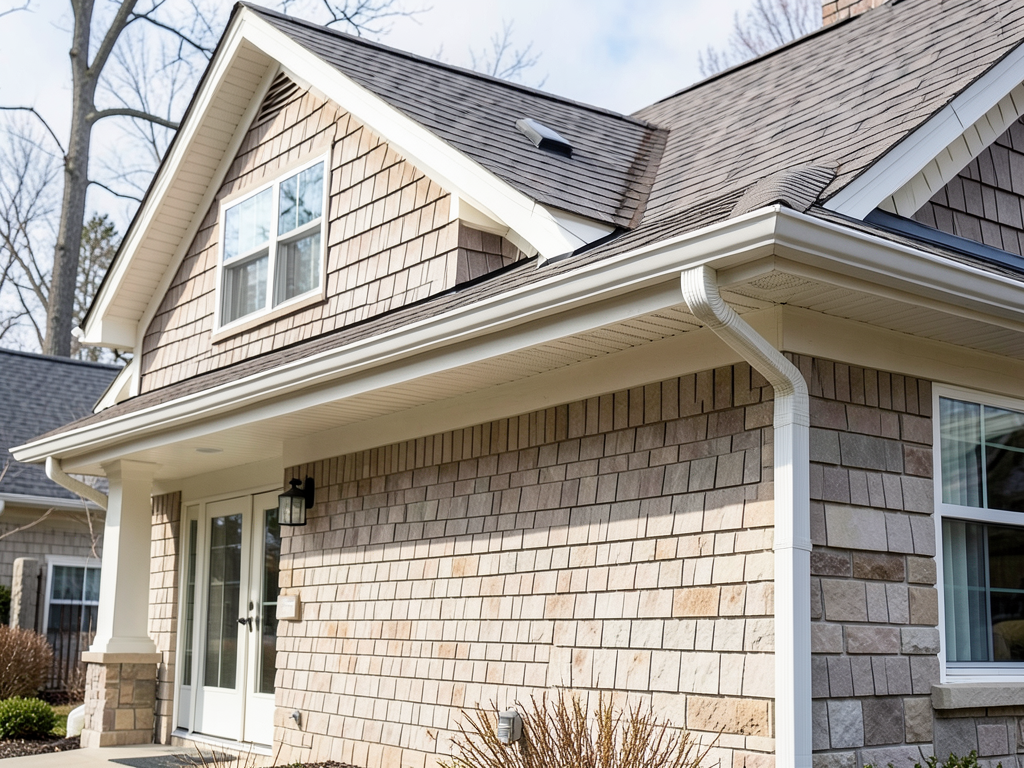
Why You Should Replace Your Gutters and Roof at the Same Time in Cincinnati
Ohio’s freeze-thaw cycles and heavy spring storms put immense stress on your home’s exterior. When your roof reaches the end of its lifespan, your gutters are often right behind it. Replacing both systems together in Cincinnati prevents future water damage, ensures proper drainage, and can save you hundreds in labor costs. Ohio Residential Code Section R905.1.2.
Most Cincinnati homes face similar challenges. Aging asphalt shingles curl in summer humidity. Clogged gutters overflow during thunderstorms. Ice dams form along roof edges in winter. These problems do not exist in isolation. A failing roof sends water where it should not go. Compromised gutters cannot direct it away properly. Together they create a perfect storm for foundation damage, basement flooding, and costly repairs. Asphalt Roofing Manufacturers Association.
The math is simple. Labor represents 60% of most exterior replacement projects. By scheduling both replacements simultaneously, you pay for one setup, one tear-off, and one cleanup instead of two separate projects. You ensure your new roof’s edge flashing integrates perfectly with your gutter system. This proves nearly impossible to retrofit later.
The Hidden Costs of Separate Replacements
Many Cincinnati homeowners do not realize what they miss when they replace their roof now and plan to tackle gutters later. During a roof replacement, contractors have full access to your fascia boards. This wooden trim behind your gutters proves the perfect time to inspect for rot, replace damaged sections, and ensure your gutter mounting system has solid backing. How to Get Your Cincinnati Roof Replaced After a Major Hail Storm.
Ice and Water Shield installation presents another missed opportunity. Ohio Residential Code requires ice barrier protection extending at least 24 inches past the exterior wall line (ORC Section R905.1.2). This self-adhering underlayment creates a waterproof barrier in your roof’s most vulnerable areas. When gutters replace separately months later, contractors cannot properly integrate this protection with your gutter apron flashing.
Consider the disruption factor. Two separate projects mean two rounds of dumpster placement, two periods of noise, and two times your family adjusts to workers on your property. Cincinnati’s unpredictable weather makes scheduling even more challenging. Delays on one project can cascade into the next.
Perfect Timing: When Both Systems Need Attention
Age serves as the most obvious indicator. Most asphalt shingle roofs in Cincinnati last 20-25 years. Aluminum gutters typically need replacement every 20 years. If your home was built in the early 2000s, you likely stand at the crossroads where both systems show wear.
Visual inspection reveals critical signs. Look for curling or missing shingles, especially on south-facing slopes where UV exposure proves highest. Check your gutters for sagging sections, separated joints, or peeling paint that indicates water infiltration. Cincinnati’s humidity accelerates deterioration. Wood fascia behind failing gutters often shows early rot that proves not visible from the ground.
Storm damage creates urgency. Cincinnati averages 42 inches of rain annually. Concentrated spring storms can dump several inches in hours. After major weather events, inspect both systems. Hail damage to shingles often goes unnoticed until leaks appear. The same storm can dent gutters or knock them out of alignment.
Material Compatibility: Making the Right Choices Together
Your roof and gutter choices should complement each other functionally and aesthetically. For Cincinnati’s climate, architectural-grade asphalt shingles with algae-resistant granules perform well against our humid summers. These typically come with 30-50 year warranties and resist the black streaking common in Ohio’s moisture-rich environment.
Gutter sizing matters more than most homeowners realize. Cincinnati’s average annual rainfall requires proper drainage capacity. Standard 5-inch gutters suffice for many homes. Larger 6-inch systems handle heavier flows better. This proves particularly important for homes with large roof areas or steep pitches that accelerate water runoff.
Material selection impacts longevity. While vinyl gutters prove inexpensive, they become brittle in Cincinnati’s freeze-thaw cycles. Heavy-gauge aluminum resists corrosion and handles temperature swings better. For ultimate durability, consider copper gutters that develop a protective patina and can last 50+ years. This comes at a premium price point.
Color coordination creates a cohesive exterior. Your gutter color should either match your roof’s trim color or complement your siding. Many Cincinnati homeowners choose gutters that blend with their fascia boards. This creates a seamless look that does not draw attention to the drainage system.
The Installation Process: What to Expect
Combined replacement projects follow a logical sequence that minimizes home disruption. First your contractor assesses both systems. They measure roof dimensions, check structural integrity, and evaluate existing gutter performance. This inspection often reveals hidden issues like inadequate attic ventilation or damaged decking that would have gone unnoticed with separate projects.
Day one typically involves tear-off. Crews strip old shingles and underlayment, exposing your roof deck for inspection. This is when contractors discover soft spots, water damage, or inadequate sheathing that needs replacement. Meanwhile, gutter removal exposes fascia condition. This allows for repairs before new gutters install. Reliable Flat Roof Repair Services for Over-the-Rhine Business Owners.
Roof installation follows a specific pattern. Underlayment goes down first, then drip edge flashing along eaves. Ice and Water Shield installs in critical areas, followed by the main roofing material. Each step builds protection layers that work together. This proves something separate contractors cannot coordinate as effectively. Is Metal Roofing Worth the Investment for Your Anderson Township Home?.
Gutter installation happens after roofing but before final cleanup. New gutters mount to freshly repaired fascia, with proper slope calculated for optimal drainage. Downspouts position to direct water away from your foundation. This often incorporates underground extensions that proved not possible with old systems. Roof Repair Services.
Final inspection ensures everything functions correctly. Your contractor checks roof ventilation, verifies gutter slope, and confirms all flashings integrate properly. This comprehensive approach catches issues that might have slipped through separate projects.
Cost Considerations and ROI
Combined projects typically cost 15-20% less than separate replacements due to shared labor and setup costs. For a typical Cincinnati home, this translates to $1,500-$3,000 in savings. These figures assume both systems genuinely need replacement. If your gutters prove newer, separate replacement might make more sense.
Financing becomes more manageable when bundling services. Many contractors offer package pricing or extended payment plans for comprehensive exterior projects. Some Cincinnati homeowners use home equity loans or specialized home improvement financing to spread costs over several years. Flexible Financing Options for Your New Cincinnati Roof Installation.
The return on investment extends beyond immediate savings. New roofing and gutters can increase your home’s value by 60-70% of the project cost. This comes from national remodeling data. In Cincinnati’s competitive housing market, updated exteriors signal well-maintained properties to potential buyers.
Insurance considerations matter too. Some carriers offer premium discounts for impact-resistant roofing materials or updated drainage systems that reduce claim risk. After major storms, having documentation of both systems’ age and condition can streamline claims processes.
Common Mistakes to Avoid
Choosing the lowest bid often backfires. Quality materials and proper installation matter more than initial price, especially in Cincinnati’s challenging climate. Verify your contractor’s Ohio contractor license, insurance coverage, and local references before signing any agreements.
Ignoring ventilation requirements creates long-term problems. Ohio’s humid summers and cold winters demand proper attic ventilation to prevent moisture buildup and ice dam formation. Your roof replacement proves the perfect time to upgrade vents or add ridge ventilation if needed.
Overlooking downspout placement can doom even the best gutter system. Downspouts should direct water at least 5-10 feet from your foundation. In Cincinnati’s clay-heavy soils, poor drainage causes foundation settling that can crack walls and create structural issues.
Failing to address underlying damage wastes money. If your roof deck shows water damage or your fascia has rot, new materials installed over these problems will fail prematurely. A thorough inspection before replacement prevents costly callbacks.
Local Considerations for Cincinnati Homes
Cincinnati’s unique geography creates specific challenges. The Ohio River Valley’s humidity levels average 70-75%. This proves higher than many other Midwestern cities. This moisture accelerates algae growth on north-facing roof slopes and promotes wood rot in poorly ventilated attics.
Freeze-thaw cycles particularly affect homes in Cincinnati’s northern suburbs like Blue Ash and Mason. When daytime temperatures rise above freezing but nighttime temperatures plummet, water trapped in roof crevices expands. This creates cracks that worsen each winter.
Historic districts require special consideration. Homes in neighborhoods like Hyde Park or Clifton often have architectural features that complicate installations. Dormers, multiple roof planes, and decorative trim require experienced contractors familiar with Cincinnati’s housing stock.
Local building codes specify requirements that out-of-area contractors might overlook. Hamilton County requires permits for roof replacements. Cincinnati has specific rules about dumpster placement on city streets. Working with a local contractor ensures compliance and avoids costly fines.
Making Your Decision
The decision to replace both systems simultaneously comes down to timing and condition assessment. If your roof proves 20+ years old and your gutters show signs of failure, bundling makes financial and practical sense. If one system proves relatively new, separate replacement might prove more cost-effective.
Schedule inspections during dry periods, typically late spring or early fall in Cincinnati. This timing allows you to address any issues before winter weather arrives. Get detailed written estimates that break down costs for both systems, including any necessary repairs to decking or fascia.
Ask about warranty synchronization. Some manufacturers offer system warranties that cover both roof and gutter components when installed together by certified contractors. These can provide additional peace of mind and protection for your investment.
Consider your long-term plans. If you will stay in your home for 5+ years, the convenience and cost savings of combined replacement often justify the upfront investment. If you plan to sell within a year, updated roofing and gutters can significantly improve your home’s marketability.
Ready to Protect Your Cincinnati Home?
Do not wait for the next storm to reveal your home’s vulnerabilities. Cincinnati’s weather waits for no one, and water damage only gets more expensive over time. A combined roof and gutter replacement addresses your home’s exterior as an integrated system. This proves exactly how it functions in protecting your family and possessions.
Call (513) 223-5511 today to schedule your free inspection. Our local experts will assess both your roof and gutter systems, explain your options clearly, and provide a detailed estimate with no pressure. We serve all of Greater Cincinnati, including Springdale, Blue Ash, and surrounding communities. Let’s keep your home dry and protected for years to come.
Frequently Asked Questions
How long does a combined roof and gutter replacement take?
Most Cincinnati homes complete both replacements in 2-3 days. Weather can affect timing, but experienced contractors plan for typical Ohio conditions and work efficiently to minimize disruption.
Can I replace just part of my roof or gutters?
While spot repairs prove possible, they often create maintenance headaches and can void warranties. Matching new materials to existing ones proves difficult. Partial replacements rarely address underlying issues affecting the entire system.
What permits are required in Cincinnati?
Hamilton County requires building permits for roof replacements. Your contractor should handle permit acquisition and ensure all work meets local codes, including proper ice barrier installation and ventilation requirements.
How do I choose between different roofing materials?
Consider your budget, home style, and energy efficiency goals. Architectural shingles offer good value for most Cincinnati homes, while metal roofing provides superior durability and energy savings for homeowners planning to stay long-term. For more information, visit International Association of Certified Home Inspectors.
{
“@context”: “https://schema.org”,
“@type”: “BlogPosting”,
“headline”: “Why You Should Replace Your Gutters and Roof at the Same Time in Cincinnati”,
“description”: “Save money and prevent water damage by replacing your roof and gutters together in Cincinnati. Learn about costs, timing, and local climate considerations.”,
“wordCount”: 1911,
“datePublished”: “2026-02-25T09:47:00.000Z”,
“dateModified”: “2026-02-25T09:47:00.000Z”,
“inLanguage”: “en-US”,
“mainEntityOfPage”: {
“@type”: “WebPage”,
“@id”: “https://firstchoiceroofingcincinnati.com”
},
“publisher”: {
“@type”: “LocalBusiness”,
“name”: “First Choice Roofing Cincinnati”,
“url”: “https://firstchoiceroofingcincinnati.com”
},
“author”: {
“@type”: “Organization”,
“name”: “First Choice Roofing Cincinnati”,
“url”: “https://firstchoiceroofingcincinnati.com”
},
“image”: {
“@type”: “ImageObject”,
“url”: “https://firstchoiceroofingcincinnati.com/wp-content/uploads/2026/03/why-you-should-replace-your-gutters-and-roof-at-th-1.png”
}
}
{
“@context”: “https://schema.org”,
“@type”: “RoofingContractor”,
“name”: “First Choice Roofing Cincinnati”,
“url”: “https://firstchoiceroofingcincinnati.com”,
“address”: {
“@type”: “PostalAddress”,
“addressLocality”: “Cincinnati”
},
“areaServed”: {
“@type”: “City”,
“name”: “Cincinnati”
}
}
{
“@context”: “https://schema.org”,
“@type”: “FAQPage”,
“mainEntity”: [
{
“@type”: “Question”,
“name”: “Ready to Protect Your Cincinnati Home?”,
“acceptedAnswer”: {
“@type”: “Answer”,
“text”: “Do not wait for the next storm to reveal your home’s vulnerabilities. Cincinnati’s weather waits for no one, and water damage only gets more expensive over time. A combined roof and gutter replacement addresses your home’s exterior as an integrated system. This proves exactly how it functions in protecting your family and possessions.”
}
},
{
“@type”: “Question”,
“name”: “How long does a combined roof and gutter replacement take?”,
“acceptedAnswer”: {
“@type”: “Answer”,
“text”: “Most Cincinnati homes complete both replacements in 2-3 days. Weather can affect timing, but experienced contractors plan for typical Ohio conditions and work efficiently to minimize disruption.”
}
},
{
“@type”: “Question”,
“name”: “Can I replace just part of my roof or gutters?”,
“acceptedAnswer”: {
“@type”: “Answer”,
“text”: “While spot repairs prove possible, they often create maintenance headaches and can void warranties. Matching new materials to existing ones proves difficult. Partial replacements rarely address underlying issues affecting the entire system.”
}
},
{
“@type”: “Question”,
“name”: “What permits are required in Cincinnati?”,
“acceptedAnswer”: {
“@type”: “Answer”,
“text”: “Hamilton County requires building permits for roof replacements. Your contractor should handle permit acquisition and ensure all work meets local codes, including proper ice barrier installation and ventilation requirements.”
}
},
{
“@type”: “Question”,
“name”: “How do I choose between different roofing materials?”,
“acceptedAnswer”: {
“@type”: “Answer”,
“text”: “Consider your budget, home style, and energy efficiency goals. Architectural shingles offer good value for most Cincinnati homes, while metal roofing provides superior durability and energy savings for homeowners planning to stay long-term. For more information, visit International Association of Certified Home Inspectors.”
}
}
]
}
{
“@context”: “https://schema.org”,
“@type”: “BreadcrumbList”,
“itemListElement”: [
{
“@type”: “ListItem”,
“position”: 1,
“name”: “Home”,
“item”: “https://firstchoiceroofingcincinnati.com”
},
{
“@type”: “ListItem”,
“position”: 2,
“name”: “Blog”,
“item”: “https://firstchoiceroofingcincinnati.com/blog”
},
{
“@type”: “ListItem”,
“position”: 3,
“name”: “Why You Should Replace Your Gutters and Roof at the Same Time in Cincinnati”
}
]
}
{
“@context”: “https://schema.org”,
“@type”: “Service”,
“serviceType”: “Roofing”,
“provider”: {
“@type”: “LocalBusiness”,
“name”: “First Choice Roofing Cincinnati”,
“url”: “https://firstchoiceroofingcincinnati.com”
},
“areaServed”: {
“@type”: “City”,
“name”: “Cincinnati”
},
“description”: “Save money and prevent water damage by replacing your roof and gutters together in Cincinnati. Learn about costs, timing, and local climate considerations.”
}