
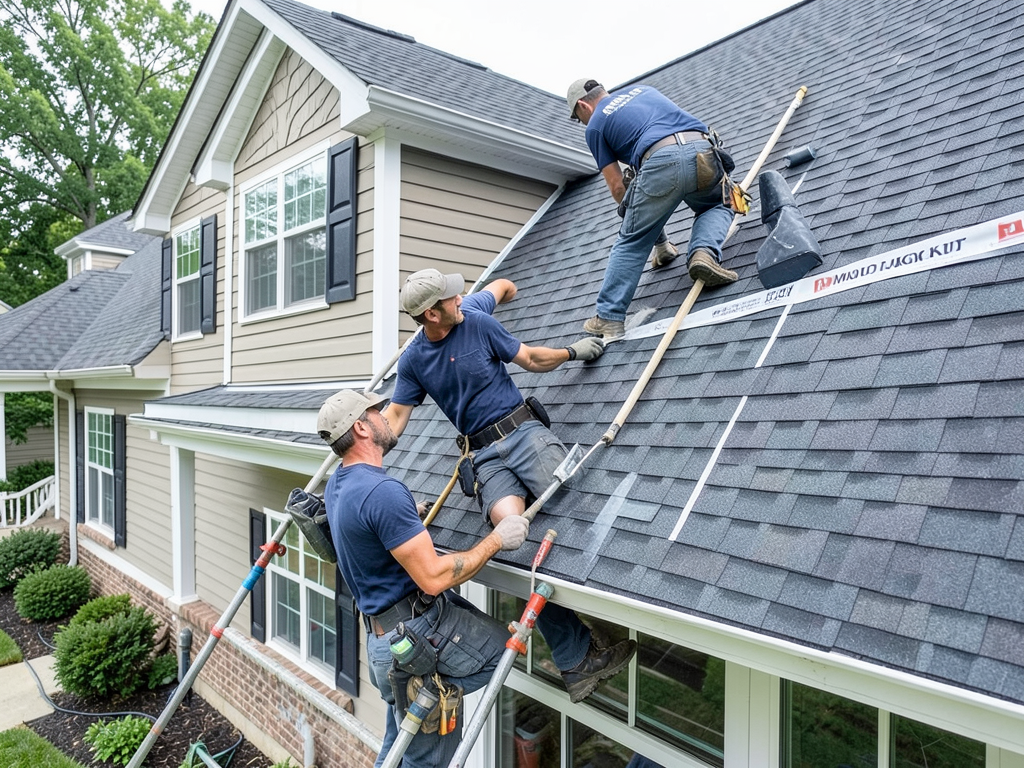
What to Know About Installing a New Roof on a Shared Wall Townhome in Mount Lookout
Replacing a roof on a shared wall townhome in Mount Lookout requires careful coordination with neighbors, HOA approval, and specialized logistics that differ from single-family homes. The process involves navigating shared structural elements, ensuring uniform aesthetics across the building, and managing construction in a dense urban neighborhood.
Mount Lookout townhomes typically feature either traditional asphalt shingle roofs or flat membrane systems depending on the building’s age and design. Most properties in this area were built between the 1950s and 1980s, creating a mix of roofing materials and potential underlying structural considerations that must be evaluated before replacement begins. Is Metal Roofing Worth the Investment for Your Anderson Township Home?.
The unique challenges of townhome roofing include shared firewalls that extend through the roofline, coordinated gutter systems that may serve multiple units, and the need to maintain consistent exterior appearance as required by most Mount Lookout homeowners associations. Understanding these factors upfront helps ensure a smooth replacement process.
Understanding HOA Requirements in Mount Lookout
Most townhome communities in Mount Lookout are governed by homeowners associations that maintain strict control over exterior modifications. Before any roofing work can begin, you’ll need to submit detailed plans including material specifications, color choices, and contractor information for HOA review and approval.
The approval process typically takes 2-4 weeks and may require multiple revisions to ensure compliance with community standards. Some associations mandate specific shingle colors or brands to maintain uniform appearance across all units. Others may require architectural review board meetings where neighbors can voice concerns or approval requirements.
Common HOA restrictions in Mount Lookout include limitations on roof pitch modifications, requirements for matching existing color schemes, and specifications for underlayment materials. Some associations also mandate specific installation methods to ensure consistency across the entire building.
Shared Structural Considerations and Party Wall Agreements
Townhome roofing involves shared structural elements that require careful coordination with adjacent property owners. The party wall agreement between neighbors typically outlines responsibilities for roof maintenance, replacement costs, and access requirements during construction.
Firewalls, also known as parapet walls, extend above the roofline to provide fire protection between units. These walls require special flashing and sealing techniques during replacement to maintain their integrity and prevent water infiltration at the junction points.
Shared gutter systems present another consideration. Many Mount Lookout townhomes feature interconnected drainage systems that must be carefully evaluated before replacement. Improper disconnection or modification of these systems can lead to water damage in adjacent units.
Building codes in Hamilton County require specific fire separation ratings for townhome construction, which impacts how roofing materials can be installed near shared walls. The Ohio Residential Code Chapter 9 contains detailed requirements for these installations. Hamilton County Building Department.
Mount Lookout’s Specific Climate Challenges
Mount Lookout experiences unique weather patterns that affect roofing choices and installation methods. The neighborhood’s elevation and proximity to the Ohio River create specific microclimatic conditions that influence material selection and installation techniques.
Heavy spring thunderstorms frequently occur in this area, with rainfall rates that can exceed 2 inches per hour during severe weather events. This requires enhanced underlayment systems and proper valley flashing to prevent water infiltration.
Freeze-thaw cycles common in Cincinnati winters create ice damming potential, particularly on north-facing slopes. The Ohio Residential Code R905.1.2 mandates ice barrier installation extending 24 inches inside the exterior wall line in these conditions. How to Get Your Cincinnati Roof Replaced After a Major Hail Storm.
High humidity levels throughout the year contribute to algae growth on certain shingle types. Many Mount Lookout townhome associations now specify algae-resistant shingles to maintain consistent appearance across all units.
Material Selection for Townhome Applications
Choosing the right roofing material for your Mount Lookout townhome involves balancing HOA requirements, performance needs, and long-term durability. The most common options include architectural asphalt shingles, flat membrane systems, and occasionally metal roofing for modern developments.
Architectural shingles offer the best combination of cost-effectiveness, aesthetic appeal, and durability for most townhome applications. These dimensional shingles provide enhanced wind resistance and typically carry 30-50 year warranties depending on the manufacturer and grade selected.
Flat roof sections, common on townhome buildings with multiple levels, require specialized membrane systems like EPDM or TPO. These materials must be properly terminated at parapet walls and integrated with any sloped roof sections to prevent leaks.
Energy efficiency considerations are increasingly important in Mount Lookout. Many associations now encourage or require cool roof technologies that reflect solar heat, reducing cooling costs during humid Ohio summers.
The Installation Process Timeline
Understanding the timeline for townhome roof replacement helps manage expectations and coordinate with neighbors. The complete process typically spans 4-6 weeks from initial inspection to final cleanup, though actual installation may only require 2-3 days depending on weather conditions.
Week 1 involves initial inspection, HOA submission, and permit acquisition from the Hamilton County Building Department. Most residential roofing permits are issued within 3-5 business days if all documentation is complete.
Week 2-3 covers material ordering and delivery coordination. Special-order materials or HOA-mandated products may extend this timeline. Delivery scheduling must consider shared driveways and parking arrangements with neighbors.
Installation week requires careful neighbor notification. Most Mount Lookout townhome associations mandate 48-72 hour advance notice to all residents about upcoming construction activities, including estimated start times and duration.
Post-installation week includes final inspections, cleanup verification, and warranty documentation submission. Some associations require final approval before the project is considered complete.
Permit Requirements in Hamilton County
Obtaining proper permits is essential for any townhome roof replacement in Mount Lookout. The Hamilton County Building Department requires residential roofing permits for all replacement projects, with additional documentation needed for multi-unit structures.
Permit applications must include detailed roof plans showing existing conditions, proposed materials, and any structural modifications. For townhome buildings, separate permits may be required for each unit or a master permit covering the entire building depending on the scope of work.
Inspections are required at multiple stages of the project. A pre-installation inspection ensures proper permits are in place and verifies existing conditions. Final inspections confirm code compliance and proper installation of all required components.
Building codes specific to townhome construction include enhanced wind uplift requirements, fire separation specifications, and drainage system regulations. The Ohio Building Code Section 1505 contains specific provisions for these multi-family structures.
Neighbor Coordination and Communication
Successful townhome roof replacement requires proactive communication with adjacent property owners. Shared walls, driveways, and drainage systems mean your project directly impacts your neighbors’ properties and daily routines.
Initial neighbor meetings should cover project timeline, noise expectations, debris management, and access requirements. Most successful projects establish a group text or email chain to share updates and address concerns quickly.
Noise management is particularly important in Mount Lookout’s dense residential areas. Construction typically occurs between 7 AM and 7 PM, with efforts to minimize early morning or late evening work that could disturb neighbors.
Debris containment requires special attention. Tarps and plywood barriers protect adjacent properties from falling materials, while designated dumpster locations prevent parking conflicts and property damage.
Insurance considerations should be discussed with neighbors. Most contractors carry liability insurance that covers accidental damage to adjacent properties, but understanding coverage limits provides peace of mind for all parties.
Cost Factors Specific to Townhome Roofing
Townhome roof replacement costs differ from single-family homes due to shared structural elements, HOA requirements, and logistical complexities. Understanding these factors helps set realistic budgets for your project.
Shared structural components often require additional inspection and reinforcement work. Party walls may need specialized flashing or sealing techniques that increase labor costs compared to standalone homes.
HOA requirements can impact material costs significantly. Premium-grade materials, specific color requirements, or mandated installation methods may increase overall project expenses by 15-30% compared to standard residential roofing.
Logistical challenges in Mount Lookout’s older neighborhoods include limited equipment access, shared driveway constraints, and the need for additional staging areas. These factors can extend project duration and increase labor costs.
Permit and inspection fees for multi-unit structures typically exceed those for single-family homes. Hamilton County charges based on project scope and building type, with townhome replacements often falling into higher fee categories.
Insurance Considerations for Multi-Unit Structures
Insurance requirements for townhome roof replacement involve both individual unit coverage and potential building-wide policies. Understanding these distinctions helps ensure proper protection throughout the project.
Individual homeowners insurance typically covers roof damage from covered perils like storms or fire, but may have limitations for wear-and-tear replacements. Some policies exclude certain roofing types or require specific installation methods to maintain coverage.
Building association insurance often covers common area roofs and structural components. However, the extent of this coverage varies significantly between associations, with some requiring individual unit owners to bear full replacement costs.
Contractor insurance verification is critical for townhome projects. All contractors should carry general liability insurance, workers’ compensation, and specific roofing liability coverage that protects both the individual unit owner and adjacent properties.
Claims processes for multi-unit structures can be complex. Damage affecting multiple units may require coordinated claims with the building association’s insurance, potentially extending resolution timelines compared to single-family claims.
Quality Assurance and Warranty Considerations
Warranty coverage for townhome roofing requires special attention due to shared structural elements and potential multi-unit implications. Understanding warranty terms helps protect your investment and ensures proper coverage for all components.
Manufacturer warranties typically cover materials for 20-50 years depending on the product grade selected. However, these warranties often require professional installation and may have specific requirements for multi-unit applications.
Workmanship warranties from contractors usually cover 5-10 years and protect against installation defects. For townhome projects, these warranties should explicitly cover work near shared walls and any modifications to common structural elements.
Transferability of warranties becomes important if you plan to sell your unit. Many manufacturers and contractors offer warranty transfer options, though documentation and notification requirements vary by provider.
Maintenance requirements to maintain warranty coverage often include regular inspections, prompt repairs of minor damage, and adherence to specific cleaning or treatment schedules. Some warranties require professional inspections every 2-3 years. Reliable Flat Roof Repair Services for Over-the-Rhine Business Owners.
Emergency Situations and Temporary Protection
Emergency roof damage in townhome settings requires immediate action to prevent damage to adjacent units. Understanding emergency procedures helps minimize damage and coordinate repairs effectively. Who to Call for 24-Hour Emergency Roof Leak Repair in Cincinnati.
Emergency tarping services are essential for addressing sudden leaks or storm damage. Professional tarping prevents water infiltration into your unit and adjacent spaces while permanent repairs are being arranged. Emergency Tarping Service.
Water damage assessment becomes more complex in townhome settings. Leaks may affect multiple units through shared walls or ceiling spaces, requiring coordinated inspection and repair efforts.
Emergency response times matter significantly in dense residential areas. Most professional roofing contractors offer 24/7 emergency services with response times of 2-4 hours for urgent situations in the Mount Lookout area.
Temporary protection measures should include debris containment, water diversion systems, and protection of adjacent landscaping. These precautions prevent additional damage during emergency repairs.
Frequently Asked Questions
How long does a townhome roof replacement take in Mount Lookout?
The complete process typically spans 4-6 weeks, though actual installation usually requires only 2-3 days depending on weather and project complexity. HOA approval and permit acquisition account for much of the timeline.
Do I need permission from my neighbors to replace my roof?
While you don’t need direct permission from individual neighbors, you must comply with HOA requirements and building codes. Some associations require neighbor notification or may have specific procedures for addressing shared structural concerns.
What happens if my neighbor’s roof needs replacement too?
Coordinated replacement projects can often reduce costs and minimize disruption. Many associations facilitate group projects where multiple units are replaced simultaneously, though individual unit owners retain responsibility for their specific roofing costs.
Are there special permits required for townhome roofing in Hamilton County?
Yes, Hamilton County requires residential roofing permits with additional documentation for multi-unit structures. The permit process includes plan submission, inspections, and compliance verification specific to townhome construction requirements.
How do I handle drainage issues with shared gutter systems?
Shared drainage systems require careful evaluation before replacement. A professional roofing contractor should assess the entire system and coordinate any modifications with the building association to ensure proper function for all units.
What if my townhome has both flat and sloped roof sections?
Mixed roof systems require specialized integration techniques. Flat sections typically use membrane systems while sloped areas use shingles, with proper flashing and termination details at transition points to prevent leaks.
Can I upgrade to a different roofing material than what’s currently installed?
Material upgrades are often possible but must comply with HOA requirements and building codes. Some associations restrict material changes to maintain uniform appearance, while others may allow upgrades with proper approval.
How do I know if my townhome roof needs replacement versus repair?
Professional inspection can determine whether replacement or repair is appropriate. Signs like widespread shingle deterioration, multiple leaks, or structural issues typically indicate replacement is needed, while isolated damage may be repairable.
What warranties are available for townhome roofing projects?
Warranties typically include manufacturer material warranties (20-50 years) and contractor workmanship warranties (5-10 years). For townhome projects, ensure warranties specifically cover work near shared walls and common structural elements.
How do I prepare my unit for roof replacement?
Preparation includes removing wall decorations that could fall from vibrations, covering attic items to protect from dust, and clearing outdoor areas near the work zone. Your contractor should provide a detailed preparation checklist specific to your situation.
Call Today for Your Townhome Roof Assessment
Don’t wait until leaks damage your home and your neighbor’s property. Professional assessment of your townhome roof can identify potential issues before they become emergencies. Our team understands the unique requirements of Mount Lookout townhome communities and can guide you through the entire replacement process.. Read more about A Simple Guide to Roof Permitting for Homeowners in Hamilton County and Butler County.
Call (513) 223-5511 today to schedule your free inspection and learn about your roofing options. We’ll help you navigate HOA requirements, coordinate with neighbors, and ensure your new roof meets all local codes and community standards.
Pick up the phone and call (513) 223-5511 before the next storm hits. Early assessment can prevent costly damage and ensure your townhome remains protected for years to come. For more information, visit National Roofing Contractors Association.
{
“@context”: “https://schema.org”,
“@type”: “BlogPosting”,
“headline”: “What to Know About Installing a New Roof on a Shared Wall Townhome in Mount Lookout”,
“description”: “Installing a new roof on a shared wall townhome in Mount Lookout requires HOA approval, proper permits, and specialized logistics. Learn what to expect from the process.”,
“wordCount”: 2385,
“datePublished”: “2026-05-08T14:39:00.000Z”,
“dateModified”: “2026-05-08T14:39:00.000Z”,
“inLanguage”: “en-US”,
“mainEntityOfPage”: {
“@type”: “WebPage”,
“@id”: “https://firstchoiceroofingcincinnati.com”
},
“publisher”: {
“@type”: “LocalBusiness”,
“name”: “First Choice Roofing Cincinnati”,
“url”: “https://firstchoiceroofingcincinnati.com”
},
“author”: {
“@type”: “Organization”,
“name”: “First Choice Roofing Cincinnati”,
“url”: “https://firstchoiceroofingcincinnati.com”
},
“image”: {
“@type”: “ImageObject”,
“url”: “https://firstchoiceroofingcincinnati.com/wp-content/uploads/2026/03/what-to-know-about-installing-a-new-roof-on-a-shar-1.png”
}
}
{
“@context”: “https://schema.org”,
“@type”: “RoofingContractor”,
“name”: “First Choice Roofing Cincinnati”,
“url”: “https://firstchoiceroofingcincinnati.com”,
“address”: {
“@type”: “PostalAddress”,
“addressLocality”: “Cincinnati”
},
“areaServed”: {
“@type”: “City”,
“name”: “Cincinnati”
}
}
{
“@context”: “https://schema.org”,
“@type”: “FAQPage”,
“mainEntity”: [
{
“@type”: “Question”,
“name”: “How long does a townhome roof replacement take in Mount Lookout?”,
“acceptedAnswer”: {
“@type”: “Answer”,
“text”: “The complete process typically spans 4-6 weeks, though actual installation usually requires only 2-3 days depending on weather and project complexity. HOA approval and permit acquisition account for much of the timeline.”
}
},
{
“@type”: “Question”,
“name”: “Do I need permission from my neighbors to replace my roof?”,
“acceptedAnswer”: {
“@type”: “Answer”,
“text”: “While you don’t need direct permission from individual neighbors, you must comply with HOA requirements and building codes. Some associations require neighbor notification or may have specific procedures for addressing shared structural concerns.”
}
},
{
“@type”: “Question”,
“name”: “What happens if my neighbor’s roof needs replacement too?”,
“acceptedAnswer”: {
“@type”: “Answer”,
“text”: “Coordinated replacement projects can often reduce costs and minimize disruption. Many associations facilitate group projects where multiple units are replaced simultaneously, though individual unit owners retain responsibility for their specific roofing costs.”
}
},
{
“@type”: “Question”,
“name”: “Are there special permits required for townhome roofing in Hamilton County?”,
“acceptedAnswer”: {
“@type”: “Answer”,
“text”: “Yes, Hamilton County requires residential roofing permits with additional documentation for multi-unit structures. The permit process includes plan submission, inspections, and compliance verification specific to townhome construction requirements.”
}
},
{
“@type”: “Question”,
“name”: “How do I handle drainage issues with shared gutter systems?”,
“acceptedAnswer”: {
“@type”: “Answer”,
“text”: “Shared drainage systems require careful evaluation before replacement. A professional roofing contractor should assess the entire system and coordinate any modifications with the building association to ensure proper function for all units.”
}
},
{
“@type”: “Question”,
“name”: “What if my townhome has both flat and sloped roof sections?”,
“acceptedAnswer”: {
“@type”: “Answer”,
“text”: “Mixed roof systems require specialized integration techniques. Flat sections typically use membrane systems while sloped areas use shingles, with proper flashing and termination details at transition points to prevent leaks.”
}
},
{
“@type”: “Question”,
“name”: “Can I upgrade to a different roofing material than what’s currently installed?”,
“acceptedAnswer”: {
“@type”: “Answer”,
“text”: “Material upgrades are often possible but must comply with HOA requirements and building codes. Some associations restrict material changes to maintain uniform appearance, while others may allow upgrades with proper approval.”
}
},
{
“@type”: “Question”,
“name”: “What warranties are available for townhome roofing projects?”,
“acceptedAnswer”: {
“@type”: “Answer”,
“text”: “Warranties typically include manufacturer material warranties (20-50 years) and contractor workmanship warranties (5-10 years). For townhome projects, ensure warranties specifically cover work near shared walls and common structural elements.”
}
},
{
“@type”: “Question”,
“name”: “How do I prepare my unit for roof replacement?”,
“acceptedAnswer”: {
“@type”: “Answer”,
“text”: “Preparation includes removing wall decorations that could fall from vibrations, covering attic items to protect from dust, and clearing outdoor areas near the work zone. Your contractor should provide a detailed preparation checklist specific to your situation.”
}
}
]
}
{
“@context”: “https://schema.org”,
“@type”: “BreadcrumbList”,
“itemListElement”: [
{
“@type”: “ListItem”,
“position”: 1,
“name”: “Home”,
“item”: “https://firstchoiceroofingcincinnati.com”
},
{
“@type”: “ListItem”,
“position”: 2,
“name”: “Blog”,
“item”: “https://firstchoiceroofingcincinnati.com/blog”
},
{
“@type”: “ListItem”,
“position”: 3,
“name”: “What to Know About Installing a New Roof on a Shared Wall Townhome in Mount Lookout”
}
]
}
{
“@context”: “https://schema.org”,
“@type”: “Service”,
“serviceType”: “Roofing”,
“provider”: {
“@type”: “LocalBusiness”,
“name”: “First Choice Roofing Cincinnati”,
“url”: “https://firstchoiceroofingcincinnati.com”
},
“areaServed”: {
“@type”: “City”,
“name”: “Cincinnati”
},
“description”: “Installing a new roof on a shared wall townhome in Mount Lookout requires HOA approval, proper permits, and specialized logistics. Learn what to expect from the process.”
}