
How the river breeze in Sayler Park can actually lift your roof shingles
The Ohio River creates more than just scenic views in Sayler Park. The steady river breeze flowing through the 45233 zip code generates wind patterns that can gradually lift asphalt shingles right off your roof. This happens because the river creates a natural wind tunnel effect, especially during spring and fall when temperature differences between the water and land are greatest.
Homeowners along River Road and Hillside Avenue often notice loose or missing shingles after windy days, but don’t realize the Ohio River is the culprit. The wind creates uplift pressure that works against gravity, slowly separating the adhesive bond between shingles and the roof deck. Once that bond breaks, even a moderate breeze can peel back entire sections of roofing. Is Metal Roofing Worth the Investment for Your Anderson Township Home?.
Understanding this river-specific wind behavior is crucial for Sayler Park residents. Unlike homes in inland neighborhoods, riverfront properties face constant low-level wind stress that accumulates damage over years. The good news is that proper installation techniques and wind-resistant materials can protect your home from these unique wind patterns.
Why Sayler Park’s river location creates special wind challenges
The Ohio River’s width and flow direction create predictable wind patterns that affect Sayler Park differently than other Cincinnati neighborhoods. During the day, the river breeze flows from water to land as the land heats up faster than the water. At night, this pattern reverses as the land cools more quickly than the river surface. How to Get Your Cincinnati Roof Replaced After a Major Hail Storm.
This constant airflow means Sayler Park homes experience more frequent wind events than properties just a few miles inland. The wind doesn’t have to be hurricane-force to cause problems. Even 15-20 mph breezes, common along the river, create enough uplift to stress shingle tabs over time.
The terrain also plays a role. Sayler Park’s location in a river valley means wind gets funneled between the hillsides, increasing velocity as it moves through the neighborhood. Homes on elevated sections of Hillside Avenue or near the river’s edge feel these effects most strongly.. Read more about How to tell if your Seven Hills home has hidden hail damage from a past season.

Diagram showing how river breeze creates uplift pressure on roof shingles, with arrows indicating wind flow direction and pressure points.
Signs your roof suffers from river breeze damage
River breeze damage shows specific patterns that differ from storm damage. You might notice shingles lifting at the corners first, especially on the side of the house facing the river. The adhesive strips along the shingle edges lose their grip gradually, creating a curled appearance.
Granule loss is another telltale sign. As shingles flex from repeated wind stress, the protective granules wear off faster than on inland roofs. You’ll often find more granules in your gutters and downspouts, particularly after windy periods when the river breeze is strongest.
Missing shingle tabs create a distinctive pattern too. Instead of large sections blowing off during storms, river breeze damage often results in individual tabs missing in scattered patterns across the roof surface. This creates entry points for water that worsen over time.
During inspections, technicians check for these specific river breeze indicators. They look for the characteristic curling at shingle corners, examine adhesive strip integrity, and assess granule coverage. These diagnostics help determine if your roof needs wind-resistant upgrades or complete replacement.. Read more about Why you shouldn’t ignore the curling shingles on your Woodlawn rental property.
How wind uplift affects different roofing materials
Not all roofing materials handle river breeze equally well. Standard three-tab asphalt shingles, common in Sayler Park, have the lowest wind resistance rating. They typically withstand winds up to 60-70 mph when new, but that rating drops significantly as they age and the adhesive degrades.
Laminated or architectural shingles offer better protection with wind ratings up to 110-130 mph. Their heavier weight and stronger adhesive bonds make them more resistant to the gradual uplift forces created by river breezes. The extra cost often pays off in riverfront neighborhoods where wind stress is constant.
Metal roofing provides the best defense against wind uplift. Standing seam metal roofs can withstand winds over 140 mph because they attach directly to the roof deck rather than relying on adhesive strips. They also don’t have individual tabs that can lift, eliminating the primary failure point for asphalt shingles.
Tile and slate roofs perform well in high-wind areas but require proper installation and maintenance. The weight helps resist uplift, but individual tiles can still crack or break if not properly secured. These materials work best on homes with the structural support to handle their additional weight.
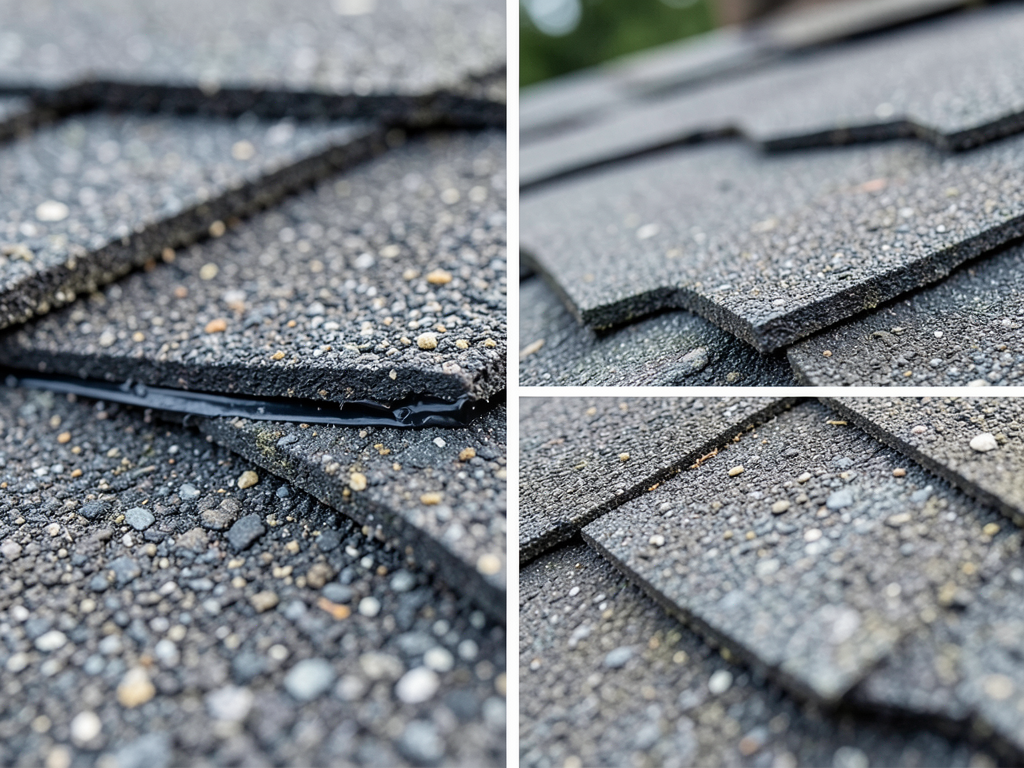
Close-up photo showing wind-damaged asphalt shingles with lifted corners and missing granules, compared to properly installed wind-resistant shingles.
Building codes and wind-resistant installation requirements
Hamilton County building codes address wind uplift through specific installation requirements. The Ohio Residential Code (ORC) Chapter 9 mandates minimum fastening patterns for asphalt shingles based on expected wind speeds. For Sayler Park’s location along the Ohio River, the required wind zone typically calls for six nails per shingle instead of the standard four.
The code also requires enhanced underlayment in high-wind areas. Self-adhering polymer-modified bitumen underlayment must extend at least 24 inches up from the eave edge and in valleys where wind-driven rain is most likely. This creates a secondary water barrier if shingles fail.
Flashing details receive special attention in wind-prone areas. The code requires extra fasteners and sealant at roof-to-wall intersections, chimney flashings, and vent pipes. These vulnerable points often fail first during wind events, allowing water intrusion even when shingles remain intact.
Professional roofers in Sayler Park understand these enhanced requirements. They use ring-shank nails instead of smooth nails for better holding power, apply asphalt roofing cement at shingle tabs for added adhesion, and ensure proper overlap patterns that prevent wind from getting underneath the roofing system.
Wind mitigation strategies for Sayler Park homeowners
Homeowners can take several steps to protect their roofs from river breeze damage. The first is choosing wind-rated materials appropriate for riverfront locations. Look for shingles with a Class D or Class G wind rating, which indicates laboratory testing at 90 mph or higher wind speeds.
Proper attic ventilation also helps. When hot air escapes through ridge vents and cool air enters through soffit vents, it reduces the pressure differential that causes uplift. This ventilation system works with the wind rather than against it, creating a more stable roof structure.
Regular maintenance prevents small problems from becoming major failures. Inspect your roof twice yearly, especially after windy periods. Check for lifted shingles, damaged flashing, and granule loss. Early intervention costs far less than emergency repairs after a major wind event. Reliable Flat Roof Repair Services for Over-the-Rhine Business Owners.
Consider wind mitigation when planning roof replacement. Upgrade to six-nail fastening patterns, enhanced underlayment, and wind-rated materials even if local codes don’t require them. The Ohio River will test your roof’s limits eventually, and proper preparation prevents costly damage.
Emergency steps after wind damage occurs
When river breeze lifts your shingles, quick action prevents interior water damage. First, document the damage with photos from ground level. Don’t climb on the roof yourself, as loose shingles create slip hazards and damaged areas may not support your weight.
Cover damaged areas with tarps if safe to do so. Use 2×4 boards to secure tarps rather than nails, which can create additional leak points. Extend tarps at least 4 feet beyond visible damage and ensure they slope to direct water away from the house.
Check your attic for signs of water intrusion. Look for wet spots on rafters, insulation, or ceiling materials. Water can travel along rafters before dripping, so the actual leak point may be several feet from visible water stains.
Contact your insurance company promptly. Most policies cover wind damage, but they require timely reporting. Document all communication and keep receipts for any emergency repairs. Professional roofers can help navigate the claims process and provide detailed damage assessments for adjusters. Who to Call for 24-Hour Emergency Roof Leak Repair in Cincinnati.
Photo of emergency tarp installation on a wind-damaged roof, showing proper tarp placement and securement techniques used by professional roofers.
Insurance considerations for wind damage in Sayler Park
Wind damage claims in riverfront areas like Sayler Park follow specific patterns that insurance adjusters recognize. The gradual nature of river breeze damage sometimes leads to coverage disputes, as adjusters may initially classify it as wear and tear rather than a covered peril.
Documenting the progressive nature of wind damage helps your claim. Keep records of previous inspections, maintenance, and any wind-related repairs. Photos showing the development of damage over time prove it resulted from covered wind events rather than neglect. Roof Repair Services.
Understand your policy’s wind damage provisions. Some policies exclude named storms or have separate deductibles for wind damage. Others require specific wind mitigation features for full coverage. Know these details before filing a claim to avoid surprises.
Professional roofers familiar with Sayler Park’s wind patterns can provide crucial documentation. They understand how to distinguish wind damage from age-related wear and can explain the unique challenges of riverfront properties to insurance adjusters. This expertise often means the difference between approval and denial.
Long-term solutions for river breeze protection
For homeowners planning to stay in Sayler Park long-term, investing in comprehensive wind protection makes financial sense. Metal roofing systems, while more expensive upfront, eliminate many wind-related problems entirely. Their interlocking panels and direct deck attachment create a monolithic surface that wind cannot penetrate.
Roof structure reinforcement provides another layer of protection. Adding hurricane clips or straps connects the roof framing to the wall structure, preventing the entire roof from lifting during extreme wind events. This upgrade costs significantly less than a full roof replacement and provides peace of mind.
Landscaping can also reduce wind impact. Strategic placement of trees or shrubs on the windward side of your home breaks up wind flow before it reaches the roof. However, keep vegetation trimmed away from the roof to prevent debris accumulation and moisture trapping.
Consider the age of your current roof when evaluating wind protection options. If your roof is over 15 years old, wind damage becomes more likely regardless of material quality. The combination of aging materials and constant river breeze stress often means replacement is more cost-effective than ongoing repairs.
Comparing roofing options for wind resistance
| Material Type | Wind Rating (mph) | Cost per Square | Best For | Lifespan |
|---|---|---|---|---|
| 3-Tab Asphalt | 60-70 | $100-150 | Budget-conscious inland homes | 15-20 years |
| Architectural Asphalt | 110-130 | $150-250 | Riverfront homes needing better protection | 20-30 years |
| Standing Seam Metal | 140+ | $300-500 | Maximum wind protection investment | 40-70 years |
| Concrete Tile | 125-150 | $200-400 | Homes with strong structural support | 50+ years |
Choosing the right contractor for wind-resistant roofing
Not all roofing contractors understand the unique challenges of Sayler Park’s river location. Look for companies with specific experience in wind-resistant installations and knowledge of Hamilton County building codes. Ask about their experience with riverfront properties and request references from Sayler Park homeowners.
Verify credentials beyond basic licensing. Look for certifications from roofing manufacturers in wind-resistant installation techniques. These certifications require specific training and testing that demonstrates expertise in high-wind applications.
Ask about their inspection process. Quality contractors don’t just measure your roof and provide a quote. They assess existing ventilation, check structural integrity, and identify potential wind vulnerability points. This thorough evaluation prevents surprises during installation.
Understand their warranty offerings. Standard roofing warranties may not cover wind damage or may have specific requirements for wind-prone areas. Ask about enhanced warranties that cover wind-related failures and what maintenance requirements keep those warranties valid.
Protecting your Sayler Park home from river breeze damage
The Ohio River breeze that makes Sayler Park special also creates unique roofing challenges. Understanding how wind uplift affects your home allows you to make informed decisions about materials, installation, and maintenance. Whether you’re planning a new roof or protecting your existing one, wind resistance should be a top priority.
Regular inspections catch problems early when they’re less expensive to fix. Professional assessments can identify wind vulnerability points you might miss. And when replacement becomes necessary, choosing wind-rated materials appropriate for riverfront living provides long-term protection.
Your roof is your home’s first defense against the elements. In Sayler Park, that defense faces constant testing from the Ohio River breeze. Proper preparation, quality materials, and professional installation ensure your home stays protected for years to come.
Call (513) 223-5511 today to schedule your wind damage inspection. Our experienced team understands Sayler Park’s unique wind patterns and can recommend the best protection for your home. Don’t wait until the next windy day reveals problems you could have prevented.
Frequently Asked Questions
How can I tell if my roof has wind damage from river breezes?
Look for lifted shingle corners, missing granule buildup in gutters, scattered missing tabs rather than large sections, and curled shingle edges. These signs indicate gradual wind uplift rather than storm damage.
Does homeowner’s insurance cover wind damage in Sayler Park?
Most policies cover wind damage, but coverage can be complicated by the gradual nature of river breeze damage. Document progressive damage and work with experienced contractors who can help navigate the claims process.
What’s the best roofing material for riverfront homes?
Architectural asphalt shingles with high wind ratings offer good protection at reasonable cost. For maximum protection, standing seam metal roofing provides superior wind resistance and longevity, though at a higher initial investment.
How often should I inspect my roof for wind damage?
Inspect your roof twice yearly, ideally in spring and fall when river breezes are strongest. Also check after any major wind events or storms that could have caused immediate damage.
Can I install wind-resistant features on my existing roof?
Yes, upgrades like enhanced underlayment, additional fasteners, and wind-rated shingles can be added during repairs or when re-roofing. However, very old roofs may need complete replacement for optimal wind protection.
What building code requirements apply to wind-resistant roofing in Hamilton County?
The Ohio Residential Code requires specific fastening patterns, enhanced underlayment in high-wind areas, and proper flashing details. Riverfront locations like Sayler Park often require six nails per shingle instead of the standard four.
- Choose wind-rated materials
Select shingles or roofing with Class D or G wind ratings appropriate for riverfront locations.
- Ensure proper installation
Verify your contractor uses six nails per shingle, enhanced underlayment, and proper flashing techniques.
- Maintain regular inspections
Check your roof twice yearly for lifted shingles, granule loss, and other wind damage signs.
- Address problems promptly
Repair minor wind damage before it leads to water intrusion and more expensive repairs.
- Consider wind mitigation upgrades
Invest in enhanced ventilation, structural reinforcement, or wind-resistant materials when replacing your roof. For more information, visit FEMA wind protection guidelines. For more information, visit National Roofing Contractors Association wind uplift resources.
{
“@context”: “https://schema.org”,
“@type”: “BlogPosting”,
“headline”: “How the river breeze in Sayler Park can actually lift your roof shingles”,
“description”: “River breezes in Sayler Park create unique wind patterns that can lift shingles. Learn how Ohio River winds affect Sayler Park roofs and what homeowners can do.”,
“wordCount”: 2455,
“datePublished”: “2026-05-16T11:49:00.000Z”,
“dateModified”: “2026-05-16T11:49:00.000Z”,
“inLanguage”: “en-US”,
“mainEntityOfPage”: {
“@type”: “WebPage”,
“@id”: “https://firstchoiceroofingcincinnati.com”
},
“publisher”: {
“@type”: “LocalBusiness”,
“name”: “First Choice Roofing Cincinnati”,
“url”: “https://firstchoiceroofingcincinnati.com”
},
“author”: {
“@type”: “Organization”,
“name”: “First Choice Roofing Cincinnati”,
“url”: “https://firstchoiceroofingcincinnati.com”
},
“image”: {
“@type”: “ImageObject”,
“url”: “https://firstchoiceroofingcincinnati.com/wp-content/uploads/2026/03/how-the-river-breeze-in-sayler-park-can-actually-l-1.png”
}
}
{
“@context”: “https://schema.org”,
“@type”: “RoofingContractor”,
“name”: “First Choice Roofing Cincinnati”,
“url”: “https://firstchoiceroofingcincinnati.com”,
“address”: {
“@type”: “PostalAddress”,
“addressLocality”: “Cincinnati”
},
“areaServed”: {
“@type”: “City”,
“name”: “Cincinnati”
}
}
{
“@context”: “https://schema.org”,
“@type”: “FAQPage”,
“mainEntity”: [
{
“@type”: “Question”,
“name”: “How can I tell if my roof has wind damage from river breezes?”,
“acceptedAnswer”: {
“@type”: “Answer”,
“text”: “Look for lifted shingle corners, missing granule buildup in gutters, scattered missing tabs rather than large sections, and curled shingle edges. These signs indicate gradual wind uplift rather than storm damage.”
}
},
{
“@type”: “Question”,
“name”: “Does homeowner’s insurance cover wind damage in Sayler Park?”,
“acceptedAnswer”: {
“@type”: “Answer”,
“text”: “Most policies cover wind damage, but coverage can be complicated by the gradual nature of river breeze damage. Document progressive damage and work with experienced contractors who can help navigate the claims process.”
}
},
{
“@type”: “Question”,
“name”: “What’s the best roofing material for riverfront homes?”,
“acceptedAnswer”: {
“@type”: “Answer”,
“text”: “Architectural asphalt shingles with high wind ratings offer good protection at reasonable cost. For maximum protection, standing seam metal roofing provides superior wind resistance and longevity, though at a higher initial investment.”
}
},
{
“@type”: “Question”,
“name”: “How often should I inspect my roof for wind damage?”,
“acceptedAnswer”: {
“@type”: “Answer”,
“text”: “Inspect your roof twice yearly, ideally in spring and fall when river breezes are strongest. Also check after any major wind events or storms that could have caused immediate damage.”
}
},
{
“@type”: “Question”,
“name”: “Can I install wind-resistant features on my existing roof?”,
“acceptedAnswer”: {
“@type”: “Answer”,
“text”: “Yes, upgrades like enhanced underlayment, additional fasteners, and wind-rated shingles can be added during repairs or when re-roofing. However, very old roofs may need complete replacement for optimal wind protection.”
}
},
{
“@type”: “Question”,
“name”: “What building code requirements apply to wind-resistant roofing in Hamilton County?”,
“acceptedAnswer”: {
“@type”: “Answer”,
“text”: “The Ohio Residential Code requires specific fastening patterns, enhanced underlayment in high-wind areas, and proper flashing details. Riverfront locations like Sayler Park often require six nails per shingle instead of the standard four.”
}
}
]
}
{
“@context”: “https://schema.org”,
“@type”: “HowTo”,
“name”: “How to protect your roof from river breeze damage”,
“step”: [
{
“@type”: “HowToStep”,
“position”: 1,
“name”: “Choose wind-rated materials”,
“text”: “Select shingles or roofing with Class D or G wind ratings appropriate for riverfront locations.”
},
{
“@type”: “HowToStep”,
“position”: 2,
“name”: “Ensure proper installation”,
“text”: “Verify your contractor uses six nails per shingle, enhanced underlayment, and proper flashing techniques.”
},
{
“@type”: “HowToStep”,
“position”: 3,
“name”: “Maintain regular inspections”,
“text”: “Check your roof twice yearly for lifted shingles, granule loss, and other wind damage signs.”
},
{
“@type”: “HowToStep”,
“position”: 4,
“name”: “Address problems promptly”,
“text”: “Repair minor wind damage before it leads to water intrusion and more expensive repairs.”
},
{
“@type”: “HowToStep”,
“position”: 5,
“name”: “Consider wind mitigation upgrades”,
“text”: “Invest in enhanced ventilation, structural reinforcement, or wind-resistant materials when replacing your roof. For more information, visit FEMA wind protection guidelines. For more information, visit National Roofing Contractors Association wind uplift resources.”
}
],
“image”: “https://firstchoiceroofingcincinnati.com/wp-content/uploads/2026/03/how-the-river-breeze-in-sayler-park-can-actually-l-1.png”
}
{
“@context”: “https://schema.org”,
“@type”: “BreadcrumbList”,
“itemListElement”: [
{
“@type”: “ListItem”,
“position”: 1,
“name”: “Home”,
“item”: “https://firstchoiceroofingcincinnati.com”
},
{
“@type”: “ListItem”,
“position”: 2,
“name”: “Blog”,
“item”: “https://firstchoiceroofingcincinnati.com/blog”
},
{
“@type”: “ListItem”,
“position”: 3,
“name”: “How the river breeze in Sayler Park can actually lift your roof shingles”
}
]
}
{
“@context”: “https://schema.org”,
“@type”: “Service”,
“serviceType”: “Roofing”,
“provider”: {
“@type”: “LocalBusiness”,
“name”: “First Choice Roofing Cincinnati”,
“url”: “https://firstchoiceroofingcincinnati.com”
},
“areaServed”: {
“@type”: “City”,
“name”: “Cincinnati”
},
“description”: “River breezes in Sayler Park create unique wind patterns that can lift shingles. Learn how Ohio River winds affect Sayler Park roofs and what homeowners can do.”
}