
The link between your Silverton home’s foundation and your roof drainage
Your Silverton home’s roof and foundation work as a single system. When water flows off your roof during Cincinnati’s heavy spring rains, it can either protect or destroy your foundation. Poor drainage creates hydrostatic pressure against basement walls, causes soil erosion around footings, and leads to expensive foundation repairs. Understanding this connection helps you prevent costly damage before it starts. EPA stormwater management resources.
Silverton’s location in the Ohio River Valley means your home faces unique drainage challenges. The area’s clay-heavy soil retains water, creating perfect conditions for foundation problems when roof runoff isn’t managed properly. A single inch of rain on a 2,000-square-foot roof produces about 1,250 gallons of water that must be directed away from your home.
Why Silverton homes face unique drainage challenges
Silverton’s topography creates natural water collection points. The neighborhood sits in a bowl-shaped area where water naturally flows toward lower elevations. Combined with Cincinnati’s average annual rainfall of 45 inches, this creates conditions where improper roof drainage can overwhelm even well-built foundations. How to Get Your Cincinnati Roof Replaced After a Major Hail Storm.
The Metropolitan Sewer District of Greater Cincinnati (MSD) has specific regulations for managing roof runoff. Homes built before 2000 often lack the proper drainage infrastructure required by current codes. MSD’s Wet Weather Improvement Program addresses these issues, but many Silverton homes still need individual drainage solutions. MSD Greater Cincinnati regulations.
Silverton’s mature trees add another layer of complexity. Falling leaves and debris clog gutters, causing water to overflow directly next to foundation walls. This creates ideal conditions for basement leaks and foundation cracks during heavy storms.
How roof drainage affects your foundation
Water follows the path of least resistance. When your roof drainage system fails, water finds its way to your foundation. Here’s what happens:
- Water pools against foundation walls, creating hydrostatic pressure
- Soil expands when wet, then contracts when dry, causing foundation movement
- Constant moisture weakens concrete and mortar joints
- Water seeps through hairline cracks, making them larger over time
Foundation damage often starts small. You might notice hairline cracks in basement walls or water stains on foundation blocks. These warning signs indicate your roof drainage system needs attention before major repairs become necessary. Reliable Flat Roof Repair Services for Over-the-Rhine Business Owners.
The freeze-thaw cycles common in Cincinnati accelerate foundation damage. Water trapped in foundation cracks expands when it freezes, widening cracks each winter. This cycle can turn minor issues into major structural problems within a few seasons.
Common roof drainage problems in Silverton
Many Silverton homes have aging drainage systems that no longer function properly. Common issues include:
- Gutters that are too small for modern roof sizes
- Downspouts that empty too close to foundation walls
- Missing or damaged splash blocks
- Clogged underground drainage pipes
Older homes in Silverton often have undersized gutters that cannot handle the volume of water from large roof surfaces. When rain exceeds gutter capacity, water cascades over the sides, landing directly next to your foundation.
Downspouts that terminate within five feet of your home create immediate drainage problems. Water pools against foundation walls, eventually finding its way through basement windows or porous concrete.
Diagnostic signs of drainage-related foundation problems
Professional roofers use specific diagnostic techniques to identify drainage-related foundation issues. During an inspection, we look for:
- Water stains on foundation walls that indicate overflow patterns
- Soil erosion patterns around downspout areas
- Cracks in foundation walls that widen toward the bottom
- Doors and windows that stick or won’t close properly
The moisture meter test reveals hidden water problems. By measuring moisture levels in foundation walls at different heights, we can determine if water is entering from above or below grade. Readings above 15% indicate active water intrusion.
Foundation movement often shows up in interior signs. Diagonal cracks in drywall, especially near door frames, suggest foundation settling caused by poor drainage. These cracks typically appear within six months of drainage problems beginning.
Effective drainage solutions for Silverton homes
Solving drainage problems requires a comprehensive approach. Here are proven solutions that address both roof and foundation concerns:
Gutter system upgrades
Modern gutter systems handle significantly more water than older designs. Six-inch gutters, compared to standard five-inch versions, increase water capacity by 40%. This extra capacity prevents overflow during heavy Cincinnati storms.
Leaf guards prevent debris buildup that causes overflow. These systems use surface tension to direct water into gutters while deflecting leaves and twigs. The result is consistent water flow even during fall when Silverton’s oak and maple trees shed leaves.
Downspout extensions and redirection
Proper downspout extensions move water at least six feet from your foundation. This distance ensures water drains away from your home rather than pooling against foundation walls. Extensions can be above-ground flexible tubing or underground drainage pipes. Flexible Financing Options for Your New Cincinnati Roof Installation.
Underground extensions provide a cleaner appearance while moving water even farther from your home. These systems typically discharge into storm drains or dry wells located at least 10 feet from your foundation.
Splash blocks and erosion control
Splash blocks prevent soil erosion at downspout discharge points. These simple devices disperse water flow, preventing the formation of gullies that direct water back toward your foundation. Concrete splash blocks last longer than plastic versions and resist UV degradation.
For homes on slopes, erosion control becomes critical. Terracing and retaining walls can prevent soil movement that redirects water toward your foundation during heavy rains.
Advanced drainage systems for severe problems
Some Silverton homes require more extensive drainage solutions. These systems address chronic water problems that simple fixes cannot solve:
French drains
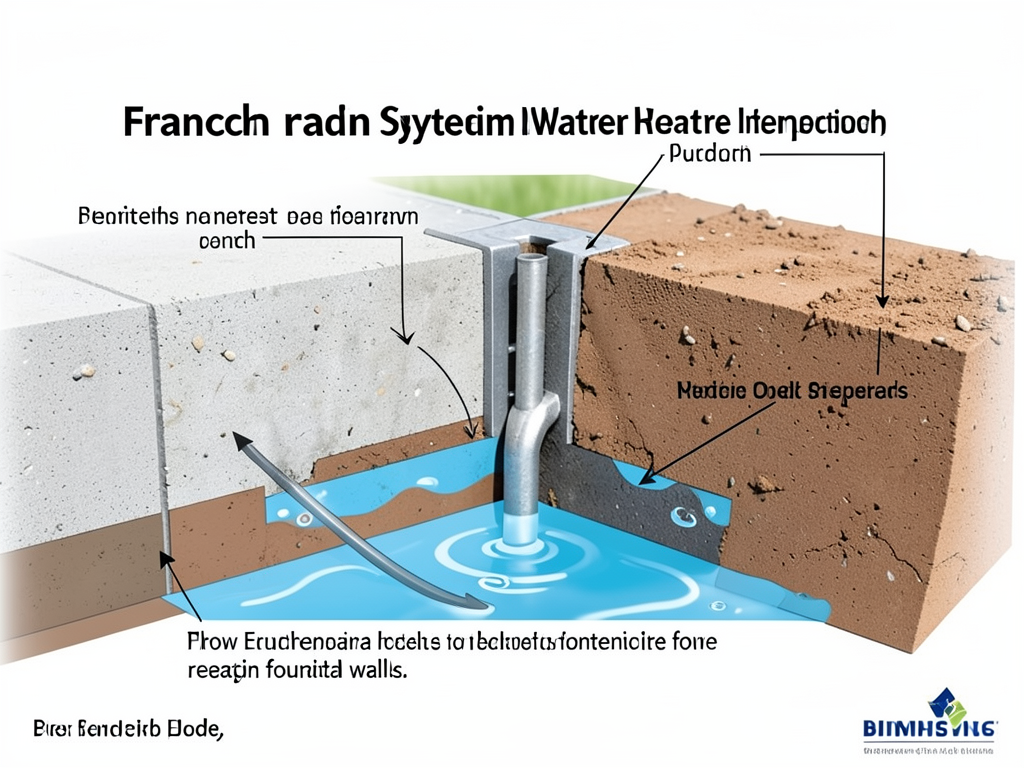
French drains collect subsurface water before it reaches your foundation. These systems consist of perforated pipes surrounded by gravel, installed in a trench that slopes away from your home. Water enters the pipe through holes and flows to a safe discharge point.
French drains work best when installed along foundation footings. This placement intercepts water before it can exert pressure against basement walls. The gravel filter prevents soil from clogging the pipe while allowing water to flow freely.
Rain gardens and bioretention
Rain gardens provide an environmentally friendly way to manage roof runoff. These shallow depressions planted with native vegetation absorb and filter rainwater naturally. Plants with deep root systems improve soil structure, increasing water absorption capacity.
Native plants like purple coneflower, black-eyed susan, and switchgrass thrive in Silverton’s climate while requiring minimal maintenance. These plants also support local pollinators and wildlife.
Dry wells
Dry wells provide underground storage for excess roof runoff. These large underground chambers filled with gravel collect water during heavy rains, releasing it slowly into surrounding soil. This prevents overwhelming municipal storm systems during peak flow periods.
Dry wells work well for homes with limited space for surface drainage solutions. They can handle significant water volumes while remaining completely hidden underground.
Building code requirements for drainage
Cincinnati’s building codes specify minimum requirements for roof drainage systems. The Ohio Residential Code (ORC) Section 1503.4 requires that roof drainage discharge at least five feet from foundation walls. This distance increases to ten feet for homes with basements.
MSD regulations require that roof runoff not connect to sanitary sewer systems. This prevents overwhelming treatment plants during heavy rains. Homes must either discharge to storm sewers or use on-site retention systems.
Ice barrier requirements under ORC R905.1.2 mandate specific underlayment installation in areas prone to ice damming. Silverton’s location in the Ohio Valley means these requirements apply to most homes in the area.
Cost-benefit analysis of drainage improvements
Investing in proper drainage systems provides significant returns. Foundation repairs typically cost $5,000 to $15,000, while comprehensive drainage improvements range from $2,000 to $8,000. The savings become clear when you consider that drainage improvements prevent most foundation problems.
Gutter guard installation costs $15 to $30 per linear foot but eliminates annual cleaning expenses of $150 to $300. Over a 20-year roof lifespan, this represents $3,000 to $6,000 in savings.
French drain installation costs $20 to $30 per linear foot but prevents basement flooding that could damage finished living spaces worth tens of thousands of dollars.
Seasonal maintenance for drainage systems
Drainage systems require regular maintenance to function properly. Seasonal checklists help prevent problems before they start:
- Spring: Clean gutters and downspouts after fall and winter debris accumulation
- Summer: Check for proper water flow during heavy rains
- Fall: Remove leaves and install gutter guards before winter
- Winter: Clear ice dams and check for proper snow melt drainage
Quarterly inspections catch small problems before they become expensive repairs. Look for sagging gutters, separated downspout joints, and soil erosion around foundation areas.
Professional inspections every two years identify issues that homeowners might miss. These inspections include moisture testing, structural evaluation, and drainage system assessment.
Emergency drainage solutions
When heavy rains overwhelm your drainage system, quick action prevents major damage. Emergency solutions include: Who to Call for 24-Hour Emergency Roof Leak Repair in Cincinnati.
- Temporary downspout extensions using flexible tubing
- Emergency sump pump installation for basement flooding
- Surface grading to direct water away from your home
- Emergency tarping to prevent roof leaks during storms
First Choice Roofing provides 24/7 emergency services for drainage-related roof problems. Our rapid response team can install temporary solutions that prevent further damage while permanent fixes are planned. Is Metal Roofing Worth the Investment for Your Anderson Township Home?.
Choosing the right drainage solution for your home
Every home has unique drainage needs based on roof size, soil type, and local topography. A professional assessment determines the most effective solution for your specific situation.
Factors considered during assessment include:
- Roof square footage and pitch
- Soil composition and drainage characteristics
- Foundation type and age
- Local drainage patterns and watershed
- Existing drainage infrastructure
Simple problems might require only gutter cleaning and downspout extensions. Complex issues could need comprehensive drainage redesign involving multiple system components.
Environmental benefits of proper drainage
Proper drainage systems benefit more than just your home. They reduce stormwater runoff that overwhelms municipal systems and carries pollutants into local waterways. Cincinnati’s aging combined sewer system particularly benefits from reduced runoff during heavy rains.
Rain gardens and bioretention areas filter pollutants from roof runoff before water enters groundwater systems. This natural filtration improves water quality in local streams and the Ohio River.
Permeable pavers in drainage areas allow water to soak into soil rather than running off into storm drains. This reduces flooding and helps recharge groundwater supplies.
Frequently Asked Questions
How do I know if my foundation has drainage-related damage?
Look for horizontal cracks in basement walls, water stains on foundation blocks, doors that stick or won’t close, and diagonal cracks in interior drywall. These signs indicate water pressure against foundation walls from poor drainage.
What’s the best way to handle roof runoff in Silverton?
Six-inch gutters with leaf guards, downspout extensions at least six feet from your foundation, and splash blocks at discharge points provide the most effective basic system. Homes with severe problems may need French drains or dry wells.
How much does a complete drainage system cost?
Basic upgrades cost $2,000 to $5,000. Comprehensive systems with French drains or dry wells range from $5,000 to $15,000. The investment prevents foundation repairs that typically cost $5,000 to $15,000.
Can I install drainage improvements myself?
Simple tasks like cleaning gutters and installing splash blocks are DIY-friendly. Complex systems involving underground pipes, grading changes, or structural modifications require professional installation to ensure proper function and code compliance.
How often should drainage systems be inspected?
Inspect gutters and downspouts quarterly and after major storms. Professional inspections every two years identify hidden problems. Check for soil erosion, standing water, and foundation cracks monthly during rainy seasons.

Take action before drainage problems cost you thousands
Foundation damage from poor drainage doesn’t happen overnight, but once it starts, repairs become increasingly expensive. The connection between your roof and foundation means that drainage problems affect your entire home’s structural integrity.. Read more about Choosing between K-style and half-round gutters for your Hyde Park home.
Silverton’s unique combination of clay soil, heavy rainfall, and mature trees creates perfect conditions for drainage-related foundation problems. Don’t wait until you see cracks in your basement walls or water stains on your foundation blocks.
First Choice Roofing has served Cincinnati homeowners for over 15 years, providing expert drainage assessments and solutions. Our team understands the specific challenges Silverton homes face and provides customized solutions that protect your foundation while improving your home’s overall performance.
Call (513) 223-5511 today to schedule your free drainage and foundation inspection. Our experts will identify potential problems and recommend cost-effective solutions that prevent expensive repairs. Don’t let another heavy rain damage your home’s foundation. Pick up the phone and call (513) 223-5511 before the next storm hits.
You may also find this helpful. Protecting your wrap-around porch from water damage in Wyoming.
{
“@context”: “https://schema.org”,
“@type”: “BlogPosting”,
“headline”: “The link between your Silverton home’s foundation and your roof drainage”,
“description”: “Discover how your Silverton home’s roof drainage affects your foundation. Learn local drainage solutions from Cincinnati’s drainage experts at First Choice Roofing.”,
“wordCount”: 2107,
“datePublished”: “2026-05-26T15:31:00.000Z”,
“dateModified”: “2026-05-26T15:31:00.000Z”,
“inLanguage”: “en-US”,
“mainEntityOfPage”: {
“@type”: “WebPage”,
“@id”: “https://firstchoiceroofingcincinnati.com”
},
“publisher”: {
“@type”: “LocalBusiness”,
“name”: “First Choice Roofing Cincinnati”,
“url”: “https://firstchoiceroofingcincinnati.com”
},
“author”: {
“@type”: “Organization”,
“name”: “First Choice Roofing Cincinnati”,
“url”: “https://firstchoiceroofingcincinnati.com”
},
“image”: {
“@type”: “ImageObject”,
“url”: “https://firstchoiceroofingcincinnati.com/wp-content/uploads/2026/03/the-link-between-your-silverton-home-s-foundation-1.png”
}
}
{
“@context”: “https://schema.org”,
“@type”: “RoofingContractor”,
“name”: “First Choice Roofing Cincinnati”,
“url”: “https://firstchoiceroofingcincinnati.com”,
“address”: {
“@type”: “PostalAddress”,
“addressLocality”: “Cincinnati”
},
“areaServed”: {
“@type”: “City”,
“name”: “Cincinnati”
}
}
{
“@context”: “https://schema.org”,
“@type”: “FAQPage”,
“mainEntity”: [
{
“@type”: “Question”,
“name”: “How do I know if my foundation has drainage-related damage?”,
“acceptedAnswer”: {
“@type”: “Answer”,
“text”: “Look for horizontal cracks in basement walls, water stains on foundation blocks, doors that stick or won’t close, and diagonal cracks in interior drywall. These signs indicate water pressure against foundation walls from poor drainage.”
}
},
{
“@type”: “Question”,
“name”: “What’s the best way to handle roof runoff in Silverton?”,
“acceptedAnswer”: {
“@type”: “Answer”,
“text”: “Six-inch gutters with leaf guards, downspout extensions at least six feet from your foundation, and splash blocks at discharge points provide the most effective basic system. Homes with severe problems may need French drains or dry wells.”
}
},
{
“@type”: “Question”,
“name”: “How much does a complete drainage system cost?”,
“acceptedAnswer”: {
“@type”: “Answer”,
“text”: “Basic upgrades cost $2,000 to $5,000. Comprehensive systems with French drains or dry wells range from $5,000 to $15,000. The investment prevents foundation repairs that typically cost $5,000 to $15,000.”
}
},
{
“@type”: “Question”,
“name”: “Can I install drainage improvements myself?”,
“acceptedAnswer”: {
“@type”: “Answer”,
“text”: “Simple tasks like cleaning gutters and installing splash blocks are DIY-friendly. Complex systems involving underground pipes, grading changes, or structural modifications require professional installation to ensure proper function and code compliance.”
}
}
]
}
{
“@context”: “https://schema.org”,
“@type”: “BreadcrumbList”,
“itemListElement”: [
{
“@type”: “ListItem”,
“position”: 1,
“name”: “Home”,
“item”: “https://firstchoiceroofingcincinnati.com”
},
{
“@type”: “ListItem”,
“position”: 2,
“name”: “Blog”,
“item”: “https://firstchoiceroofingcincinnati.com/blog”
},
{
“@type”: “ListItem”,
“position”: 3,
“name”: “The link between your Silverton home’s foundation and your roof drainage”
}
]
}
{
“@context”: “https://schema.org”,
“@type”: “Service”,
“serviceType”: “Roofing”,
“provider”: {
“@type”: “LocalBusiness”,
“name”: “First Choice Roofing Cincinnati”,
“url”: “https://firstchoiceroofingcincinnati.com”
},
“areaServed”: {
“@type”: “City”,
“name”: “Cincinnati”
},
“description”: “Discover how your Silverton home’s roof drainage affects your foundation. Learn local drainage solutions from Cincinnati’s drainage experts at First Choice Roofing.”
}