
What every Mount Lookout homeowner should check on their flat roof balcony after a heavy rain
Mount Lookout’s historic homes with rooftop decks and walk-out balconies face unique challenges after heavy Cincinnati rainfall. The Ohio River Valley’s intense storms can overwhelm even well-designed drainage systems, turning your balcony into a potential leak source. This guide shows you exactly what to inspect after every significant rain event to catch problems early and protect your home. How to Get Your Cincinnati Roof Replaced After a Major Hail Storm.
Start by walking your balcony within 24 hours after heavy rain. Look for standing water that hasn’t drained within 48 hours. Cincinnati’s clay-heavy soil and older homes in Mount Lookout often settle unevenly, creating low spots where water pools. Even a quarter-inch of ponding can degrade membrane materials over time. Check the perimeter for debris blocking scuppers or downspouts – fallen buckeye leaves and twigs from mature trees are common culprits in this neighborhood.
Next, examine the membrane surface. EPDM, TPO, and PVC materials each show different warning signs. EPDM may bubble or wrinkle where water sits. TPO and PVC can develop white stress marks or small cracks. Run your hand across the surface – it should feel smooth and taut, not spongy or soft. A spongy feel indicates water has penetrated beneath the membrane, a condition that requires immediate professional attention.
Flashing details matter more than most homeowners realize. Check where the balcony meets the wall for gaps, rust, or separation. Cincinnati’s freeze-thaw cycles cause expansion and contraction that can pull flashing loose over time. Look for caulk that’s cracked or pulled away. These small gaps become major leak sources when water freezes and expands. EPA guidelines.

The underside of your balcony ceiling tells crucial stories. Enter the space below and look for water stains, mold growth, or soft spots in the ceiling material. Cincinnati’s high humidity means mold can start growing within 24-48 hours of water exposure. A musty smell indicates active moisture problems even if you don’t see visible water.
Common flat roof balcony materials in Mount Lookout homes
Mount Lookout’s architectural diversity means different materials require different inspection approaches. Historic homes near Ault Park often feature built-up roofing with gravel surfaces, while mid-century ranches in the area typically have single-ply membranes. Is Metal Roofing Worth the Investment for Your Anderson Township Home?.
| Material | Common in Mount Lookout | Key Inspection Points | Lifespan |
|---|---|---|---|
| EPDM Rubber | Ranches, split-levels | Bubbles, shrinkage at edges | 20-30 years |
| TPO Membrane | Newer construction | Seam separation, UV damage | 15-25 years |
| Built-up Roof | Historic homes | Gravel displacement, blistering | 25-30 years |
Cincinnati’s Building Code Section 903.3.1.1 requires positive drainage for all flat surfaces, meaning water must drain within 48 hours. If your balcony holds water longer, it’s not just a maintenance issue – it’s a code violation that could affect your home’s value and insurability.
Step-by-step inspection after heavy rain
- Safety first
Wait until the surface is dry enough to walk safely. Wear rubber-soled shoes for traction. Avoid walking on surfaces that feel soft or spongy.
- Check drainage paths
Clear any debris from scuppers, downspouts, and drain openings. Even small blockages can cause major ponding.
- Inspect membrane surface
Look for standing water, bubbles, cracks, or discoloration. Take photos to track changes over time.
- Examine flashing details
Check all seams where the balcony meets walls or other structures. Look for gaps or deterioration.
- Check underside from below
Look for water stains, mold, or soft spots on the ceiling below the balcony.
- Document findings
Take clear photos of any issues. Note the date and weather conditions.
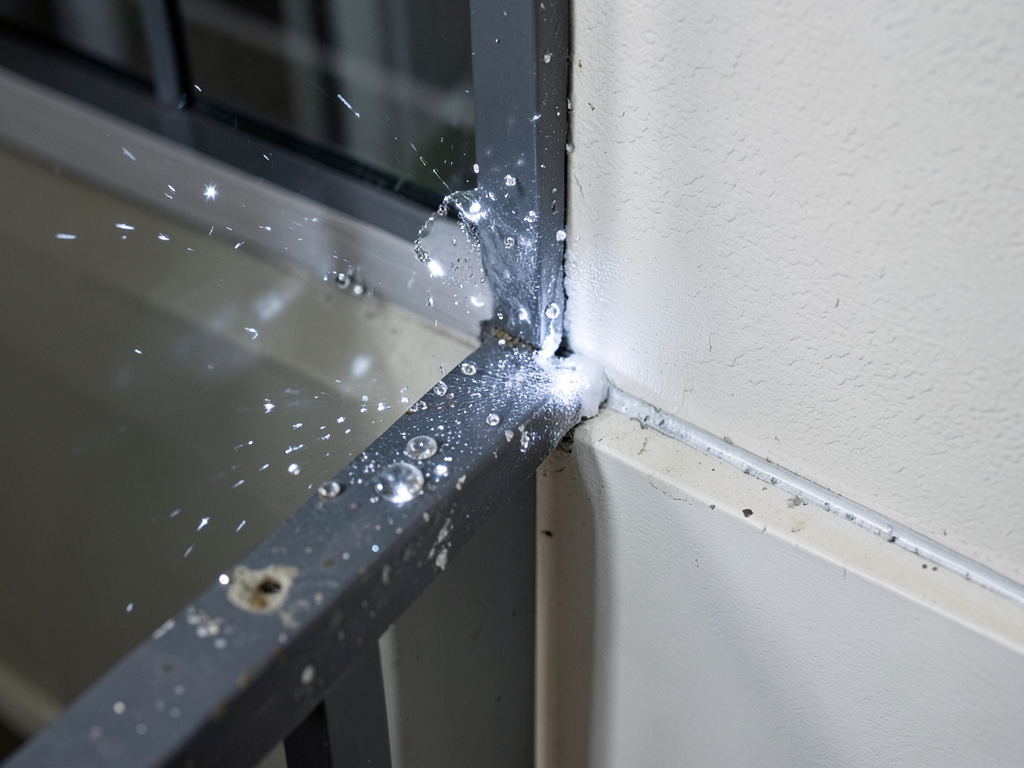
Warning signs that require immediate professional attention
Not all balcony issues are DIY fixes. Some conditions signal serious structural problems requiring professional evaluation within 24-48 hours.
Active water intrusion shows as dripping water or active moisture on ceiling surfaces below. This indicates a breach in the waterproofing system that will worsen rapidly. Cincinnati’s summer thunderstorms can dump 2-3 inches of rain in an hour, overwhelming compromised systems.
Structural sagging appears as visible depressions or uneven surfaces. This suggests water has compromised the underlying deck structure. A properly installed balcony should maintain its plane even when holding water temporarily.
Membrane delamination feels like loose or shifting sections when walked on. This separation allows water to penetrate beneath the surface, causing damage you can’t see from above.
According to NRCA guidelines, any balcony showing these signs should be isolated from foot traffic and inspected by a certified roofing contractor within 24 hours. NRCA guidelines.
Mount Lookout’s specific challenges for flat roof balconies
Mount Lookout’s location creates unique stress factors for flat roof balconies. The neighborhood sits on a ridge with variable elevations, meaning some homes face different drainage challenges than others. Homes near Ault Park often deal with heavy tree debris from mature oaks and maples that can clog drainage systems.
The area’s historic nature means many balconies were built before modern waterproofing standards. Homes constructed before the 1980s often lack the ice and water shield protection now required by building codes. Cincinnati’s freeze-thaw cycles cause expansion and contraction that these older systems weren’t designed to handle.
Local soil conditions also play a role. Mount Lookout’s clay-heavy soil expands when wet and contracts when dry, causing foundation movement that can stress balcony connections. This movement often manifests as separated flashing or cracked sealant joints.
Preventative maintenance schedule for Cincinnati homeowners
Regular maintenance prevents most balcony failures. Cincinnati’s climate demands seasonal attention to different issues throughout the year.
Spring maintenance focuses on clearing winter debris and checking for freeze-thaw damage. Remove leaves, twigs, and sediment that accumulated over winter. Check flashing for separation caused by ice expansion.
Summer maintenance addresses UV damage and thermal expansion. Check for membrane shrinkage or cracking. Cincinnati’s summer heat can exceed 90°F, causing materials to expand significantly.
Fall maintenance prepares for heavy rains and falling leaves. Clean gutters and downspouts thoroughly. Install leaf guards if needed. Check that all drainage paths are clear before winter.
Winter maintenance manages snow and ice. Never use sharp tools to remove ice – this damages membranes. If snow accumulation exceeds 6 inches, consider professional removal to prevent structural overloading.
Annual professional inspections can extend your balcony’s life by 5-10 years, according to industry data. These inspections catch problems while they’re still minor and prevent costly water damage to your home’s interior.
DIY repairs vs. professional service
Homeowners can handle basic maintenance but should know their limits. Simple tasks like clearing debris and checking for obvious damage are safe DIY activities. However, repairs involving membrane patching, flashing replacement, or structural work require professional expertise. Reliable Flat Roof Repair Services for Over-the-Rhine Business Owners.
DIY caulking often fails because homeowners use the wrong materials or application techniques. Professional-grade sealants cost more but last years longer. Improper repairs can void warranties and trap water rather than shed it. Roof Repair Services.
Safety considerations matter too. Working on elevated surfaces carries fall risks. Professional contractors have proper safety equipment and insurance coverage for these hazards.
Cost factors for professional repairs vary widely based on damage extent and material type. A simple sealant repair might cost $200-400, while membrane replacement can exceed $5,000. Early detection through regular inspections keeps costs minimal.
Frequently Asked Questions
How often should I inspect my flat roof balcony?
Inspect after every heavy rain event and conduct thorough seasonal inspections four times per year. Cincinnati’s weather patterns make frequent checks essential for preventing water damage.
What’s considered “heavy rain” in Cincinnati?
Any rainfall exceeding half an inch per hour or totaling more than one inch in a single event qualifies as heavy rain in our region. These conditions test drainage systems and often reveal problems.
Can I pressure wash my flat roof balcony?
Never use pressure washing on flat roof membranes. High-pressure water can force moisture beneath the surface and damage protective coatings. Use gentle cleaning methods only.
How long should water remain on my balcony after rain?
Water should drain completely within 24-48 hours according to Cincinnati building codes. Standing water beyond this timeframe indicates drainage problems requiring attention.
What’s the average cost of professional balcony inspection?
Professional inspections typically cost $150-300 in the Cincinnati area. This investment often prevents thousands in water damage repairs by catching problems early.
Does homeowner’s insurance cover balcony water damage?
Coverage depends on the cause. Sudden damage from storms is usually covered, but gradual deterioration from poor maintenance typically isn’t. Regular inspections provide documentation for insurance claims.
Mount Lookout’s flat roof balconies add valuable outdoor living space but require vigilant maintenance. Cincinnati’s climate – with its heavy rains, freeze-thaw cycles, and high humidity – creates constant stress on these structures. By following this inspection guide and addressing problems early, you can prevent the water damage that plagues so many local homes.
Don’t wait for water to stain your ceiling or for your membrane to fail completely. A small investment in regular inspections and timely repairs protects your home’s value and prevents the stress of emergency water damage situations. Your balcony should enhance your home’s enjoyment, not become a source of worry. Who to Call for 24-Hour Emergency Roof Leak Repair in Cincinnati.
Call (513) 223-5511 today to schedule your professional flat roof balcony inspection before the next heavy rain hits Mount Lookout.
Pick up the phone and call (513) 223-5511 before the next storm hits. Our local experts understand Mount Lookout’s specific challenges and can identify problems before they cause costly damage to your home.