
Choosing the Right Roof for Your New Covered Porch or Patio in Mariemont
Building a covered porch or patio in Mariemont requires careful planning to handle Cincinnati’s humid summers and heavy winter snow. You need roofing materials that resist moisture damage while matching your home’s architectural style. This guide walks you through the best options for your outdoor living space. Mariemont Village Information.
Ohio’s climate creates unique challenges for patio roofing. High humidity causes mold growth on organic materials while freeze-thaw cycles can crack rigid panels. Hamilton County building codes require specific snow load ratings that differ from national averages. Your porch roof must support at least 30 pounds per square foot of snow weight. Hamilton County Building Department.
Material selection affects both durability and energy efficiency. Dark shingles absorb heat during Cincinnati’s hot summers, raising cooling costs by up to 15%. Lighter colors and reflective coatings can reduce heat gain significantly. The right choice depends on your home’s orientation, surrounding trees, and how you plan to use the space. Cincinnati Emergency Management.
Before construction begins, you must obtain a permit from the Hamilton County Building Department. They review structural plans to ensure your porch meets local wind resistance requirements of 90 mph. The permit process typically takes 2-3 weeks and costs between $150-300 depending on project size.
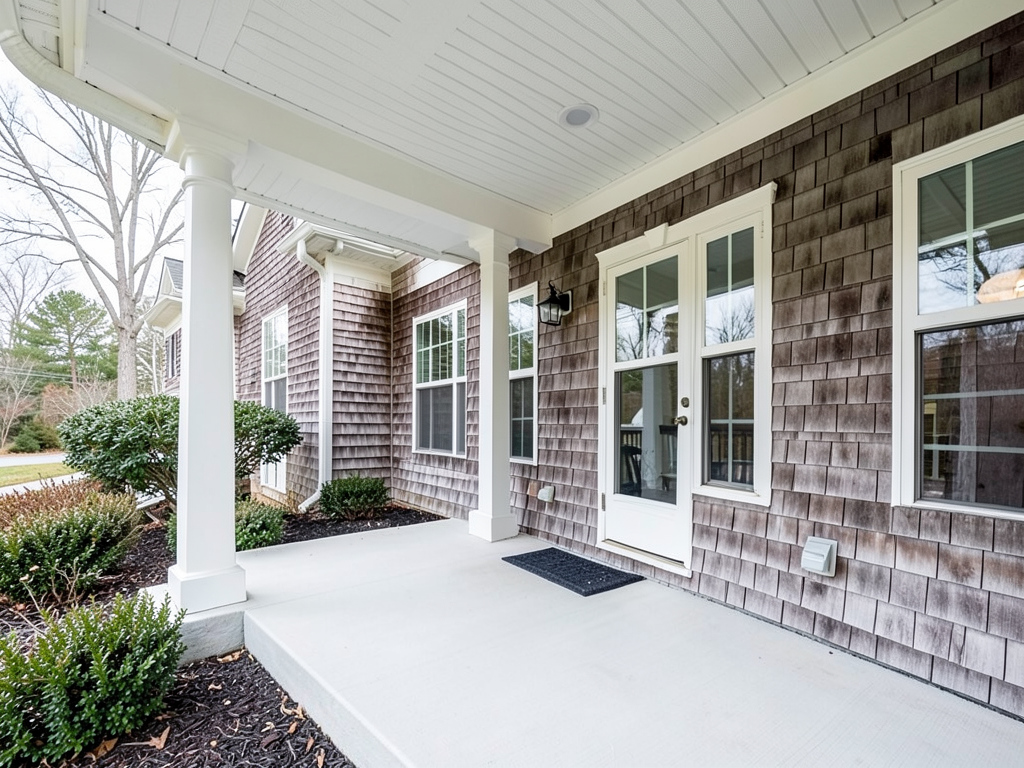
Popular Patio Roofing Materials: Pros, Cons, and Costs
Three main material categories dominate the Cincinnati market. Each offers different benefits for Mariemont’s historic homes and modern builds. Your choice affects installation time, maintenance needs, and long-term durability. How to Get Your Cincinnati Roof Replaced After a Major Hail Storm.
Asphalt Shingle Roofing (Matching Your Main Home)
Shingles provide the most seamless look when your porch roof matches your house. This option costs $4-7 per square foot installed. Standard architectural shingles last 20-25 years in Cincinnati’s climate while premium designer shingles extend to 30 years.. Read more about Comparing Luxury Shingles vs Standard Architectural Shingles for High-End Homes.
Installation requires proper underlayment and ice shield in valleys where snow accumulates. The weight ranges from 200-400 pounds per square depending on shingle thickness. Most Mariemont homes built after 1970 can support this weight without structural reinforcement.
Maintenance involves annual inspections for loose or missing shingles. Cincinnati’s high winds can lift edges, allowing water infiltration. Repairs typically cost $150-300 per damaged section. Reliable Flat Roof Repair Services for Over-the-Rhine Business Owners.
Metal Roofing (Standing Seam vs. Corrugated)
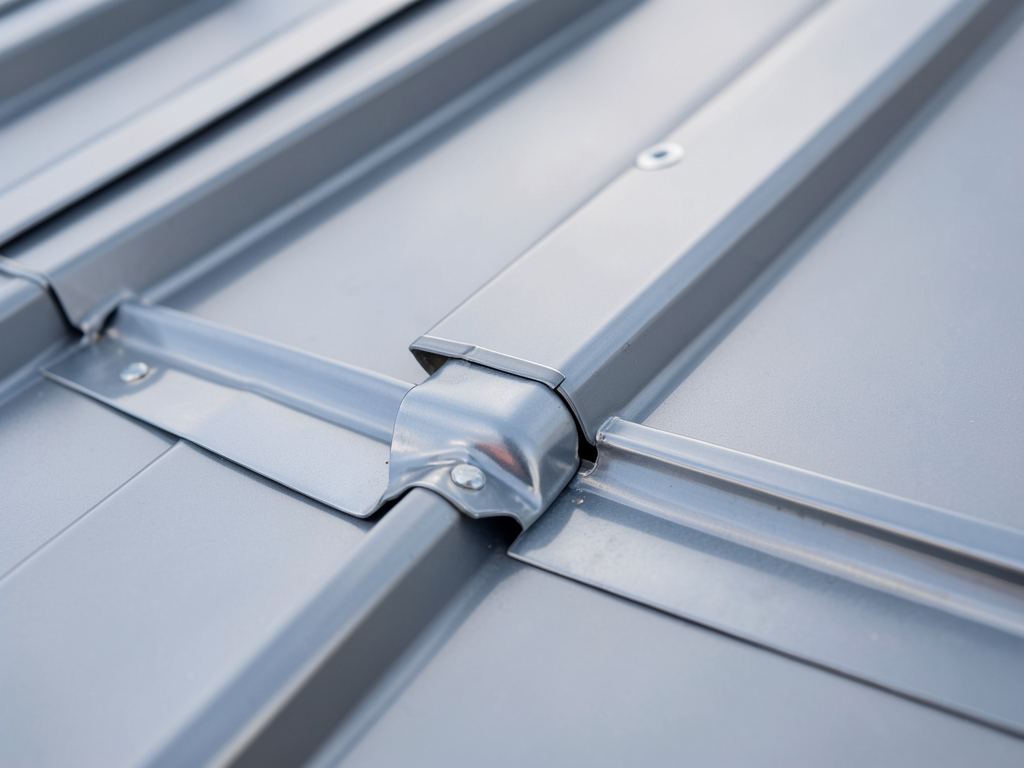
Metal roofs offer superior durability with 40-60 year lifespans. Standing seam panels interlock to prevent water penetration while corrugated panels provide a more economical option at $6-10 per square foot. Both handle Cincinnati’s snow loads effectively. Is Metal Roofing Worth the Investment for Your Anderson Township Home?.
Heat reflection reduces cooling costs by 20-25% compared to dark shingles. The smooth surface allows snow to slide off rather than accumulate. This prevents ice dam formation that damages eaves and gutters.
Installation requires special clips and underlayment to accommodate thermal expansion. Metal panels expand up to 1/4 inch per 10 feet when temperatures rise from winter lows to summer highs. Professional installation prevents buckling and noise issues.
Polycarbonate and Translucent Panels
Clear or tinted panels allow natural light while blocking harmful UV rays. Multi-wall polycarbonate provides better insulation than single-layer panels. Costs range from $8-15 per square foot installed.
These panels withstand Cincinnati’s freeze-thaw cycles without cracking. The hollow structure provides some insulation while remaining lightweight at only 15-25 pounds per square foot. Most existing structures can support this weight without modification.
Cleaning requires mild soap and soft brushes. Avoid pressure washing which can damage the surface. These panels typically last 15-20 years before yellowing or becoming brittle.
Louvered Roof Systems (Adjustable Comfort)
Motorized louvers let you control sunlight and rain exposure with a button. These premium systems cost $15-25 per square foot installed. Aluminum construction resists Cincinnati’s humidity without rusting or warping.
Integrated gutters channel rainwater away from your patio. Wind sensors automatically close louvers during storms. The adjustable design lets you enjoy your porch in various weather conditions.
Electrical requirements include dedicated circuits for motors and sensors. Installation typically takes 2-3 days compared to 1 day for fixed roofing systems.
Comparison Table: Durability, Price, and Maintenance
| Material Type | Cost per Sq Ft | Lifespan (Years) | Maintenance Frequency | Snow Load Capacity |
|---|---|---|---|---|
| Asphalt Shingles | $4-7 | 20-25 | Annual | 30+ lbs |
| Standing Seam Metal | $8-12 | 40-60 | Every 2-3 years | 30+ lbs |
| Polycarbonate Panels | $8-15 | 15-20 | Semi-annual | 20-25 lbs |
| Louvered Systems | $15-25 | 20-25 | Annual mechanical | 30+ lbs |
Essential Features for Ohio Patios (Gutters, Snow Loads, and Pitch)
Proper roof pitch prevents water pooling and snow accumulation. Cincinnati building codes require minimum 2:12 pitch for asphalt shingles and 1:12 for metal roofing. Steeper pitches shed water and snow more effectively.
Gutter systems must handle Ohio’s heavy rainfall. A typical Cincinnati storm drops 1-2 inches of rain in an hour. Your porch gutters need 5-inch capacity minimum, with 6-inch recommended for larger structures.
Ice barriers prevent water backup under shingles. Hamilton County requires self-adhering ice and water shield extending 24 inches beyond interior walls in heated spaces. This protects against ice dam formation common in Cincinnati winters.
Downspout placement affects drainage effectiveness. Position downspouts at corners and mid-span points. Connect to underground drains that carry water at least 10 feet from your foundation. This prevents basement moisture issues common in Mariemont’s clay soil.
Do You Need a Permit for a Patio Cover in Cincinnati?
Hamilton County requires permits for all covered structures attached to homes. The process starts with submitting detailed plans showing dimensions, materials, and attachment methods. Plans must include snow load calculations and wind resistance specifications.
Inspections occur at different construction phases. Footing inspections verify proper depth and reinforcement before concrete pouring. Rough framing inspections check structural integrity. Final inspections confirm code compliance before use.
Permit costs depend on project valuation. A typical $10,000 porch cover costs approximately $250 in permit fees. Additional fees apply for electrical work, which requires separate permits and inspections.
Working without permits risks fines up to $1,000 and requires costly retrofits to meet current codes. Insurance companies may deny claims for unpermitted structures damaged by storms or other events.
Conclusion: How to Choose the Right Specialist
Selecting the right contractor determines your patio’s longevity and performance. Look for Ohio roofing license verification and Hamilton County permit experience. Ask for references from Mariemont homeowners with similar projects.
Professional installation prevents common failures like improper flashing, inadequate underlayment, or incorrect fastener spacing. These mistakes cause leaks that damage your home’s interior and require expensive repairs. Roof Repair Services.
Quality contractors provide detailed written estimates showing materials, timelines, and warranty terms. They explain how their recommendations address Cincinnati’s specific climate challenges. Avoid contractors who skip permit requirements or use substandard materials.
Call (513) 223-5511 today to schedule your inspection. Our team understands Mariemont’s architectural styles and Hamilton County building requirements. We’ll help you choose the perfect roofing solution for your new covered porch or patio.
Frequently Asked Questions
How long does patio roof installation take?
Most installations complete in 1-3 days depending on material choice and weather conditions. Metal and polycarbonate systems install faster than complex louvered designs. Signs You Need a New Roof.
Can I install a patio roof myself?
DIY installation risks code violations, structural failures, and voided warranties. Professional installation ensures proper attachment, weatherproofing, and permit compliance.
What’s the best roofing material for Cincinnati weather?
Metal roofing offers the best durability and energy efficiency for Cincinnati’s climate. It handles snow loads, resists moisture damage, and reflects summer heat.
You may also find this helpful. Everything You Need to Know About Reflective Roofing for Greater Cincinnati Summers.
You may also find this helpful. The Surprising Benefits of Installing a Cool Roof in Pleasant Ridge.
{
“@context”: “https://schema.org”,
“@type”: “BlogPosting”,
“headline”: “Choosing the Right Roof for Your New Covered Porch or Patio in Mariemont”,
“description”: “Discover the best roofing options for your Mariemont porch or patio. Learn about materials, permits, and local building requirements for Cincinnati’s climate.”,
“wordCount”: 1244,
“datePublished”: “2026-03-23T11:09:00.000Z”,
“dateModified”: “2026-03-23T11:09:00.000Z”,
“inLanguage”: “en-US”,
“mainEntityOfPage”: {
“@type”: “WebPage”,
“@id”: “https://firstchoiceroofingcincinnati.com”
},
“publisher”: {
“@type”: “LocalBusiness”,
“name”: “First Choice Roofing Cincinnati”,
“url”: “https://firstchoiceroofingcincinnati.com”
},
“author”: {
“@type”: “Organization”,
“name”: “First Choice Roofing Cincinnati”,
“url”: “https://firstchoiceroofingcincinnati.com”
},
“image”: {
“@type”: “ImageObject”,
“url”: “https://firstchoiceroofingcincinnati.com/wp-content/uploads/2026/03/choosing-the-right-roof-for-your-new-covered-porch-1.png”
}
}
{
“@context”: “https://schema.org”,
“@type”: “RoofingContractor”,
“name”: “First Choice Roofing Cincinnati”,
“url”: “https://firstchoiceroofingcincinnati.com”,
“address”: {
“@type”: “PostalAddress”,
“addressLocality”: “Cincinnati”
},
“areaServed”: {
“@type”: “City”,
“name”: “Cincinnati”
}
}
{
“@context”: “https://schema.org”,
“@type”: “FAQPage”,
“mainEntity”: [
{
“@type”: “Question”,
“name”: “Do You Need a Permit for a Patio Cover in Cincinnati?”,
“acceptedAnswer”: {
“@type”: “Answer”,
“text”: “Hamilton County requires permits for all covered structures attached to homes. The process starts with submitting detailed plans showing dimensions, materials, and attachment methods. Plans must include snow load calculations and wind resistance specifications.”
}
},
{
“@type”: “Question”,
“name”: “How long does patio roof installation take?”,
“acceptedAnswer”: {
“@type”: “Answer”,
“text”: “Most installations complete in 1-3 days depending on material choice and weather conditions. Metal and polycarbonate systems install faster than complex louvered designs. Signs You Need a New Roof.”
}
},
{
“@type”: “Question”,
“name”: “Can I install a patio roof myself?”,
“acceptedAnswer”: {
“@type”: “Answer”,
“text”: “DIY installation risks code violations, structural failures, and voided warranties. Professional installation ensures proper attachment, weatherproofing, and permit compliance.”
}
},
{
“@type”: “Question”,
“name”: “What’s the best roofing material for Cincinnati weather?”,
“acceptedAnswer”: {
“@type”: “Answer”,
“text”: “Metal roofing offers the best durability and energy efficiency for Cincinnati’s climate. It handles snow loads, resists moisture damage, and reflects summer heat.”
}
}
]
}
{
“@context”: “https://schema.org”,
“@type”: “BreadcrumbList”,
“itemListElement”: [
{
“@type”: “ListItem”,
“position”: 1,
“name”: “Home”,
“item”: “https://firstchoiceroofingcincinnati.com”
},
{
“@type”: “ListItem”,
“position”: 2,
“name”: “Blog”,
“item”: “https://firstchoiceroofingcincinnati.com/blog”
},
{
“@type”: “ListItem”,
“position”: 3,
“name”: “Choosing the Right Roof for Your New Covered Porch or Patio in Mariemont”
}
]
}
{
“@context”: “https://schema.org”,
“@type”: “Service”,
“serviceType”: “Roofing”,
“provider”: {
“@type”: “LocalBusiness”,
“name”: “First Choice Roofing Cincinnati”,
“url”: “https://firstchoiceroofingcincinnati.com”
},
“areaServed”: {
“@type”: “City”,
“name”: “Cincinnati”
},
“description”: “Discover the best roofing options for your Mariemont porch or patio. Learn about materials, permits, and local building requirements for Cincinnati’s climate.”
}