
Common Reasons Why Your Roof Leaks Around the Chimney Flashing
A roof leak around your chimney is more than just an annoyance. It is a sign of a specific failure in the roof-to-masonry connection. In Cincinnati’s climate, where freeze-thaw cycles and heavy spring storms are the norm, these leaks can develop quickly and cause significant damage to your home’s structure. Understanding the common causes is the first step to stopping the water intrusion. How to Get Your Cincinnati Roof Replaced After a Major Hail Storm.
Chimney flashing is the thin metal material that bridges the gap between your roof and the chimney. It is designed to direct water away from the joint. When it fails, water finds a way in. The most common culprits are age, improper installation, and the extreme weather conditions we experience in the Ohio Valley. Ohio Residential Code Chapter 9.
How to Identify a Chimney Leak Problem
Before you can fix a leak, you need to know you have one. Water stains on your ceiling near the chimney are the most obvious sign. You might also notice damp spots on the walls, a musty smell in your living room, or even visible dripping during a rainstorm. Sometimes the first sign is damage to the firebox or a musty odor when the fireplace is not in use.
A professional inspection will look for specific symptoms. We check for cracked or missing mortar joints on the chimney itself, which can allow water to seep in. We also inspect the flashing for rust, gaps, or areas where the sealant has failed. In older Cincinnati homes, especially those in neighborhoods like Hyde Park or Oakley, the flashing may be original and simply worn out from decades of service.
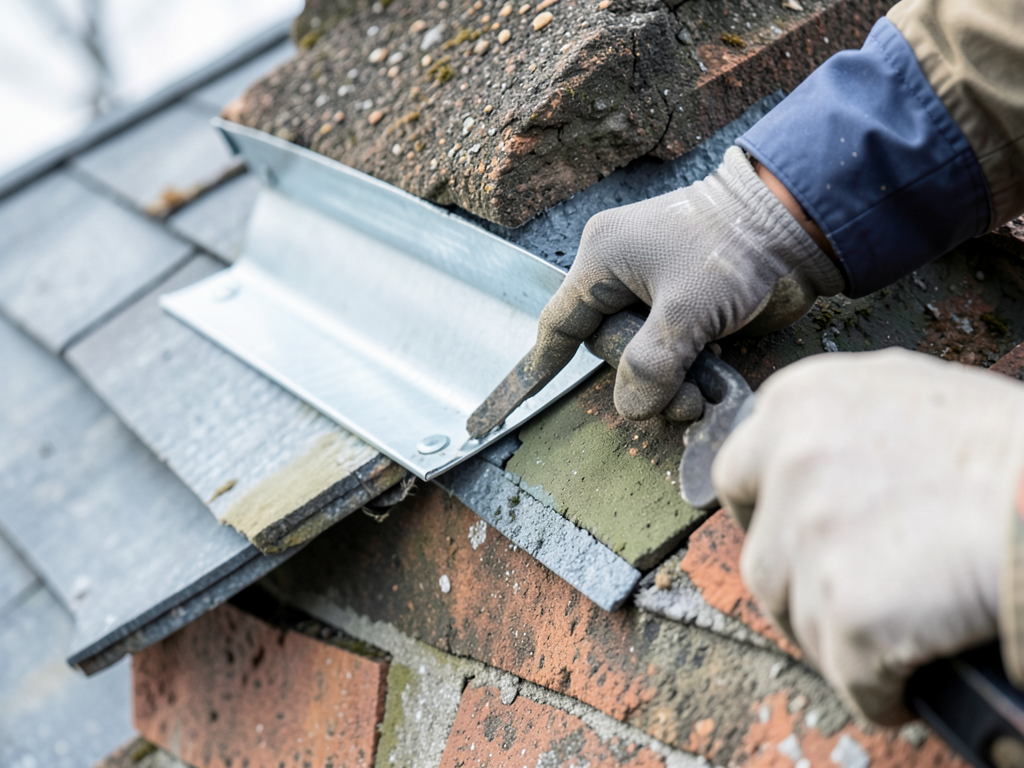
Top Causes of Chimney Leaks in Cincinnati Homes
Understanding why your chimney leaks is critical for a lasting repair. Here are the most common reasons we find during our inspections in the Greater Cincinnati area. EPA Mold and Moisture Control.
1. Failed or Improperly Installed Flashing
Flashing is the primary defense against water intrusion at the chimney. It comes in several parts: step flashing along the sides of the chimney, counter-flashing embedded in the mortar, and a base flashing layer under the shingles. If any of these components are missing, rusted, or poorly sealed, water will enter. In Cincinnati, the freeze-thaw cycle causes metal flashing to expand and contract, which can loosen nails and break sealant over time. Is Metal Roofing Worth the Investment for Your Anderson Township Home?.
2. Cracked Chimney Crown
The chimney crown is the concrete or mortar slab at the very top of your chimney. Its job is to shed water off the top and prevent it from entering the flue. Small cracks in the crown, often caused by freeze-thaw damage, can quickly become large fissures. Water that gets into these cracks will freeze, expand, and make the cracks worse. This is a common problem in Cincinnati due to our harsh winters.
3. Missing or Damaged Chimney Cap
A chimney cap is a metal or stone cover that sits on top of the flue. It keeps rain, snow, and animals out. Without a cap, water can pour directly down your chimney and into your home. It also prevents leaves and debris from clogging the flue, which can lead to water backup. Many older Cincinnati homes, particularly in historic districts like Over-the-Rhine, may not have a cap installed.
4. Deteriorated Mortar Joints
The mortar between the bricks on your chimney is not as strong as the bricks themselves. Over time, especially with Cincinnati’s high humidity and freeze-thaw cycles, the mortar can crumble and fall out. This creates a porous surface that absorbs water. During a freeze, this water expands and causes the mortar to spall, or flake away. This process, known as tuckpointing failure, is a major source of chimney leaks.
5. Lack of a Chimney Cricket
A cricket is a small, peaked structure installed on the uphill side of a chimney to divert water and snow around it. If your chimney is wide or your roof has a steep pitch, a cricket is essential. Without one, water and debris can build up behind the chimney, leading to accelerated flashing failure and leaks. This is especially important on the steep roofs common in many Cincinnati suburbs.
Our Chimney Leak Inspection and Repair Process
When you call us for a chimney leak, we follow a systematic process to find and fix the problem. Our goal is not just to patch the leak, but to address the root cause so it does not happen again.
Step 1: Detailed Inspection
We start with a thorough inspection, both from the ground and, if necessary, with a drone. We look for visible signs of damage, such as rusted flashing, cracked crowns, or missing mortar. We also check the interior of your home for water stains and moisture. This inspection helps us determine if the problem is with the roofing, the masonry, or both.
Step 2: Moisture Detection
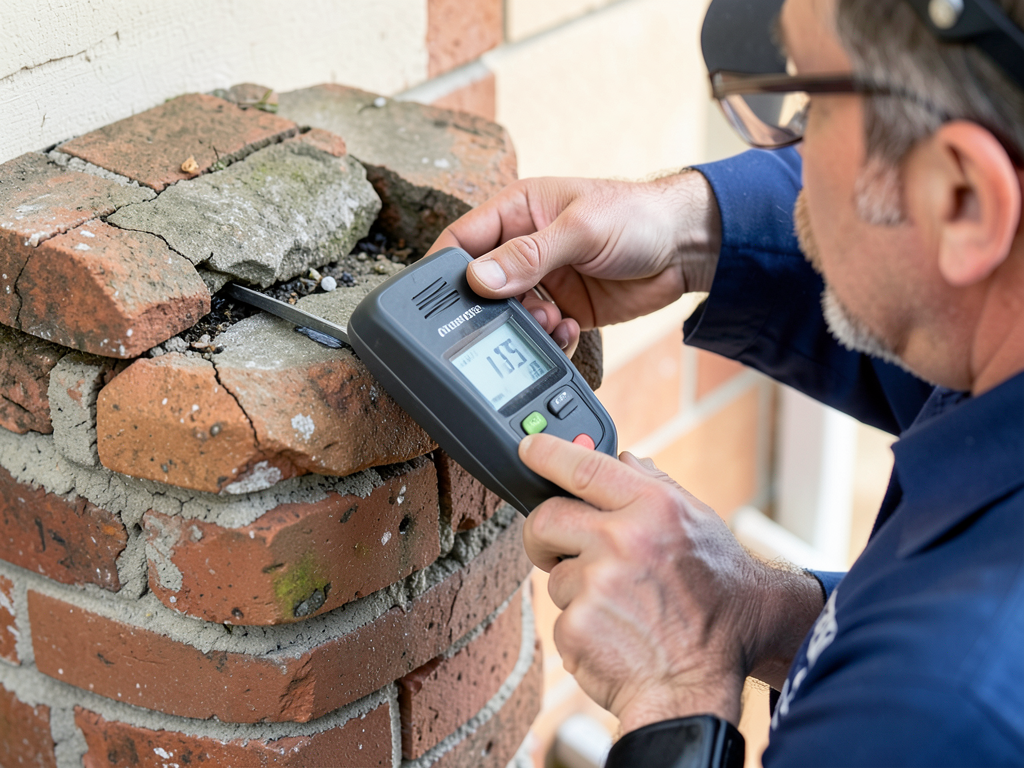
Using specialized moisture meters, we can detect water that is not visible to the naked eye. This helps us find the full extent of the damage, which may extend beyond the immediate leak area. In Cincinnati, where high humidity can mask moisture problems, this step is critical.
Step 3: Repair Recommendation
Based on our findings, we provide a clear, written recommendation. This might include replacing the flashing, repairing the chimney crown, installing a new cap, or performing tuckpointing. We explain the problem in plain language and outline the repair process so you know exactly what to expect. Reliable Flat Roof Repair Services for Over-the-Rhine Business Owners.
Step 4: Professional Repair
Our technicians are trained in both roofing and basic masonry, which is essential for chimney work. We use high-quality, weather-resistant materials designed for Cincinnati’s climate. All flashing is installed to meet or exceed Ohio Residential Code requirements for ice barrier and flashing installation. We ensure every repair is watertight and built to last. Roof Repair Services.
Step 5: Final Inspection and Cleanup
After the repair is complete, we perform a final inspection to ensure the leak is sealed. We also clean up the work area, leaving your property in better condition than we found it. Our goal is to provide a repair that gives you peace of mind, knowing your home is protected from future water damage.
Why Professional Chimney Leak Repair is Essential
Chimney leaks are not a DIY project. They require an understanding of both roofing and masonry systems. A small leak can quickly lead to major problems like rotted roof decking, mold growth, and damaged interior walls. In Cincinnati, where many homes have historic brick chimneys, improper repairs can actually make the problem worse.
Professional repair ensures the job is done right the first time. We understand the specific challenges of Cincinnati’s climate and building styles. We also offer warranties on our work, so you are protected if a problem arises later. Most importantly, we can identify and fix the root cause of the leak, not just the symptom.
Common Chimney Leak Questions from Cincinnati Homeowners
How do I know if my chimney leak is an emergency?
If you see active dripping, large water stains, or if the leak is causing electrical issues, it is an emergency. Call us immediately at (513) 223-5511. We offer 24/7 emergency service for situations like this. Who to Call for 24-Hour Emergency Roof Leak Repair in Cincinnati.
Can I just seal the leak with caulk?
Caulking a chimney leak is a temporary fix at best. It does not address the underlying cause, such as failed flashing or a cracked crown. In fact, the wrong type of caulk can trap moisture and make the problem worse. A professional repair is the only way to ensure a long-term solution.
How much does chimney leak repair cost?
The cost varies depending on the extent of the damage. A simple flashing repair might be a few hundred dollars, while a full crown replacement could be more. We provide a free, no-obligation estimate after our inspection so you know the exact cost before any work begins.
Will my homeowner’s insurance cover the repair?
Most standard policies cover sudden, accidental damage from events like storms. However, they typically do not cover damage from neglect or lack of maintenance. If your leak is due to a recent storm, it is worth filing a claim. We can help you understand the process and provide the documentation your insurance company needs.
Protect Your Cincinnati Home from Chimney Leaks
Chimney leaks are a common problem in Cincinnati, but they do not have to be a persistent one. By understanding the causes and getting a professional inspection, you can stop the water intrusion and protect your home. Do not wait for a small leak to turn into a major repair. The freeze-thaw cycles and heavy rains we experience in the Ohio Valley will only make the problem worse over time.
If you are seeing signs of a chimney leak, do not ignore them. Call the experts at First Choice Roofing Cincinnati at (513) 223-5511 today to schedule your free inspection. We will diagnose the problem, explain your options, and provide a repair that lasts. Pick up the phone and call (513) 223-5511 before the next storm hits.
Frequently Asked Questions
How long does chimney leak repair take?
Most chimney leak repairs can be completed in one day. More extensive repairs, like a full crown replacement, might take two to three days. We will give you a clear timeline after our initial inspection.
Is chimney tuckpointing part of leak repair?
Yes, if we find deteriorated mortar joints during our inspection, tuckpointing is often a necessary part of the repair. It seals the masonry and prevents future water intrusion.
Do you offer warranties on chimney repairs?
Yes, we offer warranties on both materials and workmanship for all our chimney repairs. The specific terms depend on the type of repair, and we will review them with you before starting any work.
What areas do you serve in Cincinnati?
We serve the entire Greater Cincinnati area, including downtown, Hyde Park, Oakley, Mount Lookout, Anderson Township, and surrounding communities in Hamilton County and Northern Kentucky.
Can you repair a historic chimney?
Absolutely. We have experience working on historic homes in Cincinnati, including those in the Over-the-Rhine and Columbia-Tusculum districts. We use materials and techniques that preserve the character of your home while ensuring it is watertight.
What is the difference between step flashing and counter-flashing?
Step flashing is installed in layers with the shingles along the sides of the chimney. Counter-flashing is embedded into the chimney’s mortar joints and folds down over the step flashing to create a double layer of protection. Both are necessary for a proper seal.
How can I prevent future chimney leaks?
Regular maintenance is key. Have your chimney inspected annually, especially after severe weather. Keep the crown and cap in good repair, and address any mortar deterioration promptly. We also recommend applying a breathable masonry sealant every few years to protect against water absorption.
{
“@context”: “https://schema.org”,
“@type”: “BlogPosting”,
“headline”: “Common Reasons Why Your Roof Leaks Around the Chimney Flashing”,
“description”: “Chimney leaks are a common Cincinnati problem. Learn the top causes of roof leaks around chimney flashing and how our local experts diagnose and fix them.”,
“wordCount”: 1852,
“datePublished”: “2026-03-13T12:03:00.000Z”,
“dateModified”: “2026-03-13T12:03:00.000Z”,
“inLanguage”: “en-US”,
“mainEntityOfPage”: {
“@type”: “WebPage”,
“@id”: “https://firstchoiceroofingcincinnati.com”
},
“publisher”: {
“@type”: “LocalBusiness”,
“name”: “First Choice Roofing Cincinnati”,
“url”: “https://firstchoiceroofingcincinnati.com”
},
“author”: {
“@type”: “Organization”,
“name”: “First Choice Roofing Cincinnati”,
“url”: “https://firstchoiceroofingcincinnati.com”
},
“image”: {
“@type”: “ImageObject”,
“url”: “https://firstchoiceroofingcincinnati.com/wp-content/uploads/2026/03/common-reasons-why-your-roof-leaks-around-the-chim-1.png”
}
}
{
“@context”: “https://schema.org”,
“@type”: “RoofingContractor”,
“name”: “First Choice Roofing Cincinnati”,
“url”: “https://firstchoiceroofingcincinnati.com”,
“address”: {
“@type”: “PostalAddress”,
“addressLocality”: “Cincinnati”
},
“areaServed”: {
“@type”: “City”,
“name”: “Cincinnati”
}
}
{
“@context”: “https://schema.org”,
“@type”: “FAQPage”,
“mainEntity”: [
{
“@type”: “Question”,
“name”: “How do I know if my chimney leak is an emergency?”,
“acceptedAnswer”: {
“@type”: “Answer”,
“text”: “If you see active dripping, large water stains, or if the leak is causing electrical issues, it is an emergency. Call us immediately at (513) 223-5511. We offer 24/7 emergency service for situations like this. Who to Call for 24-Hour Emergency Roof Leak Repair in Cincinnati.”
}
},
{
“@type”: “Question”,
“name”: “Can I just seal the leak with caulk?”,
“acceptedAnswer”: {
“@type”: “Answer”,
“text”: “Caulking a chimney leak is a temporary fix at best. It does not address the underlying cause, such as failed flashing or a cracked crown. In fact, the wrong type of caulk can trap moisture and make the problem worse. A professional repair is the only way to ensure a long-term solution.”
}
},
{
“@type”: “Question”,
“name”: “How much does chimney leak repair cost?”,
“acceptedAnswer”: {
“@type”: “Answer”,
“text”: “The cost varies depending on the extent of the damage. A simple flashing repair might be a few hundred dollars, while a full crown replacement could be more. We provide a free, no-obligation estimate after our inspection so you know the exact cost before any work begins.”
}
},
{
“@type”: “Question”,
“name”: “Will my homeowner’s insurance cover the repair?”,
“acceptedAnswer”: {
“@type”: “Answer”,
“text”: “Most standard policies cover sudden, accidental damage from events like storms. However, they typically do not cover damage from neglect or lack of maintenance. If your leak is due to a recent storm, it is worth filing a claim. We can help you understand the process and provide the documentation your insurance company needs.”
}
},
{
“@type”: “Question”,
“name”: “How long does chimney leak repair take?”,
“acceptedAnswer”: {
“@type”: “Answer”,
“text”: “Most chimney leak repairs can be completed in one day. More extensive repairs, like a full crown replacement, might take two to three days. We will give you a clear timeline after our initial inspection.”
}
},
{
“@type”: “Question”,
“name”: “Is chimney tuckpointing part of leak repair?”,
“acceptedAnswer”: {
“@type”: “Answer”,
“text”: “Yes, if we find deteriorated mortar joints during our inspection, tuckpointing is often a necessary part of the repair. It seals the masonry and prevents future water intrusion.”
}
},
{
“@type”: “Question”,
“name”: “Do you offer warranties on chimney repairs?”,
“acceptedAnswer”: {
“@type”: “Answer”,
“text”: “Yes, we offer warranties on both materials and workmanship for all our chimney repairs. The specific terms depend on the type of repair, and we will review them with you before starting any work.”
}
},
{
“@type”: “Question”,
“name”: “What areas do you serve in Cincinnati?”,
“acceptedAnswer”: {
“@type”: “Answer”,
“text”: “We serve the entire Greater Cincinnati area, including downtown, Hyde Park, Oakley, Mount Lookout, Anderson Township, and surrounding communities in Hamilton County and Northern Kentucky.”
}
},
{
“@type”: “Question”,
“name”: “Can you repair a historic chimney?”,
“acceptedAnswer”: {
“@type”: “Answer”,
“text”: “Absolutely. We have experience working on historic homes in Cincinnati, including those in the Over-the-Rhine and Columbia-Tusculum districts. We use materials and techniques that preserve the character of your home while ensuring it is watertight.”
}
},
{
“@type”: “Question”,
“name”: “What is the difference between step flashing and counter-flashing?”,
“acceptedAnswer”: {
“@type”: “Answer”,
“text”: “Step flashing is installed in layers with the shingles along the sides of the chimney. Counter-flashing is embedded into the chimney’s mortar joints and folds down over the step flashing to create a double layer of protection. Both are necessary for a proper seal.”
}
},
{
“@type”: “Question”,
“name”: “How can I prevent future chimney leaks?”,
“acceptedAnswer”: {
“@type”: “Answer”,
“text”: “Regular maintenance is key. Have your chimney inspected annually, especially after severe weather. Keep the crown and cap in good repair, and address any mortar deterioration promptly. We also recommend applying a breathable masonry sealant every few years to protect against water absorption.”
}
}
]
}
{
“@context”: “https://schema.org”,
“@type”: “BreadcrumbList”,
“itemListElement”: [
{
“@type”: “ListItem”,
“position”: 1,
“name”: “Home”,
“item”: “https://firstchoiceroofingcincinnati.com”
},
{
“@type”: “ListItem”,
“position”: 2,
“name”: “Blog”,
“item”: “https://firstchoiceroofingcincinnati.com/blog”
},
{
“@type”: “ListItem”,
“position”: 3,
“name”: “Common Reasons Why Your Roof Leaks Around the Chimney Flashing”
}
]
}
{
“@context”: “https://schema.org”,
“@type”: “Service”,
“serviceType”: “Roofing”,
“provider”: {
“@type”: “LocalBusiness”,
“name”: “First Choice Roofing Cincinnati”,
“url”: “https://firstchoiceroofingcincinnati.com”
},
“areaServed”: {
“@type”: “City”,
“name”: “Cincinnati”
},
“description”: “Chimney leaks are a common Cincinnati problem. Learn the top causes of roof leaks around chimney flashing and how our local experts diagnose and fix them.”
}