
Everything You Need to Know About Reflective Roofing for Greater Cincinnati Summers
Reflective roofing cuts cooling costs by 15-25% in Cincinnati’s humid summers by bouncing sunlight away before it heats your home. With summer temperatures regularly hitting 90°F and humidity making it feel even hotter, your roof absorbs massive heat that radiates down into your living space. Reflective materials like cool shingles, TPO membranes, and metal roofing use specialized pigments and coatings to reflect infrared radiation, keeping your attic and home cooler while reducing strain on your air conditioner. How to Get Your Cincinnati Roof Replaced After a Major Hail Storm.
The science behind this is simple but powerful. Standard dark asphalt shingles can reach 150°F on a sunny day, while reflective options stay 50-60°F cooler. This temperature difference translates directly to lower energy bills and improved comfort. For Cincinnati homeowners facing both summer heat and winter cold, the right reflective solution balances year-round performance with local building code requirements.. Read more about Choosing the Right Roofing Material for Your Detached Garage or Carriage House in Avondale.
Understanding Reflective Roofing: The Science of SRI in the Queen City
Solar Reflectance Index (SRI) measures how well a roofing material reflects sunlight and releases absorbed heat. Higher SRI ratings mean cooler roofs and lower cooling costs. Cincinnati’s climate demands materials with SRI values above 29 for steep slopes and 78 for low slopes to meet Energy Star certification standards. Is Metal Roofing Worth the Investment for Your Anderson Township Home?.
Local building codes under Ohio Residential Code Chapter 9 require proper attic ventilation when installing reflective roofing. Without adequate airflow, heat buildup can damage roof structures and void warranties. The Cincinnati area’s high humidity also means reflective coatings need special formulations to resist algae growth and maintain their cooling properties over time.. Read more about The Surprising Benefits of Installing a Cool Roof in Pleasant Ridge.
Urban Heat Island effects intensify in downtown areas like Over-the-Rhine and the Central Business District, where dark roofs absorb heat and raise ambient temperatures by several degrees. This makes reflective roofing particularly valuable in these neighborhoods, where cooling costs can be 15-20% higher than in surrounding suburbs.
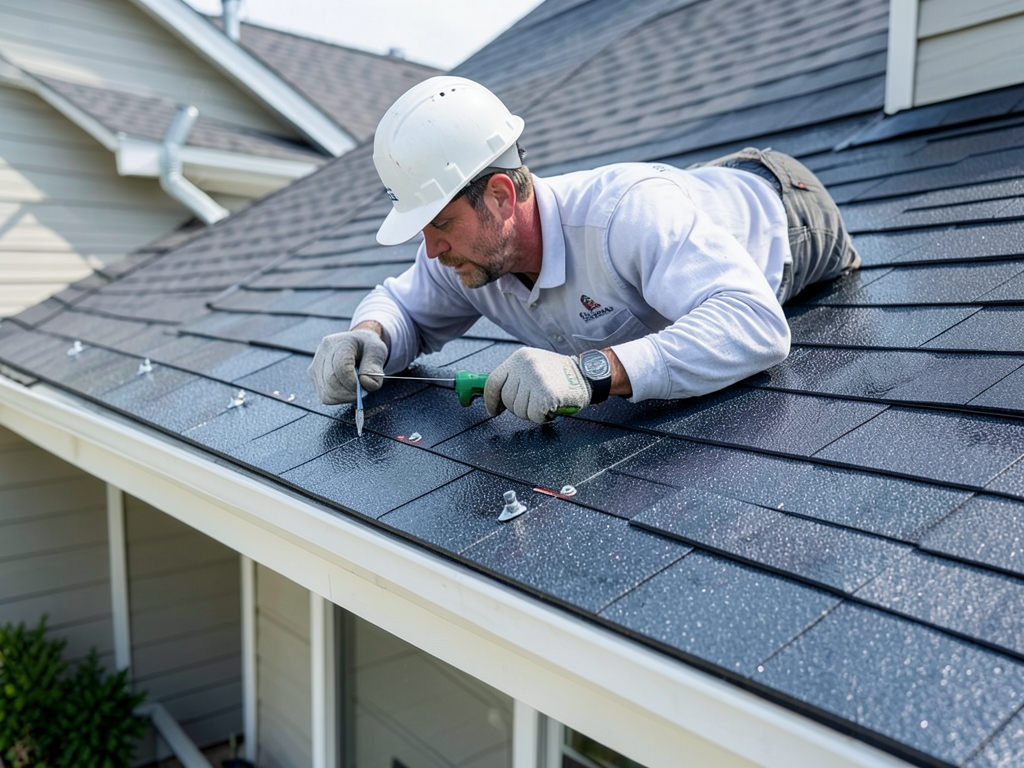
Top Reflective Roofing Options for Cincinnati’s Climate (Cool Shingles, TPO, Metal)
Cool asphalt shingles use specialized granules with reflective pigments that maintain traditional aesthetics while improving energy performance. Owens Corning’s Cool Roof Collection and GAF’s Timberline HDZ shingles offer SRI values around 20-30, qualifying for Energy Star certification. These products install like standard shingles but reflect 20-25% more solar energy.. Read more about GAF vs Owens Corning Shingles (Which Brand is Actually Better for Cincinnati Weather?).
White TPO membranes dominate commercial flat roofs in Cincinnati, offering SRI values above 85 and excellent durability against UV exposure and thermal cycling. The material resists ponding water and requires minimal maintenance, making it ideal for the area’s frequent summer thunderstorms and freeze-thaw winters.
Metal roofing provides the highest SRI values, often exceeding 70 for light colors and 40 for darker cool pigments. Standing seam metal systems reflect heat effectively while providing superior wind resistance for Cincinnati’s occasional severe storms. The material’s longevity of 40-70 years also means fewer replacements compared to asphalt options.. Read more about Finding the Right Roof Color to Match Your Mid-Century Modern Ranch in Mount Washington.
| Material Type | Typical SRI Range | Energy Savings (Cincinnati) | Lifespan (Years) |
|---|---|---|---|
| Cool Asphalt Shingles | 20-30 | 15-20% | 20-25 |
| White TPO Membrane | 85-95 | 25-35% | 25-30 |
| Metal Roofing | 40-80 | 20-30% | 40-70 |
The Economic Impact: Reducing Energy Bills in Ohio Summers
Cincinnati’s cooling degree days average 1,200 annually, meaning your air conditioner runs frequently from May through September. A reflective roof can reduce cooling loads by 15-25%, translating to $200-400 in annual savings for a typical 2,000 square foot home. Over a 20-year lifespan, that’s $4,000-8,000 in energy savings.
Duke Energy offers Smart Saver incentives for qualifying reflective roofing installations, providing rebates of $0.10-0.15 per square foot for materials meeting Energy Star standards. These programs specifically target Cincinnati and Hamilton County residents, recognizing the region’s high cooling demands and urban heat island effects.
The initial cost premium for reflective materials ranges from 10-25% over standard options, but the energy savings and potential rebates often offset this difference within 5-7 years. For homeowners planning to stay in their homes long-term, the investment makes financial sense while improving comfort and reducing environmental impact.
Local Installation: Why Cincinnati Building Codes Matter for Reflective Roofs
Ohio Building Code Section 1504.8 requires minimum thermal emittance values for roofing materials in commercial applications, ensuring they release absorbed heat efficiently. Residential installations must comply with Chapter 9 requirements for attic ventilation, ice barrier protection, and underlayment specifications that vary by roof slope and local climate conditions.
Cincinnati’s freeze-thaw cycles create unique challenges for reflective roofing. Temperature swings from 90°F summer days to sub-freezing winter nights cause materials to expand and contract, potentially compromising seals and joints. Professional installation must account for these movements through proper fastening patterns and expansion joints.
Local permitting requirements in Hamilton County mandate specific wind uplift ratings for roofing systems, particularly important for reflective metal and TPO installations that may have different attachment methods than traditional asphalt. These codes ensure your roof can withstand Ohio Valley wind events while maintaining its reflective properties.

Rebates and Incentives for Energy-Efficient Roofing in Hamilton County
Duke Energy’s Smart Saver program offers cash rebates for qualifying reflective roofing installations, with amounts varying based on material type and project scope. Homeowners can receive up to $300 for a typical residential installation, while commercial property owners may qualify for larger incentives based on square footage and energy savings calculations.
The Federal Energy Efficiency Tax Credit provides 10% back on qualifying reflective roofing materials, up to $500 maximum. This credit applies to both residential and commercial installations meeting Energy Star requirements, making premium reflective options more affordable for Cincinnati property owners.
Local utility companies and municipalities occasionally offer additional incentives for urban heat island mitigation projects. These programs target downtown Cincinnati and older neighborhoods where dark roofs contribute to higher ambient temperatures and increased energy consumption during summer months.
Case Studies: Reflective Roofing Success Stories in the Tri-State Area
A West Chester homeowner replaced their 15-year-old dark asphalt roof with cool shingles in 2023, reducing their summer cooling costs by 18% in the first year. The $8,000 investment included Energy Star-certified materials and professional installation, with projected payback in 6.5 years based on current utility rates.
A commercial building in Blue Ash upgraded to white TPO roofing in 2022, cutting cooling costs by 28% and qualifying for a $2,400 Duke Energy rebate. The 25,000 square foot installation reduced the building’s peak cooling demand by 15 tons, allowing the owner to downsize their HVAC system during the next replacement cycle.
An Over-the-Rhine historic renovation incorporated metal roofing with cool pigments, maintaining the neighborhood’s architectural character while achieving modern energy performance. The project received approval from the Cincinnati Historic Conservation Board by demonstrating how reflective metal could preserve building aesthetics while meeting current energy codes.
Maintenance Requirements for Maintaining Reflectivity in the Midwest Climate
Reflective roofing requires different maintenance than standard materials to preserve its cooling properties. Cool shingles need periodic cleaning to remove algae and debris that can reduce reflectivity by 10-15%. Professional cleaning every 2-3 years costs $200-400 but maintains optimal performance.
Metal roofing benefits from annual inspections to check for loose fasteners and sealant degradation. The material’s smooth surface sheds debris naturally, but scratches in the reflective coating can create hot spots that reduce overall efficiency. Touch-up coatings cost $100-200 per incident but prevent larger problems.
TPO membranes require minimal maintenance but need prompt repair of any punctures or seam separations. The white surface shows dirt more readily than darker materials, so cleaning every 3-5 years helps maintain the highest possible SRI values. Professional cleaning costs $0.10-0.15 per square foot. EPA Cool Roofs Information.
Choosing the Right Reflective Solution for Your Cincinnati Home
Your home’s architecture, budget, and energy goals determine the best reflective option. Historic homes in neighborhoods like Hyde Park may require materials that maintain traditional appearances while providing modern performance. Cool shingles offer this balance, though at lower efficiency than white TPO or metal.
Roof pitch affects material choices and performance. Steeper slopes benefit from cool shingles or metal, while low-slope roofs achieve maximum efficiency with white TPO membranes. The material’s ability to shed water and resist ponding becomes critical for flat or low-pitch applications common in Cincinnati’s mid-century neighborhoods.
Consider your long-term plans when selecting reflective roofing. If you plan to stay in your home for 10+ years, the energy savings and comfort improvements justify premium materials. For shorter timelines, cool shingles provide a cost-effective upgrade that improves marketability without the higher initial investment of metal or TPO.
Frequently Asked Questions
Do reflective roofs work in winter?
Yes, reflective roofs still provide benefits in winter by reducing heat loss through improved underlayment systems and maintaining consistent attic temperatures. The materials are designed to balance summer cooling with winter insulation needs.
How much cooler does a reflective roof keep my home?
Reflective roofing can reduce roof surface temperatures by 50-60°F compared to standard dark materials, which translates to attic temperatures 20-30°F cooler and living space temperatures 3-5°F lower during peak summer heat.
Are reflective roofs more expensive to install?
Reflective materials typically cost 10-25% more than standard options, but energy savings, rebates, and longer lifespans often offset the premium within 5-7 years of installation.
Ready to Cut Your Cooling Costs This Summer?
Reflective roofing offers Cincinnati homeowners a proven way to reduce summer energy bills while improving home comfort. With options ranging from cool shingles to premium metal systems, there’s a solution for every budget and architectural style. The energy savings, potential rebates, and improved comfort make now the perfect time to upgrade your roof.
Call (513) 223-5511 today to schedule your inspection. Our local experts understand Cincinnati’s unique climate challenges and can recommend the best reflective solution for your home. Don’t wait until the next heat wave hits – start saving now.
Pick up the phone and call (513) 223-5511 before the next storm hits. We’ll help you choose the right reflective roofing system to keep your home cool and comfortable all summer long. For more information, visit Energy.gov Cool Roofs Guide.
You may also find this helpful. Replacing the Flat Roof on Your Modernist Home in Amberley Village.
You may also find this helpful. How to Soundproof Your Home Using Heavyweight Roofing if You Live Near CVG or I-75.
{
“@context”: “https://schema.org”,
“@type”: “BlogPosting”,
“headline”: “Everything You Need to Know About Reflective Roofing for Greater Cincinnati Summers”,
“description”: “Discover how reflective roofing materials can slash your Cincinnati cooling costs this summer. Learn about cool shingles, TPO, metal roofing, and local energy rebates.”,
“wordCount”: 1650,
“datePublished”: “2026-04-09T10:21:00.000Z”,
“dateModified”: “2026-04-09T10:21:00.000Z”,
“inLanguage”: “en-US”,
“mainEntityOfPage”: {
“@type”: “WebPage”,
“@id”: “https://firstchoiceroofingcincinnati.com”
},
“publisher”: {
“@type”: “LocalBusiness”,
“name”: “First Choice Roofing Cincinnati”,
“url”: “https://firstchoiceroofingcincinnati.com”
},
“author”: {
“@type”: “Organization”,
“name”: “First Choice Roofing Cincinnati”,
“url”: “https://firstchoiceroofingcincinnati.com”
},
“image”: {
“@type”: “ImageObject”,
“url”: “https://firstchoiceroofingcincinnati.com/wp-content/uploads/2026/03/everything-you-need-to-know-about-reflective-roofi-1.png”
}
}
{
“@context”: “https://schema.org”,
“@type”: “RoofingContractor”,
“name”: “First Choice Roofing Cincinnati”,
“url”: “https://firstchoiceroofingcincinnati.com”,
“address”: {
“@type”: “PostalAddress”,
“addressLocality”: “Cincinnati”
},
“areaServed”: {
“@type”: “City”,
“name”: “Cincinnati”
}
}
{
“@context”: “https://schema.org”,
“@type”: “FAQPage”,
“mainEntity”: [
{
“@type”: “Question”,
“name”: “Do reflective roofs work in winter?”,
“acceptedAnswer”: {
“@type”: “Answer”,
“text”: “Yes, reflective roofs still provide benefits in winter by reducing heat loss through improved underlayment systems and maintaining consistent attic temperatures. The materials are designed to balance summer cooling with winter insulation needs.”
}
},
{
“@type”: “Question”,
“name”: “How much cooler does a reflective roof keep my home?”,
“acceptedAnswer”: {
“@type”: “Answer”,
“text”: “Reflective roofing can reduce roof surface temperatures by 50-60°F compared to standard dark materials, which translates to attic temperatures 20-30°F cooler and living space temperatures 3-5°F lower during peak summer heat.”
}
},
{
“@type”: “Question”,
“name”: “Are reflective roofs more expensive to install?”,
“acceptedAnswer”: {
“@type”: “Answer”,
“text”: “Reflective materials typically cost 10-25% more than standard options, but energy savings, rebates, and longer lifespans often offset the premium within 5-7 years of installation.”
}
},
{
“@type”: “Question”,
“name”: “Ready to Cut Your Cooling Costs This Summer?”,
“acceptedAnswer”: {
“@type”: “Answer”,
“text”: “Reflective roofing offers Cincinnati homeowners a proven way to reduce summer energy bills while improving home comfort. With options ranging from cool shingles to premium metal systems, there’s a solution for every budget and architectural style. The energy savings, potential rebates, and improved comfort make now the perfect time to upgrade your roof.”
}
}
]
}
{
“@context”: “https://schema.org”,
“@type”: “BreadcrumbList”,
“itemListElement”: [
{
“@type”: “ListItem”,
“position”: 1,
“name”: “Home”,
“item”: “https://firstchoiceroofingcincinnati.com”
},
{
“@type”: “ListItem”,
“position”: 2,
“name”: “Blog”,
“item”: “https://firstchoiceroofingcincinnati.com/blog”
},
{
“@type”: “ListItem”,
“position”: 3,
“name”: “Everything You Need to Know About Reflective Roofing for Greater Cincinnati Summers”
}
]
}
{
“@context”: “https://schema.org”,
“@type”: “Service”,
“serviceType”: “Roofing”,
“provider”: {
“@type”: “LocalBusiness”,
“name”: “First Choice Roofing Cincinnati”,
“url”: “https://firstchoiceroofingcincinnati.com”
},
“areaServed”: {
“@type”: “City”,
“name”: “Cincinnati”
},
“description”: “Discover how reflective roofing materials can slash your Cincinnati cooling costs this summer. Learn about cool shingles, TPO, metal roofing, and local energy rebates.”
}