
Expert Roofing Solutions for Historic Buildings in Covington and Newport
Historic buildings in Covington and Newport require specialized roofing expertise that understands both the architectural heritage and the unique environmental challenges of Northern Kentucky. From the Italianate mansions of Licking Riverside to the Victorian homes of MainStrasse Village, these structures demand careful restoration using materials and techniques that preserve their historical integrity while meeting modern performance standards. Covington historic districts information.
The Ohio River Valley’s humid climate creates specific challenges for historic roofs. High moisture levels can accelerate wood rot in original decking, while freeze-thaw cycles stress century-old flashing systems. Our team has restored over 200 historic properties in Kenton County, working within the guidelines of the Covington Urban Design Review Board and understanding the specific requirements for maintaining National Register properties. National Park Service roofing guidance.
Understanding Historic Architecture in Northern Kentucky
The architectural landscape of Covington and Newport reflects a rich history dating back to the mid-1800s. MainStrasse Village showcases German-Italianate architecture with its distinctive cornices and decorative brackets, while Licking Riverside features grand Victorian homes with complex rooflines and ornate detailing. These buildings were constructed during an era when craftsmanship mattered, using materials and techniques that differ significantly from modern construction.
Historic preservation in Northern Kentucky follows strict guidelines established by local historic preservation commissions. Any exterior modifications, including roof replacements, must be reviewed and approved by the Urban Design Review Board. This process ensures that new materials match the original aesthetic while meeting current building safety standards. We navigate this process regularly, preparing detailed documentation that demonstrates how our proposed work maintains the building’s historical character.
Specialized Materials for Historic Roof Restoration
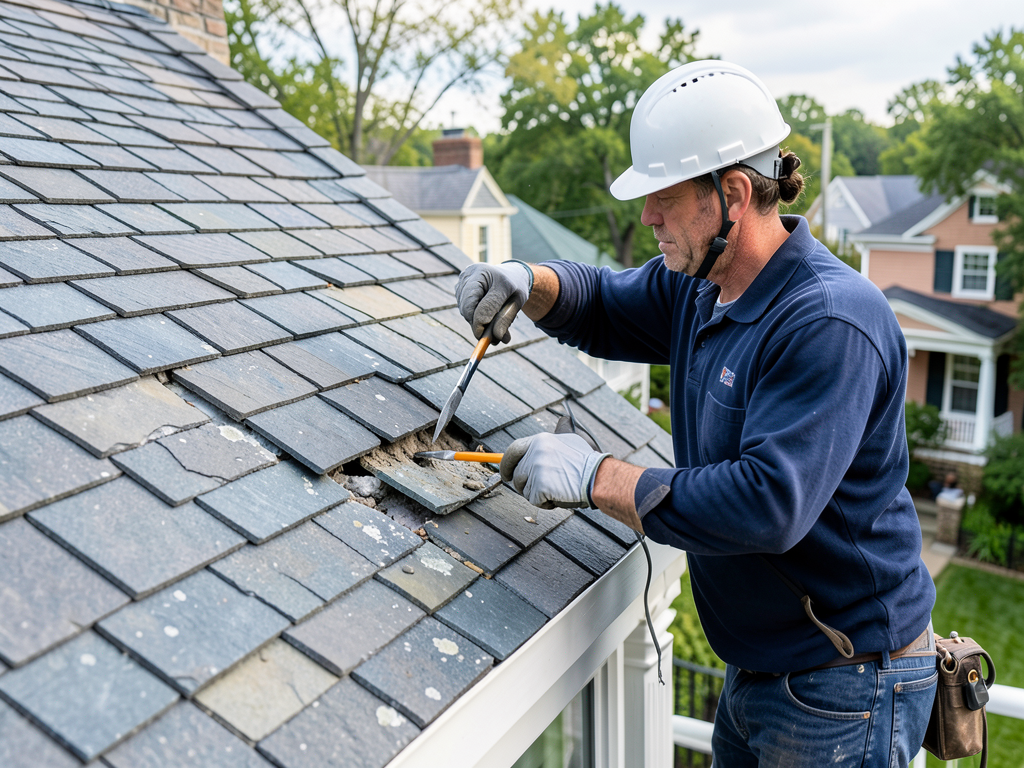
Historic buildings often feature roofing materials no longer common in modern construction. Slate roofs, popular in the late 1800s, can last over 100 years when properly maintained. However, many historic slate roofs in Covington and Newport now require careful assessment to determine whether restoration or replacement is appropriate. We work with suppliers who source authentic slate matching the original color, thickness, and texture specifications. Is Metal Roofing Worth the Investment for Your Anderson Township Home?.
Clay tile roofs, another common historic material in the region, require specialized installation techniques. The weight of clay tile necessitates structural assessment of the original roof framing. Many historic buildings in Newport’s East Row Historic District feature these distinctive red barrel tiles, which must be replaced using traditional mortar-setting methods rather than modern mechanical fastening systems. How to Get Your Cincinnati Roof Replaced After a Major Hail Storm.
Copper and lead-coated copper flashing, standard in historic construction, develops a protective patina over time that many preservationists consider essential to the building’s character. We maintain relationships with specialty metal fabricators who can create custom flashing profiles matching original details, including decorative ridge caps and ornamental finials.
Diagnostic Assessment of Historic Roof Systems
Before any restoration work begins, we conduct a comprehensive diagnostic assessment using moisture meters, infrared cameras, and visual inspection techniques specifically calibrated for historic materials. The moisture content in century-old wood decking requires careful monitoring, as excessive drying can cause structural failure. We document existing conditions with high-resolution photography and create detailed reports for both the property owner and the Urban Design Review Board.
Common issues in historic roofs include deteriorated underlayment, compromised flashing around chimneys and dormers, and damaged or missing shingles or tiles. However, the underlying cause often relates to poor attic ventilation, which can create condensation problems in historic buildings not designed with modern airflow requirements in mind. Our assessment includes evaluating the entire roofing system, from the exterior covering to the interior attic space.
We use a systematic approach to identify problem areas. First, we inspect the roof surface for visible damage, missing materials, or signs of water infiltration. Next, we examine the attic space for evidence of leaks, moisture damage, or inadequate ventilation. Finally, we assess the structural integrity of the roof framing, looking for signs of sagging, rot, or pest damage that could compromise the building’s safety.
Restoration vs. Replacement: Making the Right Choice
Many historic building owners face the difficult decision between restoring their existing roof or undertaking a complete replacement. Restoration is often possible when the majority of the original materials remain intact and the underlying structure is sound. However, severe damage from weather events, pest infestation, or decades of neglect may necessitate replacement with materials that closely match the original appearance.
The Kenton County building code allows for certain exemptions in historic districts, recognizing that strict adherence to modern standards could compromise historical integrity. For example, historic slate roofs may be installed without the ice and water shield required for modern roofs, provided the installation meets specific criteria established by preservation guidelines. We help property owners understand these nuances and make informed decisions about their restoration projects.
Cost considerations also play a significant role in the restoration versus replacement decision. While restoration often costs more per square foot than standard roof replacement, it preserves the building’s historical value and may qualify for tax incentives or grants available through state and federal historic preservation programs. We provide detailed cost comparisons that factor in both immediate expenses and long-term value preservation.
Working with Local Preservation Authorities
Successful historic roof restoration requires collaboration with local preservation authorities. The Covington Urban Design Review Board meets monthly to review proposed exterior modifications to properties within historic districts. Our team prepares comprehensive applications that include material samples, installation details, and photographic documentation of existing conditions. We understand the board’s priorities and can often expedite approval by addressing potential concerns proactively.
State historic preservation offices also play a role in projects involving properties listed on the National Register of Historic Places. These projects may require additional documentation and sometimes longer review periods. We maintain current knowledge of all applicable regulations and can guide property owners through the approval process, ensuring compliance while minimizing delays.
Professional relationships with local preservation architects and historians provide additional resources for complex projects. When specialized expertise is needed, such as matching rare architectural details or sourcing period-appropriate materials, we can connect property owners with the right professionals to ensure project success.
Weather Considerations for Northern Kentucky
Northern Kentucky’s climate presents unique challenges for historic roof preservation. The region experiences approximately 45 inches of rainfall annually, with significant variation between seasons. Spring thunderstorms can deliver intense rainfall that tests the integrity of aging roofing systems, while winter ice storms can damage brittle historic materials. Understanding these weather patterns is crucial for selecting appropriate restoration materials and techniques.
Wind patterns along the Ohio River valley can create uplift forces on historic roof structures not designed to modern engineering standards. We assess each building’s vulnerability to wind damage and recommend reinforcement strategies when necessary. This might include adding hurricane clips to historic framing or installing additional fasteners for tile roofs in exposed locations.
Humidity levels in the Ohio River Valley average 70-75% throughout the year, creating conditions conducive to moss and algae growth on historic roofs. While some moss growth is considered part of a roof’s character, excessive growth can trap moisture and accelerate deterioration. We offer gentle cleaning methods that preserve the roof’s appearance while removing harmful organic growth.
Energy Efficiency in Historic Buildings
Historic buildings often lack the insulation and ventilation systems found in modern construction, leading to higher energy costs and potential moisture problems. However, adding modern insulation to a historic roof can compromise its appearance and potentially damage original materials. We specialize in finding solutions that improve energy efficiency while respecting historical integrity.
Options include installing insulation in attic spaces without affecting the roof’s exterior appearance, adding ventilation systems that maintain proper airflow without visible modern components, and selecting roofing materials with reflective properties that can reduce heat gain in summer months. These improvements can significantly reduce energy costs while preserving the building’s historical character.
Modern cool-roof technologies can be adapted for historic applications. For example, light-colored clay tiles or specially treated slate can reflect solar radiation while maintaining the building’s traditional appearance. We stay current with emerging technologies that offer energy benefits without compromising historical authenticity.
Maintenance Strategies for Long-Term Preservation
Historic roofs require more frequent and specialized maintenance than modern systems. Annual inspections are essential for identifying problems before they cause significant damage. We provide maintenance programs that include gutter cleaning, debris removal, and inspection of all roof components, with particular attention to areas prone to water infiltration.
Preventive maintenance often proves more cost-effective than emergency repairs for historic buildings. Small issues like loose flashing or cracked tiles can quickly escalate into major problems if left unaddressed. Our maintenance plans include regular documentation of roof conditions, allowing us to track deterioration patterns and plan for future restoration needs. Reliable Flat Roof Repair Services for Over-the-Rhine Business Owners.
Property owners should also be aware of signs that indicate potential roof problems. Water stains on interior ceilings, peeling paint on exterior walls, or visible sagging in rooflines all warrant immediate professional assessment. Early intervention can prevent extensive damage to both the roof and the building’s interior historic features.
Insurance Considerations for Historic Properties
Insurance for historic properties often requires specialized coverage that accounts for the unique materials and construction methods used in historic buildings. Many standard insurance policies may not fully cover the cost of restoring historic roofing materials or may require specific documentation of the roof’s condition. We work with property owners to document their roof’s historical significance and ensure proper coverage.
In the event of storm damage, historic properties may face additional challenges in the claims process. Insurance adjusters unfamiliar with historic materials might underestimate repair costs or recommend inappropriate modern replacements. We provide detailed damage assessments and cost estimates that support insurance claims and ensure historic properties receive appropriate restoration. Roof Repair Services.
Some insurance companies offer premium discounts for historic properties that undergo regular professional maintenance. Our maintenance programs can help property owners qualify for these discounts while ensuring their historic roofs remain in optimal condition.
Cost Factors for Historic Roof Restoration
Historic roof restoration typically costs 30-50% more than standard roof replacement due to specialized materials, skilled labor requirements, and the complexity of working with older structures. However, various factors influence the final cost, including the roof’s size, the extent of damage, the rarity of materials, and the level of detail required to match historical specifications.
Material costs for historic restoration can vary significantly. Authentic slate from specific quarries, custom-fabricated copper flashing, or rare clay tiles may cost several times more than modern equivalents. However, these materials often provide superior longevity and maintain the building’s historical value, potentially offering better long-term value despite higher initial costs.
Labor costs reflect the specialized skills required for historic restoration. Our craftsmen undergo extensive training in traditional roofing techniques, and projects often take longer than modern installations due to the attention to detail required. We provide detailed cost breakdowns that help property owners understand where their investment goes and how it contributes to preserving their building’s historical character.
Frequently Asked Questions
How long does historic roof restoration typically take?
Historic roof restoration projects typically require 2-4 weeks for completion, depending on the roof’s size and complexity. Weather conditions, material availability, and approval processes can extend timelines. We provide detailed project schedules that account for these variables and keep property owners informed throughout the restoration process.
Can I install solar panels on a historic roof?
Solar panel installation on historic properties requires careful consideration and approval from preservation authorities. We can design systems that minimize visual impact, often installing panels on secondary roof planes or using low-profile mounting systems. Some historic properties have successfully integrated solar technology while maintaining their historical character.
What maintenance is required for historic slate roofs?
Historic slate roofs require annual inspections to check for cracked, broken, or missing slates. Gutters should be cleaned regularly to prevent water backup. Moss and algae should be removed gently to prevent moisture retention. Any repairs should use matching slate and traditional installation methods to maintain the roof’s historical integrity.
Are there tax incentives for historic roof restoration?
Federal and state historic preservation tax credits may be available for certified historic properties undergoing substantial rehabilitation. These programs often require that restoration work meet specific standards and be completed by qualified contractors. We can help property owners determine their eligibility and connect them with preservation specialists who can guide them through the application process.
How do I know if my roof is historically significant?
Historical significance depends on factors including the building’s age, architectural style, original materials, and its contribution to the surrounding historic district. Properties listed on the National Register of Historic Places or located within designated historic districts typically require special consideration. We can help assess your property’s historical status and recommend appropriate restoration approaches.
- Schedule Professional Assessment
Contact our team for a comprehensive evaluation of your historic roof’s condition, including detailed documentation of existing materials and structural assessment.
- Research Historical Significance
Determine if your property has historical designation or significance that may affect restoration requirements and available incentives.
- Develop Restoration Plan
Work with our specialists to create a detailed restoration plan that addresses both preservation requirements and your functional needs.
- Navigate Approval Process
We handle all necessary approvals from local preservation boards and building authorities, preparing comprehensive documentation for review.
- Execute Restoration Work
Our skilled craftsmen perform the restoration using traditional techniques and authentic materials while maintaining open communication throughout the process.
Historic buildings in Covington and Newport represent irreplaceable pieces of our architectural heritage. Their preservation requires specialized knowledge, careful craftsmanship, and a deep understanding of both historical construction methods and modern building science. Whether you’re dealing with a leaking slate roof in MainStrasse or damaged clay tiles on a Newport Victorian, our team has the expertise to restore your historic roof while preserving its character and ensuring its longevity.
Don’t let roof problems compromise your historic property’s integrity. Call (513) 223-5511 today to schedule your professional assessment. Our experienced team understands the unique challenges of historic roof restoration in Northern Kentucky and can provide the specialized care your property deserves.
Pick up the phone and call (513) 223-5511 before the next storm hits. Historic roof problems only get worse with time, potentially causing extensive damage to irreplaceable architectural features. Our emergency assessment services can identify critical issues and provide immediate stabilization when needed. Who to Call for 24-Hour Emergency Roof Leak Repair in Cincinnati.
{
“@context”: “https://schema.org”,
“@type”: “BlogPosting”,
“headline”: “Expert Roofing Solutions for Historic Buildings in Covington and Newport”,
“description”: “Professional roofing services for historic buildings in Covington and Newport. Specializing in slate, tile, and architectural preservation with local expertise.”,
“wordCount”: 2405,
“datePublished”: “2026-03-05T15:14:00.000Z”,
“dateModified”: “2026-03-05T15:14:00.000Z”,
“inLanguage”: “en-US”,
“mainEntityOfPage”: {
“@type”: “WebPage”,
“@id”: “https://firstchoiceroofingcincinnati.com”
},
“publisher”: {
“@type”: “LocalBusiness”,
“name”: “First Choice Roofing Cincinnati”,
“url”: “https://firstchoiceroofingcincinnati.com”
},
“author”: {
“@type”: “Organization”,
“name”: “First Choice Roofing Cincinnati”,
“url”: “https://firstchoiceroofingcincinnati.com”
},
“image”: {
“@type”: “ImageObject”,
“url”: “https://firstchoiceroofingcincinnati.com/wp-content/uploads/2026/03/expert-roofing-solutions-for-historic-buildings-in-1.png”
}
}
{
“@context”: “https://schema.org”,
“@type”: “RoofingContractor”,
“name”: “First Choice Roofing Cincinnati”,
“url”: “https://firstchoiceroofingcincinnati.com”,
“address”: {
“@type”: “PostalAddress”,
“addressLocality”: “Cincinnati”
},
“areaServed”: {
“@type”: “City”,
“name”: “Cincinnati”
}
}
{
“@context”: “https://schema.org”,
“@type”: “FAQPage”,
“mainEntity”: [
{
“@type”: “Question”,
“name”: “How long does historic roof restoration typically take?”,
“acceptedAnswer”: {
“@type”: “Answer”,
“text”: “Historic roof restoration projects typically require 2-4 weeks for completion, depending on the roof’s size and complexity. Weather conditions, material availability, and approval processes can extend timelines. We provide detailed project schedules that account for these variables and keep property owners informed throughout the restoration process.”
}
},
{
“@type”: “Question”,
“name”: “Can I install solar panels on a historic roof?”,
“acceptedAnswer”: {
“@type”: “Answer”,
“text”: “Solar panel installation on historic properties requires careful consideration and approval from preservation authorities. We can design systems that minimize visual impact, often installing panels on secondary roof planes or using low-profile mounting systems. Some historic properties have successfully integrated solar technology while maintaining their historical character.”
}
},
{
“@type”: “Question”,
“name”: “What maintenance is required for historic slate roofs?”,
“acceptedAnswer”: {
“@type”: “Answer”,
“text”: “Historic slate roofs require annual inspections to check for cracked, broken, or missing slates. Gutters should be cleaned regularly to prevent water backup. Moss and algae should be removed gently to prevent moisture retention. Any repairs should use matching slate and traditional installation methods to maintain the roof’s historical integrity.”
}
},
{
“@type”: “Question”,
“name”: “Are there tax incentives for historic roof restoration?”,
“acceptedAnswer”: {
“@type”: “Answer”,
“text”: “Federal and state historic preservation tax credits may be available for certified historic properties undergoing substantial rehabilitation. These programs often require that restoration work meet specific standards and be completed by qualified contractors. We can help property owners determine their eligibility and connect them with preservation specialists who can guide them through the application process.”
}
},
{
“@type”: “Question”,
“name”: “How do I know if my roof is historically significant?”,
“acceptedAnswer”: {
“@type”: “Answer”,
“text”: “Historical significance depends on factors including the building’s age, architectural style, original materials, and its contribution to the surrounding historic district. Properties listed on the National Register of Historic Places or located within designated historic districts typically require special consideration. We can help assess your property’s historical status and recommend appropriate restoration approaches.”
}
}
]
}
{
“@context”: “https://schema.org”,
“@type”: “HowTo”,
“name”: “How to Begin Your Historic Roof Restoration”,
“step”: [
{
“@type”: “HowToStep”,
“position”: 1,
“name”: “Schedule Professional Assessment”,
“text”: “Contact our team for a comprehensive evaluation of your historic roof’s condition, including detailed documentation of existing materials and structural assessment.”
},
{
“@type”: “HowToStep”,
“position”: 2,
“name”: “Research Historical Significance”,
“text”: “Determine if your property has historical designation or significance that may affect restoration requirements and available incentives.”
},
{
“@type”: “HowToStep”,
“position”: 3,
“name”: “Develop Restoration Plan”,
“text”: “Work with our specialists to create a detailed restoration plan that addresses both preservation requirements and your functional needs.”
},
{
“@type”: “HowToStep”,
“position”: 4,
“name”: “Navigate Approval Process”,
“text”: “We handle all necessary approvals from local preservation boards and building authorities, preparing comprehensive documentation for review.”
},
{
“@type”: “HowToStep”,
“position”: 5,
“name”: “Execute Restoration Work”,
“text”: “Our skilled craftsmen perform the restoration using traditional techniques and authentic materials while maintaining open communication throughout the process.”
}
],
“image”: “https://firstchoiceroofingcincinnati.com/wp-content/uploads/2026/03/expert-roofing-solutions-for-historic-buildings-in-1.png”
}
{
“@context”: “https://schema.org”,
“@type”: “BreadcrumbList”,
“itemListElement”: [
{
“@type”: “ListItem”,
“position”: 1,
“name”: “Home”,
“item”: “https://firstchoiceroofingcincinnati.com”
},
{
“@type”: “ListItem”,
“position”: 2,
“name”: “Blog”,
“item”: “https://firstchoiceroofingcincinnati.com/blog”
},
{
“@type”: “ListItem”,
“position”: 3,
“name”: “Expert Roofing Solutions for Historic Buildings in Covington and Newport”
}
]
}
{
“@context”: “https://schema.org”,
“@type”: “Service”,
“serviceType”: “Roofing”,
“provider”: {
“@type”: “LocalBusiness”,
“name”: “First Choice Roofing Cincinnati”,
“url”: “https://firstchoiceroofingcincinnati.com”
},
“areaServed”: {
“@type”: “City”,
“name”: “Cincinnati”
},
“description”: “Professional roofing services for historic buildings in Covington and Newport. Specializing in slate, tile, and architectural preservation with local expertise.”
}