
Is Your Westwood Home Too Old for a Simple Shingle Overlay?
Westwood homeowners often wonder if they can save money by adding new shingles over old ones. The answer depends on your home’s age, current roof condition, and Cincinnati’s strict building codes. Most Westwood homes built before 1980 have structural limitations that make overlays risky. The Ohio Residential Code limits homes to two roof layers maximum, and Westwood’s older bungalows and colonial styles weren’t designed for the added weight of a second layer. Before you decide, you need to understand the local regulations, climate challenges, and structural risks specific to your Westwood property. Ohio Residential Code.
What Is a Shingle Overlay and Why Westwood Homes Face Unique Challenges
A shingle overlay, also called recovering, means installing new asphalt shingles directly over existing ones without removing the old layer. This approach seems cost-effective at first glance, but Westwood’s historic housing stock creates complications. Many homes in the 45211 area were built with 2×4 roof rafters spaced 24 inches apart, which is less robust than modern 2×6 construction. The added weight of a second shingle layer can stress these older structures, especially during Cincinnati’s heavy snow seasons. How to Get Your Cincinnati Roof Replaced After a Major Hail Storm.
Westwood’s architectural diversity adds another layer of complexity. From early 20th-century craftsman bungalows to post-war colonial revivals, each style has different roof framing characteristics. The area’s mature tree canopy also means more debris accumulation, which accelerates shingle deterioration underneath. Before considering an overlay, you need a thorough inspection of your roof deck’s structural integrity and ventilation system.
Cincinnati Building Codes and Westwood’s Overlay Limitations
The Ohio Residential Code Section R905.2.1 specifically limits roof recovering to no more than two layers of roofing material. Most Westwood homes already have one layer, meaning you can only add one more before requiring a complete tear-off. Hamilton County building inspectors strictly enforce this rule during permit reviews. Additionally, Cincinnati’s Ice Barrier requirements under R905.1.2 mandate specific underlayment installation that becomes problematic with overlays. Is Metal Roofing Worth the Investment for Your Anderson Township Home?.
Westwood’s older homes often lack proper attic ventilation, which is critical for preventing moisture buildup between shingle layers. The code requires minimum 1 square foot of net free ventilation area per 150 square feet of attic space. Without adequate airflow, trapped moisture can rot the roof deck within years, regardless of the new shingles’ quality. A licensed Cincinnati roofing contractor must verify your home’s ventilation compliance before approving any overlay work.. Read more about Best Roofing Styles for Historic Victorian Homes in Clifton.
The Real Cost Comparison: Overlay vs. Tear-Off in Westwood
| Factor | Shingle Overlay | Full Tear-Off |
|---|---|---|
| Initial Cost (Westwood) | $4,500 – $7,500 | $8,000 – $12,000 |
| Typical Lifespan | 15-20 years | 25-30 years |
| Warranty Coverage | Limited (prorated) | Full manufacturer warranty |
| Time to Complete | 1-2 days | 3-5 days |
| Disposal Requirements | None | Rumpke dumpster rental ($400-600) |
Westwood’s disposal costs vary based on your exact location within the neighborhood. Homes near the Montana Avenue corridor have easier dumpster access than those in the central bungalow district where narrow driveways complicate equipment placement. The weight difference between one and two layers of shingles can exceed 800 pounds per 100 square feet, which matters when your roof deck shows any signs of sagging or water damage. Signs You Need a New Roof.
Weather Impact: Why Cincinnati’s Climate Makes Overlays Risky
Cincinnati’s freeze-thaw cycles create unique challenges for overlay installations. When temperatures fluctuate from 20掳F to 50掳F within 48 hours, as common in January and February, moisture trapped between layers expands and contracts. This movement can cause the new shingles to buckle, creating visible waves across your roof. Westwood’s older homes, with their less precise original construction, are particularly vulnerable to these stress patterns.. Read more about Why Impact Resistant Shingles Save You Money on Home Insurance in Cincinnati.
Summer humidity compounds the problem. Cincinnati averages 75% relative humidity during July and August. When warm, moist air from your attic meets the cooler space between shingle layers, condensation forms. This trapped moisture accelerates wood rot in the roof deck and creates perfect conditions for algae growth. Many Westwood homeowners notice black streaks appearing within 3-5 years of overlay installation, even with algae-resistant shingles.
Structural Warning Signs: When Your Westwood Home Needs a Tear-Off
Before deciding on an overlay, perform these diagnostic checks. First, examine your attic during daylight hours. If you see pinhole light spots through the roof deck, the wood is already compromised. Second, check for sagging areas along the roof ridge. Third, look for water stains on rafters or insulation. These signs indicate your roof deck cannot support additional weight.. Read more about The Best Way to Handle a Sagging Roofline on Older Sharonville Homes.
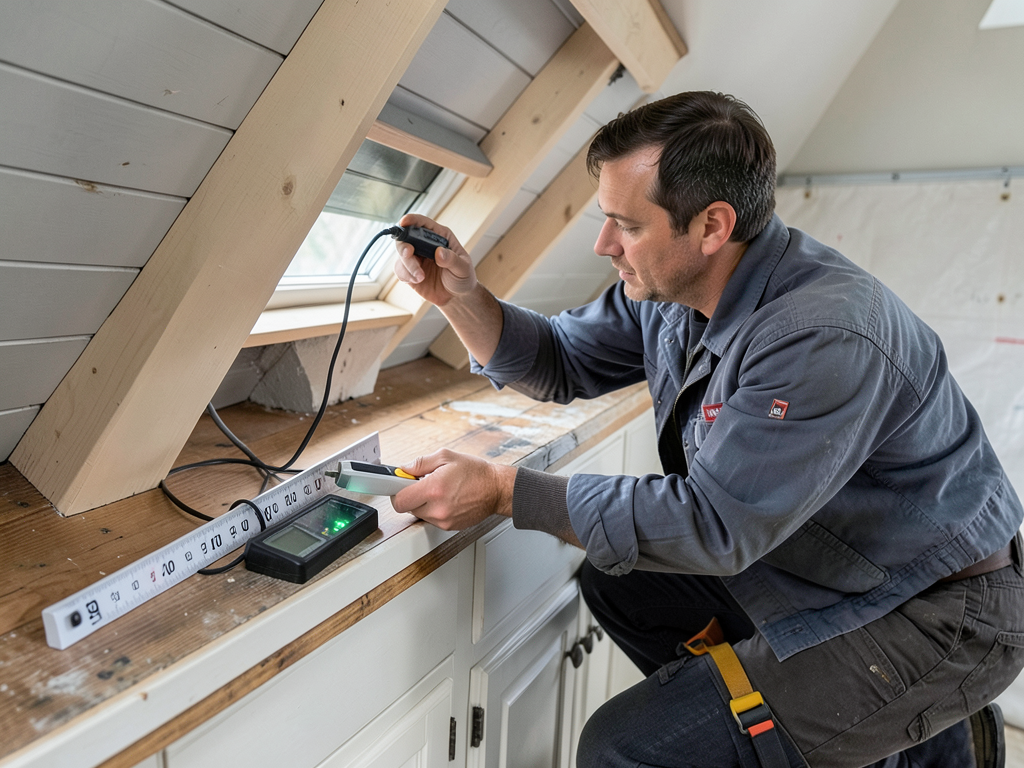
Another critical factor is your home’s foundation condition. Westwood’s clay-heavy soil, common throughout Hamilton County, causes foundation settling that stresses roof structures. If your doors stick or you notice cracks in interior walls, your home is shifting. Adding weight to an already stressed roof structure invites premature failure. A professional inspection using a moisture meter at multiple depths can reveal hidden rot that isn’t visible from the surface.
Manufacturer Warranty Implications for Westwood Homeowners
Major shingle manufacturers like GAF and Owens Corning have specific policies regarding overlays in Ohio. Most void the full warranty if they discover the installation occurred over existing shingles without proper inspection. The warranty typically covers only the material cost, not labor, for overlay installations. This means if your overlay fails due to trapped moisture or improper ventilation, you’re responsible for removal and replacement costs.
Some manufacturers offer enhanced warranties for Westwood homes that undergo complete tear-offs, especially for properties near the historic district where architectural integrity matters. These warranties often include labor coverage for up to 25 years, which can offset the higher initial investment. The key is working with a certified contractor who documents all inspection findings and follows manufacturer installation guidelines specific to Cincinnati’s climate zone.
The Westwood Historic District Consideration
If your home falls within Westwood’s designated historic district, overlay decisions become more complex. The Cincinnati Historic Conservation Board requires that any visible roof work maintain the neighborhood’s architectural character. This means using materials and installation methods that match the home’s original construction period. Many historic district homes have slate or cedar shake roofs that cannot be overlaid with asphalt shingles without violating preservation guidelines.
Even for non-historic homes, Westwood’s architectural cohesion affects property values. A poorly executed overlay that creates visible waves or mismatched shingle patterns can reduce your home’s curb appeal and resale value. Real estate agents in the 45211 area report that buyers often request full roof documentation, including tear-off verification, before making offers on older homes.
Environmental and Disposal Considerations
Ohio’s recycling regulations affect how roofing contractors handle tear-off waste. Rumpke Waste and Recycling operates the primary facility for asphalt shingle processing in Hamilton County. They accept tear-off material for recycling into road paving products, but charge premium rates for contaminated loads. Overlays eliminate disposal concerns but contribute to landfill waste when the second layer eventually fails. Rumpke Waste and Recycling.
Some Westwood homeowners choose tear-offs specifically for environmental reasons. Recycled asphalt shingles reduce the need for new raw materials in road construction. A typical Westwood tear-off recycles enough material to pave 50-75 feet of highway lane. If environmental impact matters to you, discuss recycling options with your contractor during the estimate process.
Making the Right Choice for Your Westwood Home
Choose an overlay if your Westwood home is less than 15 years old, has only one existing layer, shows no signs of deck damage, and has proper attic ventilation. This option works best for mid-century ranches in the northern Westwood area where construction methods more closely resemble modern standards. The overlay route also makes sense if you plan to sell within five years and need immediate cost savings.
You must choose a tear-off if your home is over 30 years old, has two existing layers, shows any roof deck damage, lacks proper ventilation, or sits on unstable soil. This applies to most craftsman bungalows and early colonial homes in central Westwood. Also choose tear-off if you want the longest possible warranty, plan to stay in your home more than 10 years, or prioritize long-term value over short-term savings.
Professional Inspection: The Critical First Step
Before making any decision, you need a comprehensive roof inspection from a Cincinnati-based contractor familiar with Westwood’s specific housing stock. The inspection should include moisture scanning of the roof deck, ventilation assessment, structural evaluation, and review of local building code compliance. A qualified inspector will also check for ice and water shield requirements, which are mandatory in Cincinnati’s climate zone for the first six feet from all roof edges.
During the inspection, ask about the contractor’s experience with Westwood homes specifically. Have they worked on properties similar to yours? Can they provide references from your immediate area? A contractor who understands the nuances of Westwood’s older construction methods will provide more accurate recommendations than someone who only works in newer subdivisions.
Frequently Asked Questions
Can I install a third layer of shingles on my Westwood home?
No. Ohio Residential Code Section R905.2.1 strictly limits homes to two layers maximum. Installing a third layer would violate local building codes and could result in fines from Hamilton County building inspectors. You must remove all existing layers before adding new shingles.
How long does a shingle overlay typically last in Cincinnati’s climate?
Most overlays in the Cincinnati area last 15-20 years, compared to 25-30 years for new installations. The shorter lifespan results from trapped moisture, reduced ventilation, and the stress of freeze-thaw cycles on the double-layer system. Westwood’s older homes often experience even shorter lifespans due to structural limitations.
Will my homeowner’s insurance cover problems with an overlay?
Most Cincinnati insurance companies require full disclosure of overlay installations. Some policies may exclude coverage for problems directly related to the overlay, such as moisture damage between layers or structural failure from excessive weight. Always check with your insurance provider before proceeding with an overlay installation.
What’s the difference in weight between one and two layers of shingles?
Two layers of asphalt shingles typically weigh 800-1,000 pounds more per 100 square feet than a single layer. For an average Westwood home with a 20-square roof, that’s an additional 1,600-2,000 pounds of weight. This extra load can stress older roof structures, especially those with 2×4 rafters spaced 24 inches apart.
Ready to Make Your Decision?
The age and condition of your Westwood home, combined with Cincinnati’s specific building codes and weather patterns, make this decision more complex than simply comparing initial costs. A thorough professional inspection will reveal whether your home can safely support an overlay or if a complete tear-off is the only viable option.
Don’t risk structural damage or code violations by making this decision without expert guidance. Call (513) 223-5511 today to schedule your comprehensive roof inspection. Our Cincinnati-based team understands Westwood’s unique housing stock and can provide recommendations that protect your home’s value and structural integrity for decades to come.
Pick up the phone and call (513) 223-5511 before the next storm hits. Westwood’s weather won’t wait for you to make the right choice about your roof’s future.
{
“@context”: “https://schema.org”,
“@type”: “BlogPosting”,
“headline”: “Is Your Westwood Home Too Old for a Simple Shingle Overlay?”,
“description”: “Discover if your Westwood home’s age and Cincinnati’s weather make a shingle overlay risky. Learn local codes, costs, and when a full tear-off is required. Call (513) 223-5511 for expert advice.”,
“wordCount”: 1833,
“datePublished”: “2026-03-31T10:21:00.000Z”,
“dateModified”: “2026-03-31T10:21:00.000Z”,
“inLanguage”: “en-US”,
“mainEntityOfPage”: {
“@type”: “WebPage”,
“@id”: “https://firstchoiceroofingcincinnati.com”
},
“publisher”: {
“@type”: “LocalBusiness”,
“name”: “First Choice Roofing Cincinnati”,
“url”: “https://firstchoiceroofingcincinnati.com”
},
“author”: {
“@type”: “Organization”,
“name”: “First Choice Roofing Cincinnati”,
“url”: “https://firstchoiceroofingcincinnati.com”
},
“image”: {
“@type”: “ImageObject”,
“url”: “https://firstchoiceroofingcincinnati.com/wp-content/uploads/2026/03/is-your-westwood-home-too-old-for-a-simple-shingle-1.png”
}
}
{
“@context”: “https://schema.org”,
“@type”: “RoofingContractor”,
“name”: “First Choice Roofing Cincinnati”,
“url”: “https://firstchoiceroofingcincinnati.com”,
“address”: {
“@type”: “PostalAddress”,
“addressLocality”: “Cincinnati”
},
“areaServed”: {
“@type”: “City”,
“name”: “Cincinnati”
}
}
{
“@context”: “https://schema.org”,
“@type”: “FAQPage”,
“mainEntity”: [
{
“@type”: “Question”,
“name”: “Will my homeowner’s insurance cover problems with an overlay?”,
“acceptedAnswer”: {
“@type”: “Answer”,
“text”: “Most Cincinnati insurance companies require full disclosure of overlay installations. Some policies may exclude coverage for problems directly related to the overlay, such as moisture damage between layers or structural failure from excessive weight. Always check with your insurance provider before proceeding with an overlay installation.”
}
},
{
“@type”: “Question”,
“name”: “What’s the difference in weight between one and two layers of shingles?”,
“acceptedAnswer”: {
“@type”: “Answer”,
“text”: “Two layers of asphalt shingles typically weigh 800-1,000 pounds more per 100 square feet than a single layer. For an average Westwood home with a 20-square roof, that’s an additional 1,600-2,000 pounds of weight. This extra load can stress older roof structures, especially those with 2×4 rafters spaced 24 inches apart.”
}
},
{
“@type”: “Question”,
“name”: “Ready to Make Your Decision?”,
“acceptedAnswer”: {
“@type”: “Answer”,
“text”: “The age and condition of your Westwood home, combined with Cincinnati’s specific building codes and weather patterns, make this decision more complex than simply comparing initial costs. A thorough professional inspection will reveal whether your home can safely support an overlay or if a complete tear-off is the only viable option.”
}
}
]
}
{
“@context”: “https://schema.org”,
“@type”: “BreadcrumbList”,
“itemListElement”: [
{
“@type”: “ListItem”,
“position”: 1,
“name”: “Home”,
“item”: “https://firstchoiceroofingcincinnati.com”
},
{
“@type”: “ListItem”,
“position”: 2,
“name”: “Blog”,
“item”: “https://firstchoiceroofingcincinnati.com/blog”
},
{
“@type”: “ListItem”,
“position”: 3,
“name”: “Is Your Westwood Home Too Old for a Simple Shingle Overlay?”
}
]
}
{
“@context”: “https://schema.org”,
“@type”: “Service”,
“serviceType”: “Roofing”,
“provider”: {
“@type”: “LocalBusiness”,
“name”: “First Choice Roofing Cincinnati”,
“url”: “https://firstchoiceroofingcincinnati.com”
},
“areaServed”: {
“@type”: “City”,
“name”: “Cincinnati”
},
“description”: “Discover if your Westwood home’s age and Cincinnati’s weather make a shingle overlay risky. Learn local codes, costs, and when a full tear-off is required. Call (513) 223-5511 for expert advice.”
}