
Cedar shake roofs bring unmatched natural beauty and architectural character to Madeira homes but require specialized care to withstand Cincinnati’s challenging climate. The combination of high humidity, freeze-thaw cycles, and seasonal storms creates unique threats that can compromise both the appearance and structural integrity of your cedar roof. Understanding these local conditions is the first step toward preserving your investment for decades. Cedar Shake and Shingle Bureau.
The Impact of Cincinnati’s Climate on Cedar Shakes
The Ohio River Valley’s moisture-rich environment creates perfect conditions for biological growth on cedar shakes. Madeira homeowners often notice black streaks developing on their roofs within 3-5 years of installation. These streaks are caused by Gloeocapsa magma, a cyanobacteria that thrives in our humid summers and feeds on the limestone filler in some asphalt products nearby. While cedar itself resists this specific algae, the spores can spread from adjacent roofs and create unsightly patterns. Ohio Residential Code Section R806.
Winter presents equally significant challenges. Cincinnati experiences an average of 22 freeze-thaw cycles annually, each one expanding and contracting the wood fibers in your cedar shakes. This constant movement can cause cupping, where the edges of shakes curl upward, and splitting along the grain. The freeze-thaw process accelerates when moisture becomes trapped beneath debris or moss growth, making regular cleaning essential for preventing structural damage. How to Get Your Cincinnati Roof Replaced After a Major Hail Storm.
Humidity levels in Madeira frequently exceed 70% during summer months, creating conditions where wood moisture content can climb above 20%. When cedar remains above this threshold for extended periods, it becomes susceptible to wood rot fungi. The combination of warm temperatures and persistent moisture creates an ideal breeding ground for these destructive organisms that break down the cellulose structure of your shakes.
Local building codes in Hamilton County require specific ventilation standards for cedar roofing systems. According to the Ohio Residential Code Section R806, attic ventilation must provide at least 1 square foot of net free area for every 150 square feet of attic space. Proper ventilation prevents heat and moisture buildup that would otherwise accelerate cedar deterioration from below. Is Metal Roofing Worth the Investment for Your Anderson Township Home?.
Madeira’s mature tree canopy, while beautiful, contributes to debris accumulation on cedar roofs. Falling leaves, twigs, and seed pods trap moisture against the wood surface and create microenvironments where moss and lichen can establish themselves. The dense canopy also reduces UV exposure that would naturally help keep the roof dry between storms.. Read more about How to Safely Clean Debris Off Your Roof Without Voiding Your Warranty.
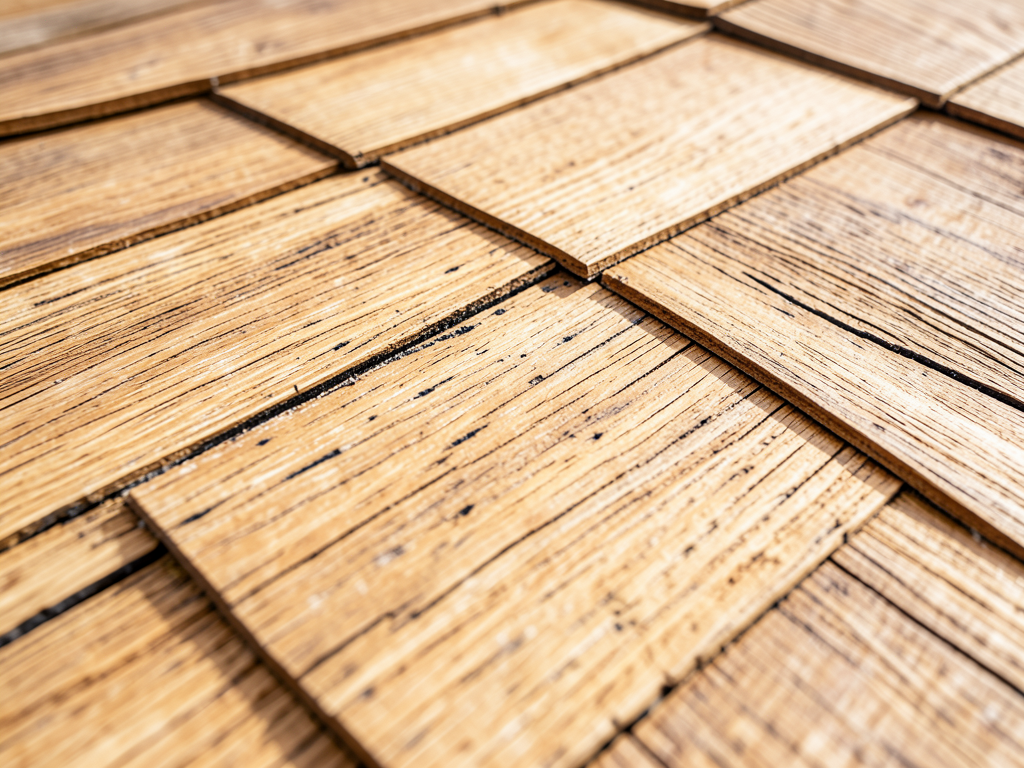
Our 5-Step Cedar Maintenance Process
Professional cedar maintenance requires specialized knowledge and equipment to preserve the wood’s natural oils while removing harmful growths. Our process follows industry best practices established by the Cedar Shake and Shingle Bureau while adapting to Cincinnati’s specific environmental challenges.. Read more about Why Most Cincinnati Insurance Policies Won’t Cover Roofs Past a Certain Age.
Step 1: Comprehensive Inspection begins with examining each shake for signs of splitting, curling, or excessive weathering. We check for proper fastening, as cedar expands and contracts more than composite materials, sometimes loosening nails over time. The inspection includes assessing the underlying deck for moisture damage and verifying that ventilation systems meet current code requirements.
Step 2: Debris Removal involves careful hand-clearing of all organic material from the roof surface and valleys. Unlike pressure washing, which can erode the soft grain of cedar, our debris removal uses specialized tools that preserve the wood’s natural texture. We pay particular attention to areas where tree branches overhang the roof, as these create debris traps that accelerate deterioration.
Step 3: Gentle Cleaning employs a soft-wash technique using biodegradable cleaners specifically formulated for cedar. The cleaning solution contains mild surfactants that lift dirt and biological growth without damaging the wood fibers. This method contrasts sharply with high-pressure washing, which can strip away the protective outer layer of the shake and create channels for water infiltration.
Step 4: Fungicidal Treatment applies EPA-registered wood preservatives that penetrate the cedar to inhibit future biological growth. These treatments contain copper compounds that remain active within the wood for 3-5 years, providing ongoing protection against moss, mildew, and wood-rotting fungi. The specific formulation we use is approved for cedar and safe for surrounding landscaping when properly applied.
Step 5: Minor Repairs and Prevention addresses any shakes that show significant splitting or deterioration. We replace damaged shakes with premium-grade Western Red Cedar matching the existing roof’s profile. Additionally, we install copper or zinc strips near the ridge to provide long-term moss prevention through natural metal ion release during rainfall.
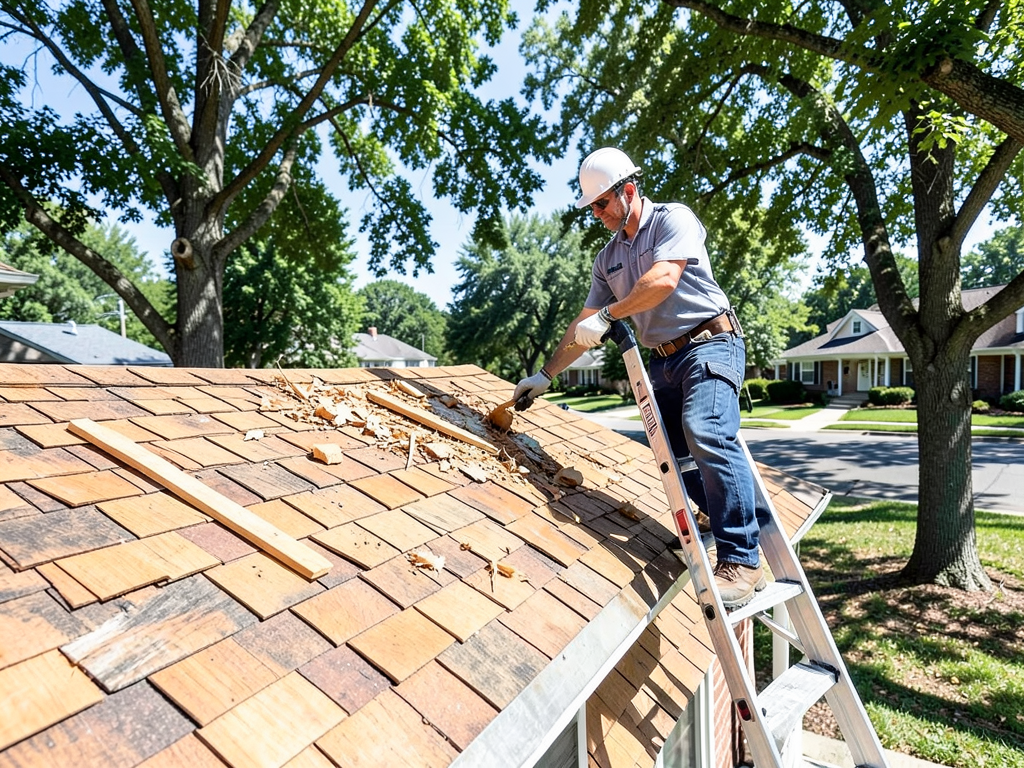
Preservation vs. Replacement: When to Maintain?
Understanding when maintenance can extend your cedar roof’s life versus when replacement becomes necessary saves Madeira homeowners thousands of dollars. A well-maintained cedar roof typically lasts 25-30 years in our climate, compared to just 15-20 years for neglected systems.
The decision often hinges on the extent of cupping and splitting across the roof surface. Minor cupping affects individual shakes but doesn’t compromise the overall water-shedding capability. When more than 20% of shakes show significant curling or splitting, the roof’s ability to shed water diminishes, potentially leading to leaks and structural damage.
Wood rot presents another critical factor. Using a moisture meter, we test shakes in several locations to determine if moisture content exceeds 25% in the core of the wood. Shakes testing above this threshold often harbor active rot fungi that cannot be reversed through surface treatment alone. In these cases, replacement of affected areas becomes necessary to prevent spread to adjacent shakes.
The cost differential between maintenance and replacement provides compelling motivation for preservation. A full cedar roof replacement for a typical Madeira home costs between $25,000 and $35,000, while professional maintenance averages $1,200 to $2,500. This means that three consecutive maintenance cycles costing $6,000 can extend your roof’s life by 15 years, providing a 75% cost savings compared to premature replacement.
Insurance considerations also factor into the maintenance decision. Many carriers offer premium discounts for documented cedar maintenance programs, recognizing that well-maintained roofs present lower claims risk. Some Madeira homeowners have reported annual premium reductions of $200 to $400 after establishing maintenance records with their insurance providers.
The environmental impact of preservation versus replacement cannot be overlooked. Cedar is a renewable resource, but manufacturing and transporting new shakes consumes significant energy. By maintaining your existing roof, you reduce landfill waste and the carbon footprint associated with replacement materials and installation.
Cedar Maintenance Cost Factors in Cincinnati
Several factors influence the cost of cedar maintenance in the Madeira area. Roof pitch significantly affects pricing, as steeper roofs require additional safety equipment and increase the time required for thorough cleaning. A 12:12 pitch roof might cost 30-40% more to maintain than a 4:12 pitch due to the increased complexity and risk.
Tree coverage surrounding your home impacts both the frequency and cost of maintenance. Properties with heavy tree canopy often require more frequent service and may need specialized equipment to navigate around branches and prevent damage to both the trees and the roof. The additional time required for careful navigation around obstacles increases labor costs.
The degree of existing biological growth affects treatment costs. Roofs with extensive moss or lichen colonies require more intensive cleaning and stronger fungicidal treatments. In severe cases, multiple treatment applications spaced weeks apart may be necessary to fully eliminate persistent growth, increasing both material and labor costs.
Accessibility for equipment and material transport influences pricing. Homes with limited driveway access or those requiring materials to be carried long distances from the street may incur additional labor charges. Similarly, properties requiring special parking permits for service vehicles in Madeira’s older neighborhoods might face permit fees passed through from the contractor.
The specific cedar species used in your roof affects maintenance requirements. Western Red Cedar, the most common species in our area, responds well to standard treatments and typically requires maintenance every 4-5 years. Yellow Cedar, less common but sometimes used for its superior durability, may extend the maintenance interval to 5-6 years but often commands higher initial installation costs.
Seasonal timing impacts both availability and pricing. Spring and early summer represent peak demand for cedar maintenance, potentially increasing costs by 10-15% due to higher labor rates and scheduling constraints. Fall maintenance, while still effective, may offer slight cost advantages and better scheduling flexibility for Madeira homeowners.
Frequently Asked Questions
Can I power wash my cedar shake roof myself?
Power washing cedar shakes causes irreversible damage by eroding the soft grain and creating channels for water infiltration. The high-pressure water strips away protective compounds and can force moisture deep into the wood, accelerating rot. Professional soft-washing uses controlled pressure below 500 PSI with specialized cleaners that clean without damaging the wood structure.
How often should Cincinnati homes with cedar shakes schedule maintenance?
Most Madeira cedar roofs benefit from professional maintenance every 4-5 years. Homes in heavily wooded areas or those with north-facing slopes exposed to limited sunlight may require service every 3 years. The timing should coincide with early spring or fall when temperatures remain moderate and rainfall is less frequent, allowing treatments to fully penetrate and cure.
What causes the black streaks on cedar roofs in Madeira?
The black streaks result from airborne spores settling on the roof surface and establishing colonies in the wood’s natural crevices. While cedar naturally resists many types of biological growth, the combination of Madeira’s humidity and airborne contaminants creates conditions where these streaks can develop. Professional cleaning removes the existing growth and prevents recurrence through fungicidal treatment.. Read more about Are Black Streaks on Your Roof Just Dirt or a Sign of Damage?.
Will cedar maintenance affect my home’s insurance coverage?
Documented cedar maintenance can positively impact insurance coverage by demonstrating responsible property management. Some carriers offer premium discounts for maintained cedar roofs, while others may require proof of regular maintenance for continued coverage. Always inform your insurance provider about your maintenance program and request documentation of any premium adjustments resulting from your proactive approach.
How can I tell if my cedar shakes need replacement rather than maintenance?
Shakes requiring replacement typically exhibit deep splitting that penetrates more than halfway through the wood, significant cupping that prevents proper water shedding, or moisture content exceeding 25% that indicates active rot. A simple test involves pressing a screwdriver into the shake’s surface; if it penetrates easily or the wood feels spongy, replacement is likely necessary. Professional inspection can determine whether targeted replacement or complete roof renewal makes more economic sense.
Maintaining the character and longevity of your cedar shake roof requires understanding the specific challenges posed by Cincinnati’s climate and taking proactive steps to address them. The investment in professional maintenance pays dividends through extended roof life, preserved home value, and continued enjoyment of your home’s distinctive architectural character. Madeira homeowners who commit to regular cedar maintenance protect not just their roofs but the entire investment they’ve made in their properties.
Call (513) 223-5511 today to schedule your inspection. Our cedar maintenance specialists understand the unique requirements of Madeira’s historic and contemporary homes and can develop a preservation plan tailored to your specific roof and budget. Don’t wait until visible damage appears—preventive maintenance costs far less than emergency repairs or premature replacement. For more information, visit EPA-registered wood preservatives.
You may also find this helpful. Comparing Luxury Shingles vs Standard Architectural Shingles for High-End Homes.
{
“@context”: “https://schema.org”,
“@type”: “BlogPosting”,
“headline”: “Maintaining the Character and Longevity of Cedar Shake Roofs in Madeira”,
“description”: “Preserve your cedar shake roof in Madeira with expert maintenance. Learn how Cincinnati’s climate affects cedar and discover our 5-step preservation process.”,
“wordCount”: 1839,
“datePublished”: “2026-03-11T12:28:00.000Z”,
“dateModified”: “2026-03-11T12:28:00.000Z”,
“inLanguage”: “en-US”,
“mainEntityOfPage”: {
“@type”: “WebPage”,
“@id”: “https://firstchoiceroofingcincinnati.com”
},
“publisher”: {
“@type”: “LocalBusiness”,
“name”: “First Choice Roofing Cincinnati”,
“url”: “https://firstchoiceroofingcincinnati.com”
},
“author”: {
“@type”: “Organization”,
“name”: “First Choice Roofing Cincinnati”,
“url”: “https://firstchoiceroofingcincinnati.com”
},
“image”: {
“@type”: “ImageObject”,
“url”: “https://firstchoiceroofingcincinnati.com/wp-content/uploads/2026/03/maintaining-the-character-and-longevity-of-cedar-s-1.png”
}
}
{
“@context”: “https://schema.org”,
“@type”: “RoofingContractor”,
“name”: “First Choice Roofing Cincinnati”,
“url”: “https://firstchoiceroofingcincinnati.com”,
“address”: {
“@type”: “PostalAddress”,
“addressLocality”: “Cincinnati”
},
“areaServed”: {
“@type”: “City”,
“name”: “Cincinnati”
}
}
{
“@context”: “https://schema.org”,
“@type”: “FAQPage”,
“mainEntity”: [
{
“@type”: “Question”,
“name”: “Preservation vs. Replacement: When to Maintain?”,
“acceptedAnswer”: {
“@type”: “Answer”,
“text”: “Understanding when maintenance can extend your cedar roof’s life versus when replacement becomes necessary saves Madeira homeowners thousands of dollars. A well-maintained cedar roof typically lasts 25-30 years in our climate, compared to just 15-20 years for neglected systems.”
}
},
{
“@type”: “Question”,
“name”: “Can I power wash my cedar shake roof myself?”,
“acceptedAnswer”: {
“@type”: “Answer”,
“text”: “Power washing cedar shakes causes irreversible damage by eroding the soft grain and creating channels for water infiltration. The high-pressure water strips away protective compounds and can force moisture deep into the wood, accelerating rot. Professional soft-washing uses controlled pressure below 500 PSI with specialized cleaners that clean without damaging the wood structure.”
}
},
{
“@type”: “Question”,
“name”: “How often should Cincinnati homes with cedar shakes schedule maintenance?”,
“acceptedAnswer”: {
“@type”: “Answer”,
“text”: “Most Madeira cedar roofs benefit from professional maintenance every 4-5 years. Homes in heavily wooded areas or those with north-facing slopes exposed to limited sunlight may require service every 3 years. The timing should coincide with early spring or fall when temperatures remain moderate and rainfall is less frequent, allowing treatments to fully penetrate and cure.”
}
},
{
“@type”: “Question”,
“name”: “What causes the black streaks on cedar roofs in Madeira?”,
“acceptedAnswer”: {
“@type”: “Answer”,
“text”: “The black streaks result from airborne spores settling on the roof surface and establishing colonies in the wood’s natural crevices. While cedar naturally resists many types of biological growth, the combination of Madeira’s humidity and airborne contaminants creates conditions where these streaks can develop. Professional cleaning removes the existing growth and prevents recurrence through fungicidal treatment.”
}
},
{
“@type”: “Question”,
“name”: “Will cedar maintenance affect my home’s insurance coverage?”,
“acceptedAnswer”: {
“@type”: “Answer”,
“text”: “Documented cedar maintenance can positively impact insurance coverage by demonstrating responsible property management. Some carriers offer premium discounts for maintained cedar roofs, while others may require proof of regular maintenance for continued coverage. Always inform your insurance provider about your maintenance program and request documentation of any premium adjustments resulting from your proactive approach.”
}
},
{
“@type”: “Question”,
“name”: “How can I tell if my cedar shakes need replacement rather than maintenance?”,
“acceptedAnswer”: {
“@type”: “Answer”,
“text”: “Shakes requiring replacement typically exhibit deep splitting that penetrates more than halfway through the wood, significant cupping that prevents proper water shedding, or moisture content exceeding 25% that indicates active rot. A simple test involves pressing a screwdriver into the shake’s surface; if it penetrates easily or the wood feels spongy, replacement is likely necessary. Professional inspection can determine whether targeted replacement or complete roof renewal makes more economic sense.”
}
}
]
}
{
“@context”: “https://schema.org”,
“@type”: “BreadcrumbList”,
“itemListElement”: [
{
“@type”: “ListItem”,
“position”: 1,
“name”: “Home”,
“item”: “https://firstchoiceroofingcincinnati.com”
},
{
“@type”: “ListItem”,
“position”: 2,
“name”: “Blog”,
“item”: “https://firstchoiceroofingcincinnati.com/blog”
},
{
“@type”: “ListItem”,
“position”: 3,
“name”: “Maintaining the Character and Longevity of Cedar Shake Roofs in Madeira”
}
]
}
{
“@context”: “https://schema.org”,
“@type”: “Service”,
“serviceType”: “Roofing”,
“provider”: {
“@type”: “LocalBusiness”,
“name”: “First Choice Roofing Cincinnati”,
“url”: “https://firstchoiceroofingcincinnati.com”
},
“areaServed”: {
“@type”: “City”,
“name”: “Cincinnati”
},
“description”: “Preserve your cedar shake roof in Madeira with expert maintenance. Learn how Cincinnati’s climate affects cedar and discover our 5-step preservation process.”
}