
Roof Replacement for Multi Family Homes and Duplexes in Norwood
Norwood’s historic neighborhoods feature a mix of early 20th-century craftsman homes and post-war duplexes that require specialized roofing expertise. The combination of Ohio Valley weather patterns and older construction methods creates unique challenges for property owners managing multi-family units. Ohio Building Code Section 1507.2.8.
Multi-family properties in Norwood face accelerated wear from freeze-thaw cycles that occur 40-50 times per winter season. These temperature swings cause roofing materials to expand and contract, leading to premature failure of asphalt shingles and flashing systems. Properties near the Norwood Lateral and Montgomery Road experience higher wind loads during storm events, making proper fastening techniques critical for long-term performance. Is Metal Roofing Worth the Investment for Your Anderson Township Home?.
Most Norwood duplexes were constructed between 1920 and 1960 using balloon framing methods that create continuous wall cavities from foundation to roof. This construction style requires careful ventilation planning to prevent moisture accumulation in attic spaces. The Norwood Historic Preservation Commission maintains strict guidelines for exterior modifications, including roofing materials and colors, particularly in the Presidential District near Norwood High School.. Read more about TPO Roofing Solutions for Commercial Properties in Forest Park and Springdale.
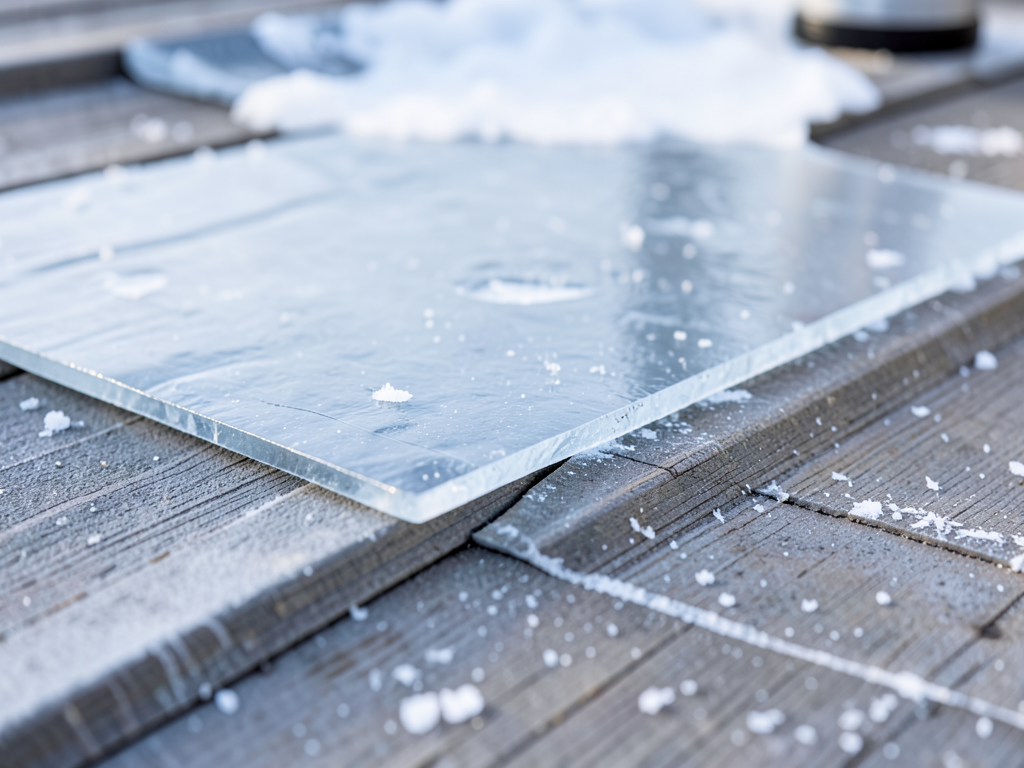
Ohio Building Code Section 1507.2.8 requires ice barrier installation extending 24 inches inside the exterior wall line for all residential structures in Hamilton County. This mandate addresses the region’s average annual snowfall of 22 inches and frequent ice dam formation. Multi-family buildings with multiple roof planes require additional attention to valley flashing and cricket installations to manage water flow effectively.
Common Roofing Issues in Norwood Multi-Family Properties
Norwood’s older housing stock experiences specific failure patterns that differ from newer suburban construction. Understanding these patterns helps property owners make informed decisions about roof replacement timing and material selection.
Victorian-era homes near Sherman Avenue often feature complex roof geometries with multiple dormers and valleys. These designs create water collection points that require specialized flashing techniques. The original cedar shake installations have typically been replaced with asphalt shingles, but improper installation methods can lead to premature failure. How to Get Your Cincinnati Roof Replaced After a Major Hail Storm.
Post-war duplexes built during the 1950s boom often suffer from inadequate attic ventilation. These structures typically have 1:300 ventilation ratios compared to the current 1:150 requirement under modern building codes. Poor ventilation leads to excessive heat buildup in summer months and moisture condensation during winter, both of which accelerate shingle deterioration.
Properties near Norwood’s commercial corridors experience higher foot traffic on roof surfaces due to HVAC maintenance and satellite dish installations. This activity can damage roofing materials and create leak points around equipment mounts. Commercial-adjacent buildings also face increased pollution exposure that can degrade asphalt shingles more rapidly than in residential-only areas.
Material Selection for Norwood’s Climate
Choosing the right roofing material for Norwood’s multi-family properties requires balancing durability, cost, and compliance with local regulations. The Ohio Valley’s weather extremes demand materials that can withstand both summer heat and winter ice.
Asphalt architectural shingles remain the most popular choice for Norwood duplexes due to their cost-effectiveness and 25-30 year lifespan when properly installed. Modern architectural shingles feature polymer-modified asphalt that provides better flexibility in temperature extremes compared to traditional three-tab shingles. Look for products with Class 4 impact resistance ratings for hail-prone areas.
Metal roofing systems offer superior longevity for multi-family properties, with lifespans of 40-60 years compared to 20-30 years for asphalt. Standing seam metal roofs provide excellent wind resistance up to 140 mph, crucial for properties near Norwood’s open corridors. The initial investment typically runs 2-3 times higher than asphalt but provides better long-term value for property managers.
Flat roof systems common on commercial-style additions require specialized materials like modified bitumen or EPDM rubber. These membranes must be installed with proper slope to prevent ponding water, which can reduce lifespan by 50% if allowed to accumulate. Current building codes require minimum 1/4 inch per foot slope for all flat roof installations.. Read more about Installing a Waterproof Membrane for Your Downtown Cincinnati Rooftop Deck.
Roof Replacement Process for Multi-Family Properties
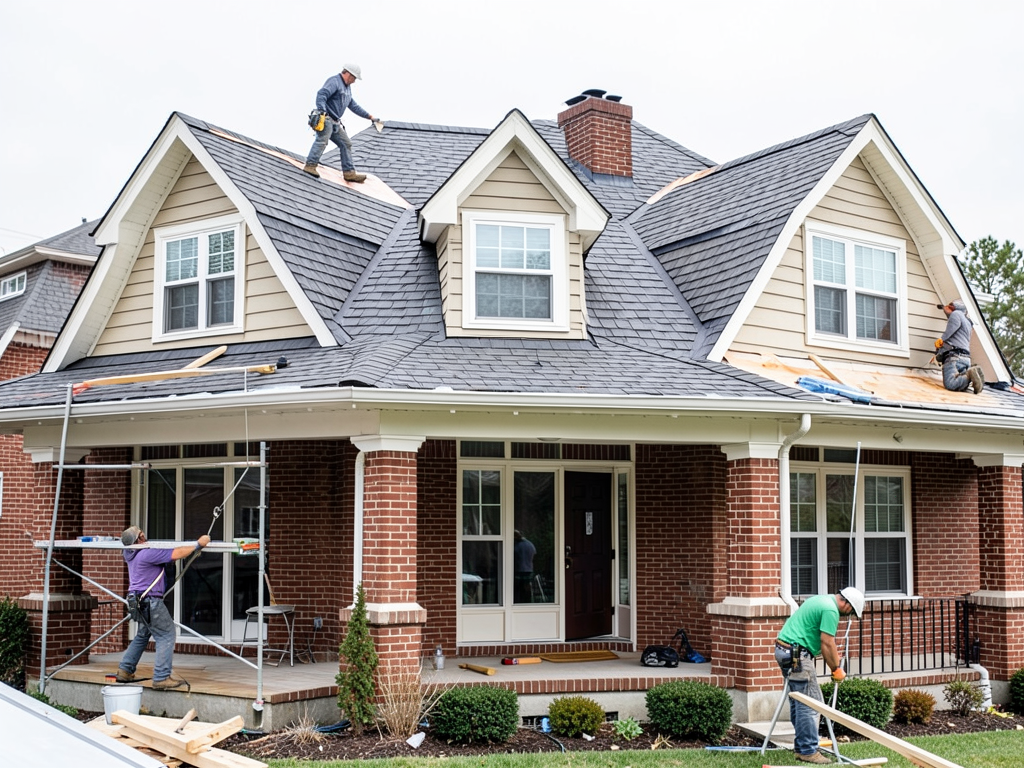
Replacing a roof on a multi-family property requires careful coordination to minimize disruption to tenants and protect the building’s interior from weather exposure. The process typically spans 3-5 days depending on building size and weather conditions.
Initial inspection involves checking the roof deck for rot or structural damage, particularly around chimneys and valleys where water damage commonly occurs. Technicians use moisture meters to detect hidden water intrusion in decking materials. Properties built before 1980 may contain asbestos in original roofing materials, requiring specialized removal procedures under EPA regulations. EPA regulations for asbestos removal.
Permit acquisition through the Norwood Building Department typically takes 3-5 business days. Hamilton County requires detailed roofing plans showing material specifications, ventilation calculations, and ice barrier placement. Multi-family properties must also comply with Ohio’s lead-safe renovation rules if the building was constructed before 1978.
Installation sequence begins with removing existing roofing down to the deck, followed by installing new underlayment and ice barriers. Proper nailing patterns are critical – most manufacturers require six nails per shingle in high-wind areas rather than the standard four. Ridge vent installation provides continuous airflow while maintaining the building’s exterior appearance.
Cost Factors for Norwood Roof Replacement
Roof replacement costs for Norwood multi-family properties vary based on several factors including building height, roof complexity, and material selection. Understanding these variables helps property owners budget accurately for their projects.
Square footage pricing typically ranges from $350 to $750 per square (100 square feet) installed. Complex roof designs with multiple valleys and dormers can increase costs by 20-30% due to additional labor and material requirements. Properties with steep pitches above 8:12 require special safety equipment and may incur additional labor charges.
Material costs vary significantly by type. Standard architectural shingles cost $85-120 per square, while premium impact-resistant shingles run $120-180 per square. Metal roofing materials cost $300-500 per square installed, and flat roof membranes range from $250-400 per square depending on the system selected.
Additional costs may include deck replacement if rot is discovered during installation, which can add $75-150 per square to the project. Chimney flashing repairs typically cost $300-600 per unit, and skylight replacement adds $800-1,200 per unit. Permit fees through the Norwood Building Department average $250-400 for multi-family properties. Reliable Flat Roof Repair Services for Over-the-Rhine Business Owners.
Maintenance Planning for Multi-Family Properties
Implementing a preventive maintenance program extends roof life and prevents costly emergency repairs. Multi-family property managers should establish quarterly inspection schedules to identify potential issues before they become major problems. Who to Call for 24-Hour Emergency Roof Leak Repair in Cincinnati.
Spring inspections should focus on winter damage assessment, checking for missing shingles, damaged flashing, and gutter system functionality. Summer maintenance involves cleaning debris from roof valleys and ensuring proper attic ventilation. Fall preparation includes gutter cleaning and checking for loose fasteners that could fail during winter storms.
Documentation proves invaluable for warranty claims and insurance purposes. Maintain records of installation dates, material specifications, and all maintenance activities. Most manufacturers require proof of proper installation and maintenance to honor warranty claims, particularly for impact-resistant shingles and metal roofing systems.
Tenant education helps prevent accidental damage. Provide guidelines about satellite dish installations, holiday light hanging, and HVAC maintenance procedures that could affect roof integrity. Establish clear communication channels for reporting potential roof issues before they escalate into major leaks.
Emergency Response Planning
Multi-family properties require immediate response capabilities for weather emergencies and sudden roof failures. Establishing relationships with local roofing contractors before emergencies occur ensures faster response times when issues arise.
Emergency tarping procedures protect interior spaces while permanent repairs are arranged. Standard blue tarps provide temporary protection for 30-60 days, while heavy-duty silver tarps can last up to 90 days. Proper tarp installation requires securing edges with battens and ensuring complete coverage of damaged areas. Emergency Tarping Service.
Insurance claim documentation becomes critical after major weather events. Document damage with date-stamped photos before making temporary repairs. Most insurance policies require notification within 24-48 hours of discovering damage to maintain coverage eligibility. Keep copies of all communications with insurance adjusters and contractors.
Backup housing arrangements should be established for major repairs that require tenant displacement. Local hotels near the Xavier University area often provide discounted rates for emergency housing needs. Factor temporary housing costs into project budgets when planning major roof replacements that may extend beyond initial timelines.
Energy Efficiency Considerations
Roof replacement provides an opportunity to improve building energy efficiency, particularly important for multi-family properties where utility costs affect both owners and tenants. Modern roofing materials and installation techniques can significantly reduce heating and cooling expenses.
Cool roof technologies reflect solar radiation rather than absorbing it, reducing cooling costs by 10-15% in summer months. Light-colored shingles or special reflective coatings can lower roof surface temperatures by 50-60 degrees Fahrenheit compared to traditional dark materials. These technologies prove especially valuable for buildings with minimal tree coverage.
Proper attic insulation complements roofing upgrades by preventing heat transfer between living spaces and the roof assembly. Current building codes require R-38 insulation in Hamilton County, though many older Norwood properties have only R-19 or less. Adding insulation during roof replacement provides immediate energy savings and improves year-round comfort.
Ventilation improvements reduce cooling loads and prevent moisture-related damage. Ridge vents combined with soffit intake vents create continuous airflow that removes excess heat in summer and prevents ice dam formation in winter. Balanced ventilation systems typically pay for themselves within 3-5 years through reduced energy costs.
Choosing the Right Contractor
Selecting a qualified roofing contractor for multi-family properties requires evaluating experience, licensing, and insurance coverage. The complexity of multi-family projects demands contractors with specific expertise in managing larger-scale installations and tenant coordination.
Verify contractor licensing through the Ohio Construction Industry Licensing Board. Hamilton County requires all roofing contractors to maintain active licenses and carry minimum $500,000 liability insurance. Request proof of workers’ compensation coverage to protect against liability for on-site injuries.
Experience with multi-family properties proves crucial for successful project completion. Ask potential contractors for references from similar projects in the Norwood area, particularly those involving occupied buildings. Experienced contractors understand how to work around tenant schedules and maintain building security during construction.
Written contracts should detail material specifications, installation methods, and payment schedules. Avoid contractors requiring large upfront payments – standard practice involves 30% down with progress payments tied to completion milestones. Include provisions for handling unexpected discoveries like rotten decking or structural issues uncovered during removal.
Frequently Asked Questions
How long does a typical roof replacement take for a Norwood duplex?
Most duplex roof replacements in Norwood take 3-5 days under normal weather conditions. Weather delays, complex roof designs, or unexpected structural issues can extend timelines. Multi-story buildings or those requiring extensive deck repairs may require 7-10 days for complete installation.
Are permits required for roof replacement in Norwood?
Yes, Hamilton County requires building permits for all roof replacements. The Norwood Building Department reviews plans for compliance with local codes, including ice barrier requirements and ventilation standards. Permit fees typically range from $250-400 for multi-family properties.
What roofing material lasts longest in Norwood’s climate?
Metal roofing systems typically last 40-60 years in Norwood’s climate, outlasting asphalt shingles (20-30 years) and flat roof membranes (15-25 years). Standing seam metal provides excellent wind and impact resistance, though initial costs run 2-3 times higher than asphalt options.
How can I tell if my Norwood roof needs replacement?
Signs include missing or curling shingles, water stains on interior ceilings, granules in gutters, and visible sagging in roof planes. Age also matters – most asphalt roofs need replacement after 20-25 years, while metal and flat roof systems may last longer with proper maintenance.
Does Norwood have specific historic district requirements for roofing?
Yes, the Norwood Historic Preservation Commission maintains guidelines for roofing materials and colors in designated historic districts. Properties in these areas may require approval before replacing roofing materials. Check with the preservation commission before beginning any exterior modifications.
Call (513) 223-5511 Today for Your Norwood Roof Replacement
Don’t wait for the next storm to reveal your roof’s weaknesses. Multi-family properties require specialized expertise to ensure proper installation and long-term performance. Our team understands Norwood’s unique building requirements and weather challenges.
Call (513) 223-5511 today to schedule your free inspection. We’ll evaluate your current roof condition, discuss material options, and provide a detailed estimate with no pressure. Our local experience means we can often complete emergency repairs within 24 hours and schedule full replacements to minimize tenant disruption.
Pick up the phone and call (513) 223-5511 before the next storm hits. Your tenants and your investment deserve professional roofing service from a company that knows Norwood inside and out.
{
“@context”: “https://schema.org”,
“@type”: “BlogPosting”,
“headline”: “Roof Replacement for Multi Family Homes and Duplexes in Norwood”,
“description”: “Expert roof replacement services for Norwood’s multi-family homes and duplexes. Understanding local building codes, weather challenges, and material options.”,
“wordCount”: 2091,
“datePublished”: “2026-04-18T06:56:00.000Z”,
“dateModified”: “2026-04-18T06:56:00.000Z”,
“inLanguage”: “en-US”,
“mainEntityOfPage”: {
“@type”: “WebPage”,
“@id”: “https://firstchoiceroofingcincinnati.com”
},
“publisher”: {
“@type”: “LocalBusiness”,
“name”: “First Choice Roofing Cincinnati”,
“url”: “https://firstchoiceroofingcincinnati.com”
},
“author”: {
“@type”: “Organization”,
“name”: “First Choice Roofing Cincinnati”,
“url”: “https://firstchoiceroofingcincinnati.com”
},
“image”: {
“@type”: “ImageObject”,
“url”: “https://firstchoiceroofingcincinnati.com/wp-content/uploads/2026/03/roof-replacement-for-multi-family-homes-and-duplex-1.png”
}
}
{
“@context”: “https://schema.org”,
“@type”: “RoofingContractor”,
“name”: “First Choice Roofing Cincinnati”,
“url”: “https://firstchoiceroofingcincinnati.com”,
“address”: {
“@type”: “PostalAddress”,
“addressLocality”: “Cincinnati”
},
“areaServed”: {
“@type”: “City”,
“name”: “Cincinnati”
}
}
{
“@context”: “https://schema.org”,
“@type”: “FAQPage”,
“mainEntity”: [
{
“@type”: “Question”,
“name”: “How long does a typical roof replacement take for a Norwood duplex?”,
“acceptedAnswer”: {
“@type”: “Answer”,
“text”: “Most duplex roof replacements in Norwood take 3-5 days under normal weather conditions. Weather delays, complex roof designs, or unexpected structural issues can extend timelines. Multi-story buildings or those requiring extensive deck repairs may require 7-10 days for complete installation.”
}
},
{
“@type”: “Question”,
“name”: “Are permits required for roof replacement in Norwood?”,
“acceptedAnswer”: {
“@type”: “Answer”,
“text”: “Yes, Hamilton County requires building permits for all roof replacements. The Norwood Building Department reviews plans for compliance with local codes, including ice barrier requirements and ventilation standards. Permit fees typically range from $250-400 for multi-family properties.”
}
},
{
“@type”: “Question”,
“name”: “What roofing material lasts longest in Norwood’s climate?”,
“acceptedAnswer”: {
“@type”: “Answer”,
“text”: “Metal roofing systems typically last 40-60 years in Norwood’s climate, outlasting asphalt shingles (20-30 years) and flat roof membranes (15-25 years). Standing seam metal provides excellent wind and impact resistance, though initial costs run 2-3 times higher than asphalt options.”
}
},
{
“@type”: “Question”,
“name”: “How can I tell if my Norwood roof needs replacement?”,
“acceptedAnswer”: {
“@type”: “Answer”,
“text”: “Signs include missing or curling shingles, water stains on interior ceilings, granules in gutters, and visible sagging in roof planes. Age also matters – most asphalt roofs need replacement after 20-25 years, while metal and flat roof systems may last longer with proper maintenance.”
}
},
{
“@type”: “Question”,
“name”: “Does Norwood have specific historic district requirements for roofing?”,
“acceptedAnswer”: {
“@type”: “Answer”,
“text”: “Yes, the Norwood Historic Preservation Commission maintains guidelines for roofing materials and colors in designated historic districts. Properties in these areas may require approval before replacing roofing materials. Check with the preservation commission before beginning any exterior modifications.”
}
}
]
}
{
“@context”: “https://schema.org”,
“@type”: “BreadcrumbList”,
“itemListElement”: [
{
“@type”: “ListItem”,
“position”: 1,
“name”: “Home”,
“item”: “https://firstchoiceroofingcincinnati.com”
},
{
“@type”: “ListItem”,
“position”: 2,
“name”: “Blog”,
“item”: “https://firstchoiceroofingcincinnati.com/blog”
},
{
“@type”: “ListItem”,
“position”: 3,
“name”: “Roof Replacement for Multi Family Homes and Duplexes in Norwood”
}
]
}
{
“@context”: “https://schema.org”,
“@type”: “Service”,
“serviceType”: “Roofing”,
“provider”: {
“@type”: “LocalBusiness”,
“name”: “First Choice Roofing Cincinnati”,
“url”: “https://firstchoiceroofingcincinnati.com”
},
“areaServed”: {
“@type”: “City”,
“name”: “Cincinnati”
},
“description”: “Expert roof replacement services for Norwood’s multi-family homes and duplexes. Understanding local building codes, weather challenges, and material options.”
}