
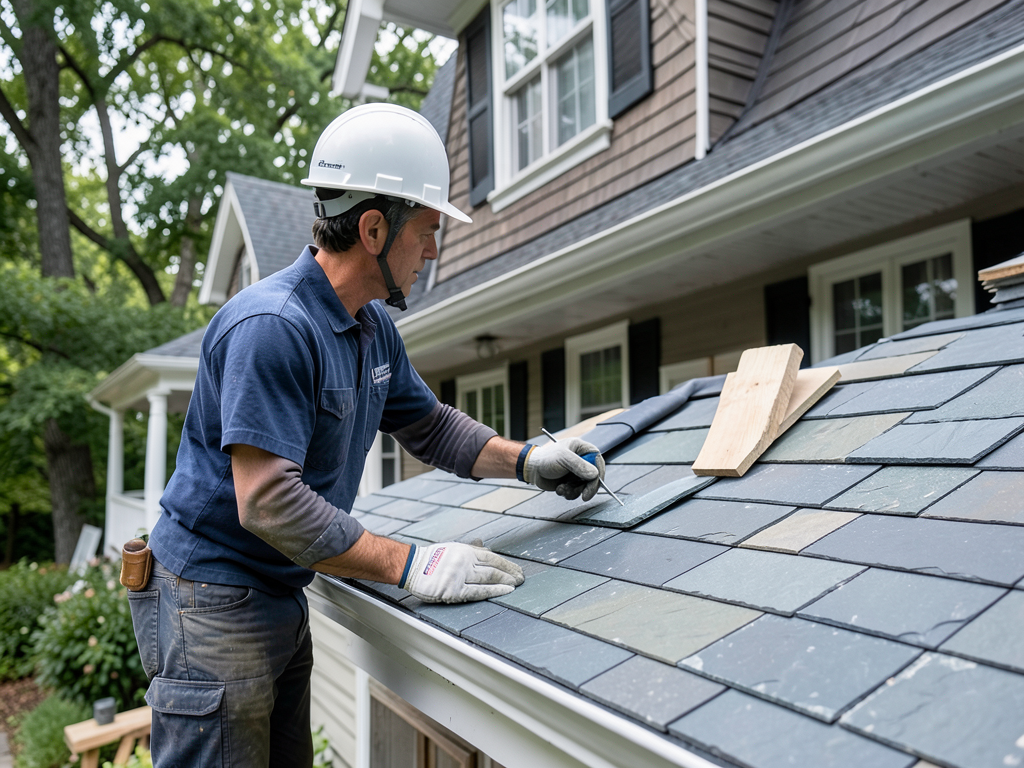
Roof Replacement Options for Historic Homes in Hyde Park and Mount Lookout
Homeowners in Cincinnati’s historic neighborhoods face unique challenges when replacing their roofs. The architectural character of Hyde Park and Mount Lookout demands careful consideration of materials, building codes, and preservation guidelines. These areas feature some of Cincinnati’s most beautiful historic architecture, from Tudor Revival mansions to Craftsman bungalows, each requiring specialized roofing expertise. How to Get Your Cincinnati Roof Replaced After a Major Hail Storm.
The first 100 words matter. If you own a historic home in Hyde Park or Mount Lookout, you need a roofing contractor who understands both the technical requirements and the aesthetic preservation needs. Local building codes, material authenticity, and weather resistance must all work together to protect your investment while maintaining your home’s character. Is Metal Roofing Worth the Investment for Your Anderson Township Home?.
Understanding Hyde Park and Mount Lookout Architecture
Historic homes in these Cincinnati neighborhoods showcase architectural diversity that spans several decades. Tudor Revival homes dominate many streets with their steep gables and decorative half-timbering. These structures typically feature slate or cedar shake roofs that have lasted 75-100 years when properly maintained.
Craftsman bungalows and American Foursquares built between 1900-1930 often have asphalt shingle roofs designed to mimic wood shakes. Their moderate pitches and wide eaves require careful flashing detail to prevent water infiltration. The clay-heavy soil in these areas causes foundation settling that can stress roof structures over time.
Colonial Revival homes in Mount Lookout often feature symmetrical facades with medium-pitch roofs covered in dimensional asphalt shingles or original slate. These homes require special attention to ventilation since their attic spaces tend to be smaller than modern constructions.
Material Options for Historic Roof Replacement
Selecting the right roofing material involves balancing authenticity, durability, and budget. Here are the primary options for historic homes in the Cincinnati area:
| Material | Lifespan | Cost Range | Best For |
|---|---|---|---|
| Natural Slate | 75-100+ years | $20-$30 per sq ft | Tudor, Colonial Revival |
| Architectural Asphalt | 25-30 years | $4-$7 per sq ft | Craftsman, Bungalows |
| Copper | 50-75 years | $15-$25 per sq ft | High-end accents, dormers |
| Wood Shakes | 20-25 years | $6-$9 per sq ft |
Natural slate remains the gold standard for historic roof authenticity. Quarried slate from Vermont or Pennsylvania matches the original materials found on many Hyde Park homes built before 1940. Each piece weighs approximately 800 pounds per square, requiring structural assessment before installation.
Architectural asphalt shingles now offer dimensional profiles that closely mimic wood shakes or slate at a fraction of the cost. Modern manufacturing creates deep shadow lines and varied tab sizes that fool the eye from street level. These shingles carry Class 4 impact ratings for Cincinnati’s frequent hailstorms.
Copper roofing develops a distinctive patina over 15-20 years, transitioning from bright metallic to deep bronze. This material works excellently for accent roofs, bay windows, and decorative dormers where authenticity matters most.
Hamilton County Building Code Requirements
Roof replacement in Cincinnati requires permits through the Hamilton County Building Department. The Ohio Residential Code Chapter 9 governs roofing installations, with specific requirements for historic districts. Hamilton County Building Department.
Ice barrier requirements under R905.1.2 mandate self-adhering polymer-modified bitumen applied from the eave edge up the roof slope for a minimum of 24 inches inside the exterior wall line. Cincinnati’s freeze-thaw cycles make this protection critical for preventing ice dam damage.
Ventilation requirements under R806.2 require net free ventilating area of at least 1 square foot per 150 square feet of attic space. This ratio reduces to 1:300 when using vapor barriers on the warm-in-winter side of the ceiling assembly.
Historic district properties may require additional approvals from the Cincinnati Preservation Association. These reviews ensure replacement materials match original profiles and colors. The process typically adds 2-3 weeks to project timelines but protects neighborhood character.
Weather Considerations for Cincinnati Roofing
Cincinnati’s climate creates specific challenges for roof longevity. High humidity levels during summer months cause asphalt shingles to blister when ventilation is inadequate. The Ohio River Valley’s temperature swings from winter lows of 20°F to summer highs above 90°F stress roofing materials.
Spring thunderstorms bring wind speeds exceeding 60 mph, capable of lifting poorly fastened shingles. The region averages 42 inches of rainfall annually, with most precipitation occurring March through June. This concentrated moisture requires excellent underlayment and flashing details.
Ice dam formation occurs when heat escaping through the attic melts snow on the roof surface. Water runs down and refreezes at the colder eave edges, creating barriers that force water under shingles. Proper insulation and ventilation prevent this destructive cycle.
Preservation Guidelines for Historic Homes
Maintaining architectural integrity while upgrading roof performance requires careful planning. The National Park Service’s Preservation Brief 4 outlines approaches for rehabilitating historic buildings that apply directly to Cincinnati’s older neighborhoods. National Park Service Preservation Briefs.
Document existing conditions before starting work. Photograph roof details, flashing patterns, and material conditions. This documentation helps match replacement materials and proves invaluable if disputes arise about original construction.
Consider the building’s significance when selecting materials. A home listed on the National Register of Historic Places may require historically accurate materials even at premium prices. Less significant homes might allow modern materials that mimic historic appearances.
Work with contractors experienced in historic preservation. They understand how to maintain original features like decorative ridge caps, copper valleys, and custom-fabricated flashing while installing modern underlayment systems.
Cost Factors for Historic Roof Replacement
Several variables affect the final price of replacing a roof on a historic home. Square footage provides the baseline, but pitch, accessibility, and material choice create significant variations.
Steep roof pitches over 8:12 increase labor costs by 20-30% due to safety requirements and slower installation speeds. Multi-story homes in Hyde Park often have complex rooflines with multiple valleys and dormers that add installation time.
Material removal costs vary based on original construction. Removing 100-year-old slate requires careful handling to prevent deck damage. Asbestos-containing materials from pre-1980s roofs require licensed abatement, adding $2,000-$5,000 to project costs.
Permit fees for Hamilton County range from $150-$500 depending on project scope. Historic district reviews add $300-$600 for architectural review services. Roof Repair Services.
Finding the Right Contractor
Not all roofing contractors understand historic home requirements. Look for companies with specific experience in your neighborhood and architectural style.
Ask potential contractors about their experience with your home’s specific architecture. A contractor who specializes in modern construction might miss critical flashing details on a Tudor Revival home.
Request references from other historic home owners in Hyde Park or Mount Lookout. Contact these references to discuss their experiences with similar projects.
Verify contractor licensing through the Hamilton County Auditor’s office. Check for GAF Master Elite or CertainTeed SELECT ShingleMaster certifications that indicate advanced training and quality standards.
Insurance Considerations
Historic homes often qualify for insurance premium discounts when using impact-resistant materials. Class 4 shingles can reduce premiums by 15-30% in Cincinnati’s hail-prone areas.
Document your roof’s condition with photos before replacement begins. This documentation proves invaluable if damage occurs during the project or if you need to file claims for weather-related damage.
Ask your insurance agent about replacement cost coverage versus actual cash value. Historic homes often require replacement cost coverage to ensure you can rebuild using similar quality materials.
Maintenance for Longevity
Even the best roof requires regular maintenance to achieve maximum lifespan. Annual inspections catch problems before they cause interior damage.
Clean gutters twice yearly, especially important in Hyde Park where mature trees drop leaves and debris. Clogged gutters cause water to back up under roof edges, leading to rot and interior leaks.
Trim tree branches that overhang the roof. Cincinnati’s mature canopy creates shade that promotes moss and algae growth on north-facing slopes. These organisms retain moisture and accelerate shingle deterioration.
Check attic ventilation monthly during summer. Proper airflow prevents heat buildup that blisters shingles and increases cooling costs. Look for signs of moisture like dark spots on rafters or rusted nail heads. Signs You Need a New Roof.
Energy Efficiency Upgrades
Roof replacement offers opportunities to improve your home’s energy performance. Modern underlayment systems provide better moisture protection than original felt paper.
Radiant barriers installed under new roofs can reduce summer heat gain by 20-30%. These reflective sheets work best in Cincinnati’s hot, humid summers when installed with proper air gaps.
Upgrade attic insulation during roof replacement. Many historic homes have minimal insulation, leading to high heating and cooling costs. Adding R-38 to R-49 insulation pays for itself within 3-5 years through energy savings.
Consider cool roof options for south-facing slopes. Light-colored shingles or reflective coatings reduce heat absorption, lowering attic temperatures by 20-30 degrees on summer afternoons.
Common Problems in Historic Roofs
Understanding typical failure patterns helps you make informed decisions about replacement timing. Many Hyde Park homes show similar deterioration patterns due to age and weather exposure.
Curling and buckling shingles indicate ventilation problems or simply reaching the end of their service life. This condition allows wind-driven rain to penetrate under shingles, causing deck rot and interior damage.
Missing or damaged flashing around chimneys, vents, and valleys creates leak paths. Original flashing often uses inferior materials that corrode over decades of exposure to Cincinnati’s acidic rainfall.
Deck deterioration becomes apparent when walking on the roof creates soft spots. Water infiltration over years rots the wooden deck, requiring replacement along with the roofing material.
Timeline and Project Management
Roof replacement on historic homes typically takes 3-7 days depending on complexity. Weather delays are common in Cincinnati’s unpredictable spring and fall seasons.
Schedule work during dry seasons when possible. April through June and September through October offer the best weather windows, though these are also the busiest times for roofing contractors.
Plan for temporary protection during material delivery and installation. Historic homes often have irreplaceable landscaping or architectural features that require careful protection from falling debris.
Communicate regularly with your contractor about project progress. Historic homes often reveal unexpected conditions once work begins, requiring quick decisions about repair approaches. Reliable Flat Roof Repair Services for Over-the-Rhine Business Owners.
Environmental Considerations
Roof replacement generates significant waste. Asphalt shingles can be recycled into road paving materials, reducing landfill impact. Many Cincinnati recycling centers now accept roofing materials.
Consider the embodied energy in roofing materials. Slate and copper require significant energy to produce but last so long that their lifetime energy cost per year is lower than frequently replaced materials.
Rainwater harvesting systems can be integrated with new roof installations. Cincinnati’s average rainfall provides ample water for garden irrigation when properly captured and filtered.
Solar integration becomes easier with new roof installations. South-facing slopes can accommodate solar panels without penetrating the roofing material when using proper mounting systems.
Frequently Asked Questions
Do I need a permit to replace my roof in Cincinnati?
Yes. Hamilton County requires permits for all roof replacements. Historic district properties may need additional approvals from preservation boards. Permit fees range from $150-$500 depending on project scope.
How long does a roof replacement take on a historic home?
Most historic home roof replacements take 3-7 days. Complex rooflines, material availability, and weather conditions can extend timelines. Spring and fall projects often face weather delays due to Cincinnati’s unpredictable conditions.
Can I use modern materials on my historic home?
Yes, but with considerations. Many modern materials now closely mimic historic appearances. However, homes in historic districts may require approval for material changes. Always check with local preservation boards before selecting non-traditional materials.
What’s the best roofing material for Cincinnati’s climate?
Asphalt architectural shingles with Class 4 impact ratings perform well in Cincinnati’s hail-prone climate. They offer good value, easy maintenance, and improved wind resistance. For maximum longevity, natural slate or high-quality synthetic slate provides 75+ year lifespans.
How can I tell if my historic roof needs replacement?
Signs include curling or missing shingles, water stains on interior ceilings, granules in gutters, and visible sagging. If your roof is over 20 years old and shows these symptoms, replacement may be necessary. Professional inspection can confirm the condition.
Ready to Protect Your Historic Home?
Replacing a roof on a historic home in Hyde Park or Mount Lookout requires expertise, patience, and attention to detail. The right contractor understands both the technical requirements and the importance of preserving architectural character.
Don’t wait until leaks damage your home’s interior. Call (513) 223-5511 today to schedule a professional inspection. We’ll assess your roof’s condition, discuss material options, and provide a detailed proposal that respects your home’s historic character while ensuring modern protection.
Pick up the phone and call (513) 223-5511 before the next storm hits. Your historic home deserves expert care from contractors who understand Cincinnati’s unique architectural heritage.
Whether you live near Hyde Park Square, Ault Park, or anywhere in the 45208 or 45209 zip codes, we’re ready to help protect your investment for generations to come.
{
“@context”: “https://schema.org”,
“@type”: “BlogPosting”,
“headline”: “Roof Replacement Options for Historic Homes in Hyde Park and Mount Lookout”,
“description”: “Expert roof replacement for historic Hyde Park and Mount Lookout homes. Learn material options, building codes, and preservation guidelines for Cincinnati’s architectural gems.”,
“wordCount”: 2130,
“datePublished”: “2026-02-16T16:15:00.000Z”,
“dateModified”: “2026-02-16T16:15:00.000Z”,
“inLanguage”: “en-US”,
“mainEntityOfPage”: {
“@type”: “WebPage”,
“@id”: “https://firstchoiceroofingcincinnati.com”
},
“publisher”: {
“@type”: “LocalBusiness”,
“name”: “First Choice Roofing Cincinnati”,
“url”: “https://firstchoiceroofingcincinnati.com”
},
“author”: {
“@type”: “Organization”,
“name”: “First Choice Roofing Cincinnati”,
“url”: “https://firstchoiceroofingcincinnati.com”
},
“image”: {
“@type”: “ImageObject”,
“url”: “https://firstchoiceroofingcincinnati.com/wp-content/uploads/2026/03/roof-replacement-options-for-historic-homes-in-hyd-1.png”
}
}
{
“@context”: “https://schema.org”,
“@type”: “RoofingContractor”,
“name”: “First Choice Roofing Cincinnati”,
“url”: “https://firstchoiceroofingcincinnati.com”,
“address”: {
“@type”: “PostalAddress”,
“addressLocality”: “Cincinnati”
},
“areaServed”: {
“@type”: “City”,
“name”: “Cincinnati”
}
}
{
“@context”: “https://schema.org”,
“@type”: “FAQPage”,
“mainEntity”: [
{
“@type”: “Question”,
“name”: “Do I need a permit to replace my roof in Cincinnati?”,
“acceptedAnswer”: {
“@type”: “Answer”,
“text”: “Yes. Hamilton County requires permits for all roof replacements. Historic district properties may need additional approvals from preservation boards. Permit fees range from $150-$500 depending on project scope.”
}
},
{
“@type”: “Question”,
“name”: “How long does a roof replacement take on a historic home?”,
“acceptedAnswer”: {
“@type”: “Answer”,
“text”: “Most historic home roof replacements take 3-7 days. Complex rooflines, material availability, and weather conditions can extend timelines. Spring and fall projects often face weather delays due to Cincinnati’s unpredictable conditions.”
}
},
{
“@type”: “Question”,
“name”: “Can I use modern materials on my historic home?”,
“acceptedAnswer”: {
“@type”: “Answer”,
“text”: “Yes, but with considerations. Many modern materials now closely mimic historic appearances. However, homes in historic districts may require approval for material changes. Always check with local preservation boards before selecting non-traditional materials.”
}
},
{
“@type”: “Question”,
“name”: “What’s the best roofing material for Cincinnati’s climate?”,
“acceptedAnswer”: {
“@type”: “Answer”,
“text”: “Asphalt architectural shingles with Class 4 impact ratings perform well in Cincinnati’s hail-prone climate. They offer good value, easy maintenance, and improved wind resistance. For maximum longevity, natural slate or high-quality synthetic slate provides 75+ year lifespans.”
}
},
{
“@type”: “Question”,
“name”: “How can I tell if my historic roof needs replacement?”,
“acceptedAnswer”: {
“@type”: “Answer”,
“text”: “Signs include curling or missing shingles, water stains on interior ceilings, granules in gutters, and visible sagging. If your roof is over 20 years old and shows these symptoms, replacement may be necessary. Professional inspection can confirm the condition.”
}
},
{
“@type”: “Question”,
“name”: “Ready to Protect Your Historic Home?”,
“acceptedAnswer”: {
“@type”: “Answer”,
“text”: “Replacing a roof on a historic home in Hyde Park or Mount Lookout requires expertise, patience, and attention to detail. The right contractor understands both the technical requirements and the importance of preserving architectural character.”
}
}
]
}
{
“@context”: “https://schema.org”,
“@type”: “BreadcrumbList”,
“itemListElement”: [
{
“@type”: “ListItem”,
“position”: 1,
“name”: “Home”,
“item”: “https://firstchoiceroofingcincinnati.com”
},
{
“@type”: “ListItem”,
“position”: 2,
“name”: “Blog”,
“item”: “https://firstchoiceroofingcincinnati.com/blog”
},
{
“@type”: “ListItem”,
“position”: 3,
“name”: “Roof Replacement Options for Historic Homes in Hyde Park and Mount Lookout”
}
]
}
{
“@context”: “https://schema.org”,
“@type”: “Service”,
“serviceType”: “Roofing”,
“provider”: {
“@type”: “LocalBusiness”,
“name”: “First Choice Roofing Cincinnati”,
“url”: “https://firstchoiceroofingcincinnati.com”
},
“areaServed”: {
“@type”: “City”,
“name”: “Cincinnati”
},
“description”: “Expert roof replacement for historic Hyde Park and Mount Lookout homes. Learn material options, building codes, and preservation guidelines for Cincinnati’s architectural gems.”
}