
Storm Damage Restoration and Roof Claims Support for Loveland Residents
When severe weather strikes Loveland, the damage to your roof can be immediate and overwhelming. From hail pummeling asphalt shingles to wind tearing off flashing, the aftermath leaves homeowners scrambling to understand what’s covered by insurance and how to begin repairs. This guide walks you through the storm damage restoration process specific to Loveland, Ohio, and explains how to navigate the insurance claim system with confidence. Ohio Department of Insurance storm damage resources.
Loveland sits in the Ohio Valley where weather patterns create unique roofing challenges. The combination of high winds, frequent hailstorms, and freeze-thaw cycles means local roofs face more stress than those in surrounding areas. Understanding these local conditions helps you make informed decisions when storm damage occurs. Is Metal Roofing Worth the Investment for Your Anderson Township Home?.
Understanding Loveland’s Storm Vulnerability
Loveland’s location along the Little Miami River valley creates specific weather patterns that increase storm damage risk. The valley acts as a wind tunnel during severe weather events, amplifying wind speeds by 15-20% compared to surrounding areas. This wind acceleration means standard roofing materials often fail before their expected lifespan.
The freeze-thaw cycles common in southwest Ohio cause ice dams that force water under shingles. When temperatures fluctuate above and below freezing, melting snow refreezes at roof edges, creating barriers that trap water. This cycle repeats throughout winter, gradually deteriorating roof underlayment and decking.
Hail damage in Loveland typically occurs during spring and early summer when severe thunderstorms develop along cold fronts. The Ohio Valley’s geography makes it prone to supercell thunderstorms that produce golf ball to baseball-sized hail. These storms can strip granules from shingles, crack tiles, and dent metal roofing within minutes.
Common Types of Storm Damage in Loveland
Wind damage manifests in several ways specific to Loveland’s architecture. Gable-end homes along the river valley experience uplift forces that can peel back entire sections of roofing. The wind pressure differential between the front and back of homes creates suction that pulls materials away from fasteners.
Hail impacts leave distinct patterns on different roofing materials. On asphalt shingles, hail creates circular bruises where granules are knocked away, exposing the asphalt mat underneath. These bruises often appear as dark spots that feel soft when pressed. On metal roofs, hail leaves dimpled surfaces that can lead to rust formation if the protective coating is compromised.
Ice dam formation creates water intrusion that homeowners often mistake for wind damage. The telltale sign is water staining on interior walls near roof edges, particularly on north-facing slopes where ice accumulates most heavily. The water penetration occurs when ice buildup exceeds three inches, forcing meltwater under shingles.
Debris impact from falling branches represents another common damage source. Loveland’s mature tree canopy, while beautiful, becomes hazardous during storms. Large oak and maple branches can puncture roofing membranes, creating immediate leaks that worsen with each rainfall.
The Storm Damage Assessment Process
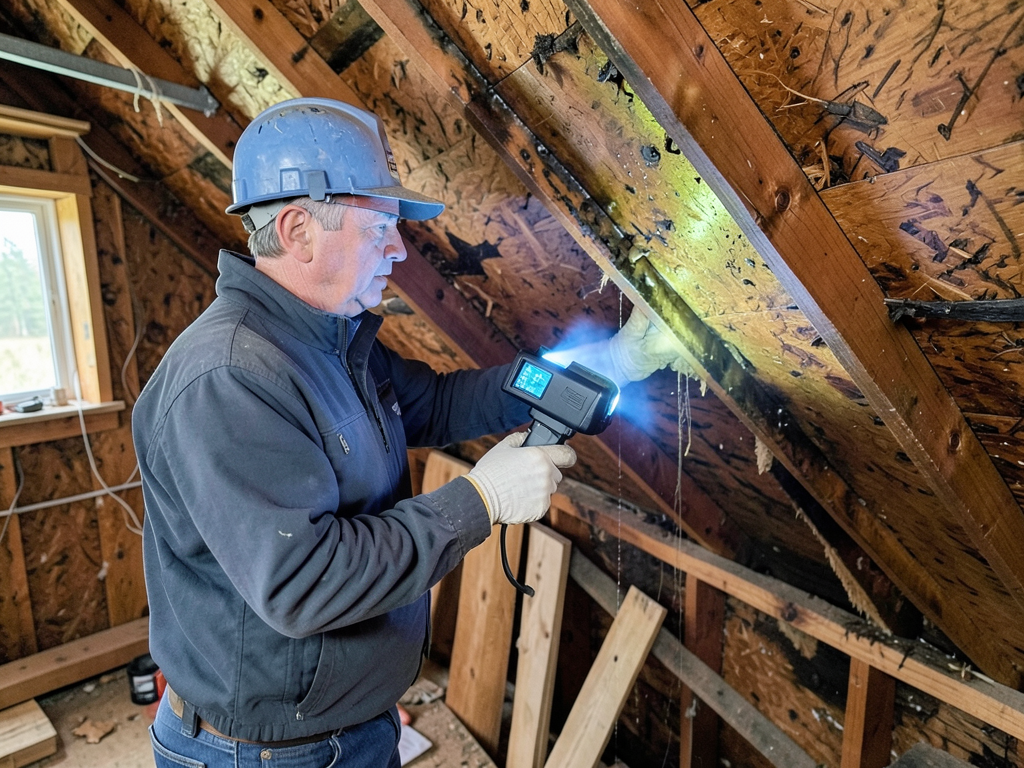
Professional assessment begins with a thorough exterior inspection using specialized equipment. Technicians use moisture meters to detect water intrusion in roof decking, infrared cameras to identify temperature variations indicating moisture, and drones to safely inspect steep or damaged areas. This multi-tool approach ensures no damage goes undetected.
The assessment process includes checking for code compliance issues that may have contributed to damage. Many Loveland homes built before 2010 lack proper ice and water shield installation, making them more vulnerable to ice dam damage. Identifying these deficiencies helps determine whether insurance will cover code upgrade costs.
Documentation during assessment is critical for insurance claims. High-resolution photos from multiple angles, measurements of damaged areas, and detailed written reports create the evidence needed for successful claims. The documentation must show the extent of damage clearly enough for adjusters to understand the scope without visiting the property.
Safety during assessment cannot be overlooked. Storm-damaged roofs may have loose materials, hidden structural damage, or electrical hazards from damaged components. Professional assessment teams use fall protection equipment and follow OSHA guidelines to prevent injuries during inspections.
Navigating the Insurance Claim Process in Loveland
Ohio insurance law requires homeowners to mitigate further damage after a storm event. This means temporary tarping or emergency repairs must be completed before the insurance adjuster arrives. Failure to mitigate can result in claim denial for additional damage that occurs after the initial event. Reliable Flat Roof Repair Services for Over-the-Rhine Business Owners.
The claim filing timeline in Ohio typically allows 365 days from the date of loss to file a claim. However, waiting creates risks as additional damage may occur and insurance companies may question why repairs weren’t initiated sooner. Filing promptly after damage assessment provides the strongest position for claim approval. Roof Repair Services.
Ohio follows specific regulations regarding contractor relationships with homeowners. The state prohibits contractors from waiving deductibles or offering cash back incentives, as this constitutes insurance fraud. Legitimate contractors focus on providing accurate damage assessments and quality repairs rather than financial arrangements that violate state law.
The adjuster meeting represents a critical point in the claim process. Homeowners should have their contractor present during this meeting to ensure all damage is properly documented. Adjusters may miss subtle damage that experienced roofing professionals recognize immediately, such as hairline cracks in flashing or granule loss that hasn’t yet created visible bare spots.
Understanding Insurance Coverage Types
Replacement Cost Value (RCV) policies provide the most comprehensive coverage for storm damage. These policies pay for the full cost of replacing damaged roofing materials at current prices, minus the deductible. The insurance company initially pays the Actual Cash Value (ACV), which is the depreciated value, then releases the remaining depreciation after work completion.
Actual Cash Value policies only cover the depreciated value of damaged materials. For a 15-year-old roof, this might represent only 40-50% of replacement costs. Homeowners with ACV policies often face significant out-of-pocket expenses when storm damage requires full replacement.
Code upgrade coverage becomes important when storm damage reveals non-compliant installations. Ohio building codes have evolved significantly over the past decade, particularly regarding ice and water shield requirements and ventilation standards. Some insurance policies include code upgrade coverage that pays for bringing the roof up to current standards during repairs.
Matching laws in Ohio require insurance companies to replace entire roof sections when damaged materials are no longer manufactured or when color fading makes partial replacement visibly mismatched. This provision often results in full roof replacement even when damage appears limited to one section.
Loveland Building Permit Requirements
The City of Loveland requires building permits for all roofing replacements, including storm damage repairs. The permit process ensures compliance with Hamilton County building codes and includes inspections at key project stages. Permit fees typically range from $150 to $300 depending on project scope.
Ice barrier requirements under Ohio Residential Code Section R905.1.2 mandate installation of ice and water shield in specific areas. For Loveland’s climate zone, this includes extending protection six feet up from roof edges and around all roof penetrations. Homes built before these requirements were enacted often need complete ice barrier replacement during storm repairs.
Ventilation requirements under Ohio code specify minimum net free vent area based on attic floor space. Inadequate ventilation contributes to ice dam formation and accelerates shingle deterioration. Storm damage repairs provide opportunities to address ventilation deficiencies that may have existed for years.
Historic district considerations apply to some Loveland neighborhoods, particularly areas near downtown. These districts may have additional requirements regarding material appearance and installation methods to maintain architectural character. Contractors familiar with local historic requirements can navigate these additional constraints effectively.
Emergency Response and Temporary Protection
Emergency tarping services in Loveland respond to storm damage 24/7. The process involves securing heavy-duty tarps over damaged areas using specialized fastening systems that withstand wind uplift. Proper tarp installation prevents additional water intrusion while permanent repairs are scheduled. Who to Call for 24-Hour Emergency Roof Leak Repair in Cincinnati.
Temporary protection effectiveness depends on proper installation techniques. Tarps must extend beyond damaged areas by at least four feet on all sides and be secured with appropriate fastening methods for the roof type. Simple nail placement through tarps often fails during subsequent storms, causing additional damage.
Emergency response timing becomes critical when severe weather threatens before permanent repairs can begin. Professional tarping services monitor weather forecasts and prioritize properties in the path of approaching storms. This proactive approach prevents additional damage that could complicate insurance claims. Emergency Tarping Service.
Documentation of emergency measures provides important evidence for insurance claims. Photos showing the extent of damage before tarping, the tarp installation process, and any temporary interior protection measures demonstrate the homeowner’s compliance with mitigation requirements.
Choosing the Right Contractor for Storm Restoration
Local experience matters significantly when selecting a contractor for storm damage restoration. Contractors familiar with Loveland’s specific weather patterns, building codes, and insurance company practices provide better outcomes than out-of-area storm chasers who appear after major events.
Verification of credentials includes checking for proper licensing through the Ohio Construction Industry Licensing Board, insurance coverage including workers’ compensation and liability insurance, and references from local projects. Reputable contractors willingly provide this documentation and encourage verification.
Contract terms require careful review before signing. Ohio law mandates specific disclosures regarding cancellation rights, payment schedules, and warranty terms. Contracts should clearly outline the scope of work, materials to be used, and the process for handling unexpected issues discovered during repairs.
Communication throughout the restoration process prevents misunderstandings and delays. Quality contractors provide regular updates, explain technical decisions, and maintain transparency about timelines and potential complications. This communication becomes especially important when coordinating with insurance adjusters and scheduling inspections.
Common Pitfalls in Storm Damage Claims
Delayed assessment represents one of the most common mistakes homeowners make after storm damage. Waiting even a few weeks allows additional damage to occur and gives insurance companies grounds to question whether damage resulted from the reported storm or subsequent events.
Accepting initial adjuster estimates without professional review often results in underpaid claims. Insurance adjusters may miss hidden damage or underestimate repair costs, particularly for complex issues like structural damage or code compliance upgrades. Having a contractor review the adjuster’s findings ensures all damage is properly accounted for.
Choosing contractors based solely on price frequently leads to poor outcomes. Storm damage restoration requires specific expertise, proper insurance, and quality materials. The lowest bid often cuts corners on critical aspects like proper fastening, underlayment installation, or code compliance.
Failing to document damage thoroughly creates problems if disputes arise during the claim process. Homeowners should take photos immediately after damage occurs, keep all receipts for emergency measures, and maintain detailed records of all communications with insurance companies and contractors.
The Restoration Timeline
Initial assessment typically occurs within 24-48 hours of contacting a professional contractor. During this visit, technicians evaluate damage, document findings, and provide preliminary estimates. This assessment forms the basis for insurance claims and repair planning.
Insurance claim processing in Ohio averages 15-30 days from filing to approval, though complex claims may take longer. During this period, emergency protection remains critical to prevent additional damage. Contractors can often begin temporary measures while waiting for claim approval.
Material procurement timing affects project schedules significantly. Common roofing materials typically arrive within one week, but specialty products or those affected by supply chain issues may require 4-6 weeks. Planning for potential delays prevents unrealistic expectations about project completion.
Actual restoration work for typical storm damage ranges from 2-5 days for asphalt shingle roofs, depending on damage extent and weather conditions. Metal roofing or complex architectural features may require additional time. Weather delays are common during spring storm season and should be factored into project planning.
Quality Assurance and Final Inspection
Final inspections verify that restoration work meets all code requirements and manufacturer specifications. These inspections check critical aspects like proper fastening patterns, underlayment installation, flashing details, and ventilation adequacy. Passing these inspections is essential for warranty validation and future insurance claims.
Warranty documentation provides important protection for homeowners. Quality contractors provide both manufacturer warranties on materials and workmanship warranties on installation. These warranties should be clearly explained, including what is covered, duration, and any maintenance requirements to maintain coverage.
Documentation provided at project completion includes all permits, inspection reports, warranty information, and payment receipts. This documentation should be stored with other important home records and may be needed for future insurance claims or home sales.
Maintenance recommendations help protect the investment in storm damage restoration. Regular inspections, gutter cleaning, and prompt attention to minor issues prevent small problems from becoming major damage during subsequent storms.
Frequently Asked Questions
How soon should I call a contractor after storm damage?
Call within 24-48 hours after the storm to schedule an assessment. Quick action prevents additional damage and ensures proper documentation for insurance claims.
Will my insurance rates increase after filing a storm damage claim?
Storm damage claims are typically considered acts of God and shouldn’t affect your rates. However, multiple claims within a short period might impact future premiums.
Can I choose my own contractor for insurance repairs?
Yes, Ohio law allows you to choose your contractor. Insurance companies cannot require you to use their preferred contractors for repairs.
What if the insurance company denies my claim?
Request a detailed explanation of the denial and consider getting a second opinion from another contractor. Many denied claims are approved after additional documentation or appeal.
How long do I have to complete repairs after claim approval?
Most insurance companies require repairs to begin within 180 days of claim approval. Check your specific policy for exact timelines and requirements.
Protecting Your Investment
Storm damage restoration represents a significant investment in your home’s protection and value. Choosing qualified professionals who understand Loveland’s specific challenges ensures the work addresses both immediate damage and underlying vulnerabilities that contributed to the initial failure.
The combination of proper assessment, thorough documentation, and quality restoration work provides peace of mind that your home can withstand future storms. This protection extends beyond the roof itself to include interior damage prevention and energy efficiency improvements that often accompany restoration work.
Building relationships with local contractors before storm damage occurs provides advantages when emergencies arise. These relationships mean faster response times, better understanding of your specific property needs, and established trust that simplifies the restoration process during stressful situations.
Call (513) 223-5511 today to schedule your free storm damage inspection and take the first step toward protecting your Loveland home. Our experienced team understands Ohio Valley weather patterns and can guide you through every step of the restoration and insurance claim process. For more information, visit National Roofing Contractors Association homeowner resources.
{
“@context”: “https://schema.org”,
“@type”: “BlogPosting”,
“headline”: “Storm Damage Restoration and Roof Claims Support for Loveland Residents”,
“description”: “Expert storm damage restoration and insurance claim support for Loveland homeowners. Navigate hail, wind, and ice damage with local professionals who understand Ohio Valley weather.”,
“wordCount”: 2434,
“datePublished”: “2026-03-04T09:41:00.000Z”,
“dateModified”: “2026-03-04T09:41:00.000Z”,
“inLanguage”: “en-US”,
“mainEntityOfPage”: {
“@type”: “WebPage”,
“@id”: “https://firstchoiceroofingcincinnati.com”
},
“publisher”: {
“@type”: “LocalBusiness”,
“name”: “First Choice Roofing Cincinnati”,
“url”: “https://firstchoiceroofingcincinnati.com”
},
“author”: {
“@type”: “Organization”,
“name”: “First Choice Roofing Cincinnati”,
“url”: “https://firstchoiceroofingcincinnati.com”
},
“image”: {
“@type”: “ImageObject”,
“url”: “https://firstchoiceroofingcincinnati.com/wp-content/uploads/2026/03/storm-damage-restoration-and-roof-claims-support-f-1.png”
}
}
{
“@context”: “https://schema.org”,
“@type”: “RoofingContractor”,
“name”: “First Choice Roofing Cincinnati”,
“url”: “https://firstchoiceroofingcincinnati.com”,
“address”: {
“@type”: “PostalAddress”,
“addressLocality”: “Cincinnati”
},
“areaServed”: {
“@type”: “City”,
“name”: “Cincinnati”
}
}
{
“@context”: “https://schema.org”,
“@type”: “FAQPage”,
“mainEntity”: [
{
“@type”: “Question”,
“name”: “How soon should I call a contractor after storm damage?”,
“acceptedAnswer”: {
“@type”: “Answer”,
“text”: “Call within 24-48 hours after the storm to schedule an assessment. Quick action prevents additional damage and ensures proper documentation for insurance claims.”
}
},
{
“@type”: “Question”,
“name”: “Will my insurance rates increase after filing a storm damage claim?”,
“acceptedAnswer”: {
“@type”: “Answer”,
“text”: “Storm damage claims are typically considered acts of God and shouldn’t affect your rates. However, multiple claims within a short period might impact future premiums.”
}
},
{
“@type”: “Question”,
“name”: “What if the insurance company denies my claim?”,
“acceptedAnswer”: {
“@type”: “Answer”,
“text”: “Request a detailed explanation of the denial and consider getting a second opinion from another contractor. Many denied claims are approved after additional documentation or appeal.”
}
},
{
“@type”: “Question”,
“name”: “How long do I have to complete repairs after claim approval?”,
“acceptedAnswer”: {
“@type”: “Answer”,
“text”: “Most insurance companies require repairs to begin within 180 days of claim approval. Check your specific policy for exact timelines and requirements.”
}
}
]
}
{
“@context”: “https://schema.org”,
“@type”: “BreadcrumbList”,
“itemListElement”: [
{
“@type”: “ListItem”,
“position”: 1,
“name”: “Home”,
“item”: “https://firstchoiceroofingcincinnati.com”
},
{
“@type”: “ListItem”,
“position”: 2,
“name”: “Blog”,
“item”: “https://firstchoiceroofingcincinnati.com/blog”
},
{
“@type”: “ListItem”,
“position”: 3,
“name”: “Storm Damage Restoration and Roof Claims Support for Loveland Residents”
}
]
}
{
“@context”: “https://schema.org”,
“@type”: “Service”,
“serviceType”: “Roofing”,
“provider”: {
“@type”: “LocalBusiness”,
“name”: “First Choice Roofing Cincinnati”,
“url”: “https://firstchoiceroofingcincinnati.com”
},
“areaServed”: {
“@type”: “City”,
“name”: “Cincinnati”
},
“description”: “Expert storm damage restoration and insurance claim support for Loveland homeowners. Navigate hail, wind, and ice damage with local professionals who understand Ohio Valley weather.”
}