
Understanding the Difference Between a Roof Leak and Simple Condensation
Finding moisture in your attic can trigger immediate panic. Is your roof failing? Are you facing thousands in repairs? Before you call for emergency service, understanding the difference between a roof leak and simple condensation could save you significant stress and money. In Cincinnati’s humid climate with dramatic temperature swings, attic condensation is surprisingly common and often mistaken for a leak. EPA Mold Information.
Why Cincinnati Homeowners Confuse These Two Issues
The Ohio Valley’s unique weather pattern creates perfect conditions for both problems. Our high humidity levels combined with frequent freeze-thaw cycles mean moisture behaves differently here than in drier climates. When warm, moist air from your living space rises into a cold attic during winter, it can create frost buildup that melts dramatically when temperatures rise, mimicking the appearance of an active leak. Ohio Residential Code.
Common Cincinnati culprits include blocked soffit vents due to over-insulation, improperly vented bathroom fans that dump moist air directly into the attic, and inadequate vapor barriers in older homes throughout neighborhoods like Oakley and Hyde Park. These issues don’t require roof replacement but do need proper ventilation correction. How to Get Your Cincinnati Roof Replaced After a Major Hail Storm.
Signs It’s Attic Condensation (The ‘Winter Leak’)
Attic condensation typically shows specific patterns that distinguish it from a true leak. The moisture appears as frost or ice crystals on the underside of the roof deck, especially near the eaves where cold air enters. When this frost melts, it creates water stains that might run along rafters or drip from specific points.
Condensation damage often appears worse after a warm spell following a cold period. You might notice the moisture is concentrated near bathroom vents, kitchen exhaust ducts, or along the ceiling where recessed lights penetrate the attic floor. The water stains are usually uniform in appearance and don’t grow larger during active rainfall.
During a visual inspection, you may find the attic feels humid and musty, with visible moisture on insulation or wood surfaces. The damage pattern typically follows the path of moist air flow rather than gravity, appearing on vertical surfaces or concentrated in specific zones rather than spreading randomly across the ceiling below.
Signs It’s a Functional Roof Leak
A true roof leak behaves differently and shows distinct characteristics. Water from a leak typically appears as active dripping during rainfall or within 24-48 hours afterward. The moisture spreads downward following gravity, creating stains that grow larger over time and often appear around penetrations like chimneys, vents, or skylights.
Roof leak damage usually shows water stains on the ceiling below with a characteristic brown or yellow discoloration. The pattern often includes peeling paint, bubbling drywall, or sagging ceiling materials. You might notice the damage is worse near exterior walls or in rooms directly below roof valleys or low spots.
During attic inspection, active leaks show wet spots on the roof deck that feel damp to the touch even days after rain. The water typically travels along rafters or roof decking before dripping down, creating a trail that leads back to the source. You might also find missing or damaged shingles, deteriorated flashing, or compromised underlayment in the affected area.
The Diagnostic Checklist: 5 Steps to Identify the Source
Before calling a professional, you can perform a basic diagnosis to determine whether you’re dealing with condensation or a leak. This process helps you understand the problem and communicate more effectively with contractors.
- Timing Analysis
Does the moisture appear only during or after rainfall? If yes, it’s likely a leak. If it appears during temperature swings or warm spells after cold periods, it’s probably condensation.
- Visual Pattern Inspection
Examine the moisture pattern. Is it concentrated near vents or following specific paths? Random spreading suggests a leak. Uniform patterns near cold surfaces suggest condensation.
- The Tissue Paper Test
Place white tissue paper on suspected wet areas. If it becomes uniformly damp without active dripping, it’s likely condensation. If it shows active water flow or increases during rain, you have a leak.
- Attic Humidity Check
Feel the attic air. High humidity with visible frost or moisture on multiple surfaces indicates condensation. Isolated wet spots suggest a leak.
- External Weather Correlation
Monitor the moisture over several days of different weather. Condensation problems persist regardless of outside rainfall, while leaks only worsen during precipitation.
Risks of Ignoring Moisture in Your Attic (Mold & Rot)
Whether from condensation or leaks, prolonged moisture exposure creates serious risks. Cincinnati’s humid climate accelerates mold growth, with spores colonizing damp wood surfaces within 24-48 hours. The combination of moisture and organic material creates ideal conditions for black mold, which poses health risks and requires professional remediation.
Wood rot represents another significant threat. Prolonged moisture exposure causes structural wood to soften and lose integrity. In Cincinnati’s older neighborhoods like Clifton and Over-the-Rhine, where many homes feature historic timber framing, this deterioration can compromise the entire roof structure. The freeze-thaw cycles common in our region worsen this damage as water expands in wood fibers.
Insulation damage compounds these issues. Wet insulation loses its R-value, reducing energy efficiency and increasing heating and cooling costs. In severe cases, saturated insulation can compress and create gaps that allow even more heat transfer, creating a cycle of increased condensation and energy waste.
Solutions for Cincinnati Homes: Ventilation vs. Repair
The solution depends entirely on your diagnosis. For condensation problems, improving attic ventilation typically resolves the issue. Ohio Building Code requires specific ventilation ratios – typically 1 square foot of net free ventilation area per 150 square feet of attic space. This often means adding soffit vents, ridge vents, or improving existing ventilation systems.
Common ventilation upgrades include installing baffles to prevent insulation from blocking soffit vents, adding powered attic fans in extreme cases, or correcting bathroom vent routing to exhaust outside rather than into the attic. These improvements cost significantly less than roof replacement while solving the underlying moisture problem.
For actual leaks, the repair approach varies by damage extent. Minor issues might involve replacing damaged flashing around chimneys or vents, repairing ice and water shield underlayment, or replacing a small section of shingles. More extensive damage could require partial or complete roof replacement, especially if the underlayment or decking is compromised. Reliable Flat Roof Repair Services for Over-the-Rhine Business Owners.
When to Call a Cincinnati Roofing Professional
While basic diagnosis is valuable, certain situations require professional assessment. If you notice active water intrusion during rainfall, see extensive mold growth, or suspect structural damage, immediate professional evaluation prevents further deterioration. The same applies if your DIY diagnosis is inconclusive or if you’re uncomfortable working in your attic.
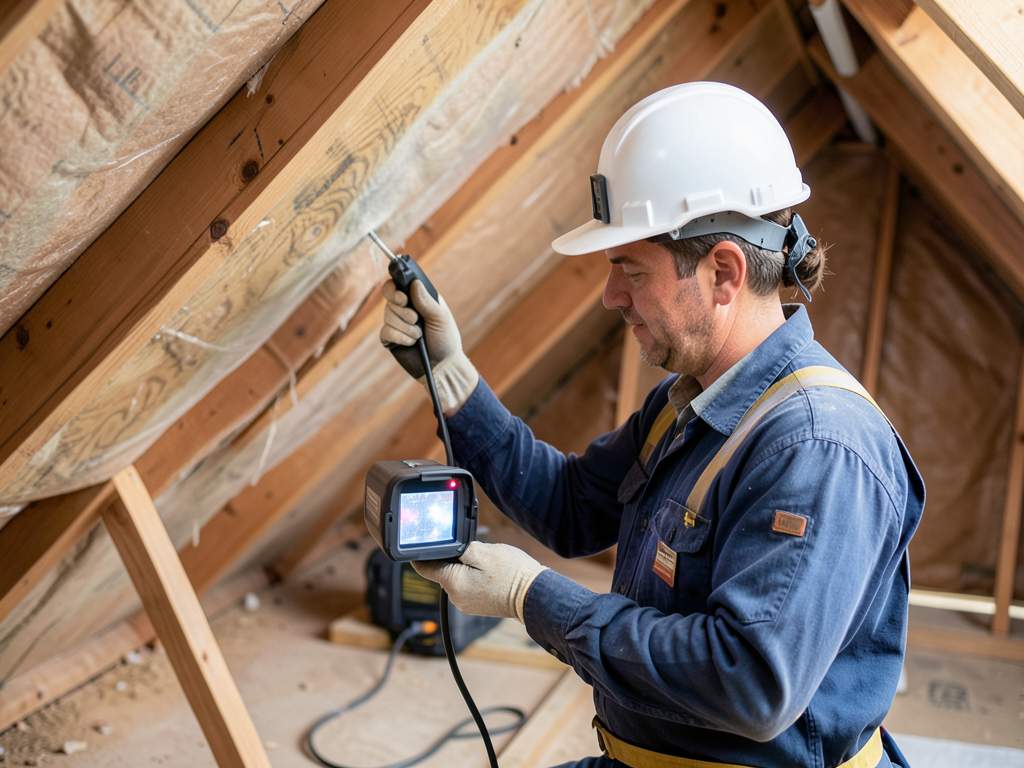
Professional roofers bring diagnostic tools that homeowners lack. Thermal imaging cameras can detect temperature variations that reveal moisture patterns invisible to the naked eye. Moisture meters measure water content in wood and insulation with precision. These tools help differentiate between active leaks, old water damage, and condensation issues.
Insurance considerations also matter. Roof leaks often qualify for homeowners insurance coverage when caused by sudden events like storm damage. Condensation damage, however, typically results from maintenance issues and may not be covered. A professional assessment provides documentation that supports insurance claims when applicable.. Read more about Navigating Insurance Denials for Roof Wind Damage in Green Township.
Call (513) 223-5511 today to schedule your inspection. Our Cincinnati-based team understands local building patterns and can quickly identify whether you’re dealing with a simple ventilation issue or a serious roof leak that needs immediate attention.
Frequently Asked Questions
How can I tell if my attic moisture is from condensation or a leak?
Check the timing and pattern. Condensation appears during temperature changes and shows uniform moisture on cold surfaces. Leaks only appear during or after rain and follow gravity patterns with active dripping or spreading stains.
Is attic condensation covered by homeowners insurance?
Generally no. Insurance typically covers sudden, accidental damage like storm-related leaks. Condensation from poor ventilation or maintenance issues is considered a preventable problem that homeowners are responsible for addressing.
How much does it cost to fix attic condensation versus a roof leak?
Condensation fixes like improved ventilation typically cost $500-$2,000. Roof leak repairs range from $300 for minor flashing repairs to $5,000+ for extensive damage or partial replacement. A proper diagnosis prevents unnecessary roof replacement costs. Roof Repair Services.
Can I fix attic condensation myself?
Basic improvements like ensuring bathroom vents exhaust outside or clearing blocked soffit vents are DIY-friendly. However, proper ventilation calculations and installation require professional expertise to meet building code requirements and ensure effectiveness.
How long can I wait to address attic moisture?
Don’t wait. Mold can begin growing within 24-48 hours of moisture exposure. Structural damage accelerates over time, and what starts as a simple ventilation issue can become a major repair if ignored through multiple freeze-thaw cycles.
Pick up the phone and call (513) 223-5511 before the next storm hits. Our experienced team provides honest assessments and will never recommend unnecessary replacement when proper ventilation correction solves the problem. Serving Cincinnati homeowners with integrity since [year].
You may also find this helpful. The Hidden Danger of Leaving Old Satellite Dishes Bolted to Your Roof.
{
“@context”: “https://schema.org”,
“@type”: “BlogPosting”,
“headline”: “Understanding the Difference Between a Roof Leak and Simple Condensation”,
“description”: “Confused by attic moisture? Learn to diagnose attic condensation vs roof leaks with this Cincinnati-specific guide from First Choice Roofing. Call (513) 223-5511.”,
“wordCount”: 1500,
“datePublished”: “2026-04-04T11:59:00.000Z”,
“dateModified”: “2026-04-04T11:59:00.000Z”,
“inLanguage”: “en-US”,
“mainEntityOfPage”: {
“@type”: “WebPage”,
“@id”: “https://firstchoiceroofingcincinnati.com”
},
“publisher”: {
“@type”: “LocalBusiness”,
“name”: “First Choice Roofing Cincinnati”,
“url”: “https://firstchoiceroofingcincinnati.com”
},
“author”: {
“@type”: “Organization”,
“name”: “First Choice Roofing Cincinnati”,
“url”: “https://firstchoiceroofingcincinnati.com”
},
“image”: {
“@type”: “ImageObject”,
“url”: “https://firstchoiceroofingcincinnati.com/wp-content/uploads/2026/03/understanding-the-difference-between-a-roof-leak-a-1.png”
}
}
{
“@context”: “https://schema.org”,
“@type”: “RoofingContractor”,
“name”: “First Choice Roofing Cincinnati”,
“url”: “https://firstchoiceroofingcincinnati.com”,
“address”: {
“@type”: “PostalAddress”,
“addressLocality”: “Cincinnati”
},
“areaServed”: {
“@type”: “City”,
“name”: “Cincinnati”
}
}
{
“@context”: “https://schema.org”,
“@type”: “FAQPage”,
“mainEntity”: [
{
“@type”: “Question”,
“name”: “How can I tell if my attic moisture is from condensation or a leak?”,
“acceptedAnswer”: {
“@type”: “Answer”,
“text”: “Check the timing and pattern. Condensation appears during temperature changes and shows uniform moisture on cold surfaces. Leaks only appear during or after rain and follow gravity patterns with active dripping or spreading stains.”
}
},
{
“@type”: “Question”,
“name”: “Is attic condensation covered by homeowners insurance?”,
“acceptedAnswer”: {
“@type”: “Answer”,
“text”: “Generally no. Insurance typically covers sudden, accidental damage like storm-related leaks. Condensation from poor ventilation or maintenance issues is considered a preventable problem that homeowners are responsible for addressing.”
}
},
{
“@type”: “Question”,
“name”: “How much does it cost to fix attic condensation versus a roof leak?”,
“acceptedAnswer”: {
“@type”: “Answer”,
“text”: “Condensation fixes like improved ventilation typically cost $500-$2,000. Roof leak repairs range from $300 for minor flashing repairs to $5,000+ for extensive damage or partial replacement. A proper diagnosis prevents unnecessary roof replacement costs. Roof Repair Services.”
}
},
{
“@type”: “Question”,
“name”: “Can I fix attic condensation myself?”,
“acceptedAnswer”: {
“@type”: “Answer”,
“text”: “Basic improvements like ensuring bathroom vents exhaust outside or clearing blocked soffit vents are DIY-friendly. However, proper ventilation calculations and installation require professional expertise to meet building code requirements and ensure effectiveness.”
}
},
{
“@type”: “Question”,
“name”: “How long can I wait to address attic moisture?”,
“acceptedAnswer”: {
“@type”: “Answer”,
“text”: “Don’t wait. Mold can begin growing within 24-48 hours of moisture exposure. Structural damage accelerates over time, and what starts as a simple ventilation issue can become a major repair if ignored through multiple freeze-thaw cycles.”
}
}
]
}
{
“@context”: “https://schema.org”,
“@type”: “HowTo”,
“name”: “How to Diagnose Attic Moisture”,
“step”: [
{
“@type”: “HowToStep”,
“position”: 1,
“name”: “Timing Analysis”,
“text”: “Does the moisture appear only during or after rainfall? If yes, it’s likely a leak. If it appears during temperature swings or warm spells after cold periods, it’s probably condensation.”
},
{
“@type”: “HowToStep”,
“position”: 2,
“name”: “Visual Pattern Inspection”,
“text”: “Examine the moisture pattern. Is it concentrated near vents or following specific paths? Random spreading suggests a leak. Uniform patterns near cold surfaces suggest condensation.”
},
{
“@type”: “HowToStep”,
“position”: 3,
“name”: “The Tissue Paper Test”,
“text”: “Place white tissue paper on suspected wet areas. If it becomes uniformly damp without active dripping, it’s likely condensation. If it shows active water flow or increases during rain, you have a leak.”
},
{
“@type”: “HowToStep”,
“position”: 4,
“name”: “Attic Humidity Check”,
“text”: “Feel the attic air. High humidity with visible frost or moisture on multiple surfaces indicates condensation. Isolated wet spots suggest a leak.”
},
{
“@type”: “HowToStep”,
“position”: 5,
“name”: “External Weather Correlation”,
“text”: “Monitor the moisture over several days of different weather. Condensation problems persist regardless of outside rainfall, while leaks only worsen during precipitation.”
}
],
“image”: “https://firstchoiceroofingcincinnati.com/wp-content/uploads/2026/03/understanding-the-difference-between-a-roof-leak-a-1.png”
}
{
“@context”: “https://schema.org”,
“@type”: “BreadcrumbList”,
“itemListElement”: [
{
“@type”: “ListItem”,
“position”: 1,
“name”: “Home”,
“item”: “https://firstchoiceroofingcincinnati.com”
},
{
“@type”: “ListItem”,
“position”: 2,
“name”: “Blog”,
“item”: “https://firstchoiceroofingcincinnati.com/blog”
},
{
“@type”: “ListItem”,
“position”: 3,
“name”: “Understanding the Difference Between a Roof Leak and Simple Condensation”
}
]
}
{
“@context”: “https://schema.org”,
“@type”: “Service”,
“serviceType”: “Roofing”,
“provider”: {
“@type”: “LocalBusiness”,
“name”: “First Choice Roofing Cincinnati”,
“url”: “https://firstchoiceroofingcincinnati.com”
},
“areaServed”: {
“@type”: “City”,
“name”: “Cincinnati”
},
“description”: “Confused by attic moisture? Learn to diagnose attic condensation vs roof leaks with this Cincinnati-specific guide from First Choice Roofing. Call (513) 223-5511.”
}