
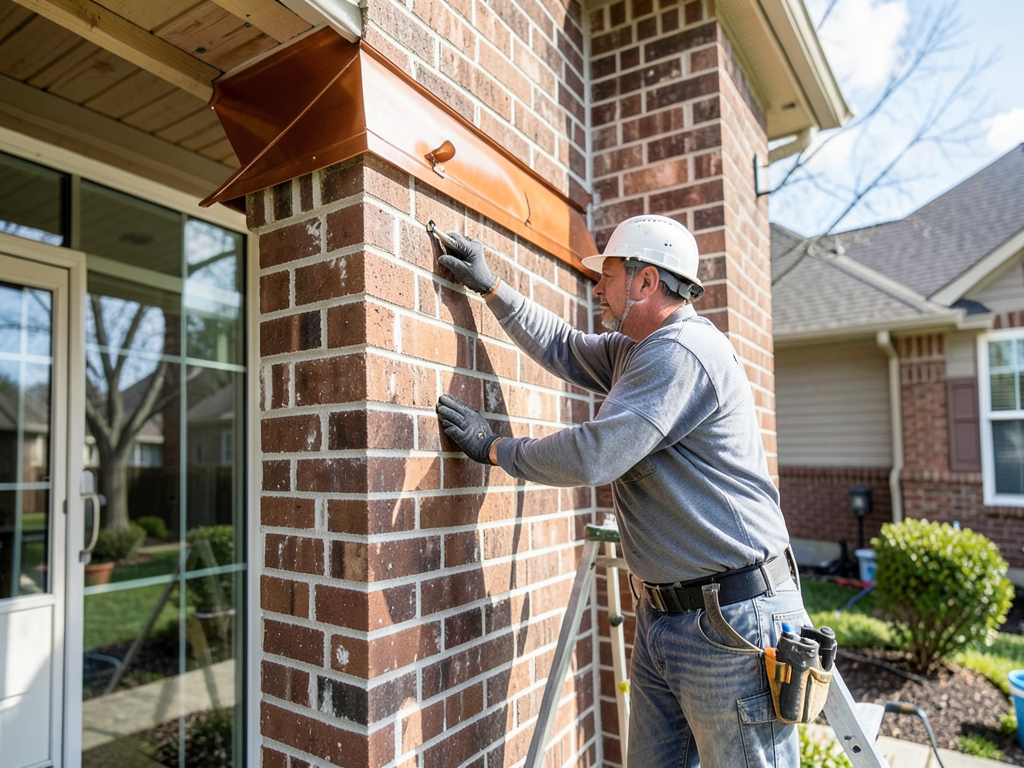
Why chimney crickets are the most underrated part of your Indian Hill roof
A chimney cricket is a small but critical structure that sits behind your chimney to divert water. In Indian Hill, where many homes have large brick chimneys and steep roof pitches, a properly installed cricket can prevent thousands of dollars in water damage. Without it, water pools behind the chimney, leading to leaks, wood rot, and ice dam formation during Cincinnati’s harsh winters. How to Get Your Cincinnati Roof Replaced After a Major Hail Storm.
Most Indian Hill homeowners never think about their chimney cricket until water stains appear on their ceiling. By then, the damage is already done. A cricket acts like a miniature roof behind your chimney, creating a slope that pushes water and debris around the obstruction instead of letting it collect.. Read more about How to tell if your Mount Washington chimney needs a new crown or just a minor repair.
Indian Hill’s historic homes, particularly those along Shawnee Run Road and near the Indian Hill Club, often feature massive masonry chimneys that were built before modern building codes. These chimneys create large flat areas where water can pond. When temperatures drop below freezing, that trapped water expands and forces its way under shingles and flashing.
The freeze-thaw cycle in Cincinnati is brutal on chimneys without crickets. Water seeps into tiny cracks, freezes overnight, and expands by about 9%. This process repeats dozens of times each winter, gradually breaking down mortar joints and creating entry points for water.
How a chimney cricket actually works
A chimney cricket consists of a sloped metal or wood frame that creates a valley behind the chimney. Water flows down both sides of the cricket and rejoins the main roof surface away from the chimney base. The cricket’s peak sits slightly higher than the chimney itself. Is Metal Roofing Worth the Investment for Your Anderson Township Home?.
The most effective crickets extend at least 6 inches beyond each side of the chimney and have a slope ratio of 2:12 or greater. This steep angle ensures water moves quickly off the surface rather than pooling. The cricket should be covered with ice and water shield membrane and flashed properly into the main roof system.
Indian Hill homes with roof pitches steeper than 8:12 particularly benefit from crickets. The increased water velocity on steep slopes means more water hits the chimney area, making proper diversion even more critical.
When building codes require a chimney cricket
The International Residential Code (IRC) Section R903.2.2 mandates crickets for chimneys wider than 30 inches that intersect the roof slope. This applies to most chimneys in Indian Hill, where brick chimneys are common and often exceed this width.
The code requires the cricket to be covered with corrosion-resistant sheet metal and properly integrated with the roof’s underlayment system. For homes in Hamilton County, local inspectors will not approve a roof replacement without verifying cricket installation where required.
Many Indian Hill homes built before 2000 may not have crickets because the requirement wasn’t always enforced. During heavy rains, these homes are especially vulnerable to water infiltration at the chimney base.
Common cricket materials and construction methods
Professional roofers typically build crickets using pressure-treated lumber for the frame, then cover them with ice and water shield before applying metal flashing. The most durable crickets use aluminum or copper flashing, which resists corrosion better than galvanized steel.
Some modern crickets use pre-formed metal saddles that bolt directly to the chimney. These are quicker to install but may not match the exact roof pitch as well as custom-built crickets.
For Indian Hill’s historic homes, copper crickets offer both durability and aesthetic appeal. The copper develops a natural patina that blends with aged brick chimneys while providing decades of protection.
Signs your chimney cricket needs repair or replacement
Water stains on ceilings near the chimney are the most obvious sign of cricket failure. However, by the time stains appear, significant damage has already occurred inside the roof structure.
Other warning signs include rusted or missing flashing around the chimney base, cracked mortar joints on the chimney itself, and water pooling in the area behind the chimney during rain. In winter, large icicles forming on the chimney face indicate poor water diversion. Signs You Need a New Roof.
A simple diagnostic test involves running a garden hose on the roof above the chimney for 15 minutes while someone checks the attic for water intrusion. This test can reveal leaks that aren’t visible from inside the home.
Cost considerations for Indian Hill homeowners
Installing a new chimney cricket during a roof replacement typically adds $800 to $1,500 to the project cost, depending on chimney size and material choices. Retrofitting a cricket to an existing roof is more expensive, often costing $1,500 to $2,500 because it requires removing surrounding shingles.
For Indian Hill’s larger chimneys, which are common on estate properties, crickets may cost more due to increased material requirements and the need for custom fabrication to match steep roof pitches.
While this represents a significant upfront cost, it’s far less expensive than repairing water damage to ceilings, walls, and structural framing that occurs when crickets fail. EPA stormwater management resources.
Maintenance tips to extend your cricket’s life
Annual inspections can catch cricket problems before they cause interior damage. Check for loose or missing flashing, especially after severe weather. Look for signs of rust on metal components and ensure the cricket’s slope hasn’t been compromised by settling.
Keep the area behind the chimney clear of leaves and debris. Accumulated organic material retains moisture and accelerates deterioration of the cricket and surrounding roofing materials.
After major storms, visually inspect the cricket area from the ground using binoculars. Look for displaced shingles or flashing that might indicate damage requiring professional attention.
Why Indian Hill’s climate makes crickets essential
Cincinnati experiences an average of 42 inches of rain annually, with most falling during spring thunderstorms. Indian Hill’s slightly higher elevation means roofs here often experience stronger wind-driven rain that finds its way behind chimneys.
Winter presents additional challenges. The area averages 22 inches of snow per year, and freeze-thaw cycles occur frequently from December through March. Each cycle stresses roofing materials around chimneys without proper water diversion.
Indian Hill’s mature tree canopy, while beautiful, contributes to the problem. Falling leaves and twigs accumulate behind chimneys, creating dams that trap water against the roof surface.
Professional installation considerations
Proper cricket installation requires matching the cricket’s slope to the existing roof pitch. A mismatch creates an unnatural transition that can lead to water infiltration or ice dam formation.
Experienced roofers in Indian Hill understand the unique challenges of working on historic homes. Many properties along Drake Road and near the Indian Hill Historical Society have chimneys that require custom flashing details to maintain architectural integrity while providing modern waterproofing.
Professional installation also includes proper integration with the home’s gutter system. Water diverted by the cricket should flow into gutters rather than creating new drainage paths that could erode landscaping.
Energy efficiency benefits
A properly installed cricket can actually improve your home’s energy efficiency. By preventing ice dam formation, it reduces heat loss through the roof that occurs when snow melts and refreezes at the eaves.
Some Indian Hill homeowners combine cricket installation with cool roof technologies. Light-colored cricket materials reflect more heat in summer, reducing cooling costs for homes with large south-facing roof areas.
The improved water management also protects insulation in the attic. Wet insulation loses much of its R-value, forcing heating and cooling systems to work harder.
Comparing cricket materials
| Material | Cost Range | Lifespan | Best For |
|---|---|---|---|
| Galvanized Steel | $300-$500 | 15-20 years | Budget installations |
| Aluminum | $400-$600 | 25-30 years | Most residential applications |
| Copper | $600-$900 | 50+ years | Historic homes, premium installations |
DIY vs. professional installation
While handy homeowners might be tempted to build their own cricket, the risks often outweigh the savings. Improper flashing installation is the leading cause of chimney leaks, and mistakes can lead to thousands in water damage.
Professional roofers have the tools and experience to create crickets that match complex roof pitches and integrate seamlessly with existing roofing materials. They also understand local building codes and can ensure your installation passes inspection.
For Indian Hill’s historic properties, professional installation helps preserve architectural details while meeting modern waterproofing standards.
Frequently Asked Questions
Do all chimneys need crickets?
Building codes require crickets for chimneys wider than 30 inches that intersect the roof slope. Smaller chimneys may not legally require crickets, but many roofers recommend them anyway for added protection.
How long does a chimney cricket last?
A properly installed cricket using quality materials typically lasts 20-30 years. Copper crickets can last 50+ years. The cricket’s lifespan often matches or exceeds the roof covering it protects.
Can I install a cricket on a tile roof?
Yes, but tile roofs require special considerations. The cricket must be designed to work with the specific tile profile, and installation often requires removing more surrounding tiles to ensure proper integration.
Final thoughts on chimney crickets
A chimney cricket may seem like a small detail, but it’s one of the most important water management features on your roof. For Indian Hill homeowners, where historic homes and harsh weather combine to create unique roofing challenges, a properly installed cricket is essential protection.
Don’t wait for water stains to appear before addressing your chimney’s water diversion needs. A proactive approach saves money and prevents the stress of emergency repairs during Cincinnati’s rainy seasons. Reliable Flat Roof Repair Services for Over-the-Rhine Business Owners.
Call (513) 223-5511 today to schedule your inspection and ensure your chimney cricket is protecting your home as it should. For more information, visit Simpson Strong-Tie chimney cricket guide.
You may also find this helpful. Why high-end synthetic slate is a smarter long-term investment for Indian Hill estates.
{
“@context”: “https://schema.org”,
“@type”: “BlogPosting”,
“headline”: “Why chimney crickets are the most underrated part of your Indian Hill roof”,
“description”: “Learn why chimney crickets are critical for Indian Hill homes. Discover how this water diverter prevents leaks and ice dams in Cincinnati’s freeze-thaw climate.”,
“wordCount”: 1602,
“datePublished”: “2026-06-01T10:49:00.000Z”,
“dateModified”: “2026-06-01T10:49:00.000Z”,
“inLanguage”: “en-US”,
“mainEntityOfPage”: {
“@type”: “WebPage”,
“@id”: “https://firstchoiceroofingcincinnati.com”
},
“publisher”: {
“@type”: “LocalBusiness”,
“name”: “First Choice Roofing Cincinnati”,
“url”: “https://firstchoiceroofingcincinnati.com”
},
“author”: {
“@type”: “Organization”,
“name”: “First Choice Roofing Cincinnati”,
“url”: “https://firstchoiceroofingcincinnati.com”
},
“image”: {
“@type”: “ImageObject”,
“url”: “https://firstchoiceroofingcincinnati.com/wp-content/uploads/2026/03/why-chimney-crickets-are-the-most-underrated-part-1.png”
}
}
{
“@context”: “https://schema.org”,
“@type”: “RoofingContractor”,
“name”: “First Choice Roofing Cincinnati”,
“url”: “https://firstchoiceroofingcincinnati.com”,
“address”: {
“@type”: “PostalAddress”,
“addressLocality”: “Cincinnati”
},
“areaServed”: {
“@type”: “City”,
“name”: “Cincinnati”
}
}
{
“@context”: “https://schema.org”,
“@type”: “FAQPage”,
“mainEntity”: [
{
“@type”: “Question”,
“name”: “Do all chimneys need crickets?”,
“acceptedAnswer”: {
“@type”: “Answer”,
“text”: “Building codes require crickets for chimneys wider than 30 inches that intersect the roof slope. Smaller chimneys may not legally require crickets, but many roofers recommend them anyway for added protection.”
}
},
{
“@type”: “Question”,
“name”: “How long does a chimney cricket last?”,
“acceptedAnswer”: {
“@type”: “Answer”,
“text”: “A properly installed cricket using quality materials typically lasts 20-30 years. Copper crickets can last 50+ years. The cricket’s lifespan often matches or exceeds the roof covering it protects.”
}
},
{
“@type”: “Question”,
“name”: “Can I install a cricket on a tile roof?”,
“acceptedAnswer”: {
“@type”: “Answer”,
“text”: “Yes, but tile roofs require special considerations. The cricket must be designed to work with the specific tile profile, and installation often requires removing more surrounding tiles to ensure proper integration.”
}
}
]
}
{
“@context”: “https://schema.org”,
“@type”: “BreadcrumbList”,
“itemListElement”: [
{
“@type”: “ListItem”,
“position”: 1,
“name”: “Home”,
“item”: “https://firstchoiceroofingcincinnati.com”
},
{
“@type”: “ListItem”,
“position”: 2,
“name”: “Blog”,
“item”: “https://firstchoiceroofingcincinnati.com/blog”
},
{
“@type”: “ListItem”,
“position”: 3,
“name”: “Why chimney crickets are the most underrated part of your Indian Hill roof”
}
]
}
{
“@context”: “https://schema.org”,
“@type”: “Service”,
“serviceType”: “Roofing”,
“provider”: {
“@type”: “LocalBusiness”,
“name”: “First Choice Roofing Cincinnati”,
“url”: “https://firstchoiceroofingcincinnati.com”
},
“areaServed”: {
“@type”: “City”,
“name”: “Cincinnati”
},
“description”: “Learn why chimney crickets are critical for Indian Hill homes. Discover how this water diverter prevents leaks and ice dams in Cincinnati’s freeze-thaw climate.”
}