
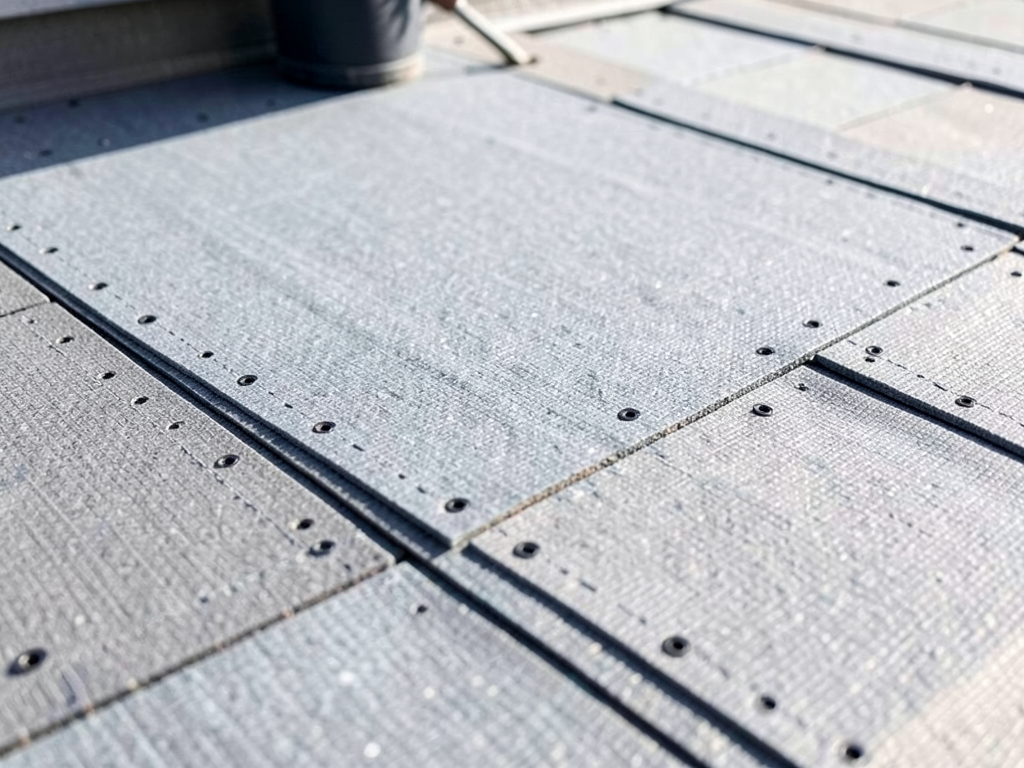
The Truth About Roof Underlayment in Cincinnati
Your roof’s underlayment is the hidden barrier that protects your home from Cincinnati’s volatile weather. When heavy thunderstorms roll through the Ohio Valley or winter brings freeze-thaw cycles, this secondary layer becomes your first line of defense. Most homeowners focus on shingle selection but overlook the critical role underlayment plays in long-term roof performance. How to Get Your Cincinnati Roof Replaced After a Major Hail Storm.
Traditional asphalt-saturated felt has been the standard for decades but synthetic materials now offer superior protection for our specific climate challenges. The difference becomes obvious when you consider Cincinnati’s 42 inches of annual rainfall, high humidity levels, and temperature swings that can drop below freezing overnight.
Synthetic underlayment provides better moisture resistance, tear strength, and UV protection than felt paper. While the upfront cost runs $300 to $500 higher on a typical roof, the enhanced protection often prevents costly water damage repairs that felt underlayment cannot stop. EPA guidelines on roofing materials.
How Traditional Felt Paper Performs in Cincinnati Weather
Asphalt-saturated felt comes in two weights: 15-pound and 30-pound. The numbers indicate thickness and durability with 30-pound offering better tear resistance but still falling short of synthetic alternatives.
Felt paper absorbs moisture like a sponge. When Cincinnati’s summer humidity climbs above 80 percent, felt swells and wrinkles. These wrinkles telegraph through shingles creating visible bumps and potentially breaking the seal between shingles. The material also becomes brittle in cold weather, cracking under the pressure of ice dam formation common in our freeze-thaw cycles.. Read more about Choosing Between Ridge Vents and Solar Powered Attic Fans for Your Blue Ash Home.
UV exposure limits felt’s exposure time to 30 days maximum before degradation begins. During spring storms when roofing schedules get delayed, felt can deteriorate before shingles install. The material also becomes dangerously slippery when wet making installation hazardous for roofing crews. Is Metal Roofing Worth the Investment for Your Anderson Township Home?.
Synthetic Underlayment Advantages for Ohio Homes
Modern synthetic underlayment uses polypropylene or polyethylene materials that resist moisture absorption entirely. These materials maintain dimensional stability in Cincinnati’s humidity preventing the wrinkling that plagues felt paper.
The slip-resistant surface provides better traction for installers even in wet conditions. Many synthetic products feature a textured surface with a coefficient of friction exceeding 0.8 compared to 0.5 for wet felt paper. This safety improvement reduces workplace accidents and speeds installation.
Synthetic materials withstand UV exposure for 90 to 180 days depending on the product. This extended exposure time proves crucial during Cincinnati’s stormy spring season when weather delays are common. The material also maintains flexibility in sub-freezing temperatures preventing the cracking that occurs with felt paper.
Permeability ratings typically range from 5 to 20 perms for synthetic underlayment. This allows moisture vapor from your attic to escape while blocking liquid water penetration. Proper attic ventilation becomes even more critical with synthetic underlayment since it does not absorb and release moisture like felt paper.
Technical Comparison: Synthetic vs Felt Underlayment
| Characteristic | Synthetic Underlayment | Asphalt Felt Paper |
|---|---|---|
| Tear Strength | 200-400 pounds per square inch | 15-30 pounds per square inch |
| Weight per Square | 10-25 pounds | 15-30 pounds |
| UV Exposure Time | 90-180 days | 30 days |
| Slip Resistance | 0.8+ coefficient | 0.5 when wet |
| Cost per Square | $40-$60 | $20-$30 |
Cincinnati Climate Impact on Underlayment Choice
Cincinnati’s weather patterns create unique challenges for roofing materials. Our high humidity levels cause felt paper to absorb moisture and expand creating waves that telegraph through shingles. The resulting bumps break the adhesive seal between shingles allowing wind-driven rain to penetrate.. Read more about Why Steep Slope Roofing Requires Specialized Safety and Installation in Mt. Adams.
Winter freeze-thaw cycles generate ice dams along roof edges. As snow melts during the day and refreezes at night, water backs up under shingles. Synthetic underlayment with ice and water shield provides superior protection in these conditions compared to standard felt paper.
Spring thunderstorms bring wind-driven rain that tests underlayment integrity. Synthetic materials with higher tear strength resist damage from wind uplift better than felt paper. The non-woven construction prevents the delamination that can occur when felt paper separates from its asphalt coating.
Ohio Residential Code Chapter 9 requires ice barrier underlayment in designated weather areas. Hamilton County falls within these requirements mandating ice and water shield extending at least 24 inches inside the exterior wall line. Synthetic underlayment typically meets or exceeds these code requirements while providing additional benefits.
Cost Analysis for Cincinnati Homeowners
The price difference between synthetic and felt underlayment translates to approximately $300 to $500 on a typical 2,000 square foot roof. This represents about 3 to 5 percent of total roof replacement cost but delivers significant performance advantages.
Installation labor runs slightly higher for synthetic materials due to the precision required for overlaps and fastening. However, the improved safety and faster coverage often offset these costs. Crews can walk on synthetic underlayment sooner after rain reducing weather-related delays.
Long-term cost savings emerge from prevented water damage. A single roof leak can cost $2,000 to $5,000 in drywall repair, insulation replacement, and mold remediation. Synthetic underlayment’s superior protection reduces this risk substantially. Reliable Flat Roof Repair Services for Over-the-Rhine Business Owners.
Insurance companies in Ohio increasingly recognize synthetic underlayment’s benefits. Some carriers offer premium discounts for homes with enhanced underlayment systems particularly in areas prone to wind or hail damage.. Read more about Why your Reading bungalow is so prone to ice dams every winter.
Installation Best Practices for Maximum Protection
Proper installation determines underlayment performance regardless of material choice. Synthetic underlayment requires specific fastening patterns with plastic cap nails or staples placed every 6 to 8 inches along edges and every 12 inches in the field.
Overlap requirements differ between materials. Synthetic underlayment typically needs 6-inch side laps and 8-inch end laps compared to 2-inch and 4-inch for felt paper. These wider overlaps create better water shedding but require more material.
Ventilation integration becomes critical with synthetic underlayment. The material’s low permeability means attic moisture must escape through ridge vents and soffit vents. Blocked ventilation can trap moisture leading to condensation problems.
Shingle compatibility requires verification. Some synthetic underlayments work better with specific shingle brands or types. Manufacturers often provide approved underlayment lists for their shingle systems to maintain warranty coverage.
Frequently Asked Questions
Can I use both synthetic underlayment and ice and water shield?
Yes synthetic underlayment works perfectly with ice and water shield. Apply ice and water shield in vulnerable areas like valleys eaves and around penetrations then cover the remaining deck with synthetic underlayment. This combination provides maximum protection against Cincinnati’s weather extremes.. Read more about Comparing Open and Closed Roof Valleys for Better Drainage in Heavily Wooded Areas.
How long does synthetic underlayment last compared to felt paper?
Synthetic underlayment typically lasts the life of the roof which ranges from 20 to 50 years depending on shingle type. Felt paper often deteriorates before shingle replacement becoming brittle and losing its protective properties. The synthetic material maintains its integrity throughout the roof’s service life.
Is synthetic underlayment worth the extra cost for a roof replacement?
For Cincinnati homes the answer is usually yes. The enhanced moisture protection tear resistance and UV stability justify the $300 to $500 premium. When you consider the cost of water damage repairs and the peace of mind during storm season synthetic underlayment provides excellent value. Roof Repair Services.
Making the Right Choice for Your Cincinnati Home
Your roof replacement represents a significant investment in your home’s protection. Underlayment selection impacts performance more than most homeowners realize. Cincinnati’s specific weather patterns humidity levels and building codes make synthetic underlayment the superior choice for most local homes.
Consider your home’s age roof pitch and surrounding trees when making your decision. Older homes with poor attic ventilation benefit more from synthetic underlayment’s moisture management. Steep roofs in wooded areas need the enhanced tear strength synthetic materials provide.
Quality roofing contractors in Cincinnati increasingly recommend synthetic underlayment as standard practice. The material’s benefits in safety installation speed and long-term protection outweigh the modest cost increase for most homeowners.
Protect Your Home with Expert Installation
Choosing the right underlayment is just one part of a successful roof replacement. Proper installation techniques ventilation integration and flashing details all contribute to your roof’s long-term performance. A quality roofing contractor understands how these elements work together to protect your Cincinnati home.
Don’t wait for the next storm to discover your roof’s weaknesses. Call (513) 223-5511 today to schedule a comprehensive roof inspection. Our experienced team will evaluate your current roof condition recommend the best underlayment option for your specific home and provide a detailed proposal with no high-pressure sales tactics. For more information, visit ASHRAE standards for building ventilation.
You may also find this helpful. Everything You Should Look for When Your Roofer Inspects the Valley Flashing.
Pick up the phone and call (513) 223-5511 before the next heavy rain hits. Your home deserves the best protection available and synthetic underlayment delivers that protection where traditional felt paper falls short. Serving Cincinnati homeowners with honest expert advice since 2010.
{
“@context”: “https://schema.org”,
“@type”: “BlogPosting”,
“headline”: “Why Your New Roof Needs a High Quality Synthetic Underlayment Instead of Felt Paper”,
“description”: “Learn why synthetic underlayment outperforms traditional felt in Cincinnati’s humid climate. Discover the technical advantages that protect your roof and your investment.”,
“wordCount”: 1435,
“datePublished”: “2026-05-05T14:13:00.000Z”,
“dateModified”: “2026-05-05T14:13:00.000Z”,
“inLanguage”: “en-US”,
“mainEntityOfPage”: {
“@type”: “WebPage”,
“@id”: “https://firstchoiceroofingcincinnati.com”
},
“publisher”: {
“@type”: “LocalBusiness”,
“name”: “First Choice Roofing Cincinnati”,
“url”: “https://firstchoiceroofingcincinnati.com”
},
“author”: {
“@type”: “Organization”,
“name”: “First Choice Roofing Cincinnati”,
“url”: “https://firstchoiceroofingcincinnati.com”
},
“image”: {
“@type”: “ImageObject”,
“url”: “https://firstchoiceroofingcincinnati.com/wp-content/uploads/2026/03/why-your-new-roof-needs-a-high-quality-synthetic-u-1.png”
}
}
{
“@context”: “https://schema.org”,
“@type”: “RoofingContractor”,
“name”: “First Choice Roofing Cincinnati”,
“url”: “https://firstchoiceroofingcincinnati.com”,
“address”: {
“@type”: “PostalAddress”,
“addressLocality”: “Cincinnati”
},
“areaServed”: {
“@type”: “City”,
“name”: “Cincinnati”
}
}
{
“@context”: “https://schema.org”,
“@type”: “FAQPage”,
“mainEntity”: [
{
“@type”: “Question”,
“name”: “Can I use both synthetic underlayment and ice and water shield?”,
“acceptedAnswer”: {
“@type”: “Answer”,
“text”: “Yes synthetic underlayment works perfectly with ice and water shield. Apply ice and water shield in vulnerable areas like valleys eaves and around penetrations then cover the remaining deck with synthetic underlayment. This combination provides maximum protection against Cincinnati’s weather extremes.”
}
},
{
“@type”: “Question”,
“name”: “How long does synthetic underlayment last compared to felt paper?”,
“acceptedAnswer”: {
“@type”: “Answer”,
“text”: “Synthetic underlayment typically lasts the life of the roof which ranges from 20 to 50 years depending on shingle type. Felt paper often deteriorates before shingle replacement becoming brittle and losing its protective properties. The synthetic material maintains its integrity throughout the roof’s service life.”
}
}
]
}
{
“@context”: “https://schema.org”,
“@type”: “BreadcrumbList”,
“itemListElement”: [
{
“@type”: “ListItem”,
“position”: 1,
“name”: “Home”,
“item”: “https://firstchoiceroofingcincinnati.com”
},
{
“@type”: “ListItem”,
“position”: 2,
“name”: “Blog”,
“item”: “https://firstchoiceroofingcincinnati.com/blog”
},
{
“@type”: “ListItem”,
“position”: 3,
“name”: “Why Your New Roof Needs a High Quality Synthetic Underlayment Instead of Felt Paper”
}
]
}
{
“@context”: “https://schema.org”,
“@type”: “Service”,
“serviceType”: “Roofing”,
“provider”: {
“@type”: “LocalBusiness”,
“name”: “First Choice Roofing Cincinnati”,
“url”: “https://firstchoiceroofingcincinnati.com”
},
“areaServed”: {
“@type”: “City”,
“name”: “Cincinnati”
},
“description”: “Learn why synthetic underlayment outperforms traditional felt in Cincinnati’s humid climate. Discover the technical advantages that protect your roof and your investment.”
}