
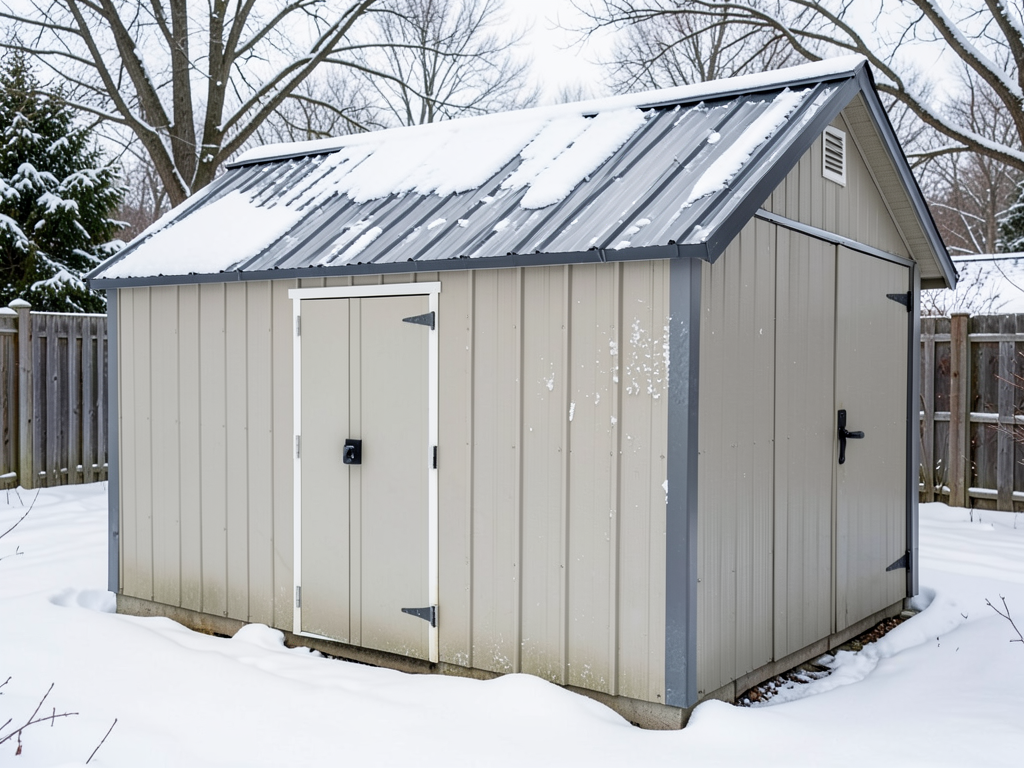
Deciding Between Traditional Shingles and Ribbed Metal for Your New Backyard Shed
Choosing the right roofing material for your backyard shed in Cincinnati means balancing durability against Ohio’s harsh seasonal swings upfront costs and long-term maintenance. Traditional asphalt shingles offer a familiar look and lower initial price while ribbed metal delivers superior weather resistance and decades of service life. This guide breaks down how each material performs in Cincinnati’s humid summers freeze-thaw winters and spring storm season so you can make the best choice for your specific needs. Ohio Residential Code Chapter 9.
Cincinnati’s climate creates unique challenges for shed roofing. High humidity in summer promotes mold and algae growth on organic materials while winter freeze-thaw cycles can cause cracking and lifting on poorly sealed surfaces. Spring thunderstorms bring heavy rainfall and occasional hail that test the structural integrity of any roof. Understanding these local factors helps you avoid costly replacements and ensures your shed stays dry and secure year-round. How to Get Your Cincinnati Roof Replaced After a Major Hail Storm.
Key Differences Between Asphalt Shingles and Ribbed Metal
Asphalt shingles remain the most popular choice for sheds due to their affordability and ease of installation. They come in two main types: three-tab shingles with a flat profile and architectural shingles with a dimensional look. Three-tab shingles typically last 15 to 20 years in Cincinnati’s climate while architectural versions can reach 25 to 30 years with proper maintenance.
Ribbed metal roofing often made from galvanized steel or aluminum offers a modern appearance and exceptional durability. These panels interlock to create a weather-tight seal that resists wind uplift hail impact and UV degradation. A quality ribbed metal roof can last 40 to 70 years with minimal upkeep making it a long-term investment for property owners who want to avoid frequent replacements. Is Metal Roofing Worth the Investment for Your Anderson Township Home?.
Performance in Cincinnati Weather Conditions
Humidity levels in Cincinnati frequently exceed 70 percent during summer months creating ideal conditions for algae and moss growth on organic roofing materials. Asphalt shingles treated with copper or zinc granules can resist this biological growth but untreated surfaces may develop dark streaks within a few years. Metal roofing naturally resists mold and mildew because its smooth surface does not retain moisture.
Winter presents different challenges. Ice dams form when snow melts on a warm roof surface then refreezes at the colder eaves forcing water under shingles. While ice and water shield underlayment can protect against this metal roofing’s smooth surface allows snow and ice to slide off more easily reducing ice dam formation. This same characteristic requires snow guards in areas where falling ice could damage property or injure people.
Spring thunderstorms in the Ohio Valley can produce wind gusts exceeding 60 miles per hour. Standard asphalt shingles rated for 60 mph winds may lose tabs during severe storms while ribbed metal panels rated for 120 mph winds remain secure. The interlocking design of metal panels distributes wind loads across multiple attachment points providing superior resistance to uplift forces.
Cost Comparison and Installation Considerations
Initial material costs for asphalt shingles typically range from $1.50 to $3.50 per square foot while ribbed metal panels cost between $3.00 and $6.00 per square foot. Installation labor for shingles averages $1.00 to $2.00 per square foot whereas metal roofing installation requires specialized skills and costs $2.00 to $4.00 per square foot.
A basic 10×12 shed with asphalt shingles might cost $300 to $500 in materials and $100 to $200 in labor. The same shed with ribbed metal could cost $500 to $900 in materials and $200 to $400 in labor. These estimates assume standard roof pitches and do not include underlayment flashing or trim components.
DIY installation is possible with both materials but metal roofing requires more precise cutting and handling to avoid damaging panels. Asphalt shingles can be installed with basic tools and roofing nails making them more accessible for homeowners who want to save on labor costs. However improper installation of either material can void warranties and lead to premature failure.
Maintenance Requirements and Longevity
Asphalt shingle roofs require regular inspection for missing or damaged tabs especially after severe weather. Moss and algae should be cleaned with a gentle solution to prevent deterioration of the asphalt base. Granule loss over time reduces UV protection and can accelerate aging. Most shingle roofs need replacement every 15 to 25 years in Cincinnati’s climate.
Metal roofing maintenance is minimal but important. Loose fasteners should be tightened and sealant around penetrations should be checked annually. Rust can develop on steel panels if the galvanized coating is damaged requiring spot treatment with rust converter and matching paint. Aluminum panels resist corrosion but may oxidize creating a chalky surface that some homeowners find undesirable.
The extended lifespan of metal roofing means fewer replacements over the life of your property. While the initial investment is higher the total cost per year of service often favors metal when calculated over a 30 to 50-year period. This makes metal roofing attractive for property owners planning long-term ownership or seeking to minimize future maintenance expenses.
Local Building Code Compliance in Hamilton County
Hamilton County building codes require all roofing installations to comply with the Ohio Residential Code Chapter 9 which mandates specific underlayment requirements ice barrier installation and proper fastening methods. For sheds under 200 square feet permits are typically not required but compliance with code requirements remains mandatory.
The code requires ice barrier underlayment extending at least 24 inches inside the exterior wall line for heated structures. While most sheds are unheated installing ice barrier still provides additional protection against wind-driven rain and ice damming. Proper drip edge installation is also required to direct water away from fascia and prevent rot.
Wind uplift resistance is another code consideration. The Ohio Residential Code specifies minimum fastener spacing and types based on roof slope and expected wind speeds. Ribbed metal panels must be installed with screws and neoprene washers at manufacturer-specified intervals to maintain warranty coverage and code compliance.
Energy Efficiency and Environmental Impact
Roof color affects energy performance in Cincinnati’s climate. Light-colored shingles or metal panels reflect more solar radiation reducing cooling costs during humid summers. Dark colors absorb heat which can be beneficial in winter but increases cooling loads in summer. Some metal roofing products feature reflective coatings that can reduce roof surface temperatures by 50 to 60 degrees Fahrenheit.
Material recyclability varies significantly between options. Asphalt shingles are petroleum-based products that typically end up in landfills though some recycling programs exist for tear-off shingles. Metal roofing is 100 percent recyclable at the end of its service life and many products contain recycled content. This environmental consideration appeals to homeowners focused on sustainability.
Roof pitch also influences energy performance and material selection. Low-slope roofs under 2:12 pitch require different materials than steep roofs. Asphalt shingles are not suitable for slopes below 2:12 while specialized membrane systems work better. Metal roofing can be installed on any pitch but may require different fastening systems for low slopes to prevent water infiltration.
Making the Right Choice for Your Shed
Consider your priorities when selecting roofing material. If initial cost is the primary concern and you plan to replace the shed within 10 to 15 years asphalt shingles provide adequate performance at a lower price point. For long-term durability minimal maintenance and superior weather resistance ribbed metal offers better value despite higher upfront costs.
Local availability of materials and qualified installers should also factor into your decision. Cincinnati has numerous suppliers for both asphalt shingles and metal roofing but finding experienced metal roofing installers may require more research. DIY capability timeline constraints and matching existing structures on your property can all influence the final choice.
Weather patterns in Cincinnati suggest that investing in higher wind and impact resistance pays dividends over time. The combination of high humidity freeze-thaw cycles and severe thunderstorms makes durability a key consideration. Whether you choose traditional shingles or ribbed metal proper installation according to local codes ensures your shed roof will protect your belongings for years to come.
Frequently Asked Questions
Which roofing material lasts longer in Cincinnati weather?
Ribbed metal roofing typically lasts 40 to 70 years in Cincinnati’s climate while asphalt shingles last 15 to 30 years. Metal resists humidity UV damage and storm impacts better than organic materials.
Do I need a permit for a shed roof in Hamilton County?
Sheds under 200 square feet usually do not require permits in Hamilton County but all installations must comply with Ohio Residential Code Chapter 9 requirements for underlayment and fastening.
Can I install metal roofing over existing shingles?
Installing metal over shingles is possible but not recommended for sheds. The added weight and trapped moisture between layers can cause premature failure. Complete removal of existing roofing ensures proper installation and code compliance.
How much does shed roofing cost in Cincinnati?
Asphalt shingle shed roofing costs $400 to $700 total for materials and installation while ribbed metal costs $700 to $1300. These estimates assume standard 10×12 shed dimensions and typical roof pitches.
Which material handles Cincinnati storms better?
Ribbed metal roofing handles Cincinnati storms better due to superior wind uplift resistance and impact protection. Metal panels rated for 120 mph winds outperform standard shingles rated for 60 mph in severe thunderstorms.
- Assess Your Climate Needs
Evaluate Cincinnati’s humidity freeze-thaw cycles and storm frequency to determine required durability and weather resistance.
- Calculate Total Cost of Ownership
Compare initial material costs against expected lifespan and maintenance requirements to determine long-term value.
- Check Local Code Requirements
Verify compliance with Hamilton County building codes for underlayment ice barriers and fastening methods.
- Consider Installation Options
Decide between DIY installation for asphalt shingles or professional installation for ribbed metal roofing.
- Plan for Maintenance
Schedule regular inspections and cleaning based on your chosen material’s specific maintenance needs.
Ready to upgrade your shed with durable roofing that withstands Cincinnati’s toughest weather? Call (513) 223-5511 today to schedule your inspection and get expert recommendations for your specific needs. Don’t wait until the next storm damages your belongings. For more information, visit Energy.gov roofing materials guide.
You may also find this helpful. How the river breeze in Sayler Park can actually lift your roof shingles.
{
“@context”: “https://schema.org”,
“@type”: “BlogPosting”,
“headline”: “Deciding Between Traditional Shingles and Ribbed Metal for Your New Backyard Shed”,
“description”: “Compare traditional shingles vs ribbed metal roofing for Cincinnati sheds. Learn about durability, costs, and weather resistance for your backyard structure.”,
“wordCount”: 1689,
“datePublished”: “2026-05-13T14:57:00.000Z”,
“dateModified”: “2026-05-13T14:57:00.000Z”,
“inLanguage”: “en-US”,
“mainEntityOfPage”: {
“@type”: “WebPage”,
“@id”: “https://firstchoiceroofingcincinnati.com”
},
“publisher”: {
“@type”: “LocalBusiness”,
“name”: “First Choice Roofing Cincinnati”,
“url”: “https://firstchoiceroofingcincinnati.com”
},
“author”: {
“@type”: “Organization”,
“name”: “First Choice Roofing Cincinnati”,
“url”: “https://firstchoiceroofingcincinnati.com”
},
“image”: {
“@type”: “ImageObject”,
“url”: “https://firstchoiceroofingcincinnati.com/wp-content/uploads/2026/03/deciding-between-traditional-shingles-and-ribbed-m-1.png”
}
}
{
“@context”: “https://schema.org”,
“@type”: “RoofingContractor”,
“name”: “First Choice Roofing Cincinnati”,
“url”: “https://firstchoiceroofingcincinnati.com”,
“address”: {
“@type”: “PostalAddress”,
“addressLocality”: “Cincinnati”
},
“areaServed”: {
“@type”: “City”,
“name”: “Cincinnati”
}
}
{
“@context”: “https://schema.org”,
“@type”: “FAQPage”,
“mainEntity”: [
{
“@type”: “Question”,
“name”: “Which roofing material lasts longer in Cincinnati weather?”,
“acceptedAnswer”: {
“@type”: “Answer”,
“text”: “Ribbed metal roofing typically lasts 40 to 70 years in Cincinnati’s climate while asphalt shingles last 15 to 30 years. Metal resists humidity UV damage and storm impacts better than organic materials.”
}
},
{
“@type”: “Question”,
“name”: “Do I need a permit for a shed roof in Hamilton County?”,
“acceptedAnswer”: {
“@type”: “Answer”,
“text”: “Sheds under 200 square feet usually do not require permits in Hamilton County but all installations must comply with Ohio Residential Code Chapter 9 requirements for underlayment and fastening.”
}
},
{
“@type”: “Question”,
“name”: “Can I install metal roofing over existing shingles?”,
“acceptedAnswer”: {
“@type”: “Answer”,
“text”: “Installing metal over shingles is possible but not recommended for sheds. The added weight and trapped moisture between layers can cause premature failure. Complete removal of existing roofing ensures proper installation and code compliance.”
}
},
{
“@type”: “Question”,
“name”: “How much does shed roofing cost in Cincinnati?”,
“acceptedAnswer”: {
“@type”: “Answer”,
“text”: “Asphalt shingle shed roofing costs $400 to $700 total for materials and installation while ribbed metal costs $700 to $1300. These estimates assume standard 10×12 shed dimensions and typical roof pitches.”
}
},
{
“@type”: “Question”,
“name”: “Which material handles Cincinnati storms better?”,
“acceptedAnswer”: {
“@type”: “Answer”,
“text”: “Ribbed metal roofing handles Cincinnati storms better due to superior wind uplift resistance and impact protection. Metal panels rated for 120 mph winds outperform standard shingles rated for 60 mph in severe thunderstorms.”
}
}
]
}
{
“@context”: “https://schema.org”,
“@type”: “HowTo”,
“name”: “How to Choose Shed Roofing”,
“step”: [
{
“@type”: “HowToStep”,
“position”: 1,
“name”: “Assess Your Climate Needs”,
“text”: “Evaluate Cincinnati’s humidity freeze-thaw cycles and storm frequency to determine required durability and weather resistance.”
},
{
“@type”: “HowToStep”,
“position”: 2,
“name”: “Calculate Total Cost of Ownership”,
“text”: “Compare initial material costs against expected lifespan and maintenance requirements to determine long-term value.”
},
{
“@type”: “HowToStep”,
“position”: 3,
“name”: “Check Local Code Requirements”,
“text”: “Verify compliance with Hamilton County building codes for underlayment ice barriers and fastening methods.”
},
{
“@type”: “HowToStep”,
“position”: 4,
“name”: “Consider Installation Options”,
“text”: “Decide between DIY installation for asphalt shingles or professional installation for ribbed metal roofing.”
},
{
“@type”: “HowToStep”,
“position”: 5,
“name”: “Plan for Maintenance”,
“text”: “Schedule regular inspections and cleaning based on your chosen material’s specific maintenance needs.”
}
],
“image”: “https://firstchoiceroofingcincinnati.com/wp-content/uploads/2026/03/deciding-between-traditional-shingles-and-ribbed-m-1.png”
}
{
“@context”: “https://schema.org”,
“@type”: “BreadcrumbList”,
“itemListElement”: [
{
“@type”: “ListItem”,
“position”: 1,
“name”: “Home”,
“item”: “https://firstchoiceroofingcincinnati.com”
},
{
“@type”: “ListItem”,
“position”: 2,
“name”: “Blog”,
“item”: “https://firstchoiceroofingcincinnati.com/blog”
},
{
“@type”: “ListItem”,
“position”: 3,
“name”: “Deciding Between Traditional Shingles and Ribbed Metal for Your New Backyard Shed”
}
]
}
{
“@context”: “https://schema.org”,
“@type”: “Service”,
“serviceType”: “Roofing”,
“provider”: {
“@type”: “LocalBusiness”,
“name”: “First Choice Roofing Cincinnati”,
“url”: “https://firstchoiceroofingcincinnati.com”
},
“areaServed”: {
“@type”: “City”,
“name”: “Cincinnati”
},
“description”: “Compare traditional shingles vs ribbed metal roofing for Cincinnati sheds. Learn about durability, costs, and weather resistance for your backyard structure.”
}