
Comparing Open and Closed Roof Valleys for Better Drainage in Heavily Wooded Areas
Your roof valleys channel water from two roof planes into gutters and downspouts. In wooded Cincinnati neighborhoods like Hyde Park and Oakley, these valleys collect leaves, twigs, and debris that can cause serious drainage problems. Choosing the right valley type makes the difference between a dry home and expensive water damage. How to Get Your Cincinnati Roof Replaced After a Major Hail Storm.
Open metal valleys handle heavy debris better than closed-cut valleys because water flows freely over smooth metal. But closed valleys create cleaner roof lines that many homeowners prefer. This guide breaks down how each type performs in Cincinnati’s wet climate and when to choose one over the other. Is Metal Roofing Worth the Investment for Your Anderson Township Home?.
Understanding Roof Valley Basics
A roof valley forms where two roof planes meet at an angle, creating a natural channel for rainwater. These areas handle the highest water volume on your roof during storms. In Cincinnati’s Ohio River Valley, valleys must withstand heavy spring rains, winter ice, and debris from mature trees.. Read more about The Best Way to Handle Roof Leaks Around Dormer Windows in Older Cheviot Homes.
Valleys fail when water backs up behind debris dams or when flashing deteriorates from freeze-thaw cycles. Hamilton County building codes require ice and water shield underlayment in all valleys to prevent leaks from ice damming. This extra protection costs more but saves thousands in water damage repairs. Reliable Flat Roof Repair Services for Over-the-Rhine Business Owners.
Local roofing contractors see valley failures most often in older neighborhoods with mature trees. The combination of leaf buildup and aging materials creates perfect conditions for leaks. Regular valley cleaning prevents most problems, but choosing the right valley type reduces maintenance needs.
Open Metal Valleys
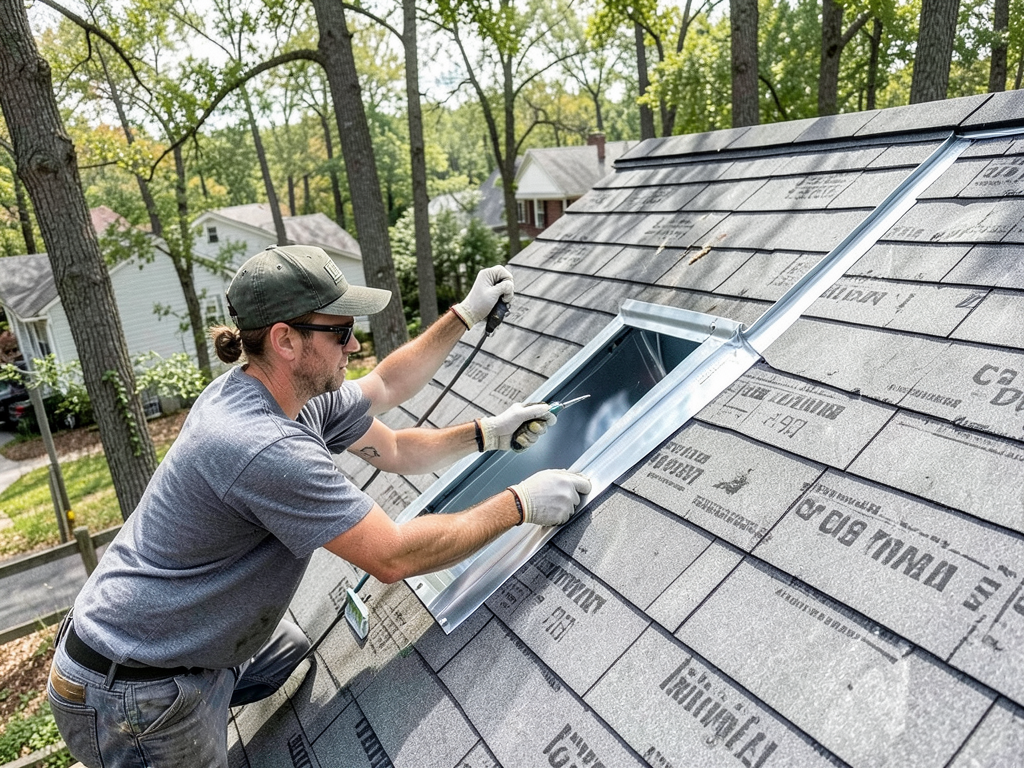
Open metal valleys use exposed metal flashing that runs down the valley center. Water flows directly over the metal, while shingles stop short of the valley center. This design prevents debris buildup and allows maximum water flow during heavy rains.
Professional roofers install open valleys by laying metal flashing first, then weaving shingles over the edges. The metal typically extends 12-18 inches on each side of the valley center. Galvanized steel or aluminum works best for Cincinnati’s climate, resisting corrosion from acid rain and salt spray.. Read more about Everything You Should Look for When Your Roofer Inspects the Valley Flashing.
Open valleys excel in wooded areas because leaves slide off the smooth metal surface. During Cincinnati’s fall leaf season, open valleys clear themselves better than closed systems. The exposed metal also shows wear patterns early, letting homeowners spot problems before leaks develop.
Installation requires precise metal cutting and secure fastening. Poor installation creates gaps where water can penetrate under shingles. Quality open valleys last 20-30 years with minimal maintenance, making them cost-effective despite higher initial installation costs.
Closed-Cut Valleys
Closed-cut valleys weave shingles from both roof planes together, creating a continuous roof surface. One side’s shingles extend across the valley center while the other side is cut back, creating a clean seam. This method hides the valley structure for a more uniform appearance.
Roofers install closed valleys by laying shingles from both sides, then cutting one side back to create a clean line. The cut typically follows a chalk line 2-3 inches from the valley center. This method works well on roofs with consistent shingle patterns and moderate debris exposure.
Closed valleys trap debris more easily than open systems. Leaves and twigs catch in the shingle weave, creating dams that force water under shingles. Cincinnati’s heavy spring rains can overwhelm these debris dams, causing water to back up and leak into your home.
Maintenance requires regular valley cleaning, especially in fall when oak and maple leaves drop heavily. Homeowners in wooded Cincinnati neighborhoods should clean valleys twice yearly to prevent buildup. The extra maintenance offsets the lower installation cost of closed valleys.
Woven Valleys
Woven valleys represent the traditional method where shingles from both sides alternate across the valley center. This creates a braided appearance and eliminates exposed flashing. The technique works best with three-tab shingles and moderate roof pitches.
Installation involves carefully weaving shingles from both roof planes, alternating each course across the valley. This method creates the most water-resistant valley when done correctly but requires skilled craftsmanship. Many Cincinnati roofing contractors avoid woven valleys due to the labor intensity.
Woven valleys trap the most debris of any valley type. The tight weave catches leaves, pine needles, and small branches. In heavily wooded areas, woven valleys often require quarterly cleaning to maintain proper drainage. The extra maintenance makes them impractical for many Cincinnati homeowners.
Ice and water shield underlayment remains essential under woven valleys. The tight shingle weave can trap ice in winter, creating ice dams that force water under shingles. Proper underlayment prevents this common failure mode in Cincinnati’s freeze-thaw climate.
Comparing Valley Performance in Cincinnati Weather
Cincinnati’s climate creates unique challenges for roof valleys. Heavy spring thunderstorms drop 2-4 inches of rain in hours, testing valley drainage capacity. Winter ice storms coat valleys with ice that expands and contracts, stressing flashing and seals.
Open metal valleys handle extreme weather better than closed systems. During heavy rains, water flows freely over smooth metal without backing up behind debris dams. The exposed metal shows ice buildup clearly, letting homeowners address problems before damage occurs.
Closed valleys struggle during Cincinnati’s heaviest rains. Debris dams can back up water several inches, forcing it under shingles. The trapped water freezes in winter, creating ice dams that lift shingles and create entry points for melting snow.
Freeze-thaw cycles damage all valley types but hit closed systems hardest. Water trapped in closed valleys freezes and expands, lifting shingles and breaking seals. Open metal valleys allow ice to expand downward, reducing damage to roofing materials.
Valley Installation and Repair Costs
| Valley Type | Installation Cost | Lifespan | Maintenance Needs |
|---|---|---|---|
| Open Metal | $8-12 per linear foot | 20-30 years | Minimal (1x yearly cleaning) |
| Closed-Cut | $6-9 per linear foot | 15-20 years | Moderate (2x yearly cleaning) |
| Woven | $10-15 per linear foot | 12-18 years | High (4x yearly cleaning) |
Open metal valleys cost more initially but save money long-term through reduced maintenance. The smooth metal surface resists debris buildup, eliminating most cleaning needs. Cincinnati homeowners in wooded areas often recover the extra cost within five years through reduced maintenance expenses.
Closed valleys cost less to install but require more frequent cleaning. Professional valley cleaning in Cincinnati costs $150-300 per visit. Two yearly cleanings add $300-600 annually to ownership costs, potentially exceeding the initial savings within a few years.
Repair costs vary by valley type. Open metal valley repairs typically involve replacing damaged flashing sections for $200-500. Closed valley repairs often require removing and reinstalling shingles, costing $300-700. Woven valley repairs prove most expensive due to the complex weaving pattern.
Valley Failure Warning Signs
Early valley failure detection prevents expensive water damage. Watch for these warning signs in your Cincinnati home’s valleys:
- Dark streaks or stains along valley lines indicate water backup and potential leaks
- Cracked or missing shingles near valley seams suggest ice damage from freeze-thaw cycles
- Debris buildup visible from ground level signals cleaning needs
- Curling shingle edges near valleys indicate moisture damage
- Ice dams forming along valley edges during winter storms
Professional roof inspections catch valley problems early. Cincinnati roofing contractors use moisture meters to detect hidden water damage and thermal imaging to spot temperature variations indicating poor drainage.
Valley flashing deterioration accelerates with age. Galvanized steel flashing corrodes after 15-20 years, while aluminum lasts 25-30 years. Rust spots or white oxidation on metal valleys indicate replacement needs.
Best Valley Choices for Wooded Cincinnati Neighborhoods
Hyde Park and Oakley homeowners face unique valley challenges due to mature oak and maple trees. These neighborhoods experience heavy leaf fall in autumn and seed pod drop in spring. Open metal valleys handle this debris best, preventing the water backup that causes ceiling stains and rot.
Anderson Township’s newer developments often feature closed valleys on homes with minimal tree cover. The cleaner appearance appeals to homeowners who don’t face heavy debris issues. However, even these homes need valley cleaning as nearby trees mature.
Indian Hill estates with extensive landscaping require careful valley selection. Large deciduous trees drop massive leaf volumes in fall, overwhelming closed valleys. Open metal valleys prevent the water damage that can destroy expensive landscaping and foundation plantings.
Historic Clifton homes need valley systems that respect architectural integrity. Many older homes feature woven valleys that match their vintage character. Modern ice and water shield underlayment improves these traditional systems’ performance without changing their appearance.
Valley Maintenance Best Practices
Regular valley maintenance prevents most drainage problems. Cincinnati homeowners should inspect valleys quarterly, especially after storms. Remove debris buildup using plastic roof rakes to avoid damaging shingles or flashing.
Professional valley cleaning includes debris removal, inspection for damage, and resealing of flashing joints. Cincinnati roofing contractors charge $150-300 per valley cleaning, with wooded properties often requiring multiple visits yearly.
Ice and water shield underlayment needs inspection every two years. This rubberized membrane prevents ice dam leaks but deteriorates from UV exposure and temperature cycling. Replacing damaged sections costs $200-400 per valley but prevents thousands in water damage.
Valley flashing replacement extends roof life significantly. Most flashing lasts 20-25 years but fails earlier in harsh Cincinnati weather. Replacing flashing during roof replacement costs $500-1,000 but prevents leaks for another generation.
Valley Installation Quality Standards
Proper valley installation follows strict guidelines from the National Roofing Contractors Association. Open metal valleys require minimum 24-inch wide metal flashing with 6-inch overlaps at seams. The metal must extend at least 12 inches onto each roof plane. National Roofing Contractors Association.
Ice and water shield underlayment must cover valley areas completely, extending 12 inches beyond valley center on each side. This rubberized barrier prevents ice dam leaks that commonly damage Cincinnati homes during winter storms.
Fastener spacing affects valley durability. Metal valley flashing requires nails every 6-8 inches along edges, with no fasteners in the valley center where water flows. Improper fastening causes buckling and leaks during thermal expansion.
Valley pitch affects drainage efficiency. Minimum 2:12 pitch prevents water pooling, while steeper pitches improve debris shedding. Cincinnati building codes require minimum 3:12 pitch for open metal valleys in wooded areas due to higher debris exposure.
Emergency Valley Repairs
Storm damage often requires immediate valley repairs. High winds tear flashing from valleys, while hail dents metal and cracks shingles. Cincinnati’s severe weather creates emergency repair needs that can’t wait for regular business hours. Who to Call for 24-Hour Emergency Roof Leak Repair in Cincinnati.
Emergency tarping protects damaged valleys from water intrusion. Professional roofers use heavy-duty tarps secured with battens to create temporary waterproof barriers. This emergency protection costs $300-500 but prevents thousands in interior water damage. Emergency Tarping Service.
Quick-fix valley repairs often fail within months. Temporary patches using roofing cement or tape provide short-term protection but deteriorate quickly. Professional repairs using proper flashing and sealants last years longer than emergency fixes.
Insurance covers storm damage to roof valleys. Cincinnati homeowners should document valley damage with photos before making temporary repairs. Most policies cover full valley replacement when damage affects structural integrity.
Valley Replacement Timing
Valley replacement timing affects overall roof replacement costs. Replacing valleys during new roof installation costs $500-1,000 per valley. Waiting until valleys fail requires removing existing shingles, doubling labor costs.
Age determines valley replacement needs. Most metal valley flashing lasts 20-25 years in Cincinnati’s climate. Homes over 20 years old often need valley replacement during roof repairs to prevent leaks.
Visible deterioration signals replacement timing. Rust spots, cracks, or separated seams indicate flashing failure. Curling shingles near valleys suggest moisture damage requiring complete valley replacement.
Energy efficiency improves with new valley systems. Modern ice and water shield underlayment reduces heat loss through valleys by 15-20%. This improvement lowers heating costs during Cincinnati’s cold winters.
Valley Design for Complex Roofs
Complex roof designs create unique valley challenges. Multiple intersecting roof planes create interior valleys that handle more water than exterior valleys. These high-volume areas need wider metal flashing and stronger underlayment.
Hip roofs with multiple valleys require careful water flow planning. Water from several roof planes concentrates in interior valleys, requiring larger drainage capacity. Open metal valleys work best for these high-volume areas.
Dormer valleys create special problems. Water from both dormer and main roof planes meets in these valleys, creating heavy flow during storms. Wider flashing and reinforced underlayment prevent the leaks common in these areas.
Gable roof additions to existing homes often create mismatched valley pitches. The new valley may drain slower than surrounding areas, causing water backup. Proper valley design prevents these drainage problems.
Valley Material Selection
Valley material choice affects durability and performance. Galvanized steel offers the best value for most Cincinnati homes, lasting 20-25 years with proper installation. The zinc coating resists corrosion from acid rain and road salt.
Aluminum valleys resist corrosion better than steel but cost 20-30% more. The lighter weight simplifies installation but makes aluminum more vulnerable to wind damage. Cincinnati’s moderate wind climate makes aluminum a good choice for many homes.
Copper valleys offer premium performance and appearance. The natural patina develops over 15-20 years, creating unique roof character. Copper lasts 50+ years but costs 3-4 times more than steel, making it practical only for luxury homes.
Pre-finished metal valleys combine durability with color options. These valleys match or complement roof shingle colors, creating coordinated appearance. The factory finish resists UV damage better than site-painted metal.
Valley Performance in Heavy Rainfall
Cincinnati’s heaviest rains test valley drainage capacity. During 2-4 inch storms, valleys must handle hundreds of gallons per hour. Open metal valleys perform best under these extreme conditions, with smooth surfaces preventing water backup.
Closed valleys struggle during intense rainfall. Debris dams that normally cause minor problems can force water under shingles during heavy storms. The resulting leaks damage ceilings, walls, and insulation.
Valley width affects drainage capacity. Standard 24-inch valleys handle normal rainfall, but 36-inch valleys prevent backup during extreme storms. The extra width costs $50-100 per valley but prevents expensive water damage.
Underlayment quality determines leak prevention. Premium ice and water shield underlayment prevents leaks even when water backs up several inches. Standard felt underlayment fails when water reaches shingle edges.
Valley Integration with Gutter Systems
Proper valley-to-gutter connection prevents overflow problems. Valleys must extend beyond gutter front edges to prevent water from shooting over gutters during heavy rain. This extension typically requires 2-3 inches of additional metal flashing.. Read more about Why the box gutters on your Lockland home are leaking into your walls.
Gutter capacity affects valley performance. Standard 5-inch gutters handle normal rainfall, but 6-inch gutters prevent overflow during Cincinnati’s heaviest storms. The larger gutters cost $200-400 more but protect against water damage.
Downspout sizing impacts drainage efficiency. Two 2×3-inch downspouts handle normal valley flow, but 3×4-inch downspouts prevent backup during extreme rainfall. Proper downspout sizing costs $100-200 more but prevents foundation water problems.
Valley splash guards prevent water erosion. These metal diverters prevent water from digging holes in landscaping below downspouts. Installation costs $50-100 per guard but protects expensive foundation plantings.
Valley Energy Efficiency Considerations
Valley design affects home energy efficiency. Open metal valleys allow more heat transfer than closed systems, potentially increasing cooling costs in summer. However, proper insulation minimizes this effect in most Cincinnati homes.
Ice and water shield underlayment provides minor insulation benefits. The rubberized material reduces heat transfer through valleys by 5-10%. This improvement saves $20-50 annually on heating costs during Cincinnati’s cold winters.
Valley ventilation impacts attic temperatures. Proper ventilation prevents heat buildup that can damage shingles and increase cooling costs. Most Cincinnati homes need 1 square foot of vent area per 150 square feet of attic space.
Reflective valley materials reduce cooling costs. Light-colored metal valleys reflect 20-30% more solar heat than dark materials. This reflection saves $30-70 annually on cooling costs during Cincinnati’s hot summers.
Valley Warranty Coverage
Valley warranties vary significantly by material and installation quality. Premium metal valleys often carry 25-30 year warranties against manufacturing defects. These warranties cover material failure but not installation errors or storm damage.
Installation warranties protect against workmanship errors. Most Cincinnati roofing contractors offer 5-10 year installation warranties covering leaks from improper flashing or underlayment installation. These warranties require professional repairs at no cost to homeowners.
Extended warranties provide longer protection for premium systems. Some manufacturers offer 40-50 year warranties on copper valleys and premium underlayment. These warranties cost 15-20% more but provide peace of mind for long-term homeowners.
Warranty registration affects coverage validity. Most manufacturers require registration within 30 days of installation for full warranty benefits. Cincinnati homeowners should keep warranty documents and installation records for insurance claims.
Valley Replacement ROI
Valley replacement offers strong return on investment for Cincinnati homeowners. Preventing a single major leak saves $3,000-10,000 in water damage repairs. The investment typically pays for itself within 5-10 years through prevented damage and reduced maintenance.
Energy savings provide additional ROI benefits. New valley systems with proper underlayment reduce heating costs by 5-10% during Cincinnati’s cold winters. These savings add $50-150 annually to the financial benefits of valley replacement.
Home value increases with quality valley systems. Potential buyers recognize the value of well-maintained roofing components. Homes with recently replaced valleys often sell 5-10% faster than comparable homes with aging valley systems.
Insurance premium reductions reward proactive maintenance. Some Cincinnati insurance companies offer 5-10% premium discounts for homes with documented valley maintenance and replacement. These discounts provide ongoing financial benefits beyond the initial investment.
Valley Inspection Guidelines
Regular valley inspections prevent expensive repairs. Cincinnati homeowners should inspect valleys quarterly, especially after storms. Look for debris buildup, damaged flashing, or missing shingles near valley seams.
Professional inspections provide detailed assessments. Roofing contractors use moisture meters and thermal imaging to detect hidden water damage. Annual professional inspections cost $100-200 but identify problems before they cause major damage.
Valley cleaning frequency depends on tree coverage. Homes in heavily wooded areas need valley cleaning every 3-4 months. Properties with minimal tree cover may only need annual cleaning to remove wind-blown debris.
Ice dam prevention requires winter valley monitoring. Cincinnati’s freeze-thaw cycles create ice dams that force water under shingles. Safe ice removal using roof rakes prevents the damage that requires expensive repairs.
Valley Installation Best Practices
Quality valley installation follows specific guidelines for maximum durability. Open metal valleys require 24-inch minimum width with 6-inch seam overlaps. The metal must extend 12 inches onto each roof plane for proper water shedding.
Ice and water shield underlayment installation proves critical for leak prevention. The rubberized membrane must cover valley areas completely, extending 12 inches beyond valley center on each side. This barrier prevents ice dam leaks that commonly damage Cincinnati homes.
Fastener spacing affects valley longevity. Metal valley flashing requires nails every 6-8 inches along edges, with no fasteners in the valley center where water flows. Improper fastening causes buckling and leaks during thermal expansion.
Valley pitch impacts drainage efficiency. Minimum 2:12 pitch prevents water pooling, while steeper pitches improve debris shedding. Cincinnati building codes require minimum 3:12 pitch for open metal valleys in wooded areas due to higher debris exposure.
Valley Failure Prevention Strategies
Preventing valley failures saves thousands in repair costs. Cincinnati homeowners should implement these strategies to protect their valley systems:
- Install ice and water shield underlayment in all valleys to prevent ice dam leaks
- Choose open metal valleys for wooded properties to prevent debris buildup
- Clean valleys quarterly in heavily wooded areas to prevent water backup
- Inspect valleys after major storms for damage from wind or hail
- Replace valley flashing every 20-25 years before it fails
Professional maintenance extends valley life significantly. Cincinnati roofing contractors offer valley maintenance programs that include regular cleaning, inspection, and minor repairs. These programs cost $200-400 annually but prevent expensive emergency repairs.
Tree management reduces valley maintenance needs. Trimming branches that overhang roofs prevents leaf accumulation in valleys. This trimming costs $200-500 but reduces cleaning frequency and prevents debris-related problems.
Early problem detection prevents major damage. Small leaks in valleys grow larger over time, causing extensive water damage. Addressing problems when they’re minor saves 70-80% compared to emergency repairs after major leaks develop.
Valley Technology Advances
Valley technology continues improving with new materials and designs. Modern ice and water shield underlayment offers better adhesion and durability than older versions. These improvements provide superior leak protection in Cincinnati’s challenging climate.
Pre-formed valley flashing simplifies installation and improves durability. These factory-formed pieces fit precisely into roof valleys, eliminating on-site cutting errors. The consistent quality reduces installation time and improves long-term performance.
Reflective valley coatings reduce cooling costs and extend material life. These ceramic-based coatings reflect solar heat, keeping valleys cooler in summer. The lower temperatures prevent thermal expansion damage and reduce air conditioning costs.
Integrated valley systems combine flashing and underlayment into single products. These systems simplify installation and provide better leak protection than separate components. The integrated design eliminates seams where water can penetrate.
Valley Selection for Different Roof Pitches
Roof pitch affects valley selection and performance. Low-pitch roofs under 4:12 require special valley considerations due to slower water flow. Open metal valleys work best on low-pitch roofs because they prevent the water pooling that causes leaks.
Medium-pitch roofs from 4:12 to 9:12 offer the most valley options. Both open and closed valley systems perform well on these pitches. Cincinnati homeowners often choose closed valleys on medium-pitch roofs for their cleaner appearance.
Steep-pitch roofs over 9:12 create unique valley challenges. Water flows faster on steep pitches, potentially shooting over gutter edges. Wider valley flashing and extended downspouts prevent the overflow problems common on steep roofs.
Variable-pitch roofs require careful valley design. Changes in roof pitch create water flow transitions that can cause backup and leaks. Professional valley design prevents these problems by ensuring proper water flow through all valley sections.
Valley Performance in Different Seasons
Valley performance varies significantly by season in Cincinnati’s climate. Spring thunderstorms test valley drainage capacity with heavy rainfall. Open metal valleys handle these storms best, with smooth surfaces preventing water backup behind debris.
Summer heat affects valley materials differently. Dark-colored valleys absorb heat, potentially damaging shingles through thermal expansion. Light-colored or reflective valley materials reduce this heat damage and lower cooling costs.
Fall leaf drop creates valley maintenance needs. Deciduous trees drop leaves that accumulate in valleys, causing water backup and potential leaks. Regular fall valley cleaning prevents the water damage that commonly occurs during autumn rains.
Winter ice creates valley failure risks. Freeze-thaw cycles cause ice dams that force water under shingles. Ice and water shield underlayment prevents these leaks, making it essential for Cincinnati’s cold winters.
Valley Cost Factors
Valley costs depend on multiple factors beyond basic materials. Roof accessibility affects labor costs significantly. Steep roofs or complex designs increase installation time and cost by 25-50% compared to simple gable roofs.
Valley length determines material needs. Longer valleys require more flashing and underlayment, increasing costs proportionally. Most valley pricing uses per-linear-foot rates that make cost estimation straightforward.
Material quality affects both cost and performance. Premium copper valleys cost 3-4 times more than galvanized steel but last 2-3 times longer. The extended lifespan often justifies the higher initial investment for long-term homeowners.
Installation complexity impacts labor costs. Woven valleys require skilled craftsmanship and take 2-3 times longer to install than open metal valleys. The extra labor cost often offsets the lower material cost of woven systems.
Valley Environmental Impact
Valley materials affect environmental impact differently. Steel valleys contain recycled content and are fully recyclable at end of life. The recycling process recovers 95% of the material value, reducing landfill impact. Environmental Protection Agency.
Aluminum valleys offer better corrosion resistance but require more energy to produce. The increased energy use during manufacturing offsets some of the environmental benefits of longer lifespan and recyclability.
Copper valleys provide premium performance but have highest environmental impact. Copper mining creates significant environmental damage, though the extremely long lifespan partially offsets this impact through reduced replacement needs.
Valley underlayment materials affect environmental footprint. Traditional felt underlayment contains petroleum products and creates disposal concerns. Modern synthetic underlayment offers better performance with reduced environmental impact.
Valley Building Code Requirements
Cincinnati building codes specify valley installation requirements for safety and performance. Hamilton County requires ice and water shield underlayment in all valleys due to local freeze-thaw climate. This requirement prevents the ice dam leaks that commonly damage area homes.
Valley flashing must meet specific thickness requirements. Cincinnati codes require minimum 0.019-inch thick galvanized steel or 0.032-inch thick aluminum for open metal valleys. These thickness requirements ensure durability in local weather conditions.
Valley pitch requirements affect design choices. Cincinnati codes require minimum 2:12 pitch for open metal valleys and 3:12 pitch for closed valleys in wooded areas. These requirements prevent the water pooling that causes leaks in low-pitch applications.
Valley termination details must follow specific guidelines. Flashing must extend beyond roof edges by minimum distances to prevent wind-driven rain infiltration. These details prevent the leaks that commonly occur at valley terminations.
Valley Maintenance Scheduling
Valley maintenance scheduling depends on local conditions and tree coverage. Cincinnati homes in wooded areas need valley cleaning every 3-4 months due to heavy leaf fall. Properties with minimal tree cover may only need annual cleaning to remove wind-blown debris.
Seasonal timing affects maintenance effectiveness. Fall cleaning removes leaves before winter storms, preventing ice dam formation. Spring cleaning removes winter debris and checks for damage from ice and wind.
Professional maintenance programs provide scheduled care. Cincinnati roofing contractors offer valley maintenance contracts that include regular cleaning, inspection, and minor repairs. These programs cost $200-400 annually but prevent expensive emergency repairs.
DIY maintenance requires proper safety equipment and techniques. Homeowners should use proper fall protection and avoid damaging valley materials. Professional cleaning costs more but ensures thorough, safe maintenance.
Valley Replacement Indicators
Valley replacement timing depends on multiple factors. Material type affects lifespan significantly. Galvanized steel valleys typically last 20-25 years, while copper valleys can last 50+ years in Cincinnati’s climate.
Visible deterioration indicates replacement needs. Rust spots, cracks, or separated seams in metal valleys suggest material failure. Curling shingles near valleys indicate moisture damage requiring complete valley replacement.
Leak history determines replacement urgency. Valleys that have leaked once often leak again due to material deterioration. Replacing problem valleys during roof replacement prevents future water damage.
Energy efficiency improvements justify valley replacement. New valley systems with modern underlayment reduce heat transfer, lowering heating and cooling costs. The energy savings often offset a portion of replacement costs.
Valley Installation Timing
Valley installation timing affects both cost and convenience. Spring and fall offer ideal installation conditions in Cincinnati’s climate. Moderate temperatures allow proper sealant curing and material handling.
Summer installation presents challenges from heat. High temperatures make materials difficult to handle and can affect sealant performance. Early morning or evening installation often works best during hot months.
Winter installation requires special precautions. Cold temperatures affect material flexibility and sealant adhesion. Professional installers use cold-weather installation techniques to ensure proper valley performance.
Emergency repairs may require off-season installation. Storm damage sometimes necessitates immediate valley repairs regardless of weather conditions. Professional roofers use temporary protection and proper cold-weather techniques for these situations.
Valley Performance Testing
Valley performance testing ensures proper installation and function. Water flow testing verifies that valleys channel water effectively without backup or overflow. This testing identifies problems before they cause damage.
Moisture testing detects hidden water damage. Professional roofers use moisture meters to identify water intrusion in valley areas. Early detection prevents the extensive damage that occurs from long-term leaks.
Thermal imaging reveals valley performance issues. Temperature variations in valley areas indicate poor drainage or insulation problems. This testing helps identify efficiency improvements and potential failure points.
Wind testing ensures valley durability. High winds can lift valley flashing or force water under shingles. Proper installation prevents these wind-related failures that commonly occur during Cincinnati storms.
Valley Future Trends
Valley technology continues evolving with new materials and designs. Self-cleaning valley surfaces use special coatings to prevent debris buildup. These surfaces reduce maintenance needs and improve long-term performance.
Integrated valley systems combine multiple functions into single products. These systems include flashing, underlayment, and ventilation in unified designs. The integration simplifies installation and improves overall performance.
Smart valley monitoring uses sensors to detect problems early. These systems alert homeowners to water backup, ice dam formation, or material deterioration. Early warning prevents the damage that occurs from undetected valley problems.
Sustainable valley materials reduce environmental impact. Recycled content and recyclable designs improve the environmental footprint of valley systems. These improvements appeal to environmentally conscious homeowners.
Valley Selection Checklist
Choosing the right valley system requires considering multiple factors. Use this checklist to evaluate valley options for your Cincinnati home:
- Tree coverage: Heavy tree cover favors open metal valleys
- Roof pitch: Low pitches need open valleys to prevent water pooling
- Climate: Cincinnati’s freeze-thaw cycles require ice and water shield
- Aesthetics: Closed valleys provide cleaner appearance for visible areas
- Maintenance: Open valleys require less frequent cleaning in wooded areas
- Budget: Consider long-term costs, not just initial installation price
Professional consultation helps make the best valley choice. Cincinnati roofing contractors understand local conditions and building codes. Their expertise ensures proper valley selection and installation for maximum performance.
Valley DIY vs Professional Installation
Valley installation requires professional expertise for best results. DIY installation often leads to problems that cause expensive water damage. Professional installation ensures proper materials, techniques, and code compliance.
Valley flashing installation requires precise techniques. Proper overlaps, fastener spacing, and underlayment integration prevent leaks. Professional installers have the tools and experience to execute these details correctly.
Safety concerns make valley work dangerous for homeowners. Steep roof pitches and awkward valley positions create fall risks. Professional roofers use proper safety equipment and techniques to prevent accidents.
Warranty coverage often requires professional installation. Many valley material warranties become void with DIY installation. Professional installation ensures warranty protection and proper system performance.
Valley Cost-Saving Strategies
Valley installation costs can be managed through strategic planning. Combining valley work with other roofing projects reduces mobilization costs. This approach often saves 15-25% compared to separate valley installation.
Material selection affects long-term costs significantly. Premium materials cost more initially but reduce maintenance and replacement needs. The extended lifespan often justifies higher upfront costs for long-term homeowners.
Preventive maintenance prevents expensive emergency repairs. Regular valley cleaning and inspection identifies problems early. Addressing issues when minor saves 70-80% compared to emergency repairs after major leaks develop.
Energy-efficient valley designs reduce ongoing costs. Proper underlayment and ventilation improve home efficiency, lowering heating and cooling bills. These savings offset a portion of valley installation costs over time.
Valley Insurance Considerations
Valley maintenance affects insurance coverage and premiums. Some Cincinnati insurance companies offer discounts for documented valley maintenance. These discounts reward proactive care that prevents water damage.
Storm damage coverage varies by policy. Most policies cover valley damage from wind, hail, or falling trees. However, damage from neglected maintenance often falls outside coverage limits.
Documentation supports insurance claims. Photos and maintenance records help prove valley condition and maintenance history. This documentation speeds claim processing and improves coverage outcomes.
Replacement cost coverage affects valley claims. Policies with replacement cost coverage pay for new valley installation rather than depreciated value. This coverage ensures proper repairs without out-of-pocket expenses.
Valley Long-Term Performance
Valley longevity depends on material quality and installation expertise. Premium copper valleys last 50+ years with minimal maintenance. Standard galvanized steel valleys typically last 20-25 years in Cincinnati’s climate.
Installation quality significantly affects valley lifespan. Proper underlayment integration, flashing details, and fastener spacing prevent premature failure. Professional installation often extends valley life by 5-10 years compared to DIY work.
Maintenance practices impact long-term performance. Regular cleaning prevents debris buildup that causes water backup and leaks. Quarterly cleaning in wooded areas extends valley life by preventing the deterioration that occurs from trapped moisture.
Climate conditions affect valley durability. Cincinnati’s freeze-thaw cycles stress valley materials through expansion and contraction. Quality materials and proper installation minimize this weather-related deterioration.
Valley Final Recommendations
Open metal valleys offer the best performance for most Cincinnati homes in wooded areas. The smooth metal surface prevents debris buildup and handles heavy rainfall effectively. While initial costs run higher, reduced maintenance needs often offset the difference within five years.
Closed valleys work well for homes with minimal tree cover or where appearance matters most. The cleaner roof lines appeal to many homeowners, though the extra maintenance requirements must be considered. These valleys suit newer developments in less wooded areas.
Woven valleys remain an option for historic homes or specific architectural styles. The traditional appearance matches vintage architecture but requires the most maintenance of any valley type. These valleys suit homeowners willing to invest in regular cleaning and upkeep.
Professional installation ensures valley systems perform as designed. Proper underlayment integration, flashing details, and fastener spacing prevent the leaks that commonly occur with DIY installation. The investment in professional work pays for itself through prevented water damage.
Regular maintenance extends valley life and prevents expensive repairs. Cincinnati homeowners should inspect valleys quarterly and clean them as needed based on tree coverage. Professional maintenance programs provide scheduled care that protects this critical roofing component.
Ready to protect your home with the right valley system? Call (513) 223-5511 today to schedule your valley inspection and get expert recommendations for your specific situation. Don’t wait until water damage occurs – proactive valley care saves thousands in repair costs.
Frequently Asked Questions
How often should I clean my roof valleys?
Valley cleaning frequency depends on tree coverage. Homes in heavily wooded Cincinnati areas need cleaning every 3-4 months due to heavy leaf fall. Properties with minimal tree cover may only need annual cleaning to remove wind-blown debris.
What type of valley works best for heavily wooded areas?
Open metal valleys handle wooded areas best because leaves slide off the smooth metal surface. Closed valleys trap debris in the shingle weave, creating dams that force water under shingles. Open valleys prevent the water backup that causes ceiling stains and rot.
How long do roof valleys typically last?
Valley lifespan varies by material. Galvanized steel valleys typically last 20-25 years in Cincinnati’s climate. Copper valleys can last 50+ years. Installation quality and maintenance practices significantly affect longevity, with professional installation often extending life by 5-10 years.
Can I install roof valleys myself?
Valley installation requires professional expertise for best results. The work involves precise flashing installation, proper underlayment integration, and safe roof access. DIY installation often leads to problems that cause expensive water damage and may void material warranties.
What causes roof valleys to leak?
Valley leaks typically result from debris buildup causing water backup, ice dams from freeze-thaw cycles, deteriorated flashing, or poor installation. Regular cleaning, proper underlayment, and professional installation prevent most valley leaks in Cincinnati’s challenging climate.
How much does valley replacement cost?
Valley replacement costs $500-1,500 per valley depending on length, material, and roof complexity. Open metal valleys cost more initially but often save money long-term through reduced maintenance needs. Complex roof designs and steep pitches increase replacement costs significantly.
Do I need ice and water shield in my valleys?
Yes, Hamilton County building codes require ice and water shield underlayment in all valleys due to Cincinnati’s freeze-thaw climate. This rubberized barrier prevents ice dam leaks that commonly damage area homes during winter storms. The extra protection costs more but saves thousands in water damage repairs.
How can I tell if my valleys need replacement?
Valley replacement indicators include rust spots or cracks in metal flashing, curling shingles near valley seams, dark streaks along valley lines, and a history of leaks. Homes over 20 years old often need valley replacement during roof repairs to prevent future water damage.
What’s the difference between open and closed valleys?
Open valleys use exposed metal flashing with shingles stopping short of the valley center, allowing water to flow freely over metal. Closed valleys weave shingles together across the valley, creating a continuous roof surface but trapping debris more easily. Open valleys handle heavy debris better but cost more to install.
How do valleys affect my home’s energy efficiency?
Valley design impacts energy efficiency through heat transfer and ventilation. Open metal valleys allow more heat transfer than closed systems, potentially increasing cooling costs in summer. Proper underlayment and ventilation in valleys can reduce heating costs by 5-10% during Cincinnati’s cold winters.
Call (513) 223-5511 today to schedule your valley inspection and get expert recommendations for your specific situation. Don’t wait until water damage occurs – proactive valley care saves thousands in repair costs.

[IMAGE_PLACEHOLDER_3>