
How to Spot a Roofing Scam in Cincinnati Before You Sign a Post-Storm Contract
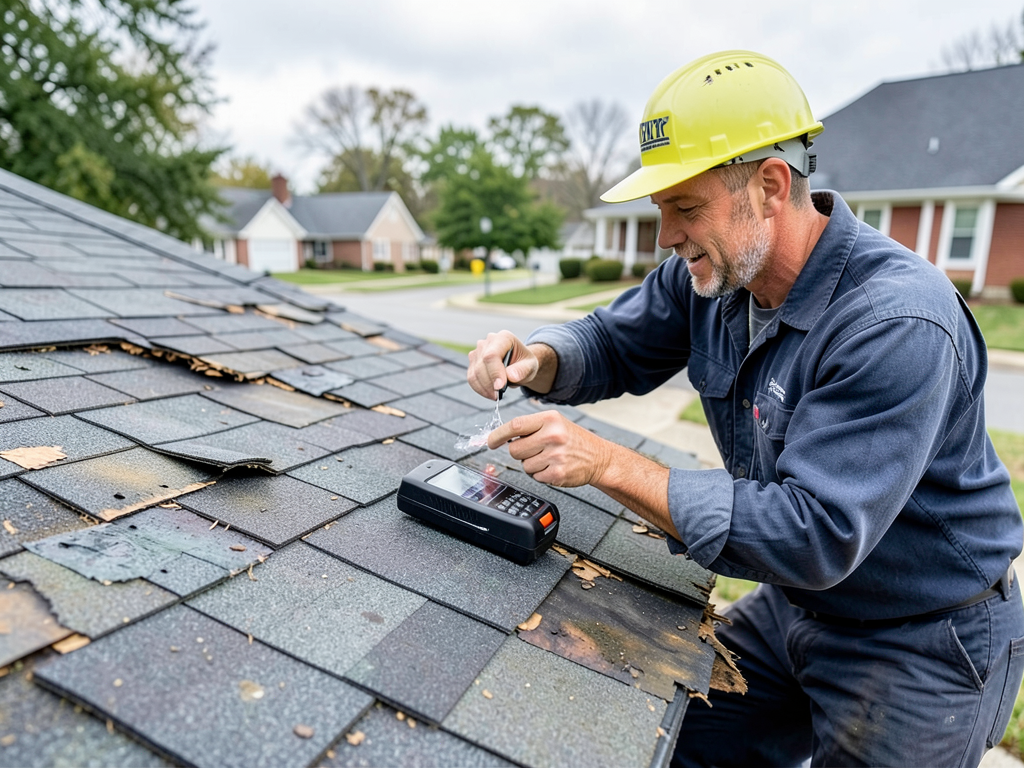
After Ohio Valley storms roll through neighborhoods like Blue Ash and Anderson Township, opportunistic scammers follow. These “storm chasers” knock on doors offering quick fixes at suspiciously low prices. They target homeowners dealing with hail damage and high winds, often disappearing after taking deposits. Ohio Bureau of Workers’ Compensation.
The problem hits Cincinnati hard because our geography creates perfect conditions. The Ohio River Valley funnels severe weather systems through Hamilton County, leaving thousands of roofs damaged at once. Scammers know this and arrive in waves, setting up temporary operations before vanishing when authorities catch on. Ohio Attorney General’s Office.
Understanding how these scams work protects your home and wallet. This guide shows you exactly what to watch for and how to verify legitimate Cincinnati roofing contractors before signing anything. How to Get Your Cincinnati Roof Replaced After a Major Hail Storm.
Why Cincinnati Homes Are Prime Targets After Storms
Greater Cincinnati experiences unique weather patterns that make homes vulnerable to both storm damage and contractor fraud. The region sits in what meteorologists call the “hail alley” of Ohio, where spring thunderstorms produce golf ball-sized hail that shreds asphalt shingles.. Read more about How to Vet a Cincinnati Roofing Contractor for Quality and Communication Before Hiring.
When severe weather hits areas like Hyde Park or Oakley, thousands of homeowners file insurance claims simultaneously. This creates chaos that scammers exploit. They arrive with portable signs and magnetic truck decals, claiming to be local contractors. Signs You Need a New Roof.
The Ohio Consumer Sales Practices Act provides some protection, but only if you know your rights. Under Ohio law, door-to-door roofing sales require specific disclosures and a three-day right to cancel. Many storm chasers ignore these requirements entirely. Is Metal Roofing Worth the Investment for Your Anderson Township Home?.
5 Common Red Flags of a Roofing Scam
Legitimate Cincinnati roofers operate differently than scammers. Learning these red flags helps you avoid costly mistakes.
1. Door-to-Door High-Pressure Sales
Scammers knock on doors immediately after storms, claiming your roof needs emergency repair. They pressure you to sign contracts on the spot, often saying insurance won’t cover damage if you wait. Reliable Flat Roof Repair Services for Over-the-Rhine Business Owners.
Real Cincinnati contractors don’t need to knock on doors. They have established reputations and customers who call them directly after storms.
2. “Free” Deductible Offers
This scam violates Ohio insurance laws. Contractors offering to pay your deductible are committing insurance fraud. They often inflate the claim amount to cover their “gift,” which can void your entire policy.
The Ohio Department of Insurance warns homeowners that accepting these offers makes them complicit in fraud.
3. No Physical Cincinnati Address
Legitimate contractors have permanent offices in the Cincinnati area. Scammers use P.O. boxes or temporary addresses. Ask for their physical office location and verify it exists.
Check Hamilton County property records to see if they own or lease commercial space locally.
4. Lack of Ohio Workers’ Comp Insurance
Ohio law requires roofing contractors to carry workers’ compensation insurance. Scammers often skip this expensive coverage. If a worker gets injured on your property without coverage, you could be liable for medical bills.
Request their Ohio Bureau of Workers’ Compensation certificate and verify it online.
5. No Written Contract or Vague Terms
Scammers provide verbal agreements or contracts with blank spaces. Legitimate contractors provide detailed written contracts specifying materials, timeline, payment schedule, and warranty terms.
Ohio’s Home Solicitation Sales Act requires specific contract elements for door-to-door sales.
The “Insurance Fraud” Trap
Contingency contracts represent one of the most dangerous roofing scams in Cincinnati. These agreements state the contractor gets paid only if your insurance claim is approved, but they often include hidden clauses that benefit the contractor at your expense.. Read more about How to tell if your Seven Hills home has hidden hail damage from a past season.
Under Ohio Revised Code Section 1345.04, contingency contracts for home improvements must meet strict requirements. Many storm chasers use illegal versions that give them excessive control over your insurance claim.
The scam works like this: The contractor inspects your roof and tells you they’ll handle everything with your insurance company. They submit a grossly inflated estimate, then pressure you to sign over your insurance check when it arrives. The work performed often falls far short of what was promised.
Even worse, you become legally responsible for the fraud. Insurance companies can deny future claims if they catch you participating in these schemes. The Ohio Attorney General’s Office actively prosecutes homeowners who knowingly participate in insurance fraud.
How to Verify a Cincinnati Roofer
Before signing any contract, verify the contractor’s legitimacy through multiple channels. This process takes time but prevents costly mistakes.
Step 1: Check Ohio Department of Commerce Registration
All roofing contractors in Ohio must register with the Department of Commerce. Visit the Ohio Business Gateway website and search their license database. Verify their registration is current and matches the company name on their business cards.
Scammers often use similar names to legitimate companies, hoping you won’t notice the difference.
Step 2: Verify BBB Cincinnati Membership
The Cincinnati Better Business Bureau maintains records of complaints and ratings. A legitimate contractor should have a profile showing their physical address, years in business, and complaint history.
Look for contractors with A+ ratings and at least five years of continuous operation in the Cincinnati area.
Step 3: Check Hamilton County Permit History
Legitimate contractors pull permits for roofing work in Hamilton County. Contact the Hamilton County Building Department and ask if they’ve pulled permits under the contractor’s name in the past year.
A contractor who avoids permits is either unlicensed or planning to do substandard work that won’t pass inspection.
Step 4: Verify Insurance Certificates
Request certificates of liability insurance and workers’ compensation directly from the contractor’s insurance carrier. Don’t accept copies they provide. Call the carrier and verify the policies are active.
Ask for at least $1 million in liability coverage and confirm they carry Ohio workers’ compensation.
What to Do if You’ve Been Scammed
If you suspect you’ve hired a scammer, act quickly. Time matters because many scams involve disappearing contractors who take deposits and never return.
First, stop all payments immediately. Don’t pay another dollar until you’ve verified the contractor’s legitimacy and the work scope. If they’ve already started work, document everything with photos and notes.
Next, file a complaint with multiple agencies. The Ohio Attorney General’s Office handles consumer fraud complaints. File online at ohioattorneygeneral.gov or call their consumer protection hotline at 1-800-282-0515.
Also contact the Hamilton County Consumer Affairs Office and the Cincinnati Better Business Bureau. File police reports for criminal fraud, especially if the contractor took money without performing work.
Consider contacting your insurance company if you’ve already filed a claim. They can help identify fraudulent contractors and may have resources to assist homeowners scammed through insurance fraud schemes.
Comparing Legitimate vs. Scam Contractors
Understanding the differences between legitimate and fraudulent contractors helps you make informed decisions. Here’s what separates them:
| Characteristic | Legitimate Cincinnati Contractor | Storm Chaser Scammer |
|---|---|---|
| Business Location | Permanent office in Cincinnati metro area | Temporary P.O. box or out-of-state address |
| Insurance | Current liability and workers’ comp certificates | No insurance or fake certificates |
| Contract | Detailed written agreement with specific terms | Verbal agreement or vague contract |
| Payment Terms | Standard deposit, progress payments, final payment | Large upfront payment or “cash only” |
| Materials | Quality brands with manufacturer warranties | Unknown brands or “contractor grade” materials |
| Timeline | Realistic schedule with weather contingencies | “Immediate” start with no weather delays |
Red Flags Checklist: Before You Sign
Use this checklist before signing any roofing contract in Cincinnati. If you answer “yes” to any of these questions, walk away.
- Did they knock on your door offering roofing services?
- Do they offer to pay your insurance deductible?
- Can they provide a physical Cincinnati office address?
- Do they have current Ohio contractor registration?
- Can they show liability insurance and workers’ comp certificates?
- Do they pressure you to sign immediately?
- Do they ask for more than 30% down payment?
- Do they want cash payments only?
- Do they avoid discussing permits and inspections?
- Do they promise work in “bad” weather?
Protecting Your Home and Investment
Roofing scams cost Cincinnati homeowners millions annually. Beyond the financial loss, scam work often damages homes further, leading to water damage, mold growth, and structural problems that cost even more to repair. Roof Repair Services.
The best protection is prevention. Take time to verify contractors before storms hit. Research local companies when you don’t need immediate service. This gives you the luxury of thorough vetting without the pressure of storm damage.
Consider joining neighborhood social media groups where residents share experiences with local contractors. Many Cincinnati neighborhoods have active Facebook groups or Nextdoor communities where scam warnings spread quickly.
Remember that legitimate contractors welcome your questions and verification efforts. They understand that scam contractors hurt the entire industry’s reputation and want to help you identify trustworthy professionals.
Frequently Asked Questions
How can I tell if a Cincinnati roofing contractor is legitimate?
Check their Ohio Department of Commerce registration, verify their physical Cincinnati address, request current insurance certificates, and confirm they have a good rating with the Cincinnati Better Business Bureau. Legitimate contractors welcome verification.
What should I do if a contractor offers to pay my deductible?
Refuse immediately. This is insurance fraud in Ohio. Contractors offering to pay deductibles often inflate claim amounts to cover their “gift,” which can void your policy and make you legally liable for fraud.
How much should I pay upfront for roofing work?
Never pay more than 30% down for roofing work in Ohio. Legitimate contractors use progress payments tied to completed work phases. Be extremely wary of contractors demanding large upfront payments or cash only.
Where can I report a roofing scam in Cincinnati?
File complaints with the Ohio Attorney General’s Office, Hamilton County Consumer Affairs, Cincinnati Better Business Bureau, and local police. Keep all documentation including contracts, payments, and communications with the contractor.
Are contingency contracts legal in Ohio?
Contingency contracts are legal only if they meet specific Ohio requirements under Revised Code Section 1345.04. Many storm chasers use illegal versions that give them excessive control over your insurance claim and payments.
Call (513) 223-5511 today to schedule your inspection with a verified Cincinnati roofing professional who will protect your home and your investment.
You may also find this helpful. How the river breeze in Sayler Park can actually lift your roof shingles.
You may also find this helpful. Why you shouldn’t ignore the curling shingles on your Woodlawn rental property.
{
“@context”: “https://schema.org”,
“@type”: “BlogPosting”,
“headline”: “How to Spot a Roofing Scam in Cincinnati Before You Sign a Post-Storm Contract”,
“description”: “Protect your home and savings from Cincinnati roofing scams. Learn the red flags storm chasers use and how to verify a trustworthy local contractor.”,
“wordCount”: 1703,
“datePublished”: “2026-05-09T15:39:00.000Z”,
“dateModified”: “2026-05-09T15:39:00.000Z”,
“inLanguage”: “en-US”,
“mainEntityOfPage”: {
“@type”: “WebPage”,
“@id”: “https://firstchoiceroofingcincinnati.com”
},
“publisher”: {
“@type”: “LocalBusiness”,
“name”: “First Choice Roofing Cincinnati”,
“url”: “https://firstchoiceroofingcincinnati.com”
},
“author”: {
“@type”: “Organization”,
“name”: “First Choice Roofing Cincinnati”,
“url”: “https://firstchoiceroofingcincinnati.com”
},
“image”: {
“@type”: “ImageObject”,
“url”: “https://firstchoiceroofingcincinnati.com/wp-content/uploads/2026/03/how-to-spot-a-roofing-scam-in-cincinnati-before-yo-1.png”
}
}
{
“@context”: “https://schema.org”,
“@type”: “RoofingContractor”,
“name”: “First Choice Roofing Cincinnati”,
“url”: “https://firstchoiceroofingcincinnati.com”,
“address”: {
“@type”: “PostalAddress”,
“addressLocality”: “Cincinnati”
},
“areaServed”: {
“@type”: “City”,
“name”: “Cincinnati”
}
}
{
“@context”: “https://schema.org”,
“@type”: “FAQPage”,
“mainEntity”: [
{
“@type”: “Question”,
“name”: “How can I tell if a Cincinnati roofing contractor is legitimate?”,
“acceptedAnswer”: {
“@type”: “Answer”,
“text”: “Check their Ohio Department of Commerce registration, verify their physical Cincinnati address, request current insurance certificates, and confirm they have a good rating with the Cincinnati Better Business Bureau. Legitimate contractors welcome verification.”
}
},
{
“@type”: “Question”,
“name”: “What should I do if a contractor offers to pay my deductible?”,
“acceptedAnswer”: {
“@type”: “Answer”,
“text”: “Refuse immediately. This is insurance fraud in Ohio. Contractors offering to pay deductibles often inflate claim amounts to cover their \”gift,\” which can void your policy and make you legally liable for fraud.”
}
},
{
“@type”: “Question”,
“name”: “How much should I pay upfront for roofing work?”,
“acceptedAnswer”: {
“@type”: “Answer”,
“text”: “Never pay more than 30% down for roofing work in Ohio. Legitimate contractors use progress payments tied to completed work phases. Be extremely wary of contractors demanding large upfront payments or cash only.”
}
},
{
“@type”: “Question”,
“name”: “Where can I report a roofing scam in Cincinnati?”,
“acceptedAnswer”: {
“@type”: “Answer”,
“text”: “File complaints with the Ohio Attorney General’s Office, Hamilton County Consumer Affairs, Cincinnati Better Business Bureau, and local police. Keep all documentation including contracts, payments, and communications with the contractor.”
}
},
{
“@type”: “Question”,
“name”: “Are contingency contracts legal in Ohio?”,
“acceptedAnswer”: {
“@type”: “Answer”,
“text”: “Contingency contracts are legal only if they meet specific Ohio requirements under Revised Code Section 1345.04. Many storm chasers use illegal versions that give them excessive control over your insurance claim and payments.”
}
}
]
}
{
“@context”: “https://schema.org”,
“@type”: “BreadcrumbList”,
“itemListElement”: [
{
“@type”: “ListItem”,
“position”: 1,
“name”: “Home”,
“item”: “https://firstchoiceroofingcincinnati.com”
},
{
“@type”: “ListItem”,
“position”: 2,
“name”: “Blog”,
“item”: “https://firstchoiceroofingcincinnati.com/blog”
},
{
“@type”: “ListItem”,
“position”: 3,
“name”: “How to Spot a Roofing Scam in Cincinnati Before You Sign a Post-Storm Contract”
}
]
}
{
“@context”: “https://schema.org”,
“@type”: “Service”,
“serviceType”: “Roofing”,
“provider”: {
“@type”: “LocalBusiness”,
“name”: “First Choice Roofing Cincinnati”,
“url”: “https://firstchoiceroofingcincinnati.com”
},
“areaServed”: {
“@type”: “City”,
“name”: “Cincinnati”
},
“description”: “Protect your home and savings from Cincinnati roofing scams. Learn the red flags storm chasers use and how to verify a trustworthy local contractor.”
}