
Is Your Current Cincinnati Roof Ready for Solar Panel Installation?
Thinking about adding solar panels to your Cincinnati home? Before you sign a contract with a solar installer, you need to answer one critical question: Is your current roof actually ready to support a solar system? In Cincinnati’s humid summers and freeze-thaw winters, a roof that looks fine from the street can hide serious structural problems that will cost you thousands if you install panels first. How to Get Your Cincinnati Roof Replaced After a Major Hail Storm.
The truth is that solar panels typically last 25-30 years, but many Cincinnati roofs need replacement after just 15-20 years due to our climate. Installing panels on a roof that’s near the end of its life means you’ll pay to remove and reinstall the entire solar system when you finally replace the roof. That’s why smart homeowners are asking the right question first: Is my roof solar ready?. Read more about Why Most Cincinnati Insurance Policies Won’t Cover Roofs Past a Certain Age.
What Makes a Roof “Solar Ready” in Cincinnati?
A solar ready roof isn’t just about having a south-facing slope. In Cincinnati, solar readiness means your roof can handle the structural load of panels plus snow accumulation, has the right orientation for our latitude, meets current Hamilton County building codes, and won’t need replacement during the solar system’s lifetime. Hamilton County Building Codes.
The structural requirements are particularly important here. Cincinnati’s building code requires residential roofs to support 30 pounds per square foot of live load, but solar panels add another 3-4 pounds per square foot plus racking hardware. When you factor in our occasional heavy snowfalls, that number jumps to 35-40 pounds per square foot. Many older Cincinnati homes, especially those built before 2000, were designed to the older 20-pound standard.
Beyond weight capacity, solar readiness includes proper roof pitch (typically 4:12 to 9:12 for optimal sun exposure), minimal shading from mature trees, and adequate roof space without too many penetrations from vents or chimneys. The electrical system also matters—your main panel needs enough capacity to handle the solar inverter, and your attic should have accessible pathways for conduit runs.
Common Cincinnati Roof Problems That Kill Solar Projects
We see the same issues over and over when Cincinnati homeowners call us after a solar company told them their roof isn’t suitable. The most common problem is wood rot in the roof deck. Our humid summers and occasional roof leaks create perfect conditions for moisture damage that spreads from the attic side inward.
Another frequent issue is inadequate structural support. Many Cincinnati neighborhoods have homes with 2×4 rafters spaced 24 inches apart instead of the current 2×6 standard at 16 inches. When solar installers measure these roofs, they immediately see the structural weakness and recommend replacement first.
Shingle condition is also critical. Solar mounting requires drilling into the roof deck, and if your asphalt shingles are more than 15 years old, the sealant strips have lost much of their flexibility. Installing panels on brittle shingles guarantees leaks within 2-3 years.
Finally, we find that many Cincinnati homes built in the 1960s and 1970s have original roof vents that don’t meet current code requirements. Solar installations require proper attic ventilation to prevent heat buildup that can damage both the roof and the solar equipment.
The Cost-Benefit Analysis: Replace First or Retrofit Later?
Let’s talk numbers. A typical Cincinnati home needs a 6-8 kW solar system that costs $15,000-$20,000 after the 30% federal tax credit. If your roof needs replacement first, that’s another $8,000-$12,000. The question is whether the combined cost is worth it compared to waiting. Federal Solar Tax Credit.
Here’s the math most people don’t consider: If you install solar on a 15-year-old roof that fails in 5 years, you’ll pay $2,000-$3,000 to remove and reinstall the solar system when you replace the roof. That’s money you could have saved by doing both projects together.
Energy savings also factor in. Cincinnati averages 4.2 peak sun hours per day, which is decent but not spectacular. A properly installed solar system here typically saves $800-$1,200 per year on electricity. If your roof needs replacement anyway, the energy savings start paying back the combined investment immediately instead of waiting 3-5 years.
Property value is another consideration. Homes with both new roofs and solar installations sell for 4-6% more than comparable homes in Cincinnati’s market. That premium often covers the entire solar investment, making the roof replacement essentially free from a financial perspective.
Best Roofing Materials for Solar Compatibility in Cincinnati
Not all roofing materials work equally well with solar panels. In Cincinnati’s climate, some materials actually outperform others when it comes to long-term solar compatibility. Is Metal Roofing Worth the Investment for Your Anderson Township Home?.
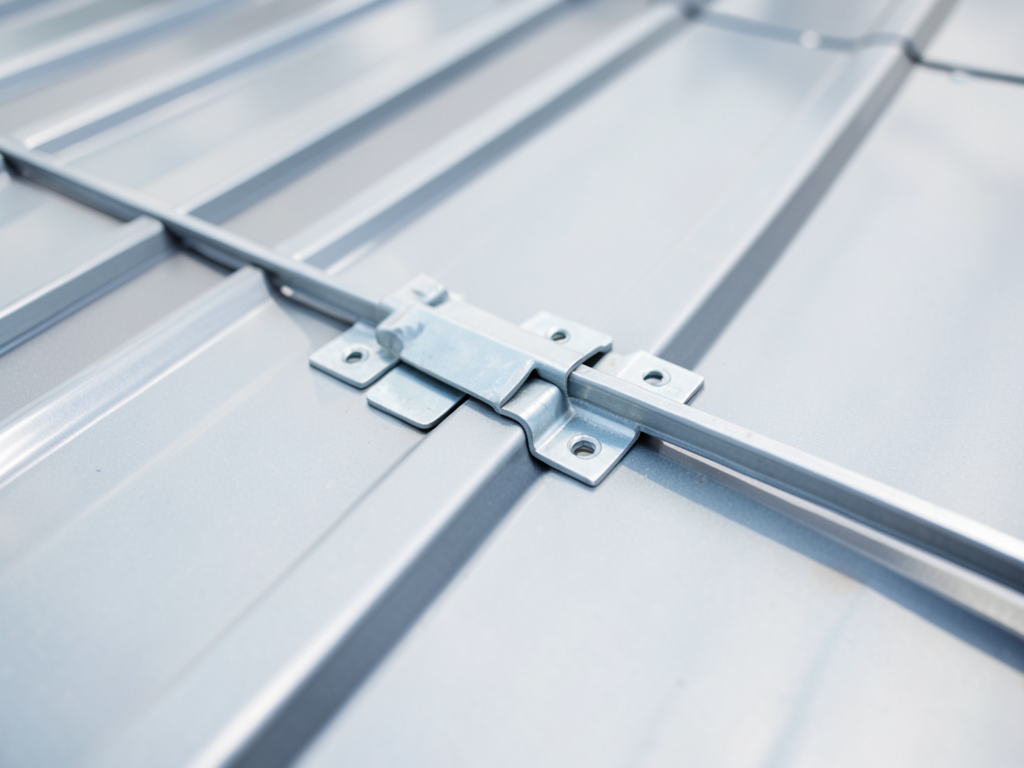
Standing seam metal roofing is hands-down the best choice for solar readiness. The raised seams allow installers to use clamp-based mounting systems that don’t penetrate the roof surface at all. This eliminates leak risks and makes future panel removal much easier. Metal roofs also last 40-50 years, matching or exceeding solar panel lifespans.
Asphalt architectural shingles are the most common choice and work fine if they’re less than 10 years old. Look for shingles with a Class A fire rating and enhanced algae resistance for Cincinnati’s humid conditions. The key is ensuring your shingles have at least 15 years of life remaining when you install solar.
Synthetic slate and composite materials offer excellent durability but require special mounting hardware. These materials typically last 30-40 years and handle Cincinnati’s freeze-thaw cycles better than traditional materials.
Flat roof systems present unique challenges. In Cincinnati, flat roofs need specialized ballast-mounted systems or low-profile panels to handle snow loads. The membrane material (TPO, EPDM, or modified bitumen) must be in excellent condition since repairs after solar installation become much more difficult. Reliable Flat Roof Repair Services for Over-the-Rhine Business Owners.
Cincinnati Building Codes and Solar Permitting Requirements
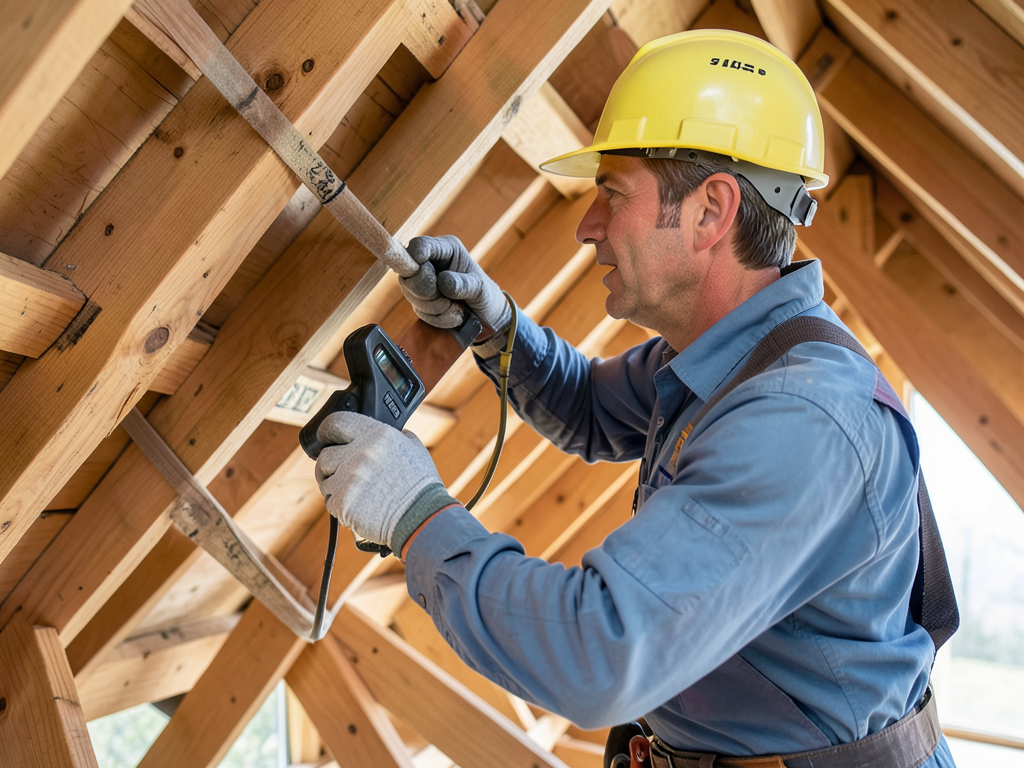
Understanding local requirements is crucial for solar readiness. Hamilton County follows the Ohio Residential Code, which includes specific provisions for solar installations under Chapter 23. The most important requirement is structural load calculation documentation.
For Cincinnati homes, the building department requires a signed engineer’s letter confirming the roof can support the dead load of panels plus the live load of snow and wind. This is particularly critical for homes in older neighborhoods like Hyde Park or Oakley where original construction may not meet current standards.
Fire code compliance is another major factor. Cincinnati Fire Department requires a 3-foot clear path on each roof slope for emergency access. This means your available roof space for solar might be less than you think, especially on homes with complex rooflines common in historic Cincinnati neighborhoods. Who to Call for 24-Hour Emergency Roof Leak Repair in Cincinnati.
Electrical permits are handled separately through Duke Energy’s interconnection process. Your main electrical panel must have available breaker space and adequate bus rating for the solar inverter. Many Cincinnati homes built before 1990 need electrical service upgrades before solar installation becomes possible.
Finally, Hamilton County requires specific flashing details for all roof penetrations. The code mandates ice and water shield installation in all valleys and along eaves, extending at least 24 inches past the interior wall line. This is non-negotiable for solar-ready roofing projects.
The Solar Ready Roofing Installation Process
If your inspection shows your roof isn’t ready for solar, here’s what a proper solar-ready installation looks like. First, we remove all existing roofing down to the deck, inspecting for rot or structural damage. This is where we often find problems that would have caused solar installation failures.
Next comes structural reinforcement if needed. This might include adding collar ties, sistering rafters, or installing additional support posts in the attic. For Cincinnati’s snow loads, we typically overbuild by 10-15% to ensure long-term safety.. Read more about The Pros and Cons of Adding Skylights During a Cincinnati Roof Replacement.
The new roof installation includes enhanced underlayment systems. We use synthetic underlayment instead of traditional felt because it handles moisture better during the construction phase and provides superior protection if shingles get damaged.
Specialized flashing is critical for solar readiness. We install extra-thick aluminum flashing at all future panel mounting points, sealing them with industrial-grade sealant that remains flexible for decades. This prevents the most common solar-related roof leaks.
Finally, we coordinate with your solar installer to ensure conduit pathways are properly planned. This includes creating attic access points and planning for future wire runs without compromising roof integrity.
Financial Incentives for Solar Ready Roofing in Cincinnati
The financial picture for solar ready roofing in Cincinnati is better than most people realize. The federal solar tax credit remains at 30% through 2032, covering both the solar system and the roof replacement if done as part of the same project.
Duke Energy offers net metering in Cincinnati, allowing you to sell excess power back to the grid at retail rates. This can reduce your payback period by 2-3 years compared to areas without net metering. The current rate is approximately $0.11 per kWh for credited power.
Ohio also offers Solar Renewable Energy Credits (SRECs) that can provide additional income. One SREC represents 1,000 kWh of solar production and currently trades for $8-$12 in the Ohio market. For a typical Cincinnati home, this could generate $200-$300 annually.
Local incentives vary by municipality. Cincinnati offers a 100% tax abatement on the increased property value from solar installations for the first 10 years. This means you won’t pay higher property taxes even though your home value increases.
Many Cincinnati banks offer green energy loans with terms specifically for solar and roofing projects. These loans often have lower interest rates than conventional home improvement loans and longer terms that match the energy savings timeline.
DIY Solar Readiness Assessment: What to Check Yourself
While you need professional inspection for final determination, you can do some preliminary checks yourself. Start by examining your shingles from the ground. Look for curling edges, missing granules, or discoloration. If more than 20% of your shingles show these signs, your roof likely needs replacement before solar.
Check your attic during daylight hours. If you see light coming through the roof boards or notice water stains, you have serious problems that solar won’t fix. Also check for proper ventilation—if your attic is extremely hot in summer, your current ventilation system may not meet code requirements.
Examine your electrical panel. If it’s completely full with no available breaker slots, you’ll need an upgrade regardless of solar readiness. Also check the age of your main service—panels over 25 years old often need replacement for safety reasons.
Look at your roof’s sun exposure. Use a free solar mapping tool to check for shading from trees or nearby buildings. In Cincinnati, even partial shading can reduce solar production by 30% or more.
Finally, consider your roof’s age. If it’s more than 15 years old and you’re planning to stay in your home for 5+ more years, replacement before solar is usually the most cost-effective approach.
Case Study: Solar Ready Success in Hyde Park
Recently, we worked with a homeowner in Hyde Park who was quoted $22,000 for solar installation. The solar company’s inspection revealed that the 18-year-old roof needed replacement first, adding another $10,000 to the project.
Instead of proceeding immediately, the homeowner called us for a second opinion. Our inspection found that while the roof did need work, the structural issues were less severe than the solar company indicated. We recommended targeted repairs to specific rafters and a partial roof replacement rather than a full tear-off. Roof Repair Services.
The final project cost $18,000 total—$12,000 for the solar system and $6,000 for the roof work. By choosing the right approach, the homeowner saved $14,000 compared to the initial quote and ended up with a roof that will last the full life of the solar system.
This is exactly why getting a roofing expert’s opinion before committing to solar is so important. Different contractors see different solutions, and the right assessment can save you thousands.
Frequently Asked Questions
How do I know if my Cincinnati roof is strong enough for solar panels?
A professional structural assessment is required, but signs of weakness include sagging roof lines, cracked rafters in the attic, or a roof built before 2000 that may not meet current 30 psf load requirements. Most Cincinnati homes need evaluation for the additional 3-4 psf that solar panels add.
Can I install solar panels on a 20-year-old roof in Cincinnati?
It’s not recommended. Cincinnati’s humid climate and freeze-thaw cycles typically limit asphalt shingle life to 20-25 years. Installing solar on an older roof means you’ll pay to remove and reinstall panels within 5-10 years when the roof fails.
What’s the best roofing material for solar in Cincinnati’s climate?
Standing seam metal roofing is ideal because it allows clamp-based mounting without penetrations and lasts 40-50 years. If you prefer shingles, architectural asphalt with 15+ years of life remaining works well, but avoid installing solar on roofs older than 15 years.
How long does a solar-ready roof installation take in Cincinnati?
A full solar-ready roof installation typically takes 3-5 days for the roofing work plus 1-2 days for solar panel installation. Weather delays are common in Cincinnati, so plan for potential 1-2 week total timeline during spring and fall seasons.
Will my homeowner’s insurance cover solar panel damage in Cincinnati?
Most Cincinnati insurance policies cover solar panels as part of the dwelling coverage, but you must inform your insurer about the installation. Some companies require a separate endorsement, and premiums typically increase by $100-$200 annually.
Ready to Go Solar? Start with a Professional Roof Assessment
The decision to add solar panels to your Cincinnati home is exciting, but it’s crucial to get the foundation right first. A solar-ready roof isn’t just about supporting panels—it’s about protecting your investment for the next 25-30 years.
Before you commit to solar installation, call (513) 223-5511 for a comprehensive roof assessment. We’ll inspect your roof’s structural integrity, check for hidden damage, and provide honest recommendations about whether replacement or repairs are needed first.
Our team understands Cincinnati’s unique climate challenges and building requirements. We’ve helped hundreds of local homeowners prepare their roofs for solar success, saving them from costly mistakes and ensuring their solar investment pays off for decades.
Don’t let an unprepared roof derail your solar dreams. Call (513) 223-5511 today to schedule your inspection. The sooner you know your roof’s true condition, the more options you’ll have for creating the perfect solar-ready system for your Cincinnati home.
You may also find this helpful. What Happens if Your Roofer Finds Rotten Wood Decking After Tearing Off Shingles.
{
“@context”: “https://schema.org”,
“@type”: “BlogPosting”,
“headline”: “Is Your Current Cincinnati Roof Ready for Solar Panel Installation?”,
“description”: “Thinking about solar in Cincinnati? Learn if your roof can handle the weight, meet code, and save you money. Call (513) 223-5511 for a free inspection.”,
“wordCount”: 2402,
“datePublished”: “2026-03-10T10:45:00.000Z”,
“dateModified”: “2026-03-10T10:45:00.000Z”,
“inLanguage”: “en-US”,
“mainEntityOfPage”: {
“@type”: “WebPage”,
“@id”: “https://firstchoiceroofingcincinnati.com”
},
“publisher”: {
“@type”: “LocalBusiness”,
“name”: “First Choice Roofing Cincinnati”,
“url”: “https://firstchoiceroofingcincinnati.com”
},
“author”: {
“@type”: “Organization”,
“name”: “First Choice Roofing Cincinnati”,
“url”: “https://firstchoiceroofingcincinnati.com”
},
“image”: {
“@type”: “ImageObject”,
“url”: “https://firstchoiceroofingcincinnati.com/wp-content/uploads/2026/03/is-your-current-cincinnati-roof-ready-for-solar-pa-1.png”
}
}
{
“@context”: “https://schema.org”,
“@type”: “RoofingContractor”,
“name”: “First Choice Roofing Cincinnati”,
“url”: “https://firstchoiceroofingcincinnati.com”,
“address”: {
“@type”: “PostalAddress”,
“addressLocality”: “Cincinnati”
},
“areaServed”: {
“@type”: “City”,
“name”: “Cincinnati”
}
}
{
“@context”: “https://schema.org”,
“@type”: “FAQPage”,
“mainEntity”: [
{
“@type”: “Question”,
“name”: “What Makes a Roof \”Solar Ready\” in Cincinnati?”,
“acceptedAnswer”: {
“@type”: “Answer”,
“text”: “A solar ready roof isn’t just about having a south-facing slope. In Cincinnati, solar readiness means your roof can handle the structural load of panels plus snow accumulation, has the right orientation for our latitude, meets current Hamilton County building codes, and won’t need replacement during the solar system’s lifetime. Hamilton County Building Codes.”
}
},
{
“@type”: “Question”,
“name”: “The Cost-Benefit Analysis: Replace First or Retrofit Later?”,
“acceptedAnswer”: {
“@type”: “Answer”,
“text”: “Let’s talk numbers. A typical Cincinnati home needs a 6-8 kW solar system that costs $15,000-$20,000 after the 30% federal tax credit. If your roof needs replacement first, that’s another $8,000-$12,000. The question is whether the combined cost is worth it compared to waiting. Federal Solar Tax Credit.”
}
},
{
“@type”: “Question”,
“name”: “How do I know if my Cincinnati roof is strong enough for solar panels?”,
“acceptedAnswer”: {
“@type”: “Answer”,
“text”: “A professional structural assessment is required, but signs of weakness include sagging roof lines, cracked rafters in the attic, or a roof built before 2000 that may not meet current 30 psf load requirements. Most Cincinnati homes need evaluation for the additional 3-4 psf that solar panels add.”
}
},
{
“@type”: “Question”,
“name”: “Can I install solar panels on a 20-year-old roof in Cincinnati?”,
“acceptedAnswer”: {
“@type”: “Answer”,
“text”: “It’s not recommended. Cincinnati’s humid climate and freeze-thaw cycles typically limit asphalt shingle life to 20-25 years. Installing solar on an older roof means you’ll pay to remove and reinstall panels within 5-10 years when the roof fails.”
}
},
{
“@type”: “Question”,
“name”: “What’s the best roofing material for solar in Cincinnati’s climate?”,
“acceptedAnswer”: {
“@type”: “Answer”,
“text”: “Standing seam metal roofing is ideal because it allows clamp-based mounting without penetrations and lasts 40-50 years. If you prefer shingles, architectural asphalt with 15+ years of life remaining works well, but avoid installing solar on roofs older than 15 years.”
}
},
{
“@type”: “Question”,
“name”: “How long does a solar-ready roof installation take in Cincinnati?”,
“acceptedAnswer”: {
“@type”: “Answer”,
“text”: “A full solar-ready roof installation typically takes 3-5 days for the roofing work plus 1-2 days for solar panel installation. Weather delays are common in Cincinnati, so plan for potential 1-2 week total timeline during spring and fall seasons.”
}
},
{
“@type”: “Question”,
“name”: “Will my homeowner’s insurance cover solar panel damage in Cincinnati?”,
“acceptedAnswer”: {
“@type”: “Answer”,
“text”: “Most Cincinnati insurance policies cover solar panels as part of the dwelling coverage, but you must inform your insurer about the installation. Some companies require a separate endorsement, and premiums typically increase by $100-$200 annually.”
}
}
]
}
{
“@context”: “https://schema.org”,
“@type”: “BreadcrumbList”,
“itemListElement”: [
{
“@type”: “ListItem”,
“position”: 1,
“name”: “Home”,
“item”: “https://firstchoiceroofingcincinnati.com”
},
{
“@type”: “ListItem”,
“position”: 2,
“name”: “Blog”,
“item”: “https://firstchoiceroofingcincinnati.com/blog”
},
{
“@type”: “ListItem”,
“position”: 3,
“name”: “Is Your Current Cincinnati Roof Ready for Solar Panel Installation?”
}
]
}
{
“@context”: “https://schema.org”,
“@type”: “Service”,
“serviceType”: “Roofing”,
“provider”: {
“@type”: “LocalBusiness”,
“name”: “First Choice Roofing Cincinnati”,
“url”: “https://firstchoiceroofingcincinnati.com”
},
“areaServed”: {
“@type”: “City”,
“name”: “Cincinnati”
},
“description”: “Thinking about solar in Cincinnati? Learn if your roof can handle the weight, meet code, and save you money. Call (513) 223-5511 for a free inspection.”
}