
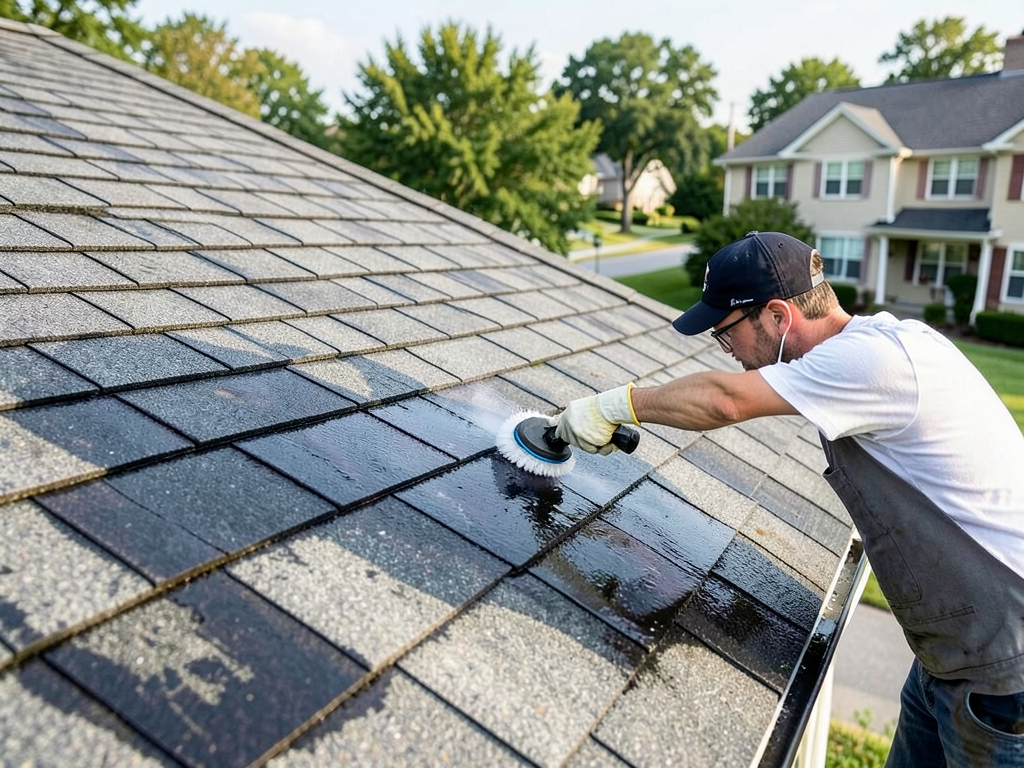
Are Black Streaks on Your Roof Just Dirt or a Sign of Damage?
If you’re seeing black streaks running down your shingles, you’re not alone. Many Cincinnati homeowners notice these dark stains and wonder if they’re just dirt or something more serious. The truth is, those streaks are usually caused by a type of airborne algae called Gloeocapsa magma that thrives in our humid Ohio River Valley climate. This bacteria feeds on the limestone filler in asphalt shingles and can spread quickly across your roof if left untreated.
The good news is that black streaks are typically not a sign of structural damage. However, they can shorten your roof’s lifespan by trapping moisture and accelerating shingle deterioration. Left unchecked, the algae can create a breeding ground for moss and lichen, which can lift shingles and allow water to penetrate your home’s underlayment. Understanding what you’re dealing with is the first step to protecting your investment.. Read more about Matching Your Roof Shingle Colors to Cincinnati Red Brick Homes.
How to Identify Roof Algae vs. Dirt or Moss
Roof algae appears as dark, streaky stains that often run vertically down your shingles. Unlike dirt, which tends to be more patchy and can be washed away with rain, algae creates a permanent stain that darkens over time. The streaks typically start near the top of your roof and spread downward as the algae grows and releases spores.
Key differences to look for:
- Algae: Dark streaks, usually black or dark green, that appear in humid areas
- Dirt: Random patches, lighter in color, washes away with heavy rain
- Moss: Green, fuzzy growth that often appears in shaded areas and can lift shingles
- Lichen: A combination of algae and fungus that creates a crusty, multi-colored appearance
Algae growth is most common on north-facing roof slopes in Cincinnati because these areas receive less direct sunlight and stay damp longer after rain or morning dew. How to Get Your Cincinnati Roof Replaced After a Major Hail Storm.
The Cincinnati Climate Connection
Our Ohio River Valley location creates perfect conditions for roof algae growth. Cincinnati averages 42 inches of rainfall annually with high humidity levels throughout the summer months. The combination of warm temperatures and moisture creates an ideal breeding ground for Gloeocapsa magma and other microorganisms.
Local factors that accelerate algae growth include:
- High humidity from the Ohio River and nearby water bodies
- Warm summer temperatures that stay above 70°F for extended periods
- Afternoon thunderstorms that leave roofs damp for hours
- Pollution and tree sap that provide additional nutrients for algae
Neighborhoods like Hyde Park, Oakley, and Mount Lookout often see faster algae growth due to their mature tree canopy and proximity to the Ohio River’s humid air flow.. Read more about How the Humidity in the Ohio River Valley Affects Your Roof’s Lifespan.
Why Professional Treatment Matters
While you might be tempted to grab a pressure washer and clean those streaks yourself, this approach can actually cause more harm than good. High-pressure washing can strip away the protective granules from your asphalt shingles, void your manufacturer’s warranty, and force water under the shingles where it can cause rot and leaks. Asphalt Roofing Manufacturers Association.
Professional roof cleaning uses a soft wash method that combines low-pressure application with specialized cleaning solutions. These solutions typically contain sodium hypochlorite (similar to pool chlorine) and surfactants that kill the algae at its source without damaging your roofing materials. Is Metal Roofing Worth the Investment for Your Anderson Township Home?.
The soft wash process involves:
- Application of eco-friendly cleaning solution at low pressure
- 30-45 minute dwell time to allow the solution to penetrate and kill algae
- Rinse with garden hose pressure to remove dead algae and debris
- Plant protection measures to prevent solution runoff damage
According to the Asphalt Roofing Manufacturers Association (ARMA), this soft wash method is the only recommended approach for cleaning asphalt shingles without voiding warranties.. Read more about How to Safely Clean Debris Off Your Roof Without Voiding Your Warranty.
Protecting Your Landscaping During Treatment
One of the biggest concerns homeowners have about roof cleaning is protecting their landscaping. The cleaning solutions used in soft washing are biodegradable and safe when properly applied, but precautions are still necessary to protect your plants and grass.
Professional contractors take these steps to protect your property:
- Pre-wetting all plants and grass to prevent solution absorption
- Covering delicate plants with breathable tarps
- Using plant-safe cleaning solutions with neutral pH levels
- Thorough rinsing of all areas where solution may have contacted plants
- Post-treatment plant food application to help recovery
These precautions are especially important in Cincinnati neighborhoods with mature landscaping like Indian Hill and Blue Ash, where homeowners have invested significantly in their outdoor spaces.. Read more about Is Your Current Cincinnati Roof Ready for Solar Panel Installation?.
Cost Factors and Treatment Timing
The cost of professional roof algae removal in Cincinnati typically ranges from $0.25 to $0.40 per square foot, depending on your roof’s size, pitch, and accessibility. A standard 2,000-square-foot ranch home might cost between $400 and $600 for complete treatment.. Read more about Why Your Roof Granules are Ending Up in Your Colerain Driveway.
Several factors affect pricing:
- Roof pitch: Steeper roofs require additional safety equipment and time
- Height: Two-story homes cost more due to ladder setup and equipment needs
- Accessibility: Obstacles like trees or power lines increase labor time
- Algae severity: Heavy growth may require multiple treatment applications
The best time for roof cleaning in Cincinnati is late spring through early fall when temperatures consistently stay above 50°F. This allows the cleaning solution to work effectively and gives you the longest period of algae-free protection before winter weather arrives.. Read more about What to Inspect on the Roof Before Buying a Fixer-Upper in Price Hill.
Prevention and Long-Term Protection
After your roof is cleaned, you can take steps to slow future algae growth. While you can’t eliminate the conditions that cause algae, you can make your roof less hospitable to these microorganisms.
Effective prevention strategies include:
- Installing zinc or copper strips near the roof peak (these metals release particles that inhibit algae growth)
- Trimming tree branches that shade your roof and keep it damp
- Cleaning your gutters regularly to prevent water backup
- Considering algae-resistant shingles when it’s time for replacement
Modern algae-resistant shingles contain copper granules that prevent the growth of Gloeocapsa magma. While they cost slightly more upfront, they can save you money on cleaning and extend your roof’s aesthetic lifespan by 5-10 years.
DIY vs. Professional Cleaning: The Safety Factor
Walking on a roof carries inherent risks, especially for the untrained. Professional roof cleaners use specialized safety equipment including harnesses, roof brackets, and non-slip footwear. They also understand how to navigate around roof vents, chimneys, and other obstacles safely.
DIY cleaning risks include:
- Falls from ladders or the roof surface
- Damage to shingles from improper cleaning techniques
- Personal injury from chemical exposure
- Voiding of roofing material warranties
- Damage to gutters and downspouts
According to the National Safety Council, falls from ladders account for over 300 deaths annually in the United States. Professional roof cleaners are trained in fall prevention and carry insurance to protect both themselves and your property.
When Replacement Makes More Sense
While cleaning can restore your roof’s appearance, there are times when replacement is the better investment. If your shingles are curling, cracking, or missing granules in addition to having algae stains, cleaning won’t address the underlying deterioration.
Consider replacement if:
- Your roof is over 20 years old
- You notice water stains on your ceiling or walls
- Shingles are brittle and break easily when touched
- You’ve had multiple leaks in recent years
- Your energy bills have increased due to poor insulation
A new roof with modern, energy-efficient materials can improve your home’s curb appeal, reduce energy costs, and provide peace of mind for 20-30 years.
Frequently Asked Questions
How long does professional roof cleaning take?
Most residential roof cleaning jobs in Cincinnati take 2-4 hours depending on the roof size and complexity. The actual cleaning process takes about 1-2 hours, with additional time needed for setup, plant protection, and cleanup.
Will the algae come back after cleaning?
Yes, algae can return over time, especially in our humid climate. Most homeowners see algae regrowth within 2-3 years. Installing zinc strips and keeping your roof clear of debris can extend the time between cleanings to 4-5 years.
Can I clean my roof in winter?
Professional cleaning is not recommended when temperatures are below 50°F because the cleaning solutions won’t work effectively. Additionally, wet winter conditions create dangerous working conditions for roof cleaners.
Does roof cleaning affect my home’s value?
Yes, a clean roof significantly improves your home’s curb appeal and can increase perceived value. Real estate professionals estimate that a clean, well-maintained roof can add 3-5% to your home’s market value.
Are the cleaning chemicals safe for my pets?
Professional contractors keep pets indoors during the cleaning process and thoroughly rinse all areas afterward. The cleaning solutions break down quickly when exposed to sunlight and are safe for pets once the area is dry.
Take Action Before Damage Spreads
Those black streaks on your roof aren’t just an eyesore—they’re a sign that algae is actively working to break down your roofing materials. In Cincinnati’s humid climate, the problem will only get worse with time. Professional soft washing can restore your roof’s appearance, extend its lifespan, and protect your home from the moisture-related damage that algae promotes.
Don’t wait until those streaks turn into leaks. Call (513) 223-5511 today to schedule your free roof inspection and get a quote for professional algae removal. Our team understands Cincinnati’s unique climate challenges and uses proven methods to clean your roof safely while protecting your landscaping and your investment.
Pick up the phone and call (513) 223-5511 before the next storm hits. A clean roof isn’t just about looks—it’s about protecting everything underneath it. For more information, visit Environmental Protection Agency.
{
“@context”: “https://schema.org”,
“@type”: “BlogPosting”,
“headline”: “Are Black Streaks on Your Roof Just Dirt or a Sign of Damage?”,
“description”: “Discover if black streaks on your Cincinnati roof are harmful algae or dirt. Learn the causes, risks, and safe removal options from local roofing experts.”,
“wordCount”: 1571,
“datePublished”: “2026-03-07T11:54:00.000Z”,
“dateModified”: “2026-03-07T11:54:00.000Z”,
“inLanguage”: “en-US”,
“mainEntityOfPage”: {
“@type”: “WebPage”,
“@id”: “https://firstchoiceroofingcincinnati.com”
},
“publisher”: {
“@type”: “LocalBusiness”,
“name”: “First Choice Roofing Cincinnati”,
“url”: “https://firstchoiceroofingcincinnati.com”
},
“author”: {
“@type”: “Organization”,
“name”: “First Choice Roofing Cincinnati”,
“url”: “https://firstchoiceroofingcincinnati.com”
},
“image”: {
“@type”: “ImageObject”,
“url”: “https://firstchoiceroofingcincinnati.com/wp-content/uploads/2026/03/are-black-streaks-on-your-roof-just-dirt-or-a-sign-1.png”
}
}
{
“@context”: “https://schema.org”,
“@type”: “RoofingContractor”,
“name”: “First Choice Roofing Cincinnati”,
“url”: “https://firstchoiceroofingcincinnati.com”,
“address”: {
“@type”: “PostalAddress”,
“addressLocality”: “Cincinnati”
},
“areaServed”: {
“@type”: “City”,
“name”: “Cincinnati”
}
}
{
“@context”: “https://schema.org”,
“@type”: “FAQPage”,
“mainEntity”: [
{
“@type”: “Question”,
“name”: “How long does professional roof cleaning take?”,
“acceptedAnswer”: {
“@type”: “Answer”,
“text”: “Most residential roof cleaning jobs in Cincinnati take 2-4 hours depending on the roof size and complexity. The actual cleaning process takes about 1-2 hours, with additional time needed for setup, plant protection, and cleanup.”
}
},
{
“@type”: “Question”,
“name”: “Will the algae come back after cleaning?”,
“acceptedAnswer”: {
“@type”: “Answer”,
“text”: “Yes, algae can return over time, especially in our humid climate. Most homeowners see algae regrowth within 2-3 years. Installing zinc strips and keeping your roof clear of debris can extend the time between cleanings to 4-5 years.”
}
},
{
“@type”: “Question”,
“name”: “Can I clean my roof in winter?”,
“acceptedAnswer”: {
“@type”: “Answer”,
“text”: “Professional cleaning is not recommended when temperatures are below 50°F because the cleaning solutions won’t work effectively. Additionally, wet winter conditions create dangerous working conditions for roof cleaners.”
}
},
{
“@type”: “Question”,
“name”: “Does roof cleaning affect my home’s value?”,
“acceptedAnswer”: {
“@type”: “Answer”,
“text”: “Yes, a clean roof significantly improves your home’s curb appeal and can increase perceived value. Real estate professionals estimate that a clean, well-maintained roof can add 3-5% to your home’s market value.”
}
},
{
“@type”: “Question”,
“name”: “Are the cleaning chemicals safe for my pets?”,
“acceptedAnswer”: {
“@type”: “Answer”,
“text”: “Professional contractors keep pets indoors during the cleaning process and thoroughly rinse all areas afterward. The cleaning solutions break down quickly when exposed to sunlight and are safe for pets once the area is dry.”
}
}
]
}
{
“@context”: “https://schema.org”,
“@type”: “BreadcrumbList”,
“itemListElement”: [
{
“@type”: “ListItem”,
“position”: 1,
“name”: “Home”,
“item”: “https://firstchoiceroofingcincinnati.com”
},
{
“@type”: “ListItem”,
“position”: 2,
“name”: “Blog”,
“item”: “https://firstchoiceroofingcincinnati.com/blog”
},
{
“@type”: “ListItem”,
“position”: 3,
“name”: “Are Black Streaks on Your Roof Just Dirt or a Sign of Damage?”
}
]
}
{
“@context”: “https://schema.org”,
“@type”: “Service”,
“serviceType”: “Roofing”,
“provider”: {
“@type”: “LocalBusiness”,
“name”: “First Choice Roofing Cincinnati”,
“url”: “https://firstchoiceroofingcincinnati.com”
},
“areaServed”: {
“@type”: “City”,
“name”: “Cincinnati”
},
“description”: “Discover if black streaks on your Cincinnati roof are harmful algae or dirt. Learn the causes, risks, and safe removal options from local roofing experts.”
}