
How the Humidity in the Ohio River Valley Affects Your Roof’s Lifespan
The Ohio River Valley’s high humidity creates a unique challenge for Cincinnati homeowners. When moisture lingers in the air, it doesn’t just make summer uncomfortable—it actively damages your roof from multiple angles. Your shingles face constant exposure to moisture that promotes algae growth, accelerates material breakdown, and creates hidden problems in your attic that can cut your roof’s lifespan by years. How to Get Your Cincinnati Roof Replaced After a Major Hail Storm.
Cincinnati’s climate averages 70-80% humidity during July and August, with dew points often exceeding 70°F. This creates the perfect environment for roof deterioration that many homeowners don’t notice until significant damage has occurred. The moisture doesn’t just sit on your roof’s surface—it penetrates underlayment, affects attic ventilation, and creates conditions where mold and rot thrive.
Understanding how humidity affects your roof helps you take proactive steps to protect your investment. The combination of high moisture, temperature swings, and poor ventilation can reduce a 25-year shingle roof to lasting only 15 years or less.. Read more about Understanding the Difference Between a Roof Leak and Simple Condensation.
Why Cincinnati’s Climate Creates Special Roof Challenges
The Ohio River Valley sits in a unique geographic position where warm, moist air from the Gulf of Mexico meets cooler northern air masses. This creates what locals call the “Humidity Dome”—a persistent layer of moisture that blankets the region for months each year.
During summer months, Cincinnati experiences average temperatures in the mid-80s combined with humidity levels that rarely drop below 60% even at night. This constant moisture exposure means your roof never fully dries out between storms. The moisture penetrates asphalt shingles, causes wood decking to swell and contract, and creates ideal conditions for algae and moss growth. Asphalt Roofing Manufacturers Association.
The problem compounds because many Cincinnati homes were built before modern ventilation standards. Older construction in neighborhoods like Hyde Park and Oakley often lacks proper ridge vents or adequate soffit ventilation, trapping moisture in attic spaces where it accelerates damage from the inside out.
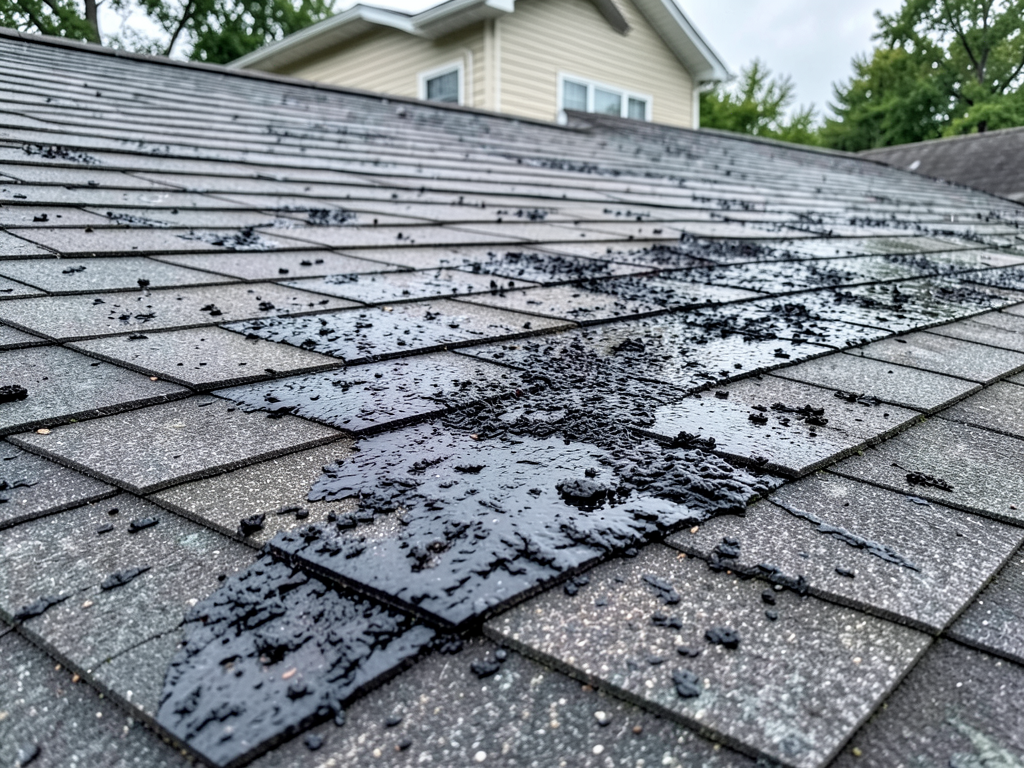
Diagram showing moisture flow through roof layers during high humidity conditions
Three Ways Humidity Silently Destroys Your Cincinnati Roof
High humidity attacks your roof through multiple mechanisms that work together to shorten its lifespan. Understanding these processes helps you recognize warning signs before major damage occurs.
Shingle Degradation and Granule Loss
Constant moisture exposure causes asphalt shingles to soften and become more flexible. This might seem beneficial at first, but it actually accelerates wear. Soft shingles are more susceptible to wind uplift, and the moisture causes the adhesive strips between shingles to fail prematurely. Flexible Financing Options for Your New Cincinnati Roof Installation.
The granules that protect your shingles from UV rays begin to loosen when exposed to persistent moisture. Once these granules wash away, the underlying asphalt becomes vulnerable to sun damage, creating a cycle of accelerated deterioration. You might notice dark streaks or bare spots on your shingles where granules have worn away.. Read more about Why Your Roof Granules are Ending Up in Your Colerain Driveway.
According to the Asphalt Roofing Manufacturers Association, shingles in high-humidity environments can lose up to 30% more granules in their first five years compared to those in drier climates. This granule loss directly correlates with reduced UV protection and shorter overall lifespan. Is Metal Roofing Worth the Investment for Your Anderson Township Home?.
Algae and Mold Growth
Gloeocapsa magma, commonly known as black algae, thrives in Cincinnati’s humid conditions. This bacteria appears as dark streaks on your roof and feeds on the limestone filler in asphalt shingles. Once established, it spreads rapidly across your roof surface, creating unsightly black streaks that can reduce your home’s curb appeal.
The algae problem goes beyond aesthetics. As it grows, it retains moisture against your shingles, creating a constantly damp environment that accelerates material breakdown. The retained moisture also provides a breeding ground for moss and lichen, which can lift shingles and create entry points for water.
Mold growth in your attic represents an even more serious threat. When warm, moist air from your living space rises into a poorly ventilated attic, it condenses on cooler surfaces. This creates the perfect environment for mold growth on rafters, insulation, and the underside of your roof deck.
Wood Rot and Structural Damage
Moisture is wood’s worst enemy, and your roof deck consists of plywood or OSB panels that absorb water readily. When humidity levels remain high for extended periods, the wood in your roof structure never fully dries out. This constant dampness leads to delamination, where the layers of plywood separate and lose structural integrity.. Read more about Why You Should Never Use a Pressure Washer on Your Cincinnati Shingles.
The Ohio Building Code (Section 907.2.1) requires specific ventilation standards for attic spaces, but many older Cincinnati homes don’t meet these requirements. Without proper airflow, moisture becomes trapped in your attic, creating conditions where wood rot can spread undetected for years.
Rot often starts at the edges of plywood panels where they meet rafters or at areas where roof leaks have occurred. Once rot begins, it spreads rapidly through the wood fibers, compromising the structural integrity of your entire roof system.
The Critical Role of Attic Ventilation
Proper attic ventilation serves as your primary defense against humidity-related roof damage. The system works by creating continuous airflow that removes moisture-laden air before it can condense on surfaces.
According to the International Residential Code (IRC Section R806), attics require minimum ventilation ratios of 1 square foot of net free area per 150 square feet of attic floor space. In high-humidity climates like Cincinnati’s, many building professionals recommend increasing this to 1:300 for improved moisture control. National Roofing Contractors Association.
Effective ventilation requires both intake and exhaust components. Soffit vents draw cool, dry air into the attic at the eaves, while ridge vents or gable vents allow warm, moist air to escape at the roof peak. This creates a convection current that continuously exchanges attic air.
Many Cincinnati homes, particularly those built before 1980 in neighborhoods like Mount Lookout and Clifton, lack adequate ventilation. These homes often have only gable vents or no ventilation at all, creating dead air spaces where moisture accumulates.
Signs Your Roof Suffers from Humidity Damage
Recognizing the early warning signs of humidity-related roof damage can save you thousands in repair costs. Here are the most common indicators that moisture is affecting your roof’s health. Reliable Flat Roof Repair Services for Over-the-Rhine Business Owners.
Visual Exterior Signs: Dark streaks or discoloration on shingles, especially on north-facing slopes where moisture lingers longest. Missing or loose granules in your gutters or at the base of downspouts. Curling or buckling shingles, particularly at the edges of your roof where moisture tends to accumulate.
Interior Warning Signs: Musty odors in your attic or upper rooms, indicating mold or mildew growth. Damp or compressed insulation in your attic, suggesting moisture penetration. Water stains on ceilings or walls, which may indicate condensation rather than active leaks.
Performance Indicators: Higher cooling bills during summer months, as moisture-laden air makes your AC work harder. Ice dam formation in winter, caused by heat escaping through a poorly ventilated attic. Frequent need to clean gutters due to accelerated debris accumulation from deteriorating shingles.
The “screwdriver test” provides a simple way to check for hidden moisture damage. Press a screwdriver into your roof deck from inside the attic—if it sinks easily or feels spongy, you likely have moisture-related rot that requires immediate attention.
Preventative Solutions for Cincinnati Homeowners
Protecting your roof from humidity damage requires a multi-faceted approach that addresses both immediate concerns and long-term prevention. Here are proven strategies that work specifically for Cincinnati’s climate.
Upgrade Your Attic Ventilation
Improving attic ventilation often provides the biggest return on investment for humidity control. Install continuous ridge vents along the peak of your roof to create maximum exhaust capacity. Add soffit vents with proper baffles to ensure unobstructed airflow from the eaves.
For homes with complex rooflines or limited ridge length, consider adding gable vents or powered attic fans to supplement natural ventilation. The goal is to achieve at least 6-8 complete air changes per hour in your attic space during peak summer conditions.
Modern ventilation systems can reduce attic temperatures by 20-30°F and significantly decrease moisture accumulation. This not only protects your roof but also reduces cooling costs and extends the life of HVAC equipment located in attic spaces.
Install Algae-Resistant Shingles
Many major manufacturers now offer algae-resistant shingles that incorporate copper or zinc granules into the surface. These metals create a protective barrier that inhibits algae growth without affecting the shingle’s appearance or performance.
While algae-resistant shingles cost 10-15% more than standard shingles, they can extend your roof’s aesthetic life by 5-7 years in humid climates. The investment pays for itself through reduced cleaning costs and maintained curb appeal.
When replacing your roof, consider upgrading to architectural shingles with enhanced moisture resistance. These thicker shingles provide better protection against wind-driven rain and have more durable adhesive strips that resist humidity-related failure.
Regular Professional Inspections
Annual roof inspections by qualified professionals can identify humidity-related problems before they cause major damage. A thorough inspection should include checking attic ventilation, examining the underside of roof decking for moisture or mold, and assessing shingle condition for signs of algae or granule loss.
Professional inspectors use moisture meters to detect hidden water intrusion and thermal imaging cameras to identify areas where heat loss indicates inadequate insulation or ventilation. These diagnostic tools reveal problems that homeowners typically miss.
The National Roofing Contractors Association recommends inspections twice yearly—once in spring to check for winter damage and again in fall to prepare for harsh weather. In Cincinnati’s climate, this frequency helps catch humidity-related issues early.
Comparing Roofing Materials for High-Humidity Environments
Choosing the right roofing material significantly impacts how well your roof withstands Cincinnati’s humid climate. Here’s how different options perform in high-moisture conditions.
| Material Type | Humidity Resistance | Expected Lifespan in Cincinnati | Best Features |
|---|---|---|---|
| Asphalt Shingles (Standard) | Moderate | 15-20 years | Cost-effective, widely available |
| Asphalt Shingles (Algae-Resistant) | Good | 20-25 years | Resists black streaks, longer warranty |
| Metal Roofing | Excellent | 40-60 years | Superior moisture resistance, energy efficient |
| Synthetic Slate | Very Good | 30-40 years | Resistant to algae, impact resistant |
| Clay Tile | Excellent | 50+ years | Completely impervious to moisture |
Metal roofing offers the best long-term protection against humidity damage, though the upfront cost is higher. The material doesn’t support algae growth, resists moisture penetration, and reflects heat to reduce cooling costs. For homeowners planning to stay in their homes long-term, metal often proves most cost-effective despite the higher initial investment.
Emergency Steps When Humidity Damage is Discovered
Finding significant moisture damage in your roof requires immediate action to prevent further deterioration. Here’s what to do when you discover humidity-related problems.
- Contain the Moisture
Identify and stop active water intrusion. This might mean tarping damaged areas or redirecting water flow away from problem spots. Quick action prevents additional damage while you arrange for permanent repairs. Emergency Tarping Service.
- Assess the Extent
Have a professional inspect the full scope of damage, including areas you can’t see from the ground. Moisture problems often extend beyond visible damage, affecting structural components and creating mold risks.
- Address Ventilation Issues
Improve attic ventilation immediately to stop ongoing moisture accumulation. Even temporary fixes like adding portable dehumidifiers can help while permanent ventilation improvements are planned.
- Plan for Repairs
Develop a comprehensive repair strategy that addresses both visible damage and underlying causes. Simply replacing damaged shingles without fixing ventilation problems guarantees the issues will return.
Acting quickly when humidity damage appears can mean the difference between a minor repair and a full roof replacement. The longer moisture problems persist, the more extensive and expensive the necessary repairs become.
Frequently Asked Questions
How can I tell if my roof has humidity damage versus normal wear?
Humidity damage typically shows as dark streaks, algae growth, or musty odors in your attic. Normal wear appears as uniform granule loss or slight curling. If you notice black streaks or damp insulation, humidity is likely the culprit.
Does attic ventilation really make that much difference?
Yes. Proper ventilation can extend your roof’s life by 5-10 years in humid climates. It prevents moisture accumulation, reduces cooling costs, and prevents ice dam formation in winter. Homes with inadequate ventilation often need roof replacements 8-10 years sooner than properly ventilated homes.
Should I replace my roof sooner if I live in a high-humidity area?
Not necessarily. Instead, focus on preventative maintenance like improving ventilation and installing algae-resistant shingles. These steps can help your roof reach its expected lifespan even in humid conditions. Only replace when inspections show significant damage or performance issues.. Read more about The Surprising Benefits of Installing a Cool Roof in Pleasant Ridge.
What’s the best time of year to address humidity-related roof issues?
Spring and fall offer ideal conditions for roof work in Cincinnati. Spring allows you to address winter damage before summer humidity peaks, while fall repairs prepare your roof for winter moisture. Avoid scheduling major work during July and August when humidity is highest.
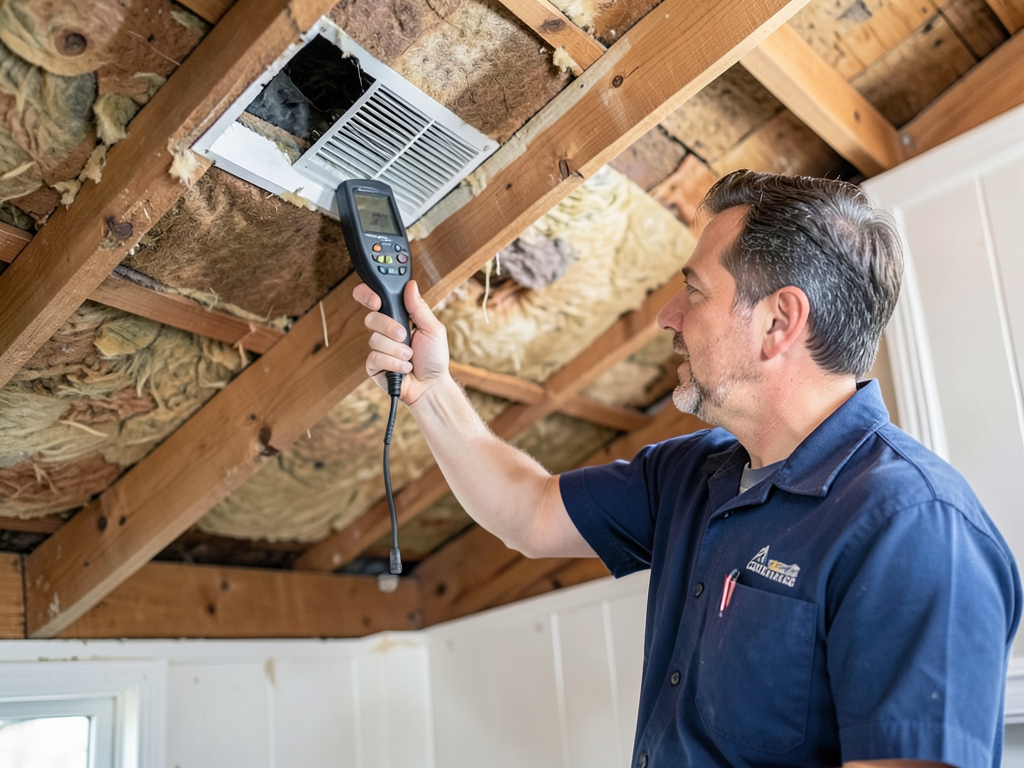
Photo of algae growth on asphalt shingles in Cincinnati neighborhood
Photo of professional roof inspection checking attic ventilation
Protect Your Cincinnati Home from Humidity Damage
Humidity poses a serious threat to your roof’s longevity, but understanding the risks puts you in control. By recognizing the signs of moisture damage, improving your attic ventilation, and choosing appropriate materials, you can significantly extend your roof’s lifespan despite Cincinnati’s challenging climate.
Don’t wait until you see water stains on your ceiling to take action. The hidden damage caused by humidity often costs homeowners thousands in premature replacements and repairs. A professional inspection can identify problems early when they’re still inexpensive to fix.
Call (513) 223-5511 today to schedule your comprehensive roof inspection. Our experienced technicians understand Cincinnati’s unique climate challenges and can recommend specific solutions to protect your home from humidity damage. Whether you need ventilation improvements, material upgrades, or a complete roof replacement, we’ll help you make the right choice for your home and budget.
Pick up the phone and call (513) 223-5511 before the next storm hits. Your roof works hard to protect your home—make sure it has the support it needs to handle Cincinnati’s humidity for years to come.
- Inspect Your Attic
Look for dark spots on rafters, damp insulation, or musty odors. These indicate moisture problems that need immediate attention.
- Examine Shingle Condition
Check for dark streaks, missing granules, or curling edges. These signs suggest algae growth and moisture damage.
- Test Roof Deck
Press a screwdriver into the roof deck from inside the attic. If it sinks easily, you likely have moisture-related rot.
- Check Ventilation
Ensure soffit vents aren’t blocked and ridge vents are clear. Proper airflow prevents moisture accumulation.
You may also find this helpful. Everything You Need to Know About Reflective Roofing for Greater Cincinnati Summers.
{
“@context”: “https://schema.org”,
“@type”: “BlogPosting”,
“headline”: “How the Humidity in the Ohio River Valley Affects Your Roof’s Lifespan”,
“description”: “Learn how Cincinnati’s high humidity accelerates roof damage and shortens shingle lifespan. Get expert tips on protecting your home from moisture-related wear.”,
“wordCount”: 2413,
“datePublished”: “2026-04-01T11:10:00.000Z”,
“dateModified”: “2026-04-01T11:10:00.000Z”,
“inLanguage”: “en-US”,
“mainEntityOfPage”: {
“@type”: “WebPage”,
“@id”: “https://firstchoiceroofingcincinnati.com”
},
“publisher”: {
“@type”: “LocalBusiness”,
“name”: “First Choice Roofing Cincinnati”,
“url”: “https://firstchoiceroofingcincinnati.com”
},
“author”: {
“@type”: “Organization”,
“name”: “First Choice Roofing Cincinnati”,
“url”: “https://firstchoiceroofingcincinnati.com”
},
“image”: {
“@type”: “ImageObject”,
“url”: “https://firstchoiceroofingcincinnati.com/wp-content/uploads/2026/03/how-the-humidity-in-the-ohio-river-valley-affects-1.png”
}
}
{
“@context”: “https://schema.org”,
“@type”: “RoofingContractor”,
“name”: “First Choice Roofing Cincinnati”,
“url”: “https://firstchoiceroofingcincinnati.com”,
“address”: {
“@type”: “PostalAddress”,
“addressLocality”: “Cincinnati”
},
“areaServed”: {
“@type”: “City”,
“name”: “Cincinnati”
}
}
{
“@context”: “https://schema.org”,
“@type”: “FAQPage”,
“mainEntity”: [
{
“@type”: “Question”,
“name”: “How can I tell if my roof has humidity damage versus normal wear?”,
“acceptedAnswer”: {
“@type”: “Answer”,
“text”: “Humidity damage typically shows as dark streaks, algae growth, or musty odors in your attic. Normal wear appears as uniform granule loss or slight curling. If you notice black streaks or damp insulation, humidity is likely the culprit.”
}
},
{
“@type”: “Question”,
“name”: “Does attic ventilation really make that much difference?”,
“acceptedAnswer”: {
“@type”: “Answer”,
“text”: “Yes. Proper ventilation can extend your roof’s life by 5-10 years in humid climates. It prevents moisture accumulation, reduces cooling costs, and prevents ice dam formation in winter. Homes with inadequate ventilation often need roof replacements 8-10 years sooner than properly ventilated homes.”
}
},
{
“@type”: “Question”,
“name”: “Should I replace my roof sooner if I live in a high-humidity area?”,
“acceptedAnswer”: {
“@type”: “Answer”,
“text”: “Not necessarily. Instead, focus on preventative maintenance like improving ventilation and installing algae-resistant shingles. These steps can help your roof reach its expected lifespan even in humid conditions. Only replace when inspections show significant damage or performance issues.”
}
},
{
“@type”: “Question”,
“name”: “What’s the best time of year to address humidity-related roof issues?”,
“acceptedAnswer”: {
“@type”: “Answer”,
“text”: “Spring and fall offer ideal conditions for roof work in Cincinnati. Spring allows you to address winter damage before summer humidity peaks, while fall repairs prepare your roof for winter moisture. Avoid scheduling major work during July and August when humidity is highest.”
}
}
]
}
{
“@context”: “https://schema.org”,
“@type”: “HowTo”,
“name”: “How to Check for Humidity Damage”,
“step”: [
{
“@type”: “HowToStep”,
“position”: 1,
“name”: “Inspect Your Attic”,
“text”: “Look for dark spots on rafters, damp insulation, or musty odors. These indicate moisture problems that need immediate attention.”
},
{
“@type”: “HowToStep”,
“position”: 2,
“name”: “Examine Shingle Condition”,
“text”: “Check for dark streaks, missing granules, or curling edges. These signs suggest algae growth and moisture damage.”
},
{
“@type”: “HowToStep”,
“position”: 3,
“name”: “Test Roof Deck”,
“text”: “Press a screwdriver into the roof deck from inside the attic. If it sinks easily, you likely have moisture-related rot.”
},
{
“@type”: “HowToStep”,
“position”: 4,
“name”: “Check Ventilation”,
“text”: “Ensure soffit vents aren’t blocked and ridge vents are clear. Proper airflow prevents moisture accumulation.”
}
],
“image”: “https://firstchoiceroofingcincinnati.com/wp-content/uploads/2026/03/how-the-humidity-in-the-ohio-river-valley-affects-1.png”
}
{
“@context”: “https://schema.org”,
“@type”: “BreadcrumbList”,
“itemListElement”: [
{
“@type”: “ListItem”,
“position”: 1,
“name”: “Home”,
“item”: “https://firstchoiceroofingcincinnati.com”
},
{
“@type”: “ListItem”,
“position”: 2,
“name”: “Blog”,
“item”: “https://firstchoiceroofingcincinnati.com/blog”
},
{
“@type”: “ListItem”,
“position”: 3,
“name”: “How the Humidity in the Ohio River Valley Affects Your Roof’s Lifespan”
}
]
}
{
“@context”: “https://schema.org”,
“@type”: “Service”,
“serviceType”: “Roofing”,
“provider”: {
“@type”: “LocalBusiness”,
“name”: “First Choice Roofing Cincinnati”,
“url”: “https://firstchoiceroofingcincinnati.com”
},
“areaServed”: {
“@type”: “City”,
“name”: “Cincinnati”
},
“description”: “Learn how Cincinnati’s high humidity accelerates roof damage and shortens shingle lifespan. Get expert tips on protecting your home from moisture-related wear.”
}