
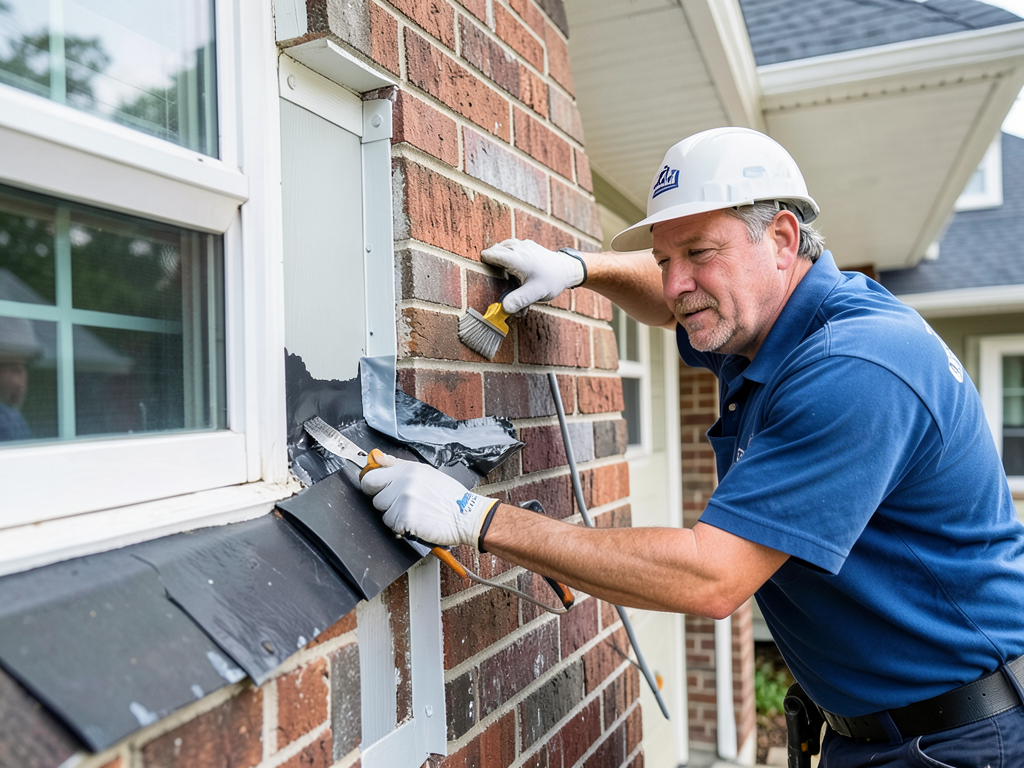
How to Tell if Your Roof Leaks are Caused by Damaged Flashing
Water dripping from your ceiling after a heavy Cincinnati rainstorm often points to one culprit: damaged roof flashing. While many homeowners assume a leak means they need a complete roof replacement, the real issue might be failing flashing around chimneys, vents, or valleys. This guide explains how to spot flashing problems, what causes them in Cincinnati’s climate, and when to call a professional before water damage spreads through your attic and walls. How to Get Your Cincinnati Roof Replaced After a Major Hail Storm.
What is Roof Flashing and Why Does it Fail in Cincinnati?
Roof flashing consists of thin metal sheets—typically aluminum, galvanized steel, or copper—installed at roof joints to direct water away from vulnerable areas. Think of flashing as your roof’s waterproof armor at its weakest points: where the roof meets a vertical surface like a chimney, where two roof planes meet in a valley, around plumbing vents, and along skylights. Is Metal Roofing Worth the Investment for Your Anderson Township Home?.
In Cincinnati, flashing fails faster than in many other regions due to our unique climate challenges. The Ohio Valley experiences dramatic temperature swings that cause metal flashing to expand and contract repeatedly. During winter, ice dams form when snow melts and refreezes at roof edges, forcing water under shingles and past compromised flashing. Add in spring thunderstorms with wind-driven rain and summer humidity that accelerates corrosion, and you have a perfect storm for flashing deterioration. Ohio Residential Code Chapter 9.
According to the Ohio Building Code (ORC Chapter 9), proper flashing installation requires specific materials and techniques to withstand local weather conditions. Many older Cincinnati homes, particularly in historic neighborhoods like Hyde Park and Oakley, have original flashing that’s now 20-30 years past its expected lifespan.
Signs Your Flashing Needs Repair
Identifying flashing problems early can save thousands in water damage repairs. Here’s what to look for during your inspection: EPA moisture control guidelines.
- Water stains on ceilings or walls – Brown spots appearing after rain often indicate flashing failure near chimneys or roof valleys
- Rust or corrosion on visible flashing – White powdery residue on aluminum flashing signals advanced deterioration
- Missing or cracked sealant – Old caulking around vents and chimneys crumbles away, creating entry points for water
- Shingles lifting near vertical surfaces – When step flashing pulls away from chimneys or walls, shingles follow
- Mold or mildew in attic spaces – Dark spots on rafters or insulation suggest ongoing moisture intrusion
- Visible gaps at roof joints – Daylight visible from the attic where flashing should seal roof penetrations
The ‘screwdriver test’ reveals hidden damage: gently press a screwdriver against suspected flashing. If it feels soft or crumbles, corrosion has compromised the metal’s integrity. This test, combined with moisture meter readings at various depths, helps determine whether repair or replacement is needed. Reliable Flat Roof Repair Services for Over-the-Rhine Business Owners.
Common Flashing Failure Points in Cincinnati Homes
Different areas of your roof face unique challenges based on Cincinnati’s weather patterns and architectural styles common in neighborhoods like Mount Lookout and Kenwood.. Read more about Common Reasons Why Your Roof Leaks Around the Chimney Flashing.
Chimney flashing often fails first because chimneys create complex intersections where roof planes meet vertical masonry. The freeze-thaw cycle causes mortar to crack, allowing water to seep behind flashing. Homes built before 1980 frequently have step flashing that’s too narrow for modern weather demands.
Valley flashing channels water from two roof planes into one drainage path. During heavy spring rains, these valleys handle enormous water volume. When debris like leaves or maple seeds accumulate, water backs up and finds ways past damaged valley lining.
Vent pipe flashing deteriorates from UV exposure and temperature cycling. The rubber gaskets around plumbing vents typically fail after 10-15 years, creating small but persistent leaks that damage attic insulation and promote mold growth.
Dormer and skylight flashing presents unique challenges on Cincinnati’s older homes. Many craftsman bungalows in Oakley and Hyde Park feature multiple dormers whose flashing wasn’t designed for today’s severe weather intensity.
DIY vs. Professional Flashing Repair: When to Call (513) 223-5511
Homeowners can handle minor sealant replacement around vents or clean debris from valleys, but most flashing repairs require professional expertise. Here’s when to pick up the phone and call (513) 223-5511:
Call a professional if you notice:
- Active leaks during rain – Water intrusion requires immediate attention to prevent structural damage
- Rusted or corroded flashing – Once metal corrodes, patches won’t provide lasting protection
- Multiple failure points – If flashing fails in one area, adjacent sections likely need attention too
- Ice dam formation – Winter ice dams indicate ventilation problems requiring comprehensive solutions
- Unknown leak sources – Professionals use thermal imaging and moisture meters to pinpoint hidden problems
DIY repairs often create bigger problems. Improper flashing installation can void manufacturer warranties and lead to more extensive water damage. Cincinnati’s building codes require specific flashing materials and installation methods that vary by roof pitch and local climate conditions.. Read more about How to Spot Hidden Water Damage in Your Attic Before it Ruins Your Ceiling.
Professional flashing repair includes proper underlayment installation, ice and water shield application per ORC R905.1.2 requirements, and integration with existing roofing materials. This comprehensive approach ensures repairs withstand Cincinnati’s next severe weather event.
Our Flashing Repair Process
When you call (513) 223-5511 for flashing repair, here’s what happens:
- Comprehensive Inspection
We examine all roof penetrations, valleys, and vertical intersections using moisture meters and thermal imaging to identify all failure points.
- Damage Assessment
Our technicians determine whether repair or replacement is most cost-effective, considering Cincinnati’s climate demands and building code requirements.
- Material Selection
We recommend appropriate flashing materials – copper for longevity, galvanized steel for cost-effectiveness, or aluminum for corrosion resistance in specific applications.
- Removal of Damaged Components
Old flashing, deteriorated sealant, and compromised underlayment are removed to expose the roof deck.
- Installation of New Flashing
We install proper step flashing, counter flashing, and valley lining according to Ohio Building Code specifications and manufacturer guidelines.
- Sealant Application
High-grade roofing cement and compatible sealants create waterproof barriers at all joints.
- Final Inspection
We verify proper installation, test for leaks, and ensure compliance with local building requirements.
Most flashing repairs in Cincinnati take 1-2 days depending on weather conditions and repair complexity. We work year-round, though winter repairs may require temporary solutions until conditions improve.
Cincinnati Roof Flashing Repair Costs
Flashing repair costs in Cincinnati vary based on several factors unique to our region. Simple sealant replacement around a single vent might cost $150-300, while comprehensive chimney flashing replacement could range from $800-2,500.
Key cost factors include:
| Repair Type | Typical Cincinnati Cost Range | Factors Affecting Price |
|---|---|---|
| Vent Boot Replacement | $150 – $300 | Roof pitch, accessibility, material quality |
| Step Flashing Repair | $400 – $800 | Chimney size, roof age, existing damage extent |
| Valley Flashing Replacement | $600 – $1,500 | Valley length, debris removal, underlayment needs |
| Complete Flashing System | $1,500 – $4,000 | Home size, architectural complexity, material upgrades |
Homes in historic Cincinnati neighborhoods like Over-the-Rhine or Clifton often require specialized flashing materials to match existing architecture while meeting modern performance standards. These restoration projects typically cost 15-25% more than standard repairs.
Insurance may cover flashing repairs if damage results from covered events like wind storms or hail common in the Ohio Valley. We work with all major insurance providers and can help document damage for claims.. Read more about Choosing the Right Roof for Your New Covered Porch or Patio in Mariemont.
Emergency Leak Repair Services in Greater Cincinnati
When Cincinnati’s spring thunderstorms or winter ice dams cause sudden leaks, waiting isn’t an option. Our emergency flashing repair services include: Who to Call for 24-Hour Emergency Roof Leak Repair in Cincinnati.
- 24/7 emergency response – We answer calls anytime, day or night
- Temporary tarping to prevent further damage while permanent repairs are scheduled
- Insurance documentation and claims assistance
- Priority scheduling for active leaks
- Same-day service for critical situations in Hamilton County
During severe weather events, we maintain emergency crews positioned throughout the Greater Cincinnati area to respond quickly to urgent calls. Our trucks carry common flashing materials and tools to handle most repairs immediately. Emergency Tarping Service.
Don’t let a small flashing leak become a major structural problem. Call (513) 223-5511 now for emergency service or to schedule your inspection before the next storm hits.
Preventative Maintenance for Cincinnati Roofs
Regular maintenance extends flashing life and prevents costly repairs. Cincinnati homeowners should:
- Schedule annual roof inspections each fall before winter weather arrives
- Clean gutters and valleys to prevent debris accumulation that traps moisture
- Check attic ventilation to prevent ice dam formation
- Replace damaged shingles promptly to protect underlying flashing
- Apply protective coatings to metal flashing every 5-7 years
Many Cincinnati homeowners schedule flashing inspections when replacing aging asphalt shingles. This coordinated approach ensures all roof components work together effectively against our challenging climate.
Frequently Asked Questions
How long should roof flashing last in Cincinnati?
Quality flashing typically lasts 20-30 years in Cincinnati’s climate, though severe weather can reduce this to 15-20 years. Homes built before 1980 often need flashing replacement due to outdated materials and installation methods.
Can I repair flashing myself?
Minor sealant replacement is possible for DIYers, but most flashing repairs require professional expertise. Improper installation can cause more damage and void warranties. Cincinnati’s building codes also mandate specific installation methods.
Will my insurance cover flashing repairs?
Insurance typically covers flashing damage from sudden events like storms or fallen trees. Gradual deterioration from age or poor maintenance usually isn’t covered. We provide documentation to support insurance claims when applicable.
How can I tell if flashing or shingles are causing my leak?
Flashing leaks often appear near chimneys, vents, or valleys and may only occur during certain wind directions. Shingle leaks typically show as widespread water entry. Professional inspection using moisture meters and thermal imaging provides definitive diagnosis.
What’s the difference between step flashing and counter flashing?
Step flashing interlocks with shingles along vertical surfaces like chimneys. Counter flashing covers the top of step flashing and is embedded into mortar joints or cut into the chimney itself. Both are needed for complete waterproofing.
How soon should I repair damaged flashing?
Immediately. Even small leaks can cause extensive water damage, mold growth, and structural problems within weeks. Cincinnati’s freeze-thaw cycles worsen existing damage rapidly, making prompt repair essential.
Call (513) 223-5511 Today for Your Flashing Inspection
Don’t wait for water damage to spread through your Cincinnati home. Our experienced technicians understand the unique challenges our climate creates for roof flashing and know exactly what to look for in homes throughout Hamilton County, from historic Hyde Park bungalows to modern West Chester developments.
Call (513) 223-5511 today to schedule your comprehensive flashing inspection. We’ll identify problems before they cause expensive damage and recommend the most cost-effective solutions for your specific situation. Whether you need emergency repairs or preventative maintenance, we’re here to protect your home from Cincinnati’s toughest weather.
Remember, a small flashing leak today can become a major roof replacement tomorrow. Take action now by calling (513) 223-5511 – your home deserves expert protection from professionals who understand Cincinnati roofing challenges inside and out.
You may also find this helpful. Understanding the Difference Between a Roof Leak and Simple Condensation.
{
“@context”: “https://schema.org”,
“@type”: “BlogPosting”,
“headline”: “How to Tell if Your Roof Leaks are Caused by Damaged Flashing”,
“description”: “Learn how to identify damaged roof flashing in Cincinnati homes. This guide covers common signs, repair costs, and why Cincinnati’s freeze-thaw cycles cause flashing failures.”,
“wordCount”: 1823,
“datePublished”: “2026-03-18T14:56:00.000Z”,
“dateModified”: “2026-03-18T14:56:00.000Z”,
“inLanguage”: “en-US”,
“mainEntityOfPage”: {
“@type”: “WebPage”,
“@id”: “https://firstchoiceroofingcincinnati.com”
},
“publisher”: {
“@type”: “LocalBusiness”,
“name”: “First Choice Roofing Cincinnati”,
“url”: “https://firstchoiceroofingcincinnati.com”
},
“author”: {
“@type”: “Organization”,
“name”: “First Choice Roofing Cincinnati”,
“url”: “https://firstchoiceroofingcincinnati.com”
},
“image”: {
“@type”: “ImageObject”,
“url”: “https://firstchoiceroofingcincinnati.com/wp-content/uploads/2026/03/how-to-tell-if-your-roof-leaks-are-caused-by-damag-1.png”
}
}
{
“@context”: “https://schema.org”,
“@type”: “RoofingContractor”,
“name”: “First Choice Roofing Cincinnati”,
“url”: “https://firstchoiceroofingcincinnati.com”,
“address”: {
“@type”: “PostalAddress”,
“addressLocality”: “Cincinnati”
},
“areaServed”: {
“@type”: “City”,
“name”: “Cincinnati”
}
}
{
“@context”: “https://schema.org”,
“@type”: “FAQPage”,
“mainEntity”: [
{
“@type”: “Question”,
“name”: “What is Roof Flashing and Why Does it Fail in Cincinnati?”,
“acceptedAnswer”: {
“@type”: “Answer”,
“text”: “Roof flashing consists of thin metal sheets—typically aluminum, galvanized steel, or copper—installed at roof joints to direct water away from vulnerable areas. Think of flashing as your roof’s waterproof armor at its weakest points: where the roof meets a vertical surface like a chimney, where two roof planes meet in a valley, around plumbing vents, and along skylights. Is Metal Roofing Worth the Investment for Your Anderson Township Home?.”
}
},
{
“@type”: “Question”,
“name”: “How long should roof flashing last in Cincinnati?”,
“acceptedAnswer”: {
“@type”: “Answer”,
“text”: “Quality flashing typically lasts 20-30 years in Cincinnati’s climate, though severe weather can reduce this to 15-20 years. Homes built before 1980 often need flashing replacement due to outdated materials and installation methods.”
}
},
{
“@type”: “Question”,
“name”: “Can I repair flashing myself?”,
“acceptedAnswer”: {
“@type”: “Answer”,
“text”: “Minor sealant replacement is possible for DIYers, but most flashing repairs require professional expertise. Improper installation can cause more damage and void warranties. Cincinnati’s building codes also mandate specific installation methods.”
}
},
{
“@type”: “Question”,
“name”: “Will my insurance cover flashing repairs?”,
“acceptedAnswer”: {
“@type”: “Answer”,
“text”: “Insurance typically covers flashing damage from sudden events like storms or fallen trees. Gradual deterioration from age or poor maintenance usually isn’t covered. We provide documentation to support insurance claims when applicable.”
}
},
{
“@type”: “Question”,
“name”: “How can I tell if flashing or shingles are causing my leak?”,
“acceptedAnswer”: {
“@type”: “Answer”,
“text”: “Flashing leaks often appear near chimneys, vents, or valleys and may only occur during certain wind directions. Shingle leaks typically show as widespread water entry. Professional inspection using moisture meters and thermal imaging provides definitive diagnosis.”
}
},
{
“@type”: “Question”,
“name”: “What’s the difference between step flashing and counter flashing?”,
“acceptedAnswer”: {
“@type”: “Answer”,
“text”: “Step flashing interlocks with shingles along vertical surfaces like chimneys. Counter flashing covers the top of step flashing and is embedded into mortar joints or cut into the chimney itself. Both are needed for complete waterproofing.”
}
},
{
“@type”: “Question”,
“name”: “How soon should I repair damaged flashing?”,
“acceptedAnswer”: {
“@type”: “Answer”,
“text”: “Immediately. Even small leaks can cause extensive water damage, mold growth, and structural problems within weeks. Cincinnati’s freeze-thaw cycles worsen existing damage rapidly, making prompt repair essential.”
}
}
]
}
{
“@context”: “https://schema.org”,
“@type”: “HowTo”,
“name”: “Professional Flashing Repair Process”,
“step”: [
{
“@type”: “HowToStep”,
“position”: 1,
“name”: “Comprehensive Inspection”,
“text”: “We examine all roof penetrations, valleys, and vertical intersections using moisture meters and thermal imaging to identify all failure points.”
},
{
“@type”: “HowToStep”,
“position”: 2,
“name”: “Damage Assessment”,
“text”: “Our technicians determine whether repair or replacement is most cost-effective, considering Cincinnati’s climate demands and building code requirements.”
},
{
“@type”: “HowToStep”,
“position”: 3,
“name”: “Material Selection”,
“text”: “We recommend appropriate flashing materials – copper for longevity, galvanized steel for cost-effectiveness, or aluminum for corrosion resistance in specific applications.”
},
{
“@type”: “HowToStep”,
“position”: 4,
“name”: “Removal of Damaged Components”,
“text”: “Old flashing, deteriorated sealant, and compromised underlayment are removed to expose the roof deck.”
},
{
“@type”: “HowToStep”,
“position”: 5,
“name”: “Installation of New Flashing”,
“text”: “We install proper step flashing, counter flashing, and valley lining according to Ohio Building Code specifications and manufacturer guidelines.”
},
{
“@type”: “HowToStep”,
“position”: 6,
“name”: “Sealant Application”,
“text”: “High-grade roofing cement and compatible sealants create waterproof barriers at all joints.”
},
{
“@type”: “HowToStep”,
“position”: 7,
“name”: “Final Inspection”,
“text”: “We verify proper installation, test for leaks, and ensure compliance with local building requirements.”
}
],
“image”: “https://firstchoiceroofingcincinnati.com/wp-content/uploads/2026/03/how-to-tell-if-your-roof-leaks-are-caused-by-damag-1.png”
}
{
“@context”: “https://schema.org”,
“@type”: “BreadcrumbList”,
“itemListElement”: [
{
“@type”: “ListItem”,
“position”: 1,
“name”: “Home”,
“item”: “https://firstchoiceroofingcincinnati.com”
},
{
“@type”: “ListItem”,
“position”: 2,
“name”: “Blog”,
“item”: “https://firstchoiceroofingcincinnati.com/blog”
},
{
“@type”: “ListItem”,
“position”: 3,
“name”: “How to Tell if Your Roof Leaks are Caused by Damaged Flashing”
}
]
}
{
“@context”: “https://schema.org”,
“@type”: “Service”,
“serviceType”: “Roofing”,
“provider”: {
“@type”: “LocalBusiness”,
“name”: “First Choice Roofing Cincinnati”,
“url”: “https://firstchoiceroofingcincinnati.com”
},
“areaServed”: {
“@type”: “City”,
“name”: “Cincinnati”
},
“description”: “Learn how to identify damaged roof flashing in Cincinnati homes. This guide covers common signs, repair costs, and why Cincinnati’s freeze-thaw cycles cause flashing failures.”
}