Menu

Roof Replacement & Installation in Cincinnati – Expert Reroofing for Every Home and Business

First Choice Roofing Cincinnati delivers full roof replacement and new roof installation built to withstand freeze-thaw cycles, summer storms, and the Ohio River Valley's unpredictable weather patterns.

Slider Image 1
Slider Image 2
Slider Image 3
Slider Image 4
Slider Image 5
Slider Image 7
Slider Image 8
Slider Image 9
Slider Image 10
Slider Image 11

Why Cincinnati Roofs Fail Faster Than You Think

Cincinnati sits in a weather trap. You get the freeze-thaw cycles of the Midwest, the humidity of the South, and severe thunderstorms that roll through the Ohio River Valley without warning. That combination accelerates roof aging.

When ice forms in your shingle granules during January cold snaps, then melts by noon, the expansion and contraction crack sealant bonds. Summer heat pushes surface temperatures past 160 degrees, baking asphalt shingles brittle. Add in wind-driven rain from spring derechos, and you get premature shingle blow-offs, missing flashing, and water infiltration into roof decking.

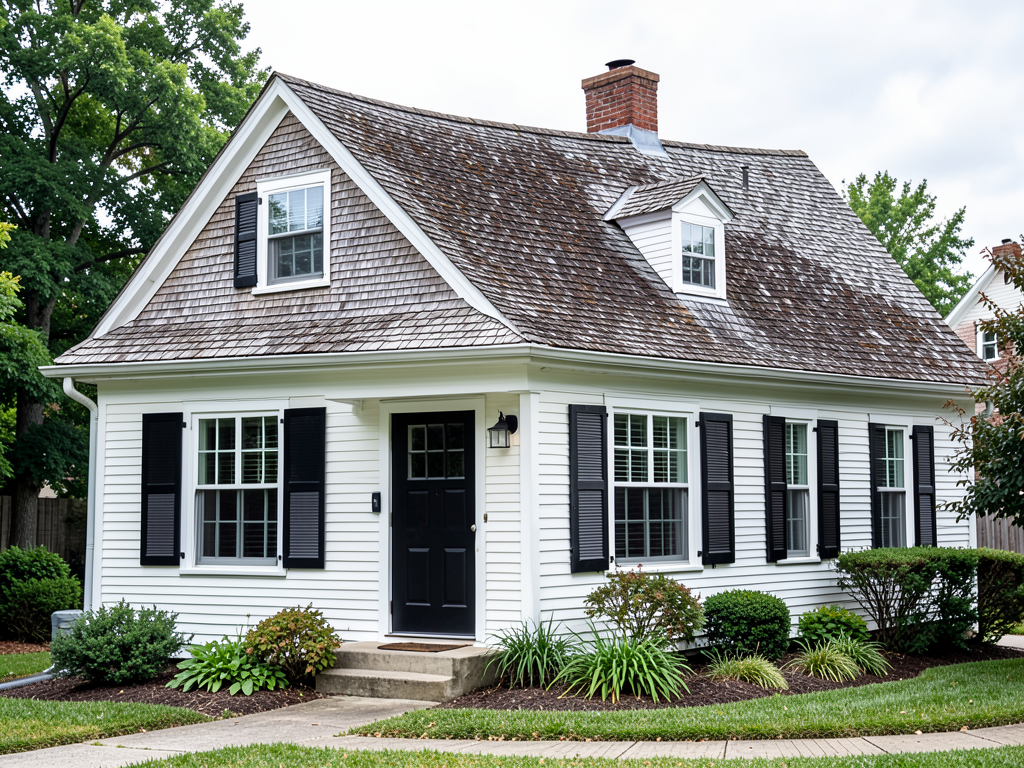
Most homeowners in neighborhoods like Hyde Park and Mount Adams don't realize their roof has failed until they see water stains on ceilings or mold growing in attics. By then, the decking is often compromised. A tear off roof replacement becomes necessary, not optional.

Full roof replacement addresses hidden damage that patch jobs ignore. If your roof is 15 years old or showing curled shingles, granule loss in gutters, or soft spots when you walk on it, you are past the point of repair. Installing a new roof now prevents interior damage that costs four times more to fix than reroofing services.

Cincinnati's clay-heavy soil also shifts foundations slightly over time, which can torque roof framing and cause ridge caps to separate. We see this constantly in older homes near the basin. A new roof installation includes structural assessment to catch these issues before they cascade into bigger problems.

Why Cincinnati Roofs Fail Faster Than You Think
How We Install Roofs Built for Cincinnati Weather

How We Install Roofs Built for Cincinnati Weather

Most roofers skip steps to save time. We don't. Every full roof replacement starts with a complete tear off down to the decking. We inspect every square foot of sheathing for rot, sagging, or nail pops. If your decking is compromised, we replace it with properly rated OSB or plywood before a single shingle goes down.

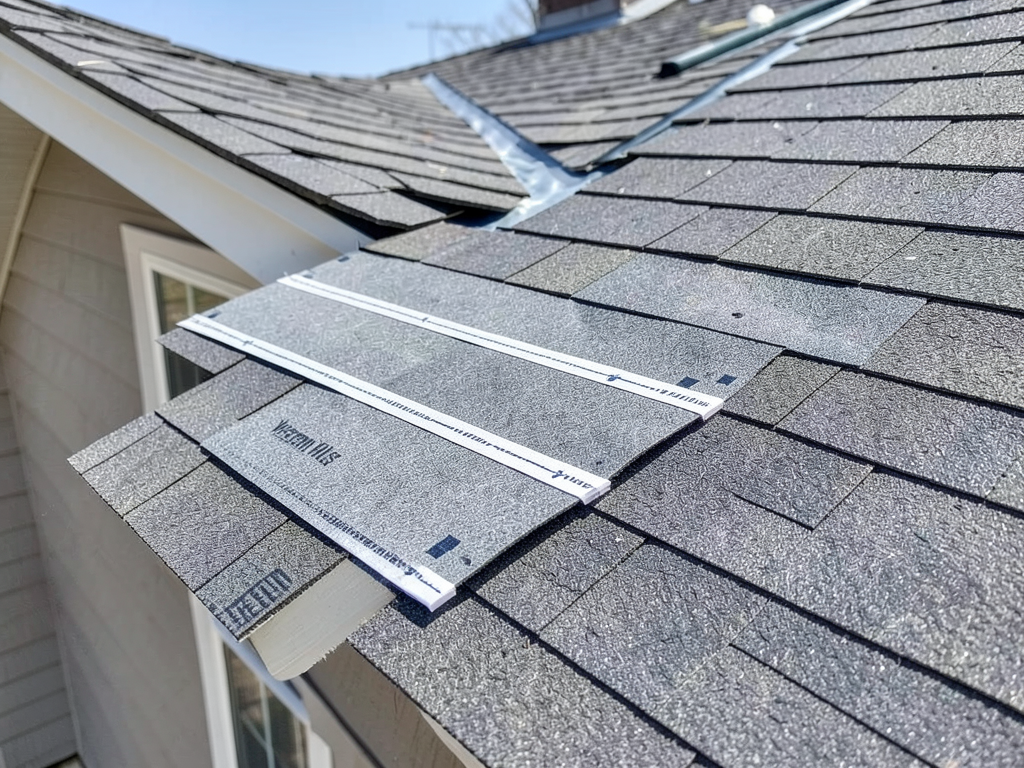
We install Ice and Water Shield along eaves, valleys, and penetrations. This self-adhering membrane stops wind-driven rain from getting under shingles during the severe storms Cincinnati gets every spring and summer. Most builders only run it three feet up from the eave. We extend it six feet to account for ice damming during freeze-thaw cycles.

Flashing is where most roof leaks start. We use stepped flashing around chimneys, kick-out flashing at roof-to-wall transitions, and counter flashing over brick ledges. Every piece is sealed with polyurethane sealant rated for freeze-thaw durability. Cheaper roofers use roofing cement that cracks in cold weather.

Ridge venting is non-negotiable in Cincinnati. Attic temperatures hit 140 degrees in July. Without proper ventilation, that heat shortens shingle life and drives up cooling costs. We install continuous ridge vents paired with soffit vents to create convective airflow that pulls heat out naturally.

Shingle installation follows manufacturer specifications exactly. That means proper nail placement, correct overlap, and hand-sealing every starter course. When a derecho hits Cincinnati with 70 mph gusts, improper nailing is the difference between a roof that holds and one that peels off in sheets. Installing a new roof correctly the first time eliminates callbacks and future failures.

What Happens During Your Roof Replacement

Roof Replacement & Installation in Cincinnati – Expert Reroofing for Every Home and Business
01

Inspection and Material Selection

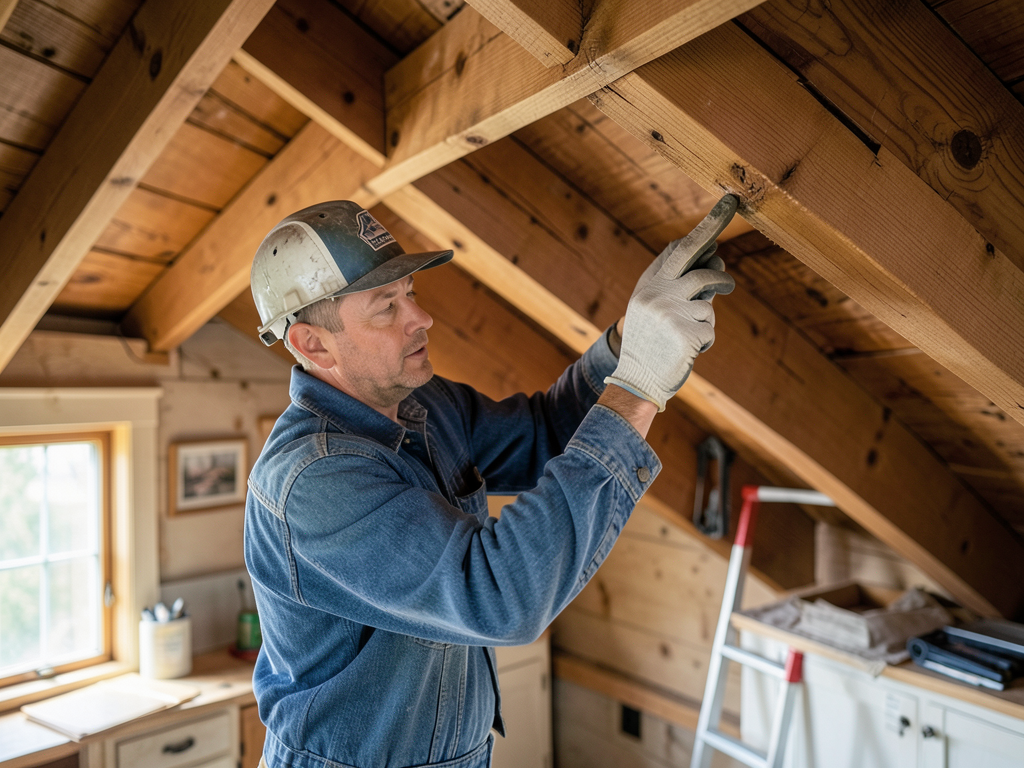
We start with a full attic-to-shingle inspection. You get photos of every problem area, measurements of remaining shingle life, and a written assessment of decking condition. We match shingle type, color, and wind rating to your home's architecture and Cincinnati's weather exposure. You see samples, warranty details, and a fixed-price quote before we order materials.
02

Tear Off and Installation

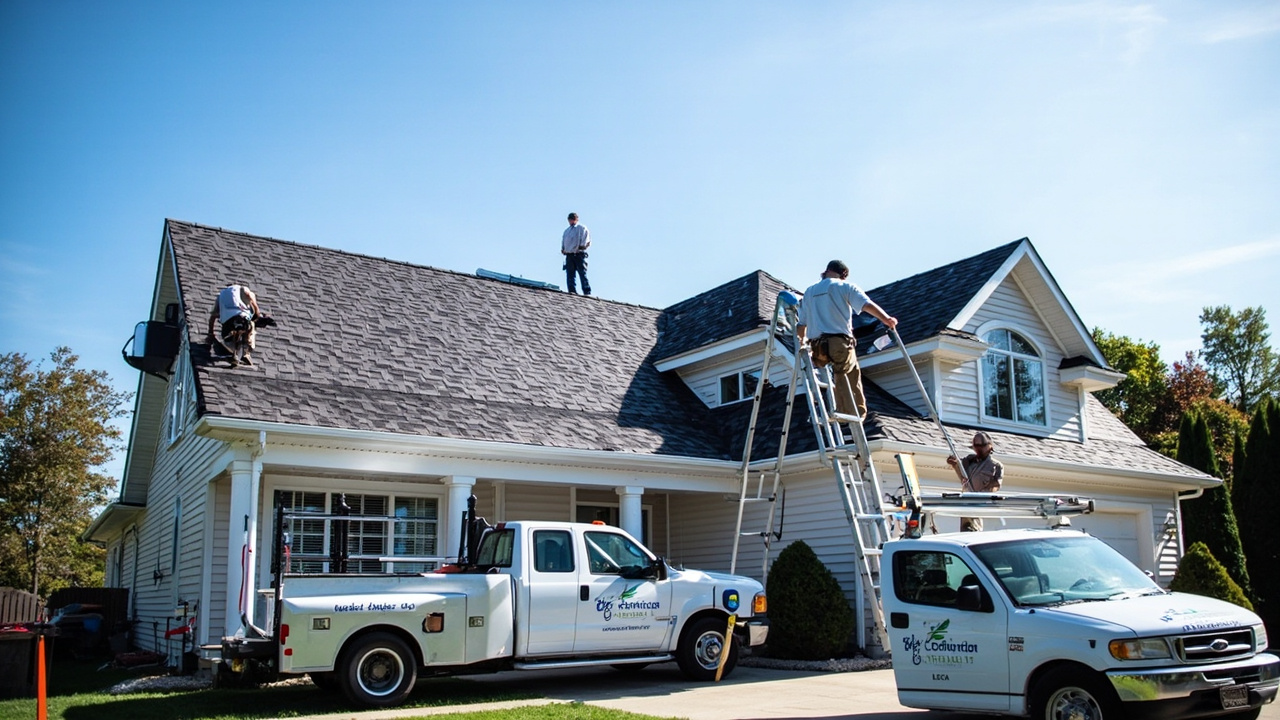
The crew arrives early and protects landscaping with tarps. We strip the old roof, haul debris to a dumpster on site, and inspect every inch of decking. Rotted sections get replaced. We install underlayment, flashing, drip edge, and starter strips before the first shingle goes down. Most residential jobs finish in one to two days depending on size and complexity.
03

Final Inspection and Cleanup

After installation, we run a magnet sweep across your property to pick up nails. The crew lead walks the roof to verify proper sealant adhesion, flashing alignment, and ventilation airflow. You get a final walkthrough to inspect workmanship and ask questions. We provide manufacturer warranty documentation and maintenance guidelines specific to your shingle type and Cincinnati's climate.

Why Cincinnati Trusts First Choice Roofing

We have installed roofs across every Cincinnati neighborhood, from the historic Italianate homes in Over-the-Rhine to the mid-century ranches in Finneytown. That experience teaches you what works and what fails in this specific climate.

Cincinnati building codes require specific wind ratings for shingles and minimum underlayment standards. We meet or exceed those requirements on every job. Many out-of-state crews don't know local code and cut corners that pass inspection but fail in real-world conditions.

We also understand Cincinnati architecture. German-influenced homes in neighborhoods like Mt. Adams have steep roof pitches and complex valley systems. Cape Cods in Oakley have low-slope sections that need modified bitumen or rubber membrane, not standard shingles. Colonial revivals in Indian Hill have multiple dormers and crickets that require custom flashing. A roofer who doesn't understand these details will create leak points that show up six months later.

Our crews know how to work around Cincinnati's unpredictable weather windows. Spring and fall are ideal for reroofing services, but summer heat and winter cold compress the schedule. We monitor forecasts closely and protect open decking with tarps if rain moves in unexpectedly. We don't leave your home exposed overnight.

You also get straight answers. If your roof has five years of life left, we tell you. If a repair will buy you time, we give you that option. Full roof replacement is a significant investment, and we don't push it unless the roof is genuinely at end-of-life or storm-damaged beyond repair.

What to Expect When You Replace Your Roof

Timeline and Scheduling

Most residential roof replacements take one to three days depending on size, pitch, and complexity. Commercial projects take longer and get scheduled in phases to minimize business disruption. We provide a start date and stick to it unless weather forces a delay. Material delivery happens the day before installation to avoid sitting on-site exposure. You get daily updates if the job runs multiple days, and we coordinate with you on access needs, parking, and noise considerations.

The Inspection Process

Initial inspection includes attic ventilation assessment, decking evaluation from below, and exterior shingle condition review. We check for proper drip edge, missing flashing, and ventilation blockages that shorten roof life. You receive a written report with photos and recommendations. If decking replacement is needed, we identify it before the job starts so there are no surprise costs. Insurance claims get documentation support including wind damage evidence and hail impact measurements.

The Finished Roof

A properly installed roof should look uniform with no visible waviness, straight ridge lines, and clean flashing transitions. Shingles should lie flat with no lifted edges or exposed nails. Valleys should have continuous underlayment protection, and ridge vents should run the full peak without gaps. You get a roof that handles Cincinnati's freeze-thaw cycles, summer storms, and wind-driven rain without premature failure. The new roof installation also improves attic ventilation, lowers cooling costs, and increases home resale value.

Warranty and Maintenance

Manufacturer warranties cover shingle defects for 25 to 50 years depending on product tier. Workmanship warranties cover installation errors. We provide both in writing. Annual maintenance is minimal but important. Clear gutters twice a year to prevent ice damming. Trim overhanging branches that drop debris and abrade shingles. Inspect flashing after severe storms for lifted edges or sealant separation. We offer maintenance inspections if you want professional eyes on your roof between major weather events.

Frequently Asked Questions

You Have Questions,
We Have Answers

How much does it cost to have a new roof installed? +

New roof installation costs in Cincinnati vary based on roof size, material choice, and complexity. Asphalt shingles run less than metal or tile options. A typical home ranges from budget-friendly to premium depending on pitch, layers needing removal, and flashing repairs. Local factors matter. Cincinnati's freeze-thaw cycles demand durable underlayment, which affects pricing. Penetrations like chimneys or skylights add labor time. Request a detailed estimate that breaks down materials, labor, permits, and disposal fees. Comparing quotes helps, but focus on quality installation over the lowest bid to avoid callbacks.

What is the average cost of a new roof in NC? +

This question references North Carolina, which does not apply to Cincinnati, Indiana. However, roof replacement costs in Cincinnati depend on similar factors: material type, square footage, roof pitch, and structural repairs. Indiana's climate brings heavy snow loads and ice damming risks, requiring proper ventilation and ice-and-water shield installation. Costs reflect local labor rates and permit fees specific to Cincinnati building codes. For accurate pricing tailored to your Cincinnati home, schedule an onsite inspection. Material availability and contractor demand fluctuate seasonally, so timing your project wisely can influence final costs without compromising quality.

How much does it cost to change a whole roof? +

Replacing an entire roof in Cincinnati involves tearing off old materials, repairing decking, installing underlayment, and applying new roofing. Costs depend on square footage, material selection, and structural issues uncovered during tearoff. Homes with multiple layers or damaged sheathing require extra labor. Cincinnati's weather patterns stress roofing systems, so addressing ventilation and insulation during replacement prevents future issues. Factor in disposal fees for old materials and permits required by local codes. A complete roof replacement is an investment in your home's protection and resale value, especially given Indiana's seasonal temperature swings.

What time of year is the cheapest to replace a roof? +

Late fall and early winter offer the best pricing for roof replacement in Cincinnati. Contractors face lower demand after summer storm season and before harsh winter weather sets in. You gain scheduling flexibility and sometimes reduced rates. However, avoid projects during freezing temperatures, as shingle adhesion requires warmth. Spring and summer bring higher demand and premium pricing due to storm damage repairs. Plan ahead to lock in favorable rates while ensuring your contractor can complete the work before Cincinnati's unpredictable winter arrives. Timing matters, but never sacrifice quality installation for a marginal discount.

How much is a roof for a 2000 sq foot house? +

A 2000 square foot home in Cincinnati typically requires more material and labor than smaller homes, but exact costs depend on roof pitch, material choice, and complexity. Steep pitches demand safety equipment and more time. Asphalt shingles cost less than metal or architectural options. Factor in underlayment, flashing, ridge vents, and disposal fees. Cincinnati homes often need additional ice-and-water shield due to freeze-thaw cycles. Multiple chimneys, valleys, or skylights increase labor hours. Request an itemized estimate that accounts for your home's specific conditions rather than relying on generic square footage pricing.

What is the most expensive part of replacing a roof? +

Labor represents the most expensive component of roof replacement in Cincinnati. Skilled crews perform tearoff, inspect and repair decking, install underlayment, and apply roofing materials to manufacturer specifications. Proper installation prevents leaks and extends roof life. Material costs follow closely, especially for premium options like metal or designer shingles. Structural repairs to damaged decking or trusses add expense but are necessary. Disposal fees for old materials and permit costs also contribute. Cutting corners on labor to save money often leads to callbacks, leaks, and voided warranties. Quality installation protects your investment.

How old may a roof be before insurance claims it's too old? +

Most insurance carriers in Indiana consider roofs over 20 years old higher risk. Policies may limit coverage to actual cash value rather than replacement cost for aging roofs. Some insurers require inspections for roofs exceeding 15 years. Cincinnati's climate accelerates wear through freeze-thaw cycles and ice damming, shortening functional life. If your roof approaches these thresholds, proactive replacement helps maintain full coverage and avoid claim denials. Document your roof's age and condition. Consult your insurance agent before filing claims to understand your policy's depreciation schedule and coverage limits for older roofing systems.

How much does it cost to build a 2000 sq ft house in NC? +

This question addresses new home construction costs in North Carolina, which does not apply to Cincinnati, Indiana. If you are asking about roofing costs for new construction in Cincinnati, builders typically include basic asphalt shingles in base pricing. Upgrading materials or adding features like enhanced ventilation increases costs. New construction roofing is simpler than replacement since no tearoff or decking repairs are needed. However, Cincinnati building codes require specific underlayment and flashing details for wind and snow loads. Consult your builder about roofing material options and ensure your contract specifies quality underlayment and proper ventilation for Indiana's climate.

Is it cheaper to put a metal roof or shingles? +

Asphalt shingles cost less upfront than metal roofing in Cincinnati, but metal offers longer lifespan and energy efficiency. Shingles last 20 to 30 years, while metal roofs exceed 50 years with minimal maintenance. Metal sheds snow better, reducing ice dam risk common in Cincinnati winters. However, metal requires skilled installation and costs more initially. Shingles provide traditional aesthetics and easier repairs. Your choice depends on budget, long-term plans, and home style. Calculate total cost of ownership, including maintenance and replacement cycles, rather than focusing solely on initial installation price for an accurate comparison.

Does having a new roof make your insurance cheaper? +

A new roof can lower insurance premiums in Cincinnati, especially if replacing an aging system. Insurers reward reduced risk with discounts. Impact-resistant shingles or metal roofing may qualify for additional savings. However, premium reductions vary by carrier and policy. Document your roof replacement with photos, receipts, and manufacturer warranties. Contact your insurance agent to request a policy review and available discounts. Some carriers require specific certifications or wind ratings. While savings are not guaranteed, a new roof improves insurability and prevents claim denials due to age-related exclusions common with roofs over 15 to 20 years old.

How Freeze-Thaw Cycles Make Roof Replacement Critical in Cincinnati

Cincinnati averages 25 freeze-thaw cycles per winter. Water seeps into shingle cracks during the day, freezes at night, and expands with enough force to lift sealant bonds and widen gaps. By spring, you have missing granules, cracked shingles, and exposed underlayment. Homes near the Ohio River see even more cycles because of temperature fluctuations from the water. A full roof replacement eliminates this cascading failure before it reaches your decking and interior structure.

Local building codes in Hamilton County require wind-rated shingles for new roof installation and proper ventilation to prevent ice damming. We stay current on those requirements and work with local inspectors regularly. Cincinnati's mix of historic homes and newer construction also means every reroofing project is different. Choosing a local contractor who understands these variables ensures your roof meets code, handles the climate, and lasts as long as the manufacturer promises.
Roofing Services in The Cincinnati Area

We are proud to serve the entire Cincinnati metro area and surrounding communities, bringing our top-tier roofing expertise right to your neighborhood. Use the map below to visualize our primary service region and get directions to our main office for material samples or in-person consultations. Whether you are downtown or on the outskirts, First Choice Roofing is committed to being your most convenient and reliable local roofing partner. Contact us to confirm service availability at your specific address.

Address:
First Choice Roofing Cincinnati, 2337 Victory Pkwy, Cincinnati, OH, 45206

Additional Services We Offer

Our news updates

Latest Articles & News from The Blogs

Why your Western Hills home needs high-wind starter shingles even if you aren't in a hurricane zone Your Western Hills…

Why your Western Hills home needs high-wind starter shingles even if you aren't in a hurricane zone

Why your Western Hills home needs high-wind starter shingles even if you aren't in a hurricane zone Your Western Hills…

Understanding the structural limits of your older Norwood roof before switching to heavy clay tiles

Understanding the structural limits of your older Norwood roof before switching to heavy clay tiles Norwood’s charming older homes built…

The best roofing colors for a Dutch Colonial home in the Gaslight District of Clifton

Choosing the Perfect Roof Color for Your Dutch Colonial Home in Clifton The gambrel roof of your Dutch Colonial home…

Contact Us

Call First Choice Roofing Cincinnati at (513) 223-5511 to schedule a free roof inspection. We will assess your roof condition, explain your options, and provide a written quote with no pressure. If your roof is failing, we can start work within days.