Menu

Flat Roof Repair & Restoration in Cincinnati | Minimize Downtime with Industrial-Grade Solutions

First Choice Roofing Cincinnati delivers commercial flat roof restoration and industrial flat roof repair that protects your assets, maintains operations, and extends roof lifespan without disrupting your business.

Slider Image 1
Slider Image 2
Slider Image 3
Slider Image 4
Slider Image 5
Slider Image 7
Slider Image 8
Slider Image 9
Slider Image 10
Slider Image 11

Why Cincinnati's Commercial Roofs Fail Faster Than You Think

Cincinnati's freeze-thaw cycles destroy commercial flat roofs. When temperatures swing from 20°F in January to 60°F in March, water trapped in membrane seams expands and contracts. This creates micro-tears that become full membrane failure within 18 months.

Your flat roof also faces constant assault from the Ohio River Valley's high humidity. Moisture vapor moves through poorly sealed penetrations around HVAC units, exhaust vents, and pipe boots. This vapor condenses inside the insulation layer, reducing its R-value by 40 percent and adding thousands of pounds of weight to your roof deck.

Industrial facilities near the river basin face additional challenges. Sulfur dioxide from manufacturing processes combines with rainwater to create weak sulfuric acid. This corrodes metal flashings, degrades elastomeric coatings, and accelerates ponding water issues on low slope roof systems.

Most commercial property managers do not discover these problems until interior ceiling tiles show water stains. By then, you are looking at structural deck damage, not just membrane replacement. Commercial flat roof restoration becomes more complex when the substrate is compromised.

The clay-heavy soil in Cincinnati also contributes to building settlement. As your foundation shifts, it creates stress points where roof-to-wall transitions fail. Parapet walls pull away from the main structure, and expansion joints separate. Industrial flat roof repair must account for this ongoing movement, or the same failure points will reopen within two years.

Why Cincinnati's Commercial Roofs Fail Faster Than You Think
How We Restore Commercial Roofs Without Shutting Down Your Operations

How We Restore Commercial Roofs Without Shutting Down Your Operations

First Choice Roofing Cincinnati uses infrared thermography to map subsurface moisture before we tear off a single square foot of roofing. This non-invasive scan identifies wet insulation areas so we only remove compromised sections. You avoid unnecessary disruption and we reduce disposal costs by 60 percent.

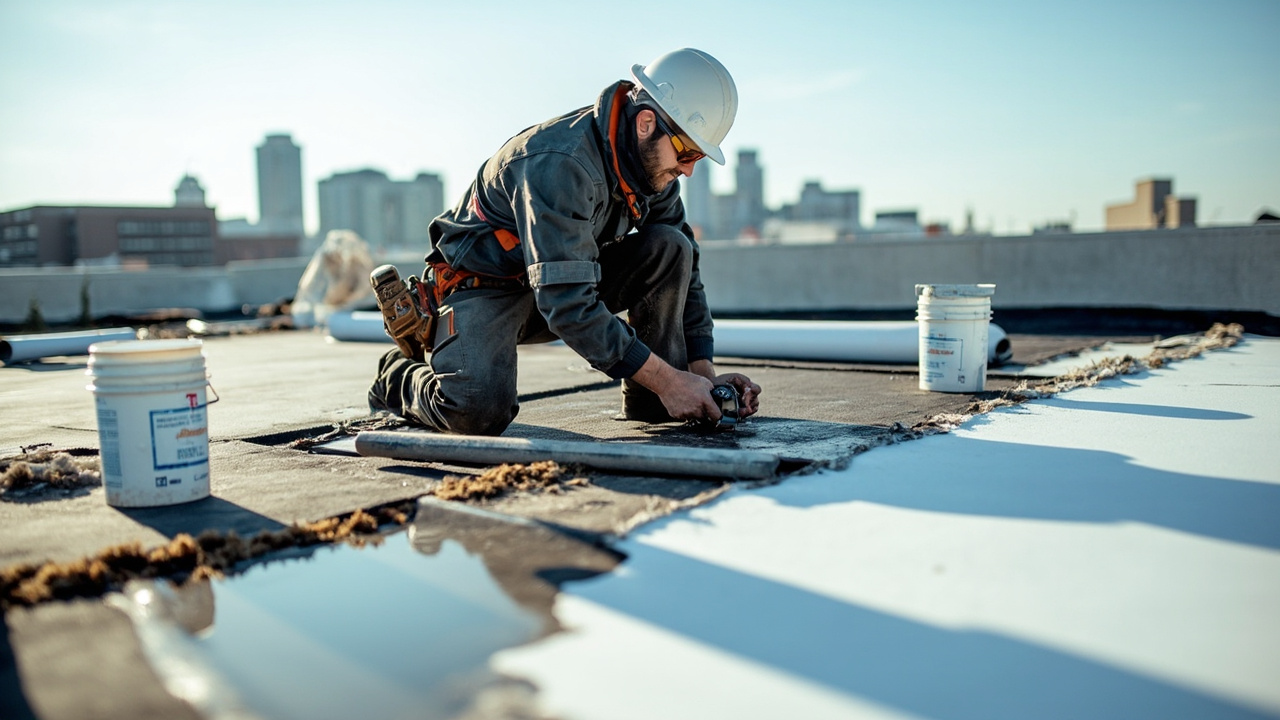
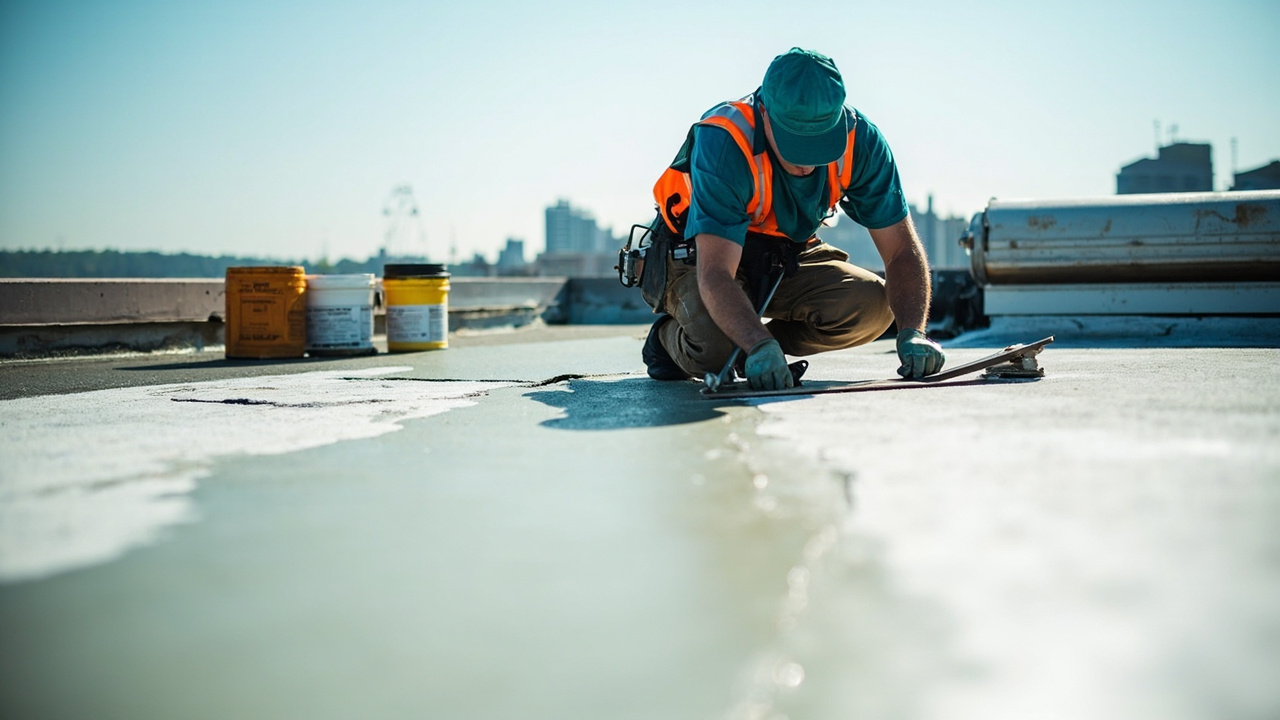
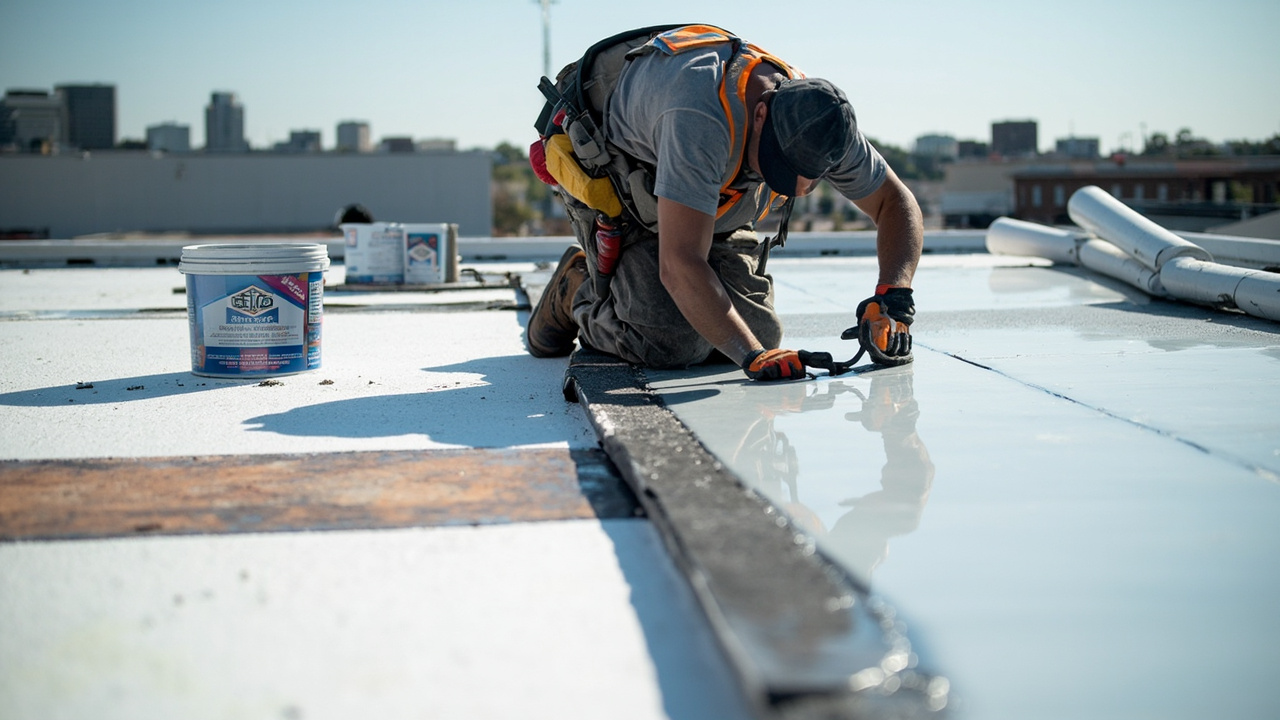
Our commercial roof coating services start with pressure washing to remove biological growth and surface contaminants. We then apply a primer that penetrates existing membrane surfaces, creating a chemical bond stronger than mechanical fasteners. The topcoat is a fluid-applied silicone or acrylic system that self-levels over fastener heads and seam ridges.

For severe membrane damage, we perform commercial flat roof restoration using a hybrid approach. We remove failed sections down to the deck, install new polyiso insulation with tapered crickets to eliminate ponding, then apply a fully adhered TPO or EPDM membrane. This creates defined drainage paths that move water off your roof in under 48 hours after rainfall.

Low slope roof refurbishment requires attention to termination details. We remove old counterflashing, clean brick and masonry surfaces with wire brushes, then install new reglets with continuous sealant beads. The membrane extends up the wall a minimum of eight inches and terminates inside the reglet. This detail prevents the wind-driven rain intrusion that causes 70 percent of parapet wall leaks.

Commercial roof waterproofing also addresses penetration boots. We cut out cracked or UV-degraded boots and install new EPDM or neoprene units with stainless steel clamp rings. Each penetration gets a pourable sealer cap that creates a watertight seal even when pipes vibrate from equipment operation.

What Happens During Your Flat Roof Restoration

Flat Roof Repair & Restoration in Cincinnati | Minimize Downtime with Industrial-Grade Solutions
01

Roof Assessment and Moisture Mapping

We conduct a full roof inspection using infrared cameras to identify trapped moisture in the insulation layer. Core samples verify deck condition and insulation type. You receive a detailed report with thermal images, moisture readings, and remaining service life projections. This assessment determines whether you need spot repairs, coating restoration, or full membrane replacement. We also check for code compliance issues that could complicate future modifications.
02

Phased Repair Execution

We schedule work in sections to maintain building operations. Critical areas like loading docks and production zones are addressed during off-hours or weekends. Each phase is sealed and watertight before we move to the next section. You get daily progress reports with photo documentation. Our crews coordinate with your facility managers to avoid disrupting deliveries, shift changes, or temperature-sensitive operations. Equipment staging areas are clearly marked and secured.
03

Final Inspection and Documentation

After completing the restoration, we perform a flood test on all penetrations and drain areas to verify waterproofing integrity. You receive as-built drawings showing all new flashings, membrane thickness measurements, and coating mil depths. We provide a maintenance guide specific to your roof system with recommended inspection intervals. All work is documented for your records, including material certifications and test reports required for building compliance or warranty activation.

Why Cincinnati Facility Managers Choose First Choice Roofing

We understand Ohio's commercial building codes and the Cincinnati Fire Department's requirements for rooftop access and fall protection. Our crews are trained in OSHA 1926 Subpart M fall protection standards and maintain current certifications. This matters when your insurance carrier audits your contractor's safety record.

First Choice Roofing Cincinnati has restored flat roofs on manufacturing facilities in Norwood, distribution centers in Queensgate, and office buildings in Blue Ash. We know the structural limitations of 1960s-era steel deck systems and the load capacity issues of pre-engineered metal buildings. This experience prevents costly mistakes like adding too much coating weight to an undersized deck.

Our industrial flat roof repair projects are completed with minimal impact to your operations. We stage materials in designated areas, use low-odor adhesives when required, and coordinate hot work permits with your safety team. You do not shut down production lines or relocate staff.

We also maintain relationships with local building inspectors and plan reviewers. When your roof restoration requires a permit, we handle the submission and coordinate inspections. This eliminates delays and ensures your project stays on schedule.

Commercial roof waterproofing is not a DIY project. Improper flashing installation creates liability exposure when interior damage occurs. Incorrectly applied coatings fail within months, forcing you to pay twice for the same repair. Our technical knowledge protects your investment and reduces long-term maintenance costs.

Cincinnati's commercial real estate market demands professionally maintained building envelopes. A documented roof restoration with proper material certifications increases property value and makes your facility more attractive to tenants or buyers.

What to Expect When You Schedule Commercial Roof Restoration

Project Timeline and Scheduling Flexibility

Most commercial flat roof restoration projects are completed in two to four weeks, depending on building size and weather conditions. We provide a detailed schedule before work begins and adjust for operational needs. Night and weekend work is available for facilities that cannot afford daytime disruptions. Weather delays are communicated immediately with revised completion dates. You receive weekly progress updates and can request site meetings at any time. Our project managers are accessible by phone during business hours to address concerns or coordinate with your maintenance team.

Initial Assessment and Scope Definition

Your consultation starts with a roof inspection that includes core samples and moisture detection. We provide a written report within 72 hours outlining all identified issues, recommended repairs, and cost breakdown by phase. You see exactly what needs immediate attention versus what can wait. Our assessment includes photos of problem areas, thermal imaging results, and material recommendations specific to your building type. We explain technical findings in plain language so you can make informed decisions. If your roof qualifies for coating restoration instead of full replacement, we show you the cost difference.

Quality Standards and Performance Outcomes

Completed commercial roof coating services provide a watertight barrier that extends roof life by 10 to 15 years. All seams are reinforced with mesh fabric and multiple coating passes. Ponding water issues are eliminated through tapered insulation or cricket installation. You get improved energy efficiency from reflective coatings that reduce cooling costs by up to 20 percent. Every penetration is sealed to prevent leaks, and all flashings are installed to manufacturer specifications. Final inspection includes flood testing and infrared scanning to verify complete moisture elimination. Your facility is protected from water intrusion and structural damage.

Post-Completion Support and Maintenance Planning

After project completion, you receive a comprehensive maintenance guide tailored to your specific roof system. We recommend biannual inspections to catch minor issues before they become expensive problems. Our maintenance plans include debris removal, drain cleaning, and sealant reapplication at critical termination points. You can schedule these services in advance to budget accurately for roof upkeep. We also provide emergency repair response for storm damage or equipment-related roof penetrations. All work is documented with dated photos and repair logs that support warranty requirements and help track roof performance over time.

Frequently Asked Questions

You Have Questions,
We Have Answers

What is the average cost to repair a flat roof? +

Flat roof repair costs vary based on damage extent, membrane type, and accessibility. Minor repairs like patching blisters or sealing seams run lower, while structural damage or extensive water infiltration increases costs. Commercial buildings in Cincinnati face unique challenges from freeze-thaw cycles and summer storms that accelerate deterioration. Membrane type matters. EPDM, TPO, and modified bitumen each have different repair requirements. Substrate condition, drainage issues, and whether penetrations need resealing also affect pricing. Request a detailed inspection to identify all issues. Addressing problems early prevents expensive tear-offs and minimizes business disruption.

Is it expensive to repair a flat roof? +

Flat roof repair is less expensive than replacement, but costs depend on timing and damage severity. Catching issues early keeps expenses manageable. Ignoring ponding water, membrane cracks, or interior leaks leads to structural damage that multiplies costs. For commercial properties in Cincinnati, downtime costs often exceed repair costs. Water damage to inventory, equipment, or operations creates liability and lost revenue. Budget for routine maintenance. Small investments in preventive care extend membrane life and avoid emergency repairs during critical business periods. Proper drainage maintenance is particularly important given Cincinnati's rainfall patterns.

How often should a flat roof be redone? +

Flat roof replacement frequency depends on membrane type, installation quality, and maintenance. EPDM roofs typically last 20 to 25 years. TPO and PVC membranes run 15 to 20 years. Modified bitumen systems need replacement every 10 to 20 years. Commercial buildings in Cincinnati experience accelerated wear from temperature extremes and UV exposure. Poor drainage shortens lifespan significantly. Standing water degrades membranes and creates entry points for moisture. Regular inspections twice yearly catch issues before they require full replacement. Proper flashing maintenance around HVAC units and penetrations extends roof life. Document all repairs to track performance.

What is the best way to repair a flat roof? +

The best flat roof repair method matches the existing membrane system and addresses root causes. Patch repairs work for isolated damage. Membrane coatings restore weatherproofing across larger areas while extending lifespan. Structural repairs may be needed if decking has rotted. For commercial properties, minimizing downtime is critical. Repairs should fix drainage issues causing ponding water, a common problem in Cincinnati's climate. Proper flashing installation around penetrations prevents future leaks. Choose contractors experienced with your specific membrane type. Temporary patches fail quickly. Professional repairs include substrate inspection and moisture testing to ensure complete remediation before sealing.

Is flat roof repair covered by insurance? +

Insurance coverage for flat roof repair depends on damage cause and policy terms. Storm damage, hail impact, and sudden events like fallen trees typically qualify. Gradual deterioration from age or deferred maintenance does not. Commercial policies differ from residential coverage. Business interruption clauses may cover revenue loss during repairs. Document damage immediately with photos and timestamps. Cincinnati's severe weather events strengthen claims. Wind-driven rain and ice dam damage often meet coverage thresholds. Review your policy for exclusions and deductibles. Work with contractors experienced in insurance documentation. Proper claim filing with detailed estimates improves approval rates.

What time of year is the cheapest to replace a roof? +

Fall offers the most competitive pricing for roof replacement. Demand drops after summer storm season, and contractors schedule work before winter. Spring sees high demand from winter damage repairs, driving prices up. Summer heat complicates installation and increases labor costs. For commercial properties in Cincinnati, scheduling during slow business periods reduces operational impact more than seasonal pricing. Avoid winter when adhesives and membranes require specific temperature ranges for proper installation. Plan replacement during dry weather windows. Fall's moderate temperatures ensure optimal material performance. Book early to secure preferred timing and avoid emergency replacement during peak business cycles.

What is the lifespan of a flat roof? +

Flat roof lifespan ranges from 10 to 30 years based on membrane type and maintenance. EPDM rubber roofs last 20 to 25 years with proper care. TPO membranes run 15 to 20 years. Modified bitumen systems need replacement every 10 to 20 years. Built-up roofing can reach 30 years with regular maintenance. Commercial buildings in Cincinnati face shortened lifespans without drainage maintenance. Ponding water accelerates membrane breakdown. UV exposure degrades materials faster on south-facing sections. Regular inspections, prompt repairs, and cleaning debris from drains extend service life. Reflective coatings reduce thermal stress and add years to aging membranes.

What are signs my flat roof needs replacing? +

Visible signs include ponding water remaining 48 hours after rain, membrane blistering or cracking, and interior water stains. Check for loose or damaged flashing around rooftop equipment. Bubbling or soft spots indicate trapped moisture beneath the membrane. Increased energy costs suggest compromised insulation from water infiltration. Commercial buildings in Cincinnati should inspect after severe storms and freeze-thaw cycles. Look for seam separation, especially on TPO or EPDM systems. Granule loss on modified bitumen surfaces signals aging. Vegetation growth indicates drainage problems. Any interior leak requires immediate professional inspection to assess substrate damage before it spreads.

What is the most expensive part of replacing a roof? +

Substrate repair and deck replacement represent the highest costs in roof replacement. Water damage to underlying wood or concrete decking requires structural remediation before installing new membranes. Insulation replacement adds significant expense when moisture has compromised thermal performance. For commercial buildings in Cincinnati, removing multiple membrane layers from previous re-roofs increases disposal and labor costs. HVAC equipment relocation during work adds expense. Parapet wall repairs and flashing fabrication around complex penetrations drive up costs. Structural reinforcement for inadequate drainage or load-bearing issues exceeds membrane costs. Early intervention prevents substrate damage, keeping replacement focused on membrane rather than structural repairs.

How old may a roof be before insurance claims it's too old? +

Most insurance carriers flag roofs over 20 years old for coverage restrictions. Policies may require inspections for roofs 15 years or older before renewal. Commercial property policies often impose higher deductibles or exclude coverage for roofs exceeding expected lifespan. Some carriers deny claims if the roof is beyond manufacturer warranty periods. Documentation matters. Maintenance records and professional inspections proving serviceable condition help maintain coverage. Cincinnati's weather increases scrutiny on older flat roofs. Carriers assess risk based on membrane type and documented upkeep. Proactive replacement before the 20-year mark maintains full coverage and prevents claim denials during critical damage events.

How Cincinnati's Industrial Corridor Demands Specialized Flat Roof Solutions

The Mill Creek Valley's concentration of manufacturing and logistics facilities creates unique roofing challenges. Heavy truck traffic causes vibrations that loosen mechanical fasteners on older flat roof systems. Facilities near Queensgate and Riverside face airborne particulates from industrial processes that clog roof drains and accelerate membrane degradation. The Ohio River's proximity keeps humidity levels high year-round, making proper vapor barriers essential for preventing insulation saturation. Commercial flat roof restoration in this corridor must account for chemical exposure, high thermal cycling, and the structural limitations of buildings constructed between 1950 and 1980.

Cincinnati's commercial building stock includes thousands of flat-roofed structures with varying code compliance levels. Working with a contractor who understands local permitting requirements and inspection protocols prevents project delays. First Choice Roofing Cincinnati maintains relationships with Hamilton County building officials and stays current on Ohio Building Code amendments affecting commercial roof systems. Our crews are familiar with the access restrictions in downtown's historic commercial districts and the load limitations of mid-century industrial buildings. This local knowledge ensures your low slope roof refurbishment meets current standards and protects your business from compliance issues.
Roofing Services in The Cincinnati Area

We are proud to serve the entire Cincinnati metro area and surrounding communities, bringing our top-tier roofing expertise right to your neighborhood. Use the map below to visualize our primary service region and get directions to our main office for material samples or in-person consultations. Whether you are downtown or on the outskirts, First Choice Roofing is committed to being your most convenient and reliable local roofing partner. Contact us to confirm service availability at your specific address.

Address:
First Choice Roofing Cincinnati, 2337 Victory Pkwy, Cincinnati, OH, 45206

Additional Services We Offer

Our news updates

Latest Articles & News from The Blogs

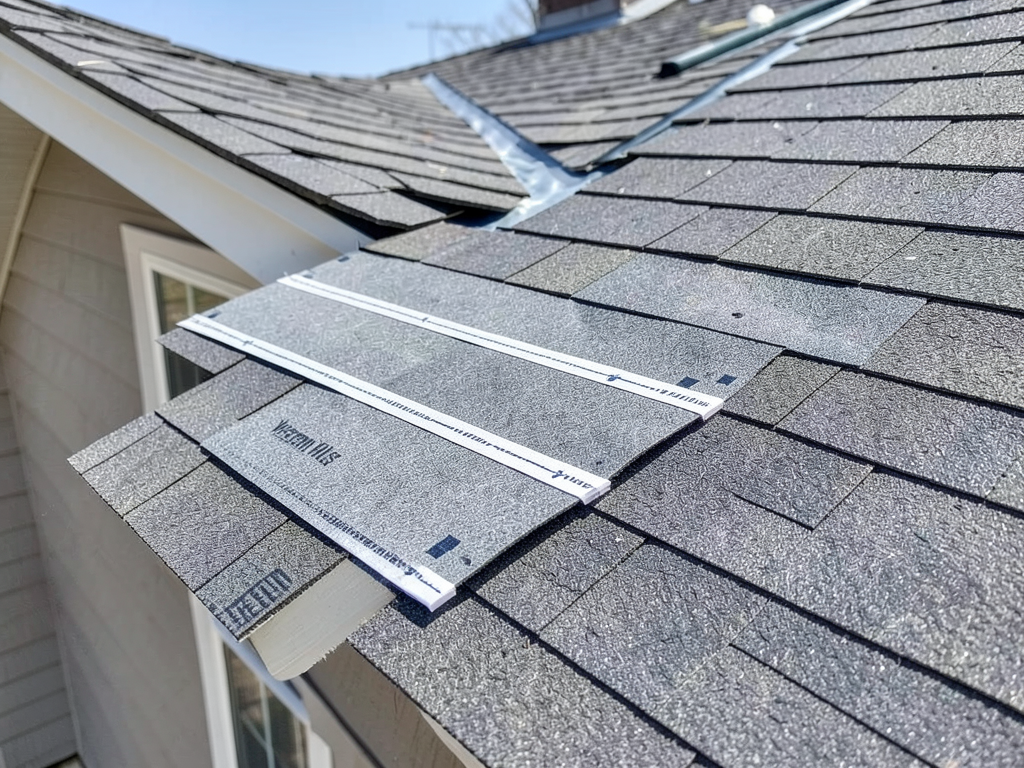
Why your Western Hills home needs high-wind starter shingles even if you aren't in a hurricane zone Your Western Hills…

Why your Western Hills home needs high-wind starter shingles even if you aren't in a hurricane zone

Why your Western Hills home needs high-wind starter shingles even if you aren't in a hurricane zone Your Western Hills…

Understanding the structural limits of your older Norwood roof before switching to heavy clay tiles

Understanding the structural limits of your older Norwood roof before switching to heavy clay tiles Norwood’s charming older homes built…

The best roofing colors for a Dutch Colonial home in the Gaslight District of Clifton

Choosing the Perfect Roof Color for Your Dutch Colonial Home in Clifton The gambrel roof of your Dutch Colonial home…

Contact Us

Stop roof leaks before they damage inventory or disrupt operations. Call First Choice Roofing Cincinnati at (513) 223-5511 for a comprehensive roof assessment. We provide detailed reporting and cost-effective solutions that extend roof life without breaking your budget.